



GLP-1 diet

What to Eat on Ozempic or Wegovy: A Complete Nutrition Guide

Nutrista Teamβ€’
Share
What to Eat on Ozempic or Wegovy: A Complete Nutrition Guide

Starting a GLP-1 medication like Ozempic or Wegovy can feel like a fresh start in your weight management journey. These medications have helped many people finally feel more in control of their appetite and eating habits. But with that reduced appetite comes a new challenge: making sure every bite counts toward your health goals.

If you've found yourself wondering "what can I eat on Ozempic" or searching for an Ozempic diet plan, you're not alone. Many people on these medications want guidance on nourishing their bodies well while taking advantage of the medication's benefits.

How GLP-1 Medications Work and Why Nutrition Matters

GLP-1 receptor agonists like semaglutide (Ozempic, Wegovy) work in several ways to support weight loss and blood sugar management. They mimic a natural hormone that your body produces, which helps regulate appetite, slow down how quickly food leaves your stomach, and improve insulin sensitivity.

Real Dietitians, Real Results

Download on the App StoreGet it on Google Play

This combination means you likely feel fuller with less food, and your blood sugar stays more stable throughout the day. While this can be incredibly helpful for weight loss, it also means you're eating less overall. That's why the quality of what you eat becomes even more important when your appetite is reduced.

When you're naturally eating less, every meal needs to pack a nutritional punch. Without intentional food choices, you might find yourself losing muscle mass, becoming dehydrated, or developing nutrient deficiencies over time.

Core Nutrition Principles for GLP-1 Success

Prioritize Protein to Preserve Muscle Mass

One of the most important nutrition goals while on GLP-1 medications is getting enough protein. Protein requirements on semaglutide and similar medications typically range from 0.8 to 1 gram of protein per pound of ideal body weight, though your individual needs may vary based on activity level and health goals.

Real Dietitians, Real Results

Download on the App StoreGet it on Google Play

When you lose weight, some of that loss comes from muscle tissue unless you actively work to preserve it. Adequate protein intake, combined with resistance exercise, helps your body hold onto lean muscle while losing fat.

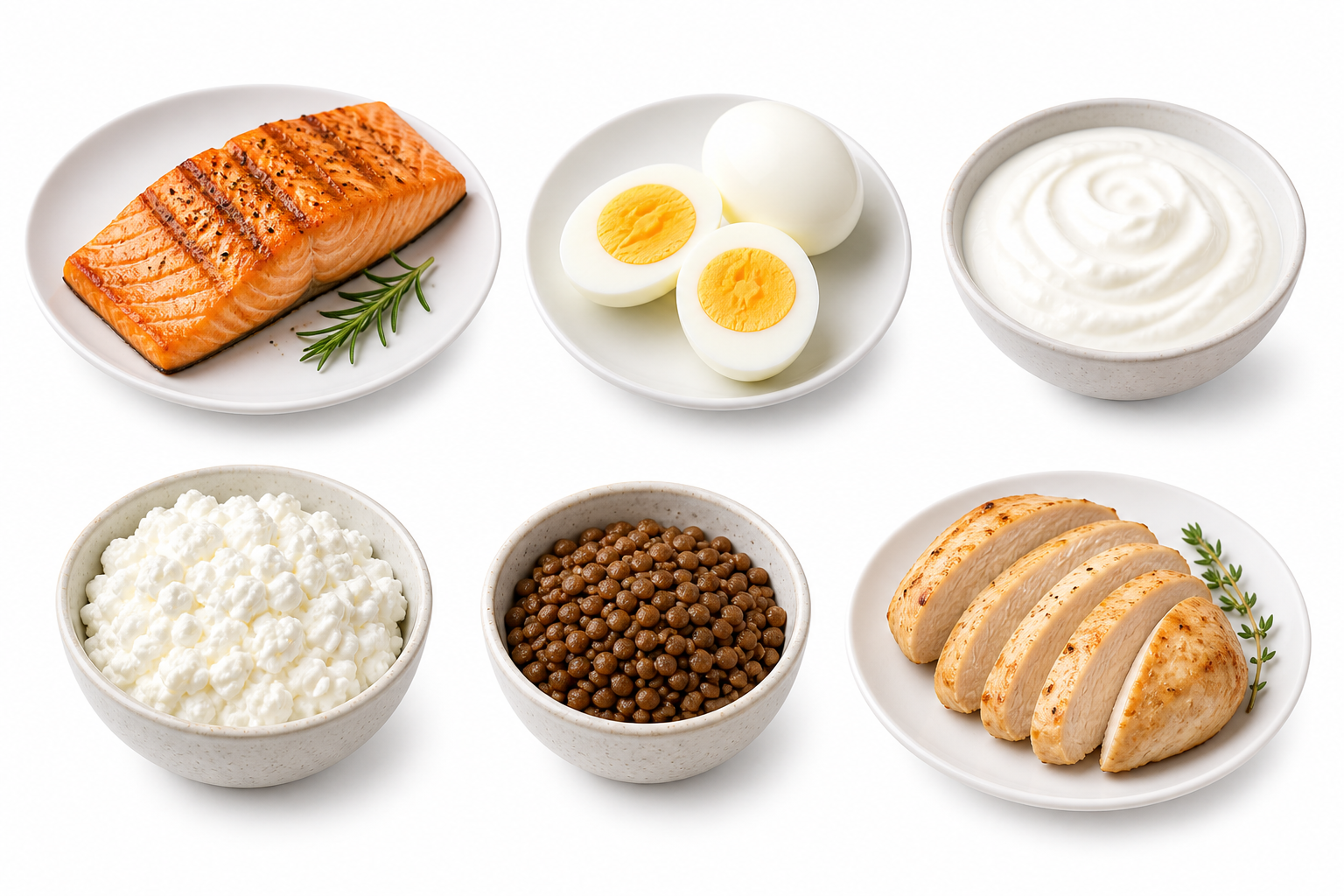
A simple, clean illustration showing protein-rich foods arranged in a visually appealing grid: grilled salmon fillet, hard-boiled eggs, Greek yogurt in a small bowl, cottage cheese, lentils in a small dish, and sliced chicken breast. White background, soft shadows, professional food photography style, no text.

Stay Hydrated to Prevent Constipation and Dehydration

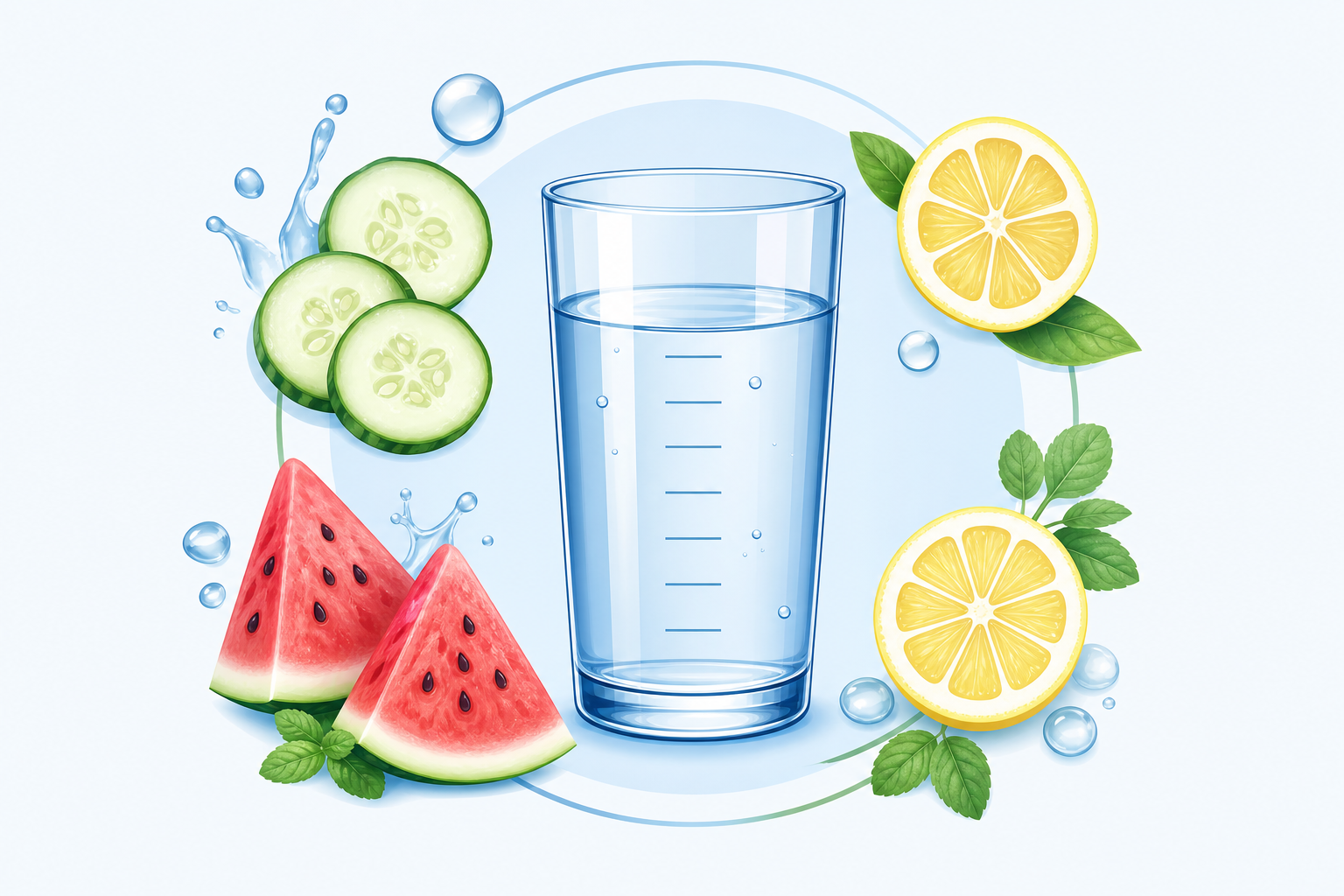
Because GLP-1 medications slow down your digestive system, constipation is one of the most common side effects. Drinking enough water and other fluids helps keep things moving and prevents uncomfortable bloating.

Real Dietitians, Real Results

Download on the App StoreGet it on Google Play

Aim for at least 8 glasses of water daily, and more if you're active or live in a warm climate. Many people find it helpful to keep a water bottle nearby as a visual reminder to sip throughout the day.

An elegant infographic-style illustration of a water glass with measurement markings, surrounded by hydrating foods like cucumber slices, watermelon wedges, and lemon rounds. Soft blue and green color palette, clean minimalist design, no text or numbers.

Choose Nutrient-Dense Foods When Appetite is Reduced

When you're not feeling very hungry, it might be tempting to reach for whatever sounds appealing, even if it's not particularly nutritious. But this is actually when focusing on nutrient-dense foods matters most.

Real Dietitians, Real Results

Download on the App StoreGet it on Google Play

Think of your daily calorie allowance as a budget. You want to spend it on foods that give you the most nutritional value: vitamins, minerals, fiber, protein, and healthy fats. Highly processed foods with lots of added sugar and unhealthy fats cost a lot in calories but provide little in return.

Best Foods for Weight Loss Injections: What to Prioritize

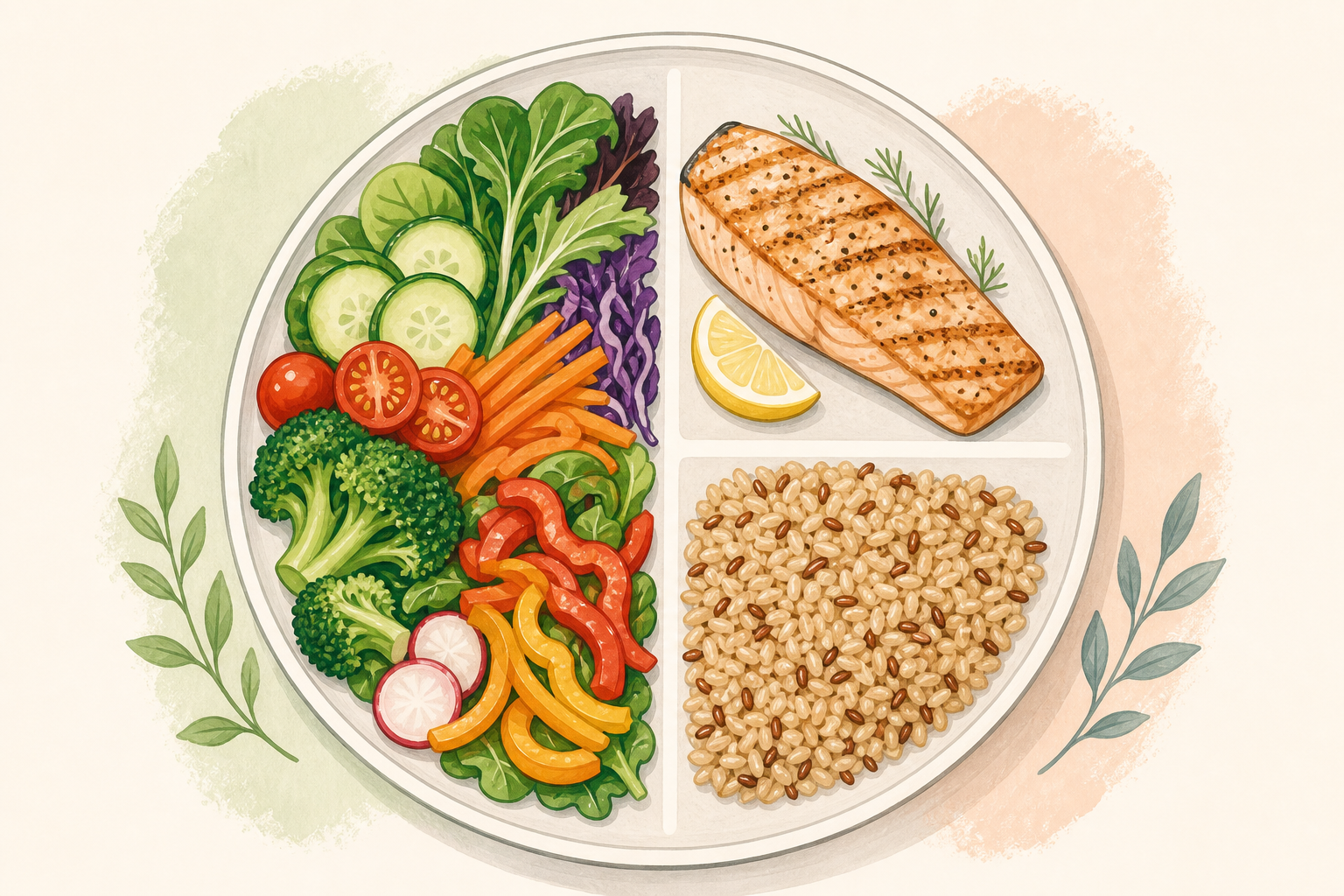
Creating balanced meals doesn't have to be complicated. A simple approach is to fill half your plate with vegetables, one quarter with lean protein, and one quarter with whole grains or starchy vegetables.

A gentle, illustrated meal plate diagram divided into sections showing recommended proportions: half the plate filled with colorful vegetables, one quarter with lean protein like grilled fish, one quarter with whole grains. Soft pastel colors, hand-drawn style, no text labels.

Real Dietitians, Real Results

Download on the App StoreGet it on Google Play

Lean Proteins

  • Chicken and turkey breast (skinless)
  • Fish and seafood like salmon, cod, shrimp, and tilapia
  • Eggs (whole or egg whites)
  • Greek yogurt and cottage cheese
  • Legumes like lentils, chickpeas, and black beans
  • Tofu and tempeh for plant-based options

Fiber-Rich Vegetables

  • Leafy greens like spinach, kale, and lettuce
  • Cruciferous vegetables like broccoli, cauliflower, and Brussels sprouts
  • Bell peppers, zucchini, and cucumbers
  • Carrots, green beans, and asparagus
  • Tomatoes and onions

Fiber helps you feel satisfied, supports digestive health, and can help manage blood sugar levels. Aim for at least 25-30 grams of fiber daily, and increase your intake gradually to avoid gas and bloating.

Whole Grains

  • Oats and oatmeal
  • Quinoa and brown rice
  • Whole grain bread and pasta
  • Barley and farro

Healthy Fats

  • Avocado and olive oil
  • Nuts and seeds (in moderation)
  • Fatty fish like salmon and sardines

Healthy fats help you absorb certain vitamins and provide essential fatty acids your body needs. They're also satisfying, which can help you feel content with smaller portions.

Foods to Avoid on Wegovy and Ozempic

While no foods are strictly forbidden, certain foods can worsen common side effects or work against your health goals.

Real Dietitians, Real Results

Download on the App StoreGet it on Google Play

Greasy and Fried Foods

High-fat, fried foods sit in your stomach longer and can intensify feelings of nausea. They're also calorie-dense without providing much nutritional value. Avoid or limit fried foods, heavy cream sauces, and very greasy dishes, especially if you're experiencing any stomach upset.

High-Sugar Foods and Refined Carbohydrates

Foods high in added sugars can cause rapid blood sugar spikes followed by crashes, leaving you feeling tired and hungry again quickly. They also tend to be low in nutrients. Consider limiting:

  • Candy and sweets
  • Sugar-sweetened beverages
  • White bread and pastries
  • Most breakfast cereals

Alcohol

Alcohol can lower blood sugar (especially concerning for those also taking diabetes medications), cause dehydration, and add empty calories. It may also worsen nausea. Talk with your healthcare provider about whether moderate alcohol consumption is appropriate for you.

Real Dietitians, Real Results

Download on the App StoreGet it on Google Play

Highly Processed Foods

Foods with long ingredient lists full of additives, preservatives, and unrecognizable components typically offer little nutritional value. When your appetite is low, these foods can displace more nutritious options your body needs.

How to Prevent Nausea on GLP-1 Medications

Nausea is perhaps the most commonly reported side effect, especially in the first few weeks of treatment or after a dose increase. These dietary strategies can help:

  • Eat smaller, more frequent meals rather than three large ones
  • Stay upright for at least 30 minutes after eating
  • Try ginger or peppermint (tea, candies, or supplements)
  • Sip water slowly rather than drinking large amounts at once
  • Avoid lying down immediately after meals
  • Choose bland, easily digestible foods when nausea strikes
  • Eat slowly and chew thoroughly to aid digestion

If nausea persists or becomes severe, contact your healthcare provider. They may adjust your dosing schedule or recommend additional strategies.

Real Dietitians, Real Results

Download on the App StoreGet it on Google Play

Managing Constipation

  • Drink plenty of water throughout the day
  • Eat high-fiber foods gradually
  • Consider a fiber supplement if needed
  • Stay physically active
  • Ask your doctor about stool softeners if dietary changes aren't enough

Managing Diarrhea

  • Stay hydrated with water and electrolyte-containing beverages
  • Choose the BRAT diet temporarily (bananas, rice, applesauce, toast)
  • Avoid dairy if you suspect lactose intolerance has developed
  • Limit artificial sweeteners, which can worsen diarrhea

Managing Fatigue

  • Ensure you're eating enough calories despite reduced appetite
  • Include iron-rich foods like lean red meat, spinach, and legumes
  • Don't skip meals entirely
  • Consider a multivitamin (with your doctor's approval)

Meal Timing and Portions on Ozempic and Wegovy

Learning to eat when you're not hungry feels counterintuitive, but it's often necessary on GLP-1 medications. Under-eating can lead to fatigue, nutrient deficiencies, and muscle loss.

Signs you may not be eating enough include:

  • Persistent fatigue or weakness
  • Hair loss
  • Feeling cold often
  • Difficulty concentrating
  • Dizziness or lightheadedness
  • Irritability

Set reminders on your phone to eat regular meals and snacks, even if you don't feel particularly hungry. Many people find it easier to eat several small meals throughout the day rather than three larger ones.

Real Dietitians, Real Results

Download on the App StoreGet it on Google Play

Simple Meal Ideas for Your Ozempic Diet Plan

Here are protein-focused meals and snacks that are gentle on the stomach:

Breakfast Options:

  • Greek yogurt with berries and a sprinkle of nuts
  • Scrambled eggs with spinach and whole grain toast
  • Overnight oats made with milk or a dairy alternative
  • Cottage cheese with sliced fruit

Lunch and Dinner Ideas:

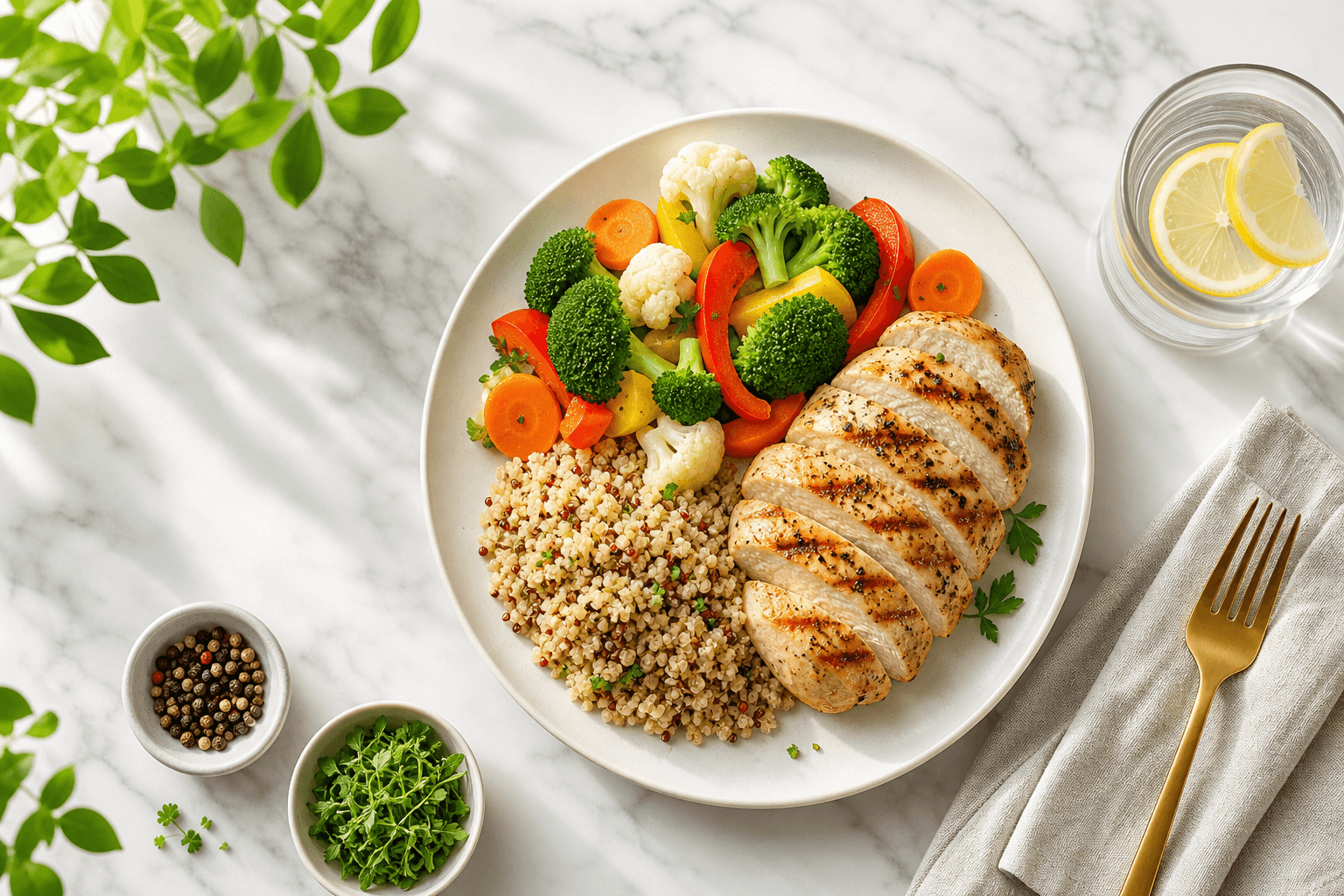
  • Grilled chicken breast with roasted vegetables and quinoa
  • Baked salmon with steamed broccoli and brown rice
  • Turkey and vegetable soup with whole grain bread
  • Tofu stir-fry with mixed vegetables
  • Lentil soup with a side salad

Snack Ideas:

  • Hard-boiled eggs
  • String cheese with a few whole grain crackers
  • Apple slices with a small amount of nut butter
  • Hummus with cucumber or bell pepper slices

Long-Term Considerations and Working with a Dietitian

GLP-1 medications can be powerful tools for weight management, but they work best as part of a comprehensive approach that includes nutrition, physical activity, and behavioral support.

Muscle loss is a real concern during any weight loss journey. Combining adequate protein intake with resistance training helps preserve lean muscle mass. Consider working with a fitness professional to develop an appropriate exercise routine.

Real Dietitians, Real Results

Download on the App StoreGet it on Google Play

Nutritional deficiencies can develop over time if your reduced food intake isn't providing enough vitamins and minerals. Your healthcare provider may recommend periodic blood work to monitor your nutrient levels.

A registered dietitian can help you create a personalized eating plan that accounts for your food preferences, health conditions, medication regimen, and lifestyle. They can also help you navigate challenges and adjust your approach as your needs change.

Getting Personalized Support for Your Journey

Everyone's body responds differently to GLP-1 medications, and what works for one person may not work for another. A registered dietitian can provide individualized guidance tailored to your specific needs, preferences, and health goals.

Real Dietitians, Real Results

Download on the App StoreGet it on Google Play

If you're looking for professional nutrition support, Nutrista connects you with qualified registered dietitians who understand the unique challenges of managing weight with GLP-1 medications. Unlike generic calorie-tracking apps that only offer automated recommendations, Nutrista provides access to real, vetted dietitians supported by AI technology. This means you get the best of both worlds: personalized human expertise enhanced by modern tools.

Your dietitian can help you develop meal plans, troubleshoot side effects, and ensure you're getting the nutrition you need throughout your treatment. They can also coordinate with your healthcare team to provide comprehensive support.

Always consult with your healthcare provider or a registered dietitian before making significant changes to your diet, especially when taking prescription medications. They can help you create a safe, effective nutrition plan that supports both your weight management goals and your overall health.

Real Dietitians, Real Results

Download on the App StoreGet it on Google Play
#GLP-1 diet#Ozempic nutrition#Wegovy meal planning

Others Viewed