



The Sticky Note Nightmare: Why 90% of Dietitians Fail in January 😱
Is your January client rush a total disaster? Stop drowning in sticky notes and messy Excel sheets. See how Nutrista AI saves your sanity and scales your business in 2026. 🚀

If you've recently started taking Ozempic, Wegovy, or another GLP-1 medication, you may have found yourself with more questions than answers about what to eat. Perhaps your doctor handed you a prescription and said, "just eat smaller portions," leaving you to figure out the rest on your own. You're not alone in feeling uncertain about navigating meals while on these medications.
Starting a GLP-1 receptor agonist is a significant step in your health journey, whether you're managing type 2 diabetes or working toward weight loss goals. The good news is that understanding what to eat while on these medications can make a meaningful difference in how you feel and the results you achieve. This guide will walk you through the nutrition essentials so you can feel confident about your food choices.
GLP-1 receptor agonists like Ozempic (semaglutide), Wegovy, Trulicity, and Saxenda work by mimicking a hormone your body naturally produces. This hormone helps regulate blood sugar, slows digestion, and signals fullness to your brain. These medications can be incredibly effective for blood sugar control and weight management, but they also change how your body responds to food.
What you eat matters more than ever when taking GLP-1 medications. Because your appetite is reduced and your digestion is slower, every bite counts toward meeting your nutritional needs. Without intentional eating, you risk losing muscle mass along with fat, experiencing uncomfortable side effects, or not getting the nutrients your body needs to thrive.
This isn't about following a strict diet or feeling deprived. It's about nourishing your body well while working with the medication, not against it.
Understanding what's happening in your body can help you make sense of the changes you're experiencing. GLP-1 medications slow gastric emptying, which means food stays in your stomach longer before moving into your intestines. This contributes to feelings of fullness and reduced appetite, but it can also lead to nausea, especially if you eat too much at once.
Eating smaller, more frequent meals is one of the most helpful strategies for managing these effects. Instead of three large meals, try five or six smaller meals or snacks throughout the day. This approach helps prevent that overly full, uncomfortable sensation and can reduce nausea.

You may also notice that your taste preferences change or that foods you once enjoyed no longer appeal to you. This is normal and often temporary. The key is remaining flexible and listening to your body's cues while ensuring you're getting adequate nutrition.
When you're losing weight on GLP-1 medications, preserving muscle mass is essential. Muscle tissue keeps your metabolism functioning well, supports strength and mobility, and helps ensure that the weight you lose comes primarily from fat, not muscle. Adequate protein intake is the cornerstone of muscle preservation.
Many people on GLP-1 medications unintentionally eat too little protein because their overall appetite is reduced. Making protein a priority at every meal helps ensure you're getting enough.
While individual needs vary based on factors like age, activity level, and health goals, a general target is 1.2 to 1.5 grams of protein per kilogram of body weight per day. For a 180-pound person, this translates to roughly 98 to 122 grams of protein daily. Your healthcare provider or a registered dietitian can help you determine the right amount for your specific situation.
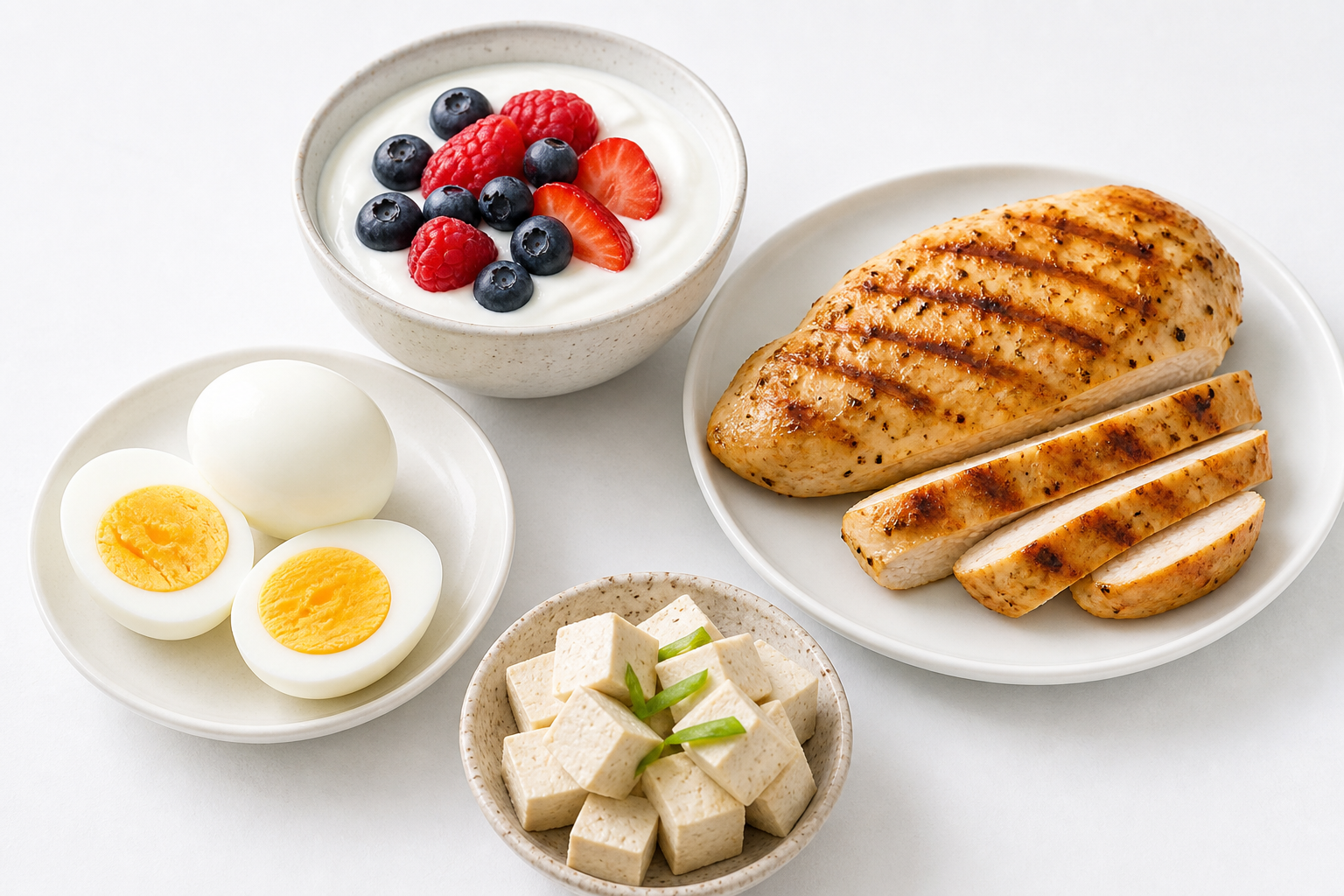
Focus on lean, easily digestible protein sources that won't worsen any digestive discomfort:

Try to include a protein source every time you eat, even if it's just a small snack. This steady intake helps maintain muscle mass and keeps you feeling satisfied.
Nausea, constipation, and other digestive issues are among the most common side effects of GLP-1 medications. The right food choices can make a significant difference in how you feel.
When nausea strikes, the last thing you may want to do is eat. However, having small amounts of the right foods can actually help settle your stomach:
Avoid high-fat, fried, or greasy foods when you're feeling nauseous, as these can make symptoms worse. Eat slowly, take small bites, and stop eating before you feel full.
Constipation is a common side effect because GLP-1 medications slow digestion. Staying ahead of this issue is easier than treating it once it becomes problematic:
When your appetite decreases, you may also find yourself drinking less, especially if you're experiencing nausea. Adequate hydration is crucial while on GLP-1 medications for several reasons: it helps prevent constipation, supports fat metabolism, maintains energy levels, and can help reduce feelings of nausea.
Aim for at least 64 ounces of fluid daily, though individual needs vary. Water is ideal, but other fluids count toward your total intake:
Try sipping fluids between meals rather than with meals to avoid feeling overly full. Carrying a water bottle with you serves as a helpful reminder to drink throughout the day.
No foods are strictly forbidden, but some are more likely to cause problems. Understanding which foods may worsen side effects helps you make informed choices.
Fatty foods take longer to digest and can worsen nausea, especially when your stomach is already emptying slowly. Foods to limit include:
While you don't need to eliminate all treats, high-sugar foods can cause blood sugar spikes and crashes, and they provide little nutritional value. Consider limiting:
Alcohol can worsen nausea and may affect blood sugar unpredictably. It also provides calories without nutrition, which is particularly problematic when your appetite is reduced. If you choose to drink, do so in moderation and never on an empty stomach.
Perhaps the most important thing to avoid is eating too much at once. Even healthy foods can cause discomfort if you overeat. Stop eating at the first sign of fullness, even if there's food left on your plate.

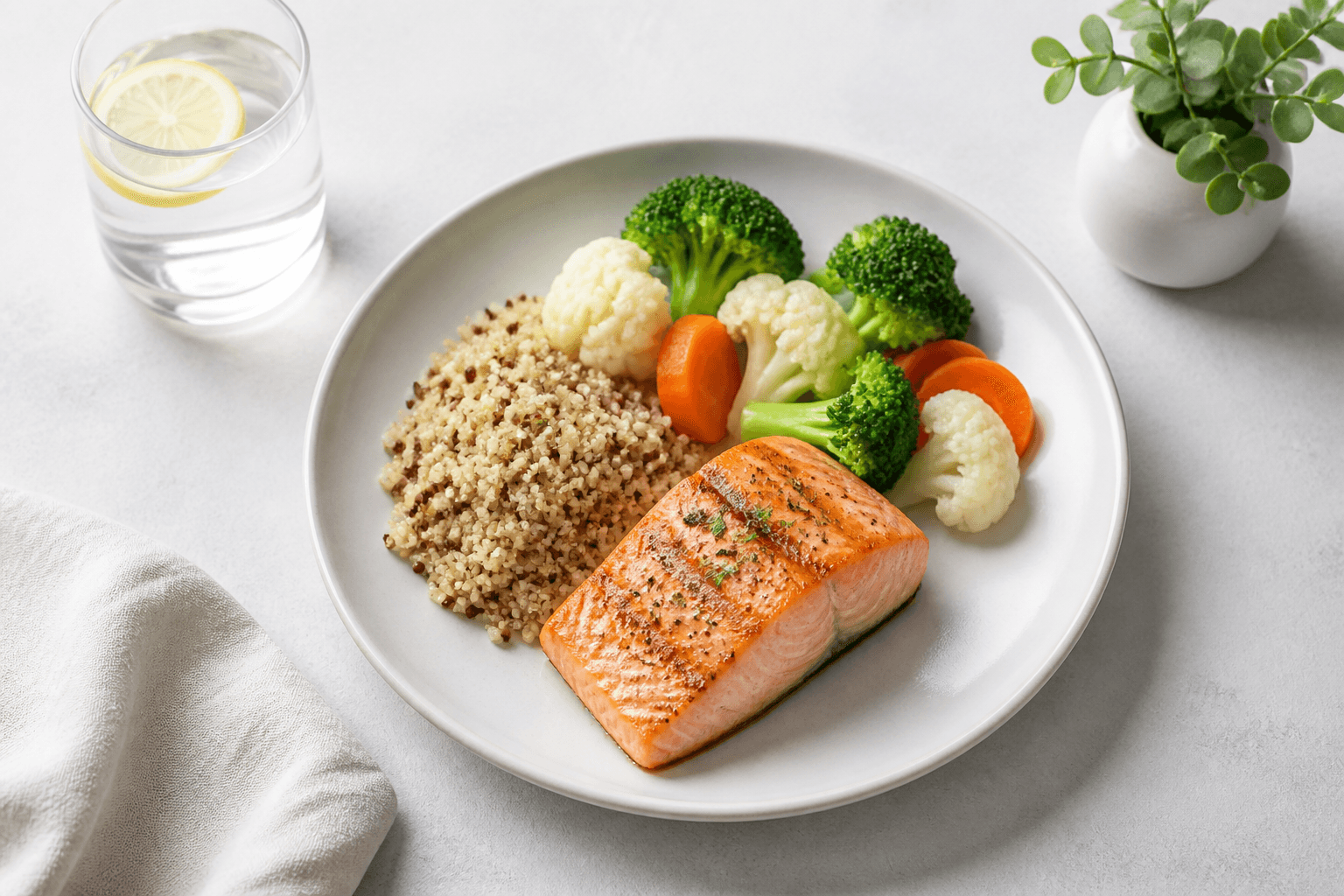
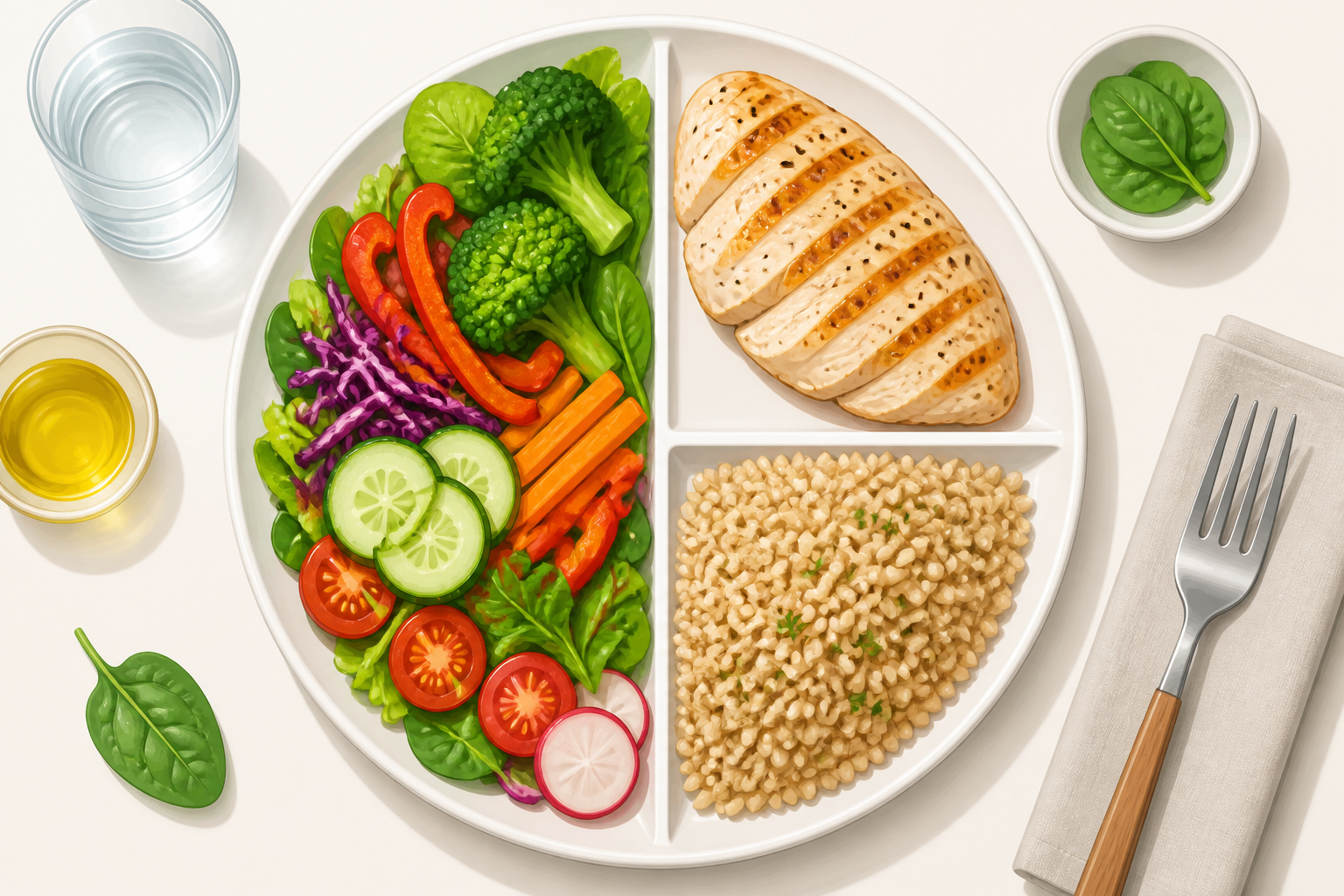
These gentle, protein-rich meals work well for smaller appetitions and sensitive digestion:
Because you're eating less overall, there's a risk of not getting adequate amounts of certain nutrients over time. While this isn't a reason to avoid these medications, it's worth discussing with your healthcare provider:
A high-quality multivitamin may help fill nutritional gaps, but talk to your healthcare provider or a registered dietitian about whether supplements are appropriate for you.
While some adjustment symptoms are normal, certain situations warrant a conversation with your healthcare provider:
A registered dietitian can help you create a personalized eating plan that works with your medication, addresses any nutritional deficiencies, and supports your health goals. They can also help you navigate challenges as they arise and adjust your approach over time.
Taking a GLP-1 medication is a tool, not a magic solution. What you eat still matters for your health, your comfort, and your results. By prioritizing protein, staying hydrated, eating smaller meals, and avoiding foods that worsen side effects, you can support your body through this process and set yourself up for lasting success.
Remember that everyone's experience with these medications is different. What works well for one person may not work for another, and your needs may change over time. Be patient with yourself as you learn what feels best for your body.
If you're looking for personalized guidance, Nutrista connects you with qualified, registered dietitians who understand GLP-1 medications and can create a customized nutrition plan tailored to your specific needs. Unlike generic calorie-tracking apps that offer only automated suggestions, Nutrista provides access to real dietitians who use modern technology to deliver personalized, evidence-based support. Your journey is unique, and having professional guidance can make all the difference in achieving sustainable results.
This article is for informational purposes only and does not constitute medical advice. Always consult with your healthcare provider or a registered dietitian before making significant changes to your diet, especially while taking prescription medications.

Is your January client rush a total disaster? Stop drowning in sticky notes and messy Excel sheets. See how Nutrista AI saves your sanity and scales your business in 2026. 🚀

Stop lying to yourself. Your New Year resolution is already on life support. 😱 Discover why your tracking apps are failing you and how Nutrista AI is the only way to save your 2026 goals! 🔥

Stop being scammed by Instagram 'coaches' and outdated PDFs. Discover why your diet keeps failing and how Nutrista AI is the secret weapon you've been missing. 😱💸
Professional nutritionists ready to help you