





weight loss plateau

Weight Loss Plateaus: Why You Stopped Losing Weight and How to Break Through

Nutrista Team
Share
Weight Loss Plateaus: Why You Stopped Losing Weight and How to Break Through

Weight Loss Plateaus: Why You Stopped Losing Weight and How to Break Through

You have been doing everything right. You are tracking your meals, moving your body regularly, and staying consistent with your plan. The scale moved steadily downward for weeks or even months. Then, suddenly, it stopped.

If this sounds familiar, please know that you are not alone. Weight loss plateaus are one of the most common and frustrating experiences people face on their health journey. They can feel discouraging, especially when you are managing a chronic condition like diabetes, thyroid issues, or metabolic challenges.

Here is the truth: a plateau does not mean you have failed. It means your body is adapting. Understanding why this happens can help you respond with the right strategies instead of giving up.

Real Dietitians, Real Results

Download on the App StoreGet it on Google Play

What Is a Weight Loss Plateau?

A weight loss plateau is typically defined as three or more weeks without a change in body weight despite consistently following your nutrition and exercise plan. Some experts define it more specifically as a period where weight loss slows to less than 0.5 pounds per week for at least three consecutive weeks.

This experience is incredibly common. Research suggests that most people encounter at least one plateau during a weight loss journey, and many experience multiple plateaus over time.

For women over 40, particularly those navigating perimenopause or menopause, plateaus can feel even more persistent. Hormonal shifts, changes in muscle mass, and altered metabolic rates all play a role. When you add a chronic condition like hypothyroidism or insulin resistance to the equation, the path becomes more complex.

Real Dietitians, Real Results

Download on the App StoreGet it on Google Play

But here is an important reminder: plateaus are a normal part of the weight loss process. They are not a sign that you are doing something wrong. They are a sign that your body is responding to change.

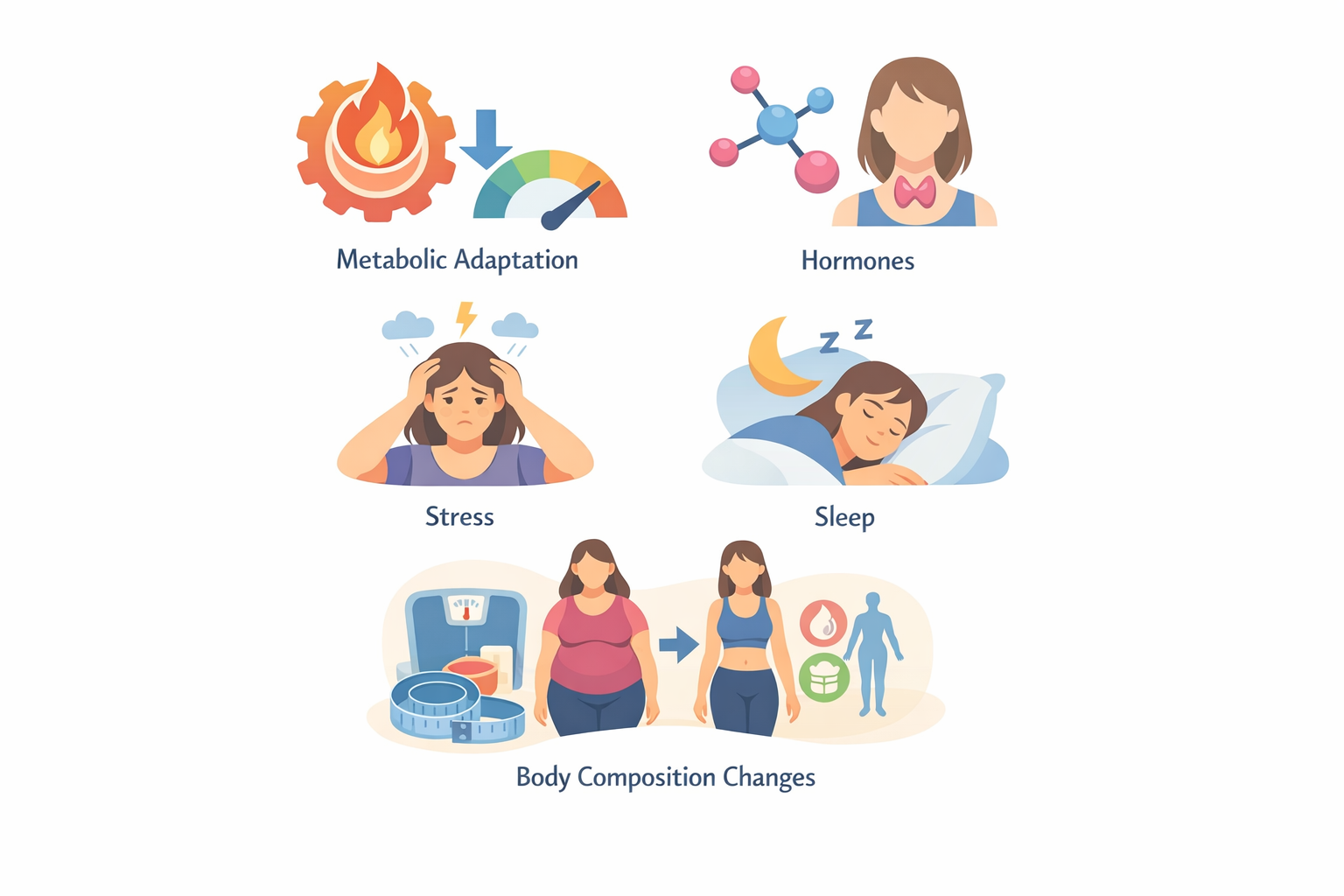
Infographic showing factors that contribute to weight loss plateaus including metabolic adaptation, hormones, stress, sleep, and body composition changes

Why Weight Loss Plateaus Happen

Metabolic Adaptation

When you lose weight, your body requires fewer calories to function. A smaller body has less mass to support, which means your basal metabolic rate naturally decreases. This phenomenon, called metabolic adaptation, is a biological survival mechanism.

Real Dietitians, Real Results

Download on the App StoreGet it on Google Play

Your body does not know you are intentionally trying to lose weight. It senses an energy deficit and works to conserve resources. Research shows that metabolic adaptation can reduce daily calorie burn by 15-25% during active weight loss.

Body Composition Changes

As you lose weight, you may lose both fat and muscle. Muscle tissue is metabolically active, meaning it burns calories even at rest. When muscle mass decreases, your metabolism slows. This is especially relevant for women over 40, who naturally experience a gradual decline in muscle mass with age.

Water Retention and Fluctuations

Weight is not just fat. Water weight can fluctuate by several pounds daily due to sodium intake, carbohydrate consumption, hormonal cycles, stress, and even weather. Sometimes the scale does not move because water retention masks fat loss.

Real Dietitians, Real Results

Download on the App StoreGet it on Google Play

Hormonal Factors

For women approaching or experiencing menopause, hormonal changes significantly impact weight management. Declining estrogen levels can shift fat distribution, reduce metabolic rate, and affect how the body processes carbohydrates. These shifts can make plateaus more stubborn.

Stress and Cortisol

Chronic stress triggers the release of cortisol, a hormone that can increase appetite, promote fat storage (particularly around the midsection), and affect blood sugar regulation. If you are under ongoing stress, your body may resist weight loss as a protective response.

Sleep Quality

Poor sleep disrupts hunger hormones, increasing ghrelin (which signals hunger) and decreasing leptin (which signals fullness). Even one night of inadequate sleep can affect your food choices and energy expenditure the following day.

Real Dietitians, Real Results

Download on the App StoreGet it on Google Play

Chronic Conditions That Affect Weight Loss

Certain health conditions can make plateaus more challenging:

  • Hypothyroidism: An underactive thyroid slows metabolism significantly.
  • Insulin resistance and Type 2 diabetes: These conditions affect how your body processes and stores carbohydrates.
  • Polycystic ovary syndrome (PCOS): Hormonal imbalances can make weight loss more difficult.
  • Chronic inflammation: Ongoing inflammation can interfere with metabolic function.

If you have a diagnosed condition, working with a healthcare provider or registered dietitian is essential for personalized guidance.

Common Mistakes That Prolong Weight Loss Plateaus

Sometimes well-intentioned habits can work against you. Here are common pitfalls that may extend a plateau:

Real Dietitians, Real Results

Download on the App StoreGet it on Google Play

Underestimating Calorie Intake

Studies consistently show that people underestimate their calorie intake by 30-50% on average. This does not mean you are being dishonest with yourself. It is simply easy to forget a handful of nuts here or a splash of creamer there. Small, untracked portions add up throughout the day.

Overestimating Calorie Burn

Fitness trackers and exercise machines often overestimate calories burned by a significant margin. A treadmill might say you burned 400 calories when the actual number is closer to 250. Relying too heavily on these numbers can create a false sense of how much you can eat.

Portion Creep

Over time, portion sizes tend to gradually increase. The "tablespoon" of peanut butter becomes a heaping spoonful. The restaurant portion that used to provide two meals now gets finished in one sitting. This subtle shift can erase the calorie deficit needed for weight loss.

Real Dietitians, Real Results

Download on the App StoreGet it on Google Play

Decreased Non-Exercise Movement

When you eat less, your body naturally conserves energy by reducing spontaneous movement. You might fidget less, take fewer steps, or move more slowly without realizing it. This decrease in non-exercise activity thermogenesis (NEAT) can significantly reduce daily calorie burn.

Inadequate Protein Intake

Protein supports muscle preservation, increases satiety, and has a higher thermic effect than carbohydrates or fats (meaning your body burns more calories digesting it). Not getting enough protein can lead to greater muscle loss and increased hunger.

Overly Restrictive Approaches

Severely cutting calories or eliminating entire food groups can backfire. Extreme restriction often leads to increased cravings, binge eating, and a greater likelihood of giving up entirely. It can also worsen metabolic adaptation as your body fights to preserve energy.

Real Dietitians, Real Results

Download on the App StoreGet it on Google Play

Evidence-Based Strategies to Break Through a Plateau

Recalculate Your Calorie Needs

If you have lost 10, 20, or 30 pounds, your body now requires fewer calories than it did when you started. Recalculating your daily energy needs for your current weight can help you determine if adjustments are needed.

A registered dietitian can help you find the right balance without going too low, which is especially important if you have a chronic condition.

Increase Protein Intake

Aim for 1.2 to 1.6 grams of protein per kilogram of body weight daily (or approximately 0.5 to 0.7 grams per pound). For a 160-pound woman, this translates to roughly 80-112 grams of protein per day. Spread this intake throughout the day to support muscle maintenance and satiety.

Real Dietitians, Real Results

Download on the App StoreGet it on Google Play

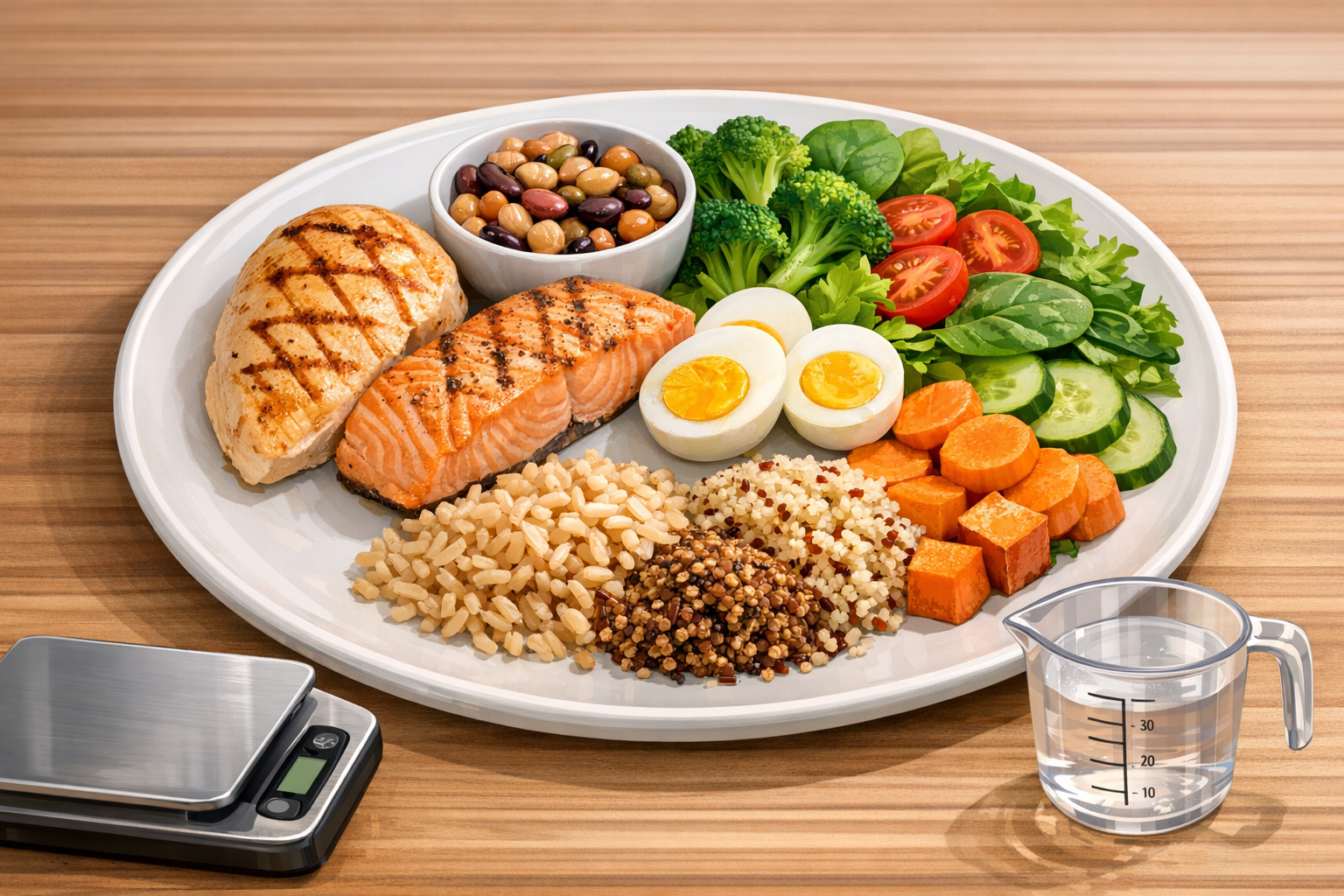
Good protein sources include:

  • Lean poultry and fish
  • Eggs and Greek yogurt
  • Legumes and lentils
  • Tofu and tempeh
  • Small amounts of nuts and seeds

Balanced meal plate showing protein-rich foods, vegetables, and complex carbohydrates with portion awareness

Incorporate Resistance Training

Strength training is one of the most effective ways to preserve and build muscle mass during weight loss. More muscle means a higher resting metabolic rate. Aim for 2-3 resistance training sessions per week, focusing on major muscle groups.

Real Dietitians, Real Results

Download on the App StoreGet it on Google Play

You do not need heavy weights or a gym membership. Bodyweight exercises, resistance bands, and light dumbbells at home can be highly effective.

Woman performing various physical activities including walking, resistance training, and stretching

Vary Your Exercise Intensity

If you always do the same workout at the same intensity, your body becomes more efficient at it, burning fewer calories over time. Incorporating interval training, varying your routine, and occasionally increasing intensity can help challenge your body in new ways.

Real Dietitians, Real Results

Download on the App StoreGet it on Google Play

Prioritize Sleep Hygiene

Aim for 7-9 hours of quality sleep per night. Create a consistent sleep schedule, limit screen time before bed, and keep your bedroom cool and dark. Better sleep supports healthy hunger hormones and gives your body the recovery time it needs.

Manage Stress Proactively

Find stress-reduction techniques that work for you. This might include gentle yoga, meditation, deep breathing exercises, journaling, or simply taking a daily walk without your phone. Lowering chronic stress can help normalize cortisol levels and support weight management.

Track Your Food Intake Honestly

Consider tracking your food intake for a few days, being meticulous about portions and everything you consume. This awareness exercise can reveal hidden calories and patterns you might not have noticed.

Real Dietitians, Real Results

Download on the App StoreGet it on Google Play

Consider Refeed Days or Diet Breaks

Some research suggests that periodic increases in calorie intake (called refeed days) or short breaks from calorie restriction may help reduce metabolic adaptation. However, this approach should be personalized and is best done under the guidance of a registered dietitian, especially if you have diabetes or other metabolic conditions.

When to Seek Professional Help

Sometimes a plateau persists despite your best efforts. Consider reaching out to a healthcare professional if:

  • Your plateau has lasted more than 6-8 weeks despite consistent effort
  • You are experiencing other symptoms like fatigue, hair loss, or mood changes
  • You suspect your medications may be affecting your weight
  • You have an underlying condition like thyroid disease or insulin resistance
  • You feel overwhelmed or unsure how to adjust your approach safely

Working with a registered dietitian provides personalized guidance tailored to your specific health needs. They can help you navigate the complexities of weight management with chronic conditions, adjust your nutrition plan appropriately, and ensure you are supporting your overall health, not just the number on the scale.

Real Dietitians, Real Results

Download on the App StoreGet it on Google Play

Platforms like Nutrista connect you with qualified, registered dietitians who understand the unique challenges of weight management with chronic health conditions. Unlike generic calorie-tracking apps that offer only AI-generated advice, Nutrista provides access to real professionals who can give you personalized, evidence-based support.

Mindset Shifts for Long-Term Success

Reframe the Plateau

Instead of viewing a plateau as a failure, try seeing it as a sign that your body is adjusting to a new normal. This perspective shift can reduce frustration and help you stay motivated.

Focus on Non-Scale Victories

Weight is just one measure of progress. Pay attention to other indicators of health:

Real Dietitians, Real Results

Download on the App StoreGet it on Google Play
  • How your clothes fit
  • Your energy levels throughout the day
  • Improvements in strength or endurance
  • Better sleep quality
  • Improved blood sugar or cholesterol numbers
  • Reduced joint pain or improved mobility

Understand That Weight Loss Is Not Linear

Sustainable weight loss rarely follows a straight line. There will be weeks when the scale moves, weeks when it stays the same, and possibly weeks when it ticks up slightly due to water retention or other factors. This variability is completely normal.

Moving Forward with Patience and Support

Weight loss plateaus are frustrating, but they are also manageable. By understanding the science behind why they happen and implementing evidence-based strategies, you can break through and continue making progress.

Remember that weight management with chronic conditions requires an individualized approach. What works for someone else may not be right for you, and that is okay. Consult with your healthcare provider before making significant changes to your nutrition or exercise plan, especially if you are managing a health condition or taking medications.

Real Dietitians, Real Results

Download on the App StoreGet it on Google Play

If you are looking for personalized support, consider working with a registered dietitian through Nutrista. Their platform empowers real, qualified dietitians with modern technology, giving you access to expert guidance tailored to your unique needs. Unlike apps that rely solely on algorithms, Nutrista connects you with a community of international, registered, vetted dietitians who provide the human expertise that makes lasting change possible.

Your health journey is not defined by a plateau. With the right strategies and support, you can move forward with confidence.

Real Dietitians, Real Results

Download on the App StoreGet it on Google Play
#weight loss plateau#metabolic adaptation#sustainable weight loss

Others Viewed