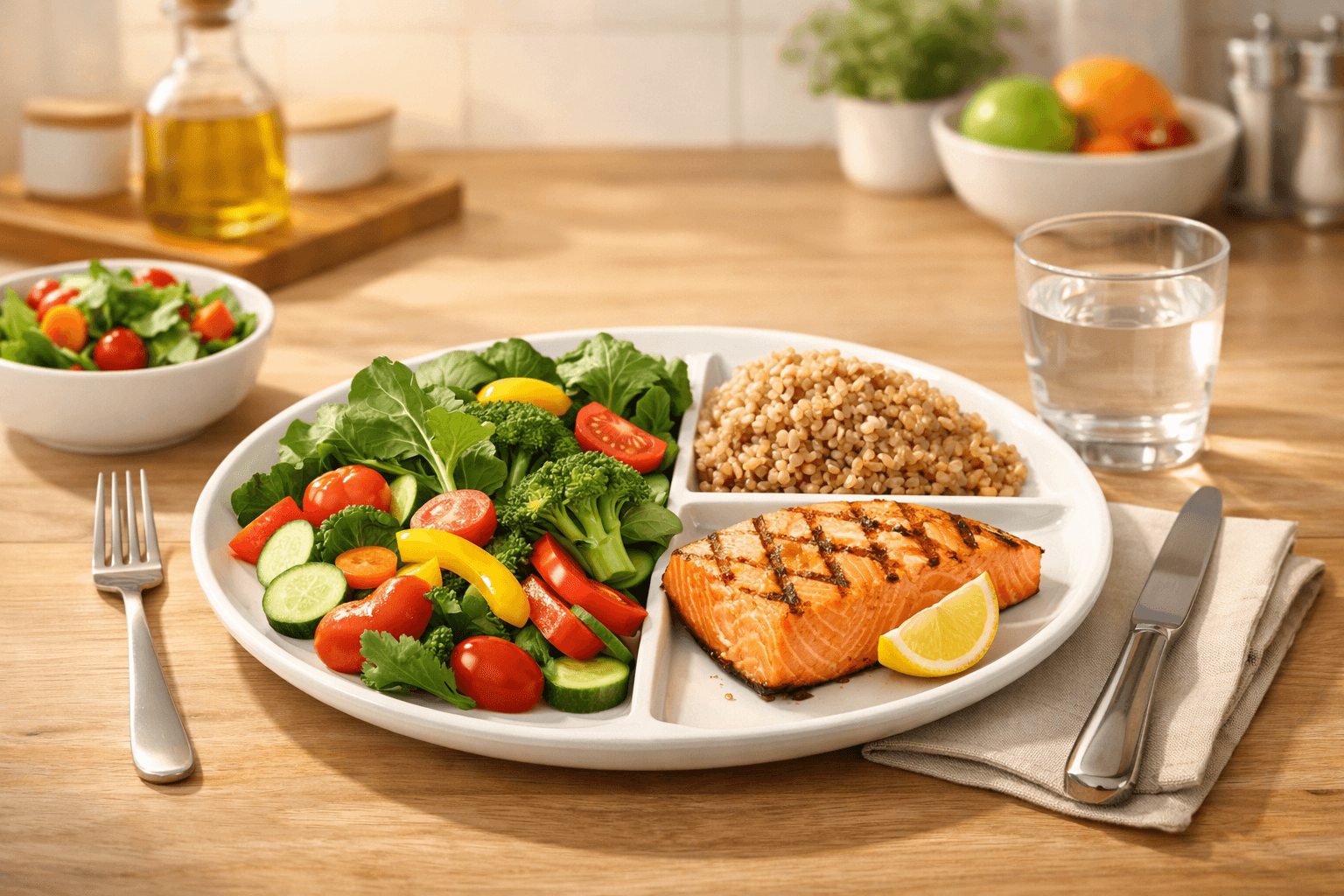
type 2 diabetes

Type 2 Diabetes Meal Planning: A Complete Guide to Balanced Eating

Nutrista Team
Share
Type 2 Diabetes Meal Planning: A Complete Guide to Balanced Eating

Type 2 Diabetes Meal Planning: A Complete Guide to Balanced Eating

Introduction: Taking Control of Your Plate

Receiving a type 2 diabetes diagnosis can feel overwhelming. Suddenly, it seems like every food decision carries weight, and you may find yourself wondering what you can possibly eat without sending your blood sugar on a rollercoaster. If you have felt confused or frustrated by conflicting nutrition advice, you are not alone.

The good news is that meal planning can transform diabetes management from stressful to manageable. Having a thoughtful approach to eating does not mean deprivation or complicated rules. It means understanding how to nourish your body in a way that keeps your blood sugar stable and supports your overall wellbeing.

This guide will walk you through practical, evidence-based strategies for building balanced meals, understanding how food affects your blood sugar, and creating a sustainable eating pattern that fits your life.

Real Dietitians, Real Results

Download on the App StoreGet it on Google Play

How Food Affects Blood Sugar: Understanding the Basics

To make confident food choices, it helps to understand how the three major nutrients in food affect your blood glucose levels.

Carbohydrates

Carbohydrates have the most direct impact on blood sugar. When you eat carbohydrates, your body breaks them down into glucose, which enters your bloodstream. This is why being mindful of carbohydrate intake is a cornerstone of diabetes management.

Carbohydrates are found in grains, starchy vegetables, fruits, dairy products, and sweets. Not all carbohydrates are created equal, though. Complex carbohydrates, such as whole grains and vegetables, are digested more slowly and cause a gentler rise in blood sugar compared to refined carbohydrates like white bread or sugary snacks.

Protein

Protein has a minimal effect on blood sugar levels. It helps you feel full and satisfied, which can prevent overeating. Including protein at every meal also slows down the absorption of carbohydrates, leading to more stable blood sugar throughout the day.

Good sources of protein include chicken, fish, eggs, tofu, legumes, and Greek yogurt.

Real Dietitians, Real Results

Download on the App StoreGet it on Google Play

Fats

Healthy fats have little to no direct impact on blood sugar. Like protein, they help slow digestion and can keep you feeling satisfied for longer. However, fats are calorie-dense, so portion awareness matters, especially if weight management is one of your goals.

Focus on sources like olive oil, avocados, nuts, seeds, and fatty fish such as salmon.

The Diabetes Plate Method: A Simple Visual Approach

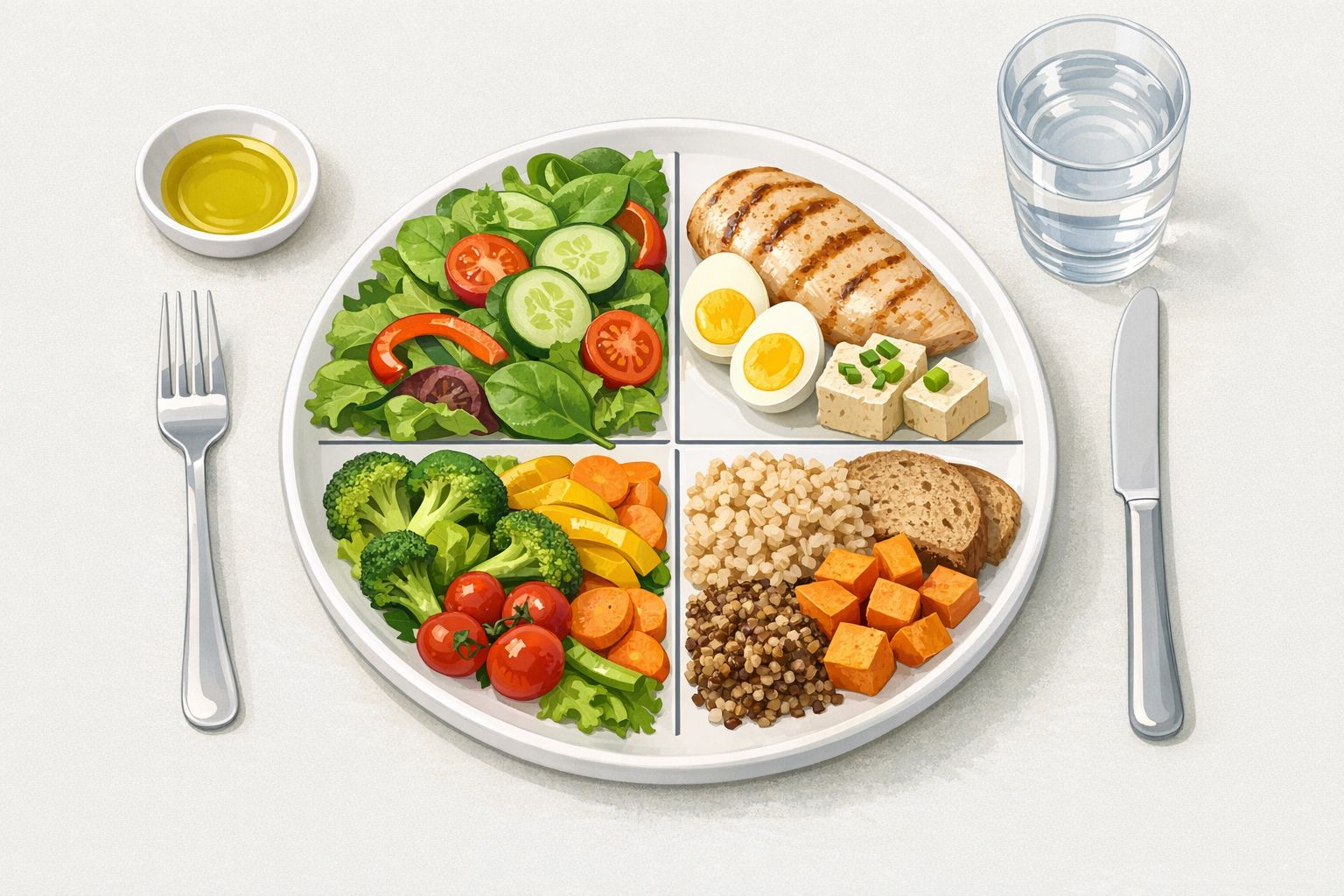
One of the easiest ways to plan balanced meals is the plate method. This visual approach requires no counting or measuring and can be used whether you are dining at home or at a restaurant.

A simple, clear infographic-style illustration showing the diabetes plate method: a dinner plate divided into three sections with vegetables taking up half the plate, protein one quarter, and complex carbohydrates one quarter. Clean, professional medical illustration style with muted, appetizing colors.

Real Dietitians, Real Results

Download on the App StoreGet it on Google Play

How to Build Your Plate

Half your plate: Non-starchy vegetables. These are low in carbohydrates and calories but rich in fiber, vitamins, and minerals. Examples include:

  • Leafy greens (spinach, kale, lettuce)
  • Broccoli, cauliflower, and Brussels sprouts
  • Bell peppers, cucumeters, and tomatoes
  • Green beans, asparagus, and zucchini

One quarter of your plate: Lean protein. This helps with satiety and blood sugar stability. Good options include:

  • Skinless chicken or turkey
  • Fish, especially fatty fish like salmon or mackerel
  • Lean cuts of beef or pork
  • Eggs or egg whites
  • Tofu, tempeh, or edamame
  • Beans and lentils (count these as both protein and carbohydrates)

One quarter of your plate: Complex carbohydrates. Choose nutrient-dense options that digest slowly:

  • Brown rice, quinoa, or barley
  • Sweet potatoes or yams
  • Whole grain pasta or bread
  • Corn, peas, or winter squash
  • Beans and legumes

Carbohydrate Counting Basics: Getting Started Without Overwhelm

Carbohydrate counting, or carb counting, is a flexible approach that helps many people with type 2 diabetes manage their blood sugar. The idea is straightforward: you track the grams of carbohydrates in your meals to better predict how they will affect your blood glucose.

You do not need to count every single gram perfectly to see benefits. Many healthcare providers recommend starting with a general framework, such as aiming for 45-60 grams of carbohydrates per meal for women. Your ideal range may vary based on your medications, activity level, and personal health goals.

Simple Steps to Start Carb Counting

  1. Read nutrition labels. Check the "Total Carbohydrate" line, which tells you how many grams are in one serving.

  2. Learn standard portion sizes. One slice of bread, one-third cup of cooked rice or pasta, or one small piece of fruit each contain about 15 grams of carbohydrates.

  3. Use measuring tools initially. Measuring cups and a food scale can help you learn what standard portions look like.

  4. Track for awareness, not perfection. Even a few days of tracking can reveal patterns and help you make informed adjustments.

Timing and Consistency: Why When You Eat Matters

What you eat is important, but when you eat also plays a role in blood sugar management. Eating at regular intervals throughout the day helps maintain stable blood glucose levels.

Real Dietitians, Real Results

Download on the App StoreGet it on Google Play

Going long periods without eating can cause blood sugar to drop too low, especially if you take certain diabetes medications. Conversely, skipping meals and then overeating later can lead to blood sugar spikes.

Practical Tips for Consistent Meal Timing

  • Aim to eat every 4-5 hours while awake
  • Try to eat meals at similar times each day when possible
  • Keep healthy snacks available for busy days when meals get delayed
  • Consider a small snack before bed if you experience nighttime low blood sugar

A Sample Day of Diabetes-Friendly Eating

If you have ever wondered what a full day of balanced eating looks like for someone with type 2 diabetes, here is a practical example.

Breakfast

  • Vegetable omelet made with 2 eggs, spinach, bell peppers, and onions
  • One slice of whole grain toast with a thin layer of avocado
  • Small piece of fruit, such as half a banana or a small apple

Lunch

  • Grilled chicken salad with mixed greens, cherry tomatoes, cucumber, and olive oil vinaigrette
  • Quarter cup of quinoa or brown rice on the side
  • A handful of unsalted almonds

Afternoon Snack

  • Greek yogurt (plain, unsweetened) with a few berries
  • One or two whole grain crackers

Dinner

  • Baked salmon with lemon and herbs
  • Half a plate of roasted non-starchy vegetables (broccoli, zucchini, bell peppers)
  • Half a medium sweet potato

Evening Snack (optional)

  • Small handful of walnuts or pumpkin seeds
  • Carrot sticks with hummus

Foods to Emphasize for Stable Blood Sugar

Building a diabetes-friendly kitchen starts with stocking foods that support your health goals. Focus on adding nourishing foods rather than fixating only on what to avoid.

Real Dietitians, Real Results

Download on the App StoreGet it on Google Play

Vegetables

  • Leafy greens: Spinach, kale, Swiss chard, romaine lettuce
  • Cruciferous vegetables: Broccoli, cauliflower, cabbage, Brussels sprouts
  • Colorful options: Bell peppers, tomatoes, carrots, beets

Lean Proteins

  • Poultry: Skinless chicken and turkey
  • Fish: Salmon, tuna, mackerel, sardines, cod
  • Plant-based options: Tofu, tempeh, lentils, chickpeas

Whole Grains

  • Ancient grains: Quinoa, farro, barley, bulgur
  • Whole wheat: Pasta, bread, crackers
  • Oats: Steel-cut or rolled oats (not instant packets with added sugar)

Healthy Fats

  • Oils: Extra virgin olive oil, avocado oil
  • Nuts and seeds: Almonds, walnuts, chia seeds, flaxseeds, pumpkin seeds
  • Other sources: Avocados, olives

Dairy and Alternatives

  • Plain Greek yogurt (higher in protein than regular yogurt)
  • Cottage cheese
  • Unsweetened almond, soy, or oat milk

Foods to Limit or Moderate

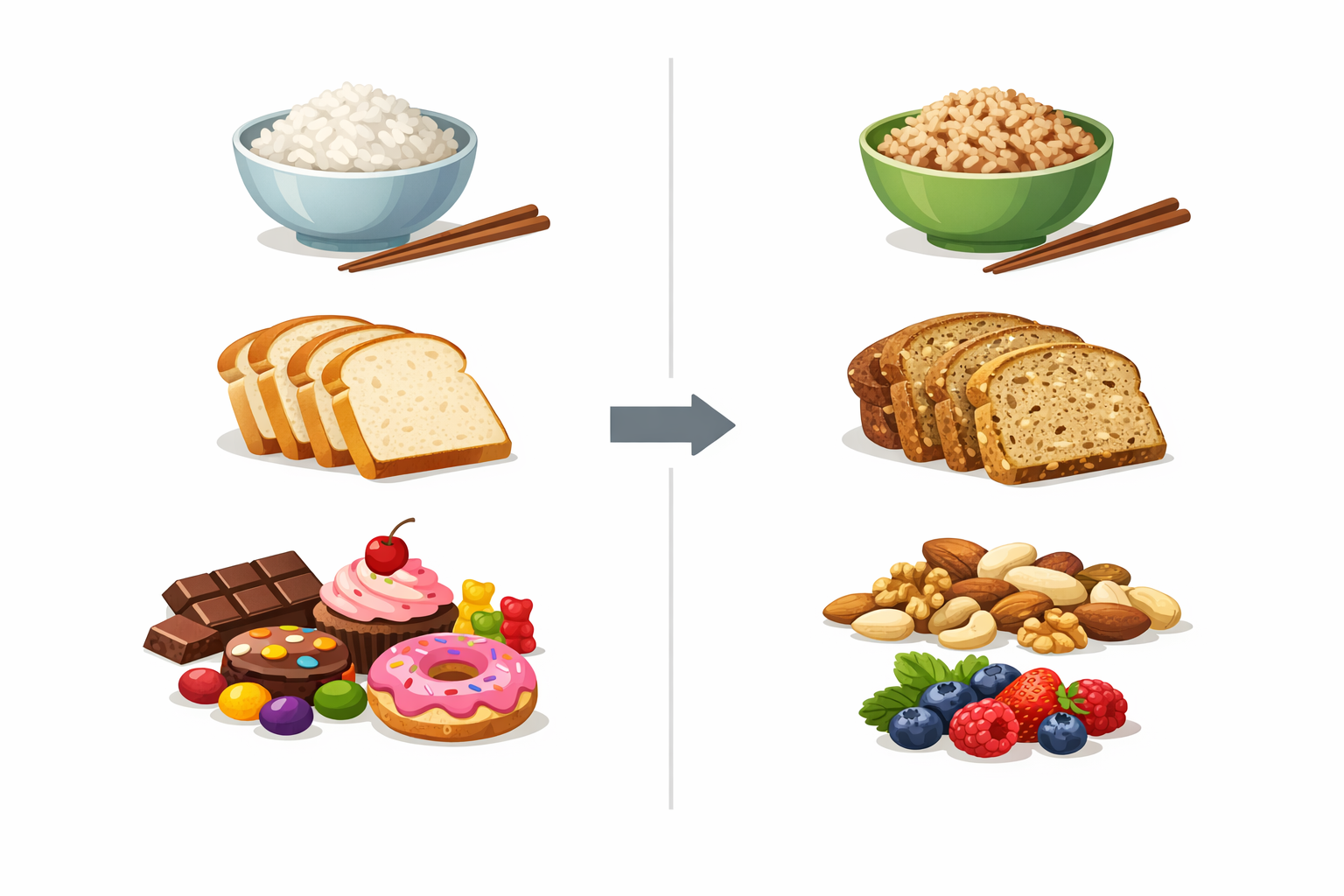
Some foods can cause rapid blood sugar spikes and are best enjoyed in smaller portions or less frequently. This does not mean these foods are forbidden, but rather that mindfulness matters.

A helpful comparison illustration showing common high-glycemic foods on one side and healthier low-glycemic alternatives on the other side, such as white rice versus brown rice, white bread versus whole grain bread, and sugary snacks versus nuts and berries. Clean, educational style with a supportive, non-judgmental visual tone.

Foods That Can Spike Blood Sugar

  • Sugar-sweetened beverages: Sodas, sweetened teas, energy drinks, fruit juices
  • Refined grains: White bread, white rice, regular pasta, crackers
  • Sweets and desserts: Cakes, cookies, candy, ice cream
  • Processed snack foods: Chips, pretzels, crackers
  • Sweetened breakfast foods: Sugary cereals, pastries, flavored instant oatmeal

Healthier Swaps to Try

  • Instead of white rice, try cauliflower rice or brown rice
  • Instead of fruit juice, try whole fruit with the fiber intact
  • Instead of sugary cereal, try plain oatmeal with berries and nuts
  • Instead of soda, try sparkling water with a splash of lemon or lime

Practical Meal Prep Tips for Busy Days

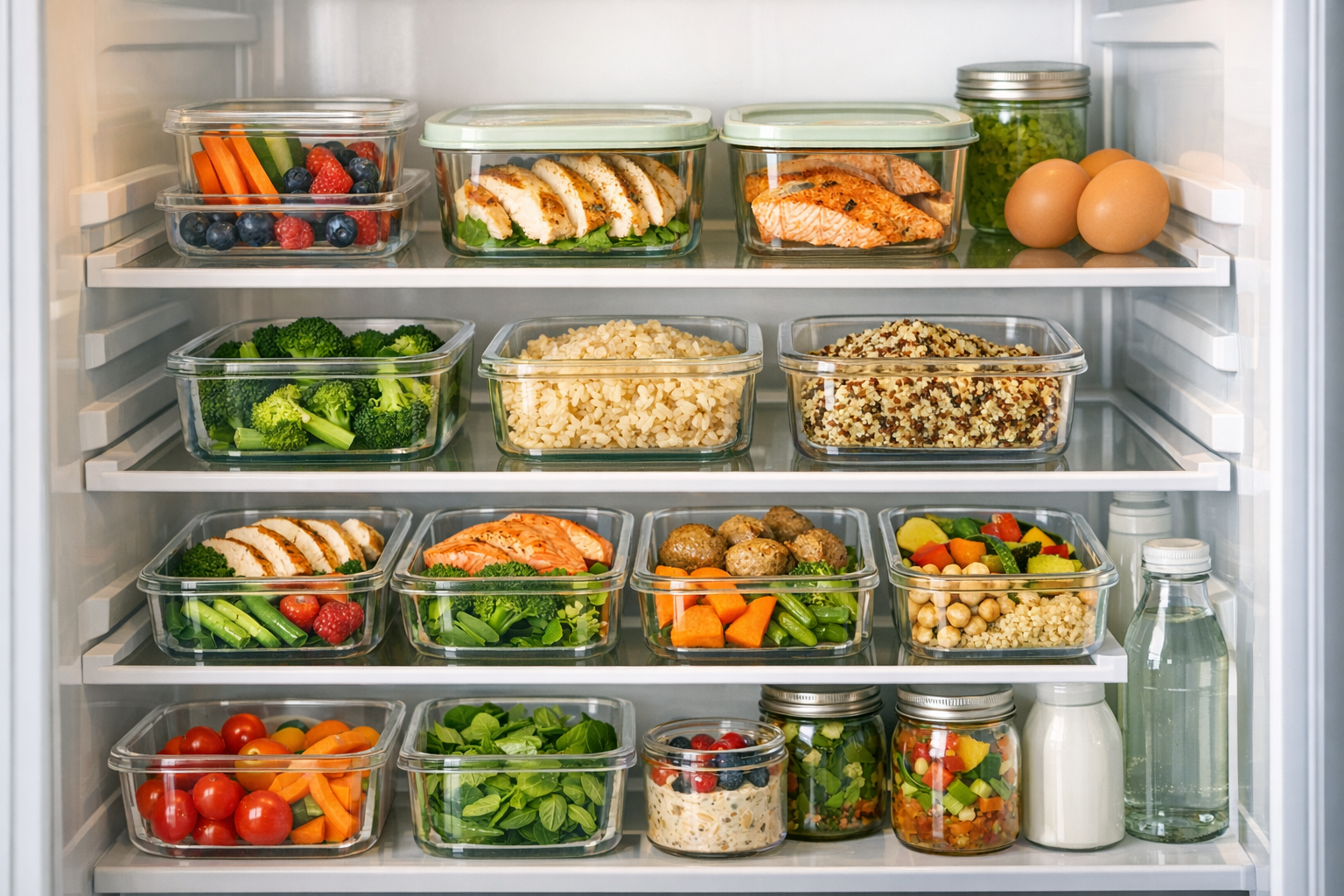
Planning ahead can make the difference between a balanced meal and reaching for whatever is convenient. A little preparation goes a long way toward consistent, stress-free eating.

Real Dietitians, Real Results

Download on the App StoreGet it on Google Play

An illustration of a well-organized refrigerator with meal prep containers arranged on shelves, showing pre-portioned vegetables, lean proteins, and whole grains. Clean, modern kitchen aesthetic with soft natural lighting.

Batch Cooking Strategies

  • Cook a large batch of a whole grain on Sunday to use throughout the week
  • Roast a sheet pan of mixed vegetables to add to meals
  • Prepare 2-3 proteins in advance, such as grilled chicken and baked fish
  • Wash and chop vegetables when you return from the grocery store

Stocking a Diabetes-Friendly Pantry

  • Keep canned beans (rinsed) and lentils for quick protein
  • Store whole grains like quinoa and brown rice
  • Have nuts and seeds for satisfying snacks
  • Keep frozen vegetables on hand for when fresh options run out
  • Stock olive oil and vinegar for easy homemade dressings

Planning Ahead

  • Spend 10 minutes each week planning your meals
  • Keep a list of simple, go-to meals for busy days
  • Pack your lunch the night before when possible
  • Keep emergency snacks in your bag or car

Working With a Dietitian: The Value of Personalized Guidance

While general guidelines are helpful, nutrition is not one-size-fits-all. Your body, lifestyle, preferences, and health history are unique, and working with a registered dietitian can help you create an individualized plan that fits your life.

A dietitian can help you:

  • Understand how different foods affect your specific blood sugar patterns
  • Adjust your eating plan based on your medications
  • Navigate challenges like dining out, travel, or family gatherings
  • Set realistic goals that support long-term success

Nutrista connects people with qualified dietitians who provide personalized meal planning support. Unlike generic calorie-tracking apps that offer only algorithm-generated advice, Nutrista ensures you work with a real, registered dietitian who understands your individual needs.

Real Dietitians, Real Results

Download on the App StoreGet it on Google Play

Common Questions About Eating With Type 2 Diabetes

Can I ever eat carbohydrates?

Yes. Carbohydrates are not the enemy. Your body and brain need carbohydrates for energy. The key is choosing nutrient-dense, high-fiber carbohydrates and being mindful of portions. Many people with type 2 diabetes can include reasonable amounts of whole grains, fruits, and starchy vegetables as part of a balanced diet.

What about fruit?

Fruit contains natural sugar along with fiber, vitamins, and antioxidants. Whole fruit is generally a better choice than fruit juice because the fiber slows sugar absorption. Most healthcare providers recommend pairing fruit with protein or healthy fat, such as having an apple with a tablespoon of nut butter.

Do I have to give up my favorite foods forever?

No. Deprivation often backfires. Many dietitians teach an approach where all foods can fit in moderation. You may find that your tastes change over time, and foods you once craved may not hold the same appeal. The goal is to find a sustainable way of eating that supports your health while still allowing you to enjoy life.

Conclusion: Small Steps Lead to Meaningful Change

Managing type 2 diabetes through diet does not require perfection. It requires consistency, curiosity, and self-compassion. Every balanced meal is a step in the right direction. Every time you choose a food that supports stable blood sugar, you are investing in your long-term health.

Start where you are. Pick one or two strategies from this guide to implement this week. Perhaps try the plate method at your next dinner, or experiment with a new whole grain. Small, sustainable changes add up over time.

Remember that you do not have to figure this out alone. Your healthcare team, including a registered dietitian, can provide personalized guidance tailored to your needs. Nutrista empowers real, local, registered dietitians with artificial intelligence so they can help clients with the most modern technologies. This platform is the first to connect users with a large community of international, registered, vetted dietitians supported by AI tools. If you are looking for personalized support, consider reaching out to a qualified professional through Nutrista.


Real Dietitians, Real Results

Download on the App StoreGet it on Google Play

This article is for educational purposes and does not replace medical advice from a qualified healthcare provider. Always consult your healthcare team before making significant changes to your diet or exercise routine.

Real Dietitians, Real Results

Download on the App StoreGet it on Google Play
#type 2 diabetes#meal planning#blood sugar management

Others Viewed