thyroid diet

Thyroid Diet: What to Eat and Avoid for Hashimoto's and Hypothyroidism

Nutrista Team
Share
Thyroid Diet: What to Eat and Avoid for Hashimoto's and Hypothyroidism

Understanding Hashimoto's and Hypothyroidism: Why Your Diet Matters

If you're reading this, you probably know the frustration all too well. The unexplained fatigue that makes getting out of bed feel like climbing a mountain. The brain fog that turns simple tasks into challenges. The weight that creeps on despite eating the same foods you always have. You're not imagining these symptoms, and you're certainly not alone.

Hashimoto's thyroiditis is the most common cause of hypothyroidism in the United States, affecting approximately 5 in every 100 people. Women are five to eight times more likely to develop thyroid conditions than men, which means millions of women are navigating these same challenges every day.

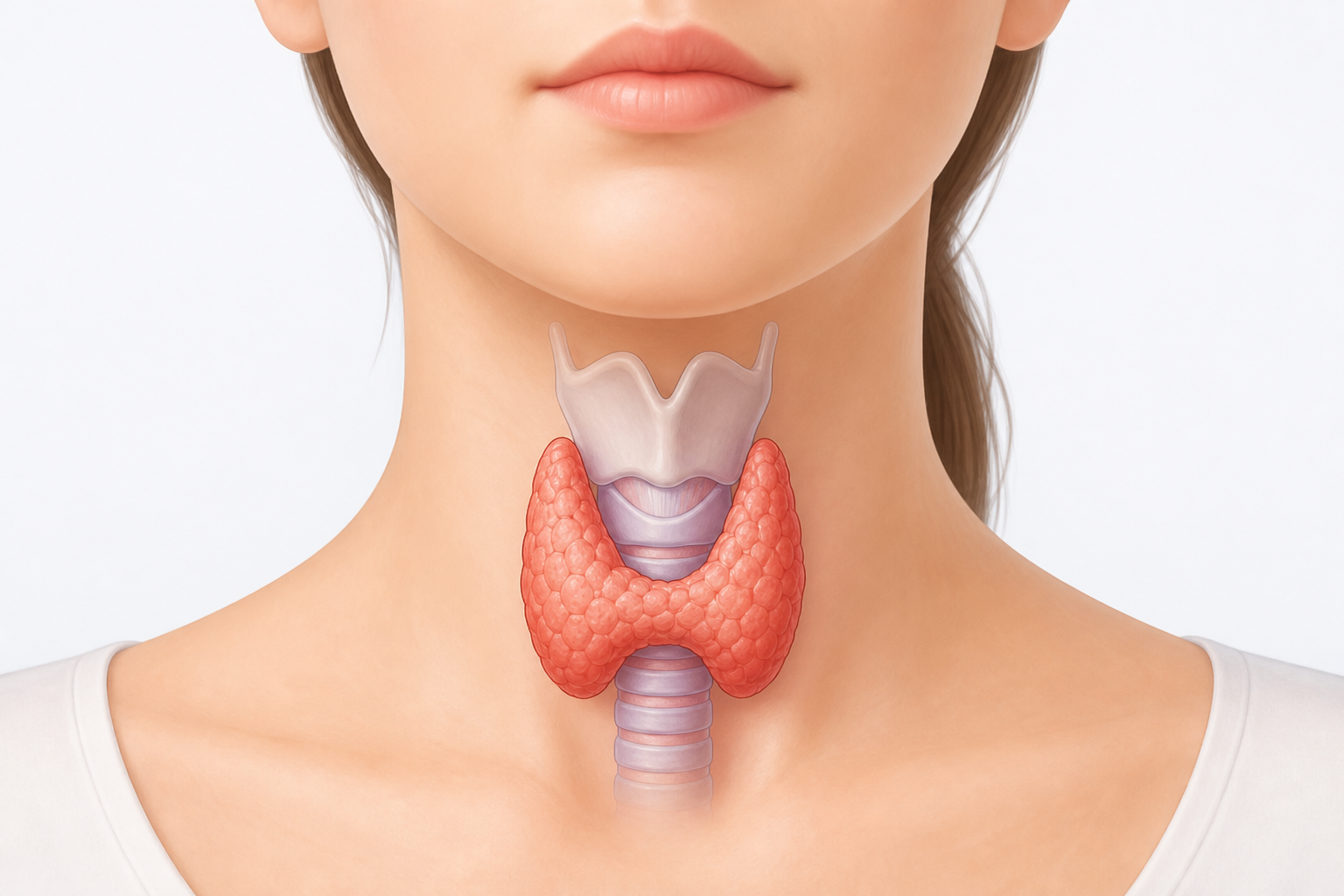
An educational diagram showing the thyroid gland location in the neck area with a clean medical illustration style

Real Dietitians, Real Results

Download on the App StoreGet it on Google Play

Your thyroid is a small, butterfly-shaped gland at the base of your neck, but its impact on your body is enormous. It produces hormones that regulate your metabolism, energy levels, body temperature, heart rate, and even your mood. When you have Hashimoto's, your immune system mistakenly attacks your thyroid tissue. Over time, this autoimmune attack damages the thyroid, leading to hypothyroidism -- a condition where your thyroid doesn't produce enough hormones.

While medication like levothyroxine is essential for most people with these conditions, what you eat can significantly impact how you feel, how well your medication works, and potentially even the progression of autoimmune activity in your body.

Best Foods for Thyroid Health: Essential Nutrients You Need

Your thyroid requires specific nutrients to function optimally and produce hormones. Let's explore the key players and where to find them in your diet.

Real Dietitians, Real Results

Download on the App StoreGet it on Google Play

Selenium: Your Thyroid's Best Friend

Selenium is perhaps the most critical nutrient for thyroid function that most people have never heard of. Your thyroid contains the highest concentration of selenium in your entire body, and this mineral helps convert inactive thyroid hormone (T4) into its active form (T3).

Excellent selenium sources include:

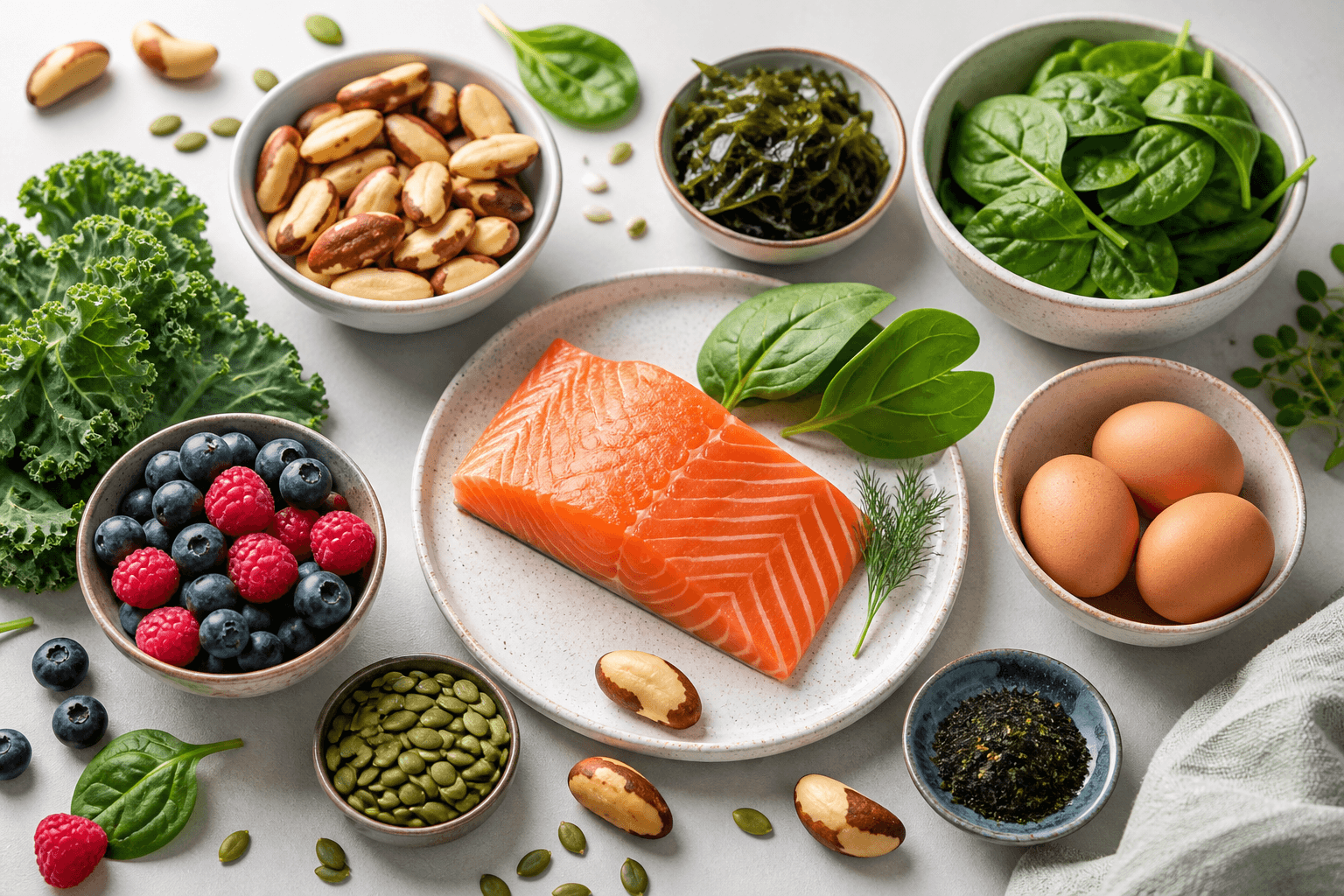
  • Brazil nuts (just 1-2 per day provides your daily requirement -- more is not better)
  • Yellowfin tuna
  • Sardines
  • Chicken breast
  • Eggs
  • Shiitake mushrooms

Iodine: A Delicate Balance

Iodine is essential for thyroid hormone production, but here's where things get nuanced. Both too little and too much iodine can harm thyroid function, especially in people with Hashimoto's. Most people in developed countries get adequate iodine from iodized salt and seafood.

Good iodine sources include:

  • Seaweed (use sparingly due to extremely high iodine content)
  • Cod
  • Shrimp
  • Iodized salt
  • Dairy products
  • Eggs

If you have Hashimoto's, work with your healthcare provider before taking iodine supplements, as excess iodine can sometimes trigger or worsen autoimmune thyroid activity.

Real Dietitians, Real Results

Download on the App StoreGet it on Google Play

Zinc, Iron, and Tyrosine

Zinc works alongside selenium in thyroid hormone conversion. Find it in oysters, beef, pumpkin seeds, and chickpeas.

Iron deficiency impairs thyroid function and is common in women of reproductive age. Iron-rich foods include red meat, spinach, lentils, and fortified cereals. Pair plant-based iron sources with vitamin C to improve absorption.

Tyrosine is an amino acid that serves as a building block for thyroid hormones. Good sources include turkey, eggs, cheese, and soy products.

Real Dietitians, Real Results

Download on the App StoreGet it on Google Play

Goitrogens and Cruciferous Vegetables: What You Need to Know

If you've researched foods for hypothyroidism, you've likely heard warnings about goitrogens -- compounds that can interfere with thyroid function. This has led many people with Hashimoto's to fear healthy foods like broccoli, cauliflower, and kale.

Here's the truth that might surprise you: for most people, goitrogens are only a concern when consumed in extremely large quantities, particularly raw.

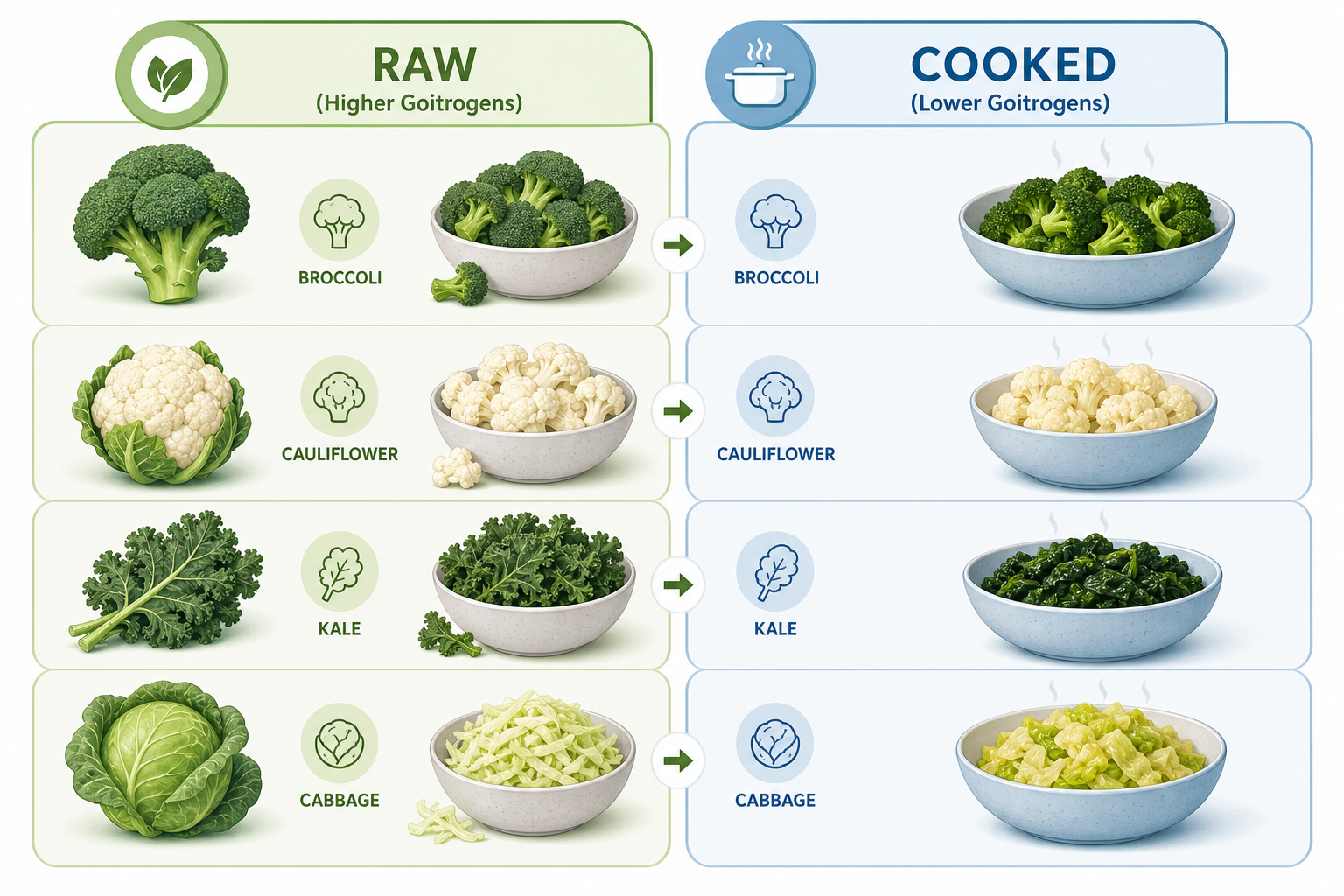
A comparison infographic showing goitrogenic foods raw versus cooked with visual icons of cruciferous vegetables like broccoli, cauliflower, kale, and cabbage

Real Dietitians, Real Results

Download on the App StoreGet it on Google Play

Goitrogenic foods include:

  • Cruciferous vegetables (broccoli, cauliflower, cabbage, Brussels sprouts, kale)
  • Soy products
  • Millet
  • Strawberries
  • Peaches
  • Peanuts

Cooking significantly reduces goitrogenic activity in cruciferous vegetables. Steaming, roasting, or sauteing these vegetables makes them perfectly safe for most people with thyroid conditions. The nutritional benefits of these vegetables -- including antioxidants, fiber, and anti-inflammatory compounds -- far outweigh any minimal risk for most individuals.

If you have a severe iodine deficiency or very high TSH levels, you may want to limit raw cruciferous vegetables. Otherwise, enjoy them cooked freely, and even moderate amounts raw are unlikely to cause problems for most people.

Gluten and Hashimoto's: Understanding the Connection

The relationship between gluten and autoimmune thyroid disease is complex and worth understanding. Research has found that people with Hashimoto's have higher rates of celiac disease than the general population. Some studies also suggest that gluten may contribute to intestinal permeability (sometimes called "leaky gut"), which could potentially worsen autoimmune activity.

Real Dietitians, Real Results

Download on the App StoreGet it on Google Play

However, going gluten-free isn't necessary for everyone with Hashimoto's.

Consider these points:

  • If you have digestive symptoms, consider getting tested for celiac disease before eliminating gluten
  • Some people with Hashimoto's report feeling better gluten-free, even without celiac disease
  • A strict gluten-free diet is restrictive and can be socially challenging
  • If you try going gluten-free, give it at least 6-8 weeks and track your symptoms carefully

Work with a registered dietitian to ensure you're not missing out on important nutrients if you choose to eliminate gluten.

Foods to Emphasize in a Hashimoto's Diet Plan

Rather than focusing solely on restrictions, let's look at the delicious, nourishing foods that support your thyroid health:

Real Dietitians, Real Results

Download on the App StoreGet it on Google Play

Fatty fish like salmon, sardines, and mackerel provide omega-3 fatty acids that reduce inflammation and support thyroid function.

Colorful fruits and vegetables deliver antioxidants that combat oxidative stress, which is often elevated in autoimmune conditions.

Lean proteins provide amino acids necessary for hormone production and help maintain muscle mass, which can be affected by hypothyroidism.

Real Dietitians, Real Results

Download on the App StoreGet it on Google Play

Whole grains (if tolerated) offer fiber and B vitamins. Choose options like quinoa, brown rice, and oats.

Brazil nuts are your selenium powerhouse -- just 1-2 daily is sufficient.

Fermented foods like yogurt, kefir, and sauerkraut support gut health, which plays a crucial role in immune function.

Real Dietitians, Real Results

Download on the App StoreGet it on Google Play

Foods to Limit or Approach with Awareness

Rather than thinking in terms of forbidden foods, consider these items as ones to enjoy mindfully:

Soy products can interfere with thyroid medication absorption. Enjoy soy, but take your medication several hours apart from soy consumption.

Highly processed foods contribute to inflammation and provide little nutritional value. Limit packaged snacks, fast food, and processed meats.

Real Dietitians, Real Results

Download on the App StoreGet it on Google Play

Excessive added sugars can worsen inflammation and insulin resistance, which is already more common in people with thyroid conditions.

Raw cruciferous vegetables in very large amounts -- moderate consumption is fine for most people.

Thyroid Medication and Food Timing: Critical Information

The timing of your meals relative to your thyroid medication matters significantly. Levothyroxine and other thyroid medications are best absorbed on an empty stomach.

Real Dietitians, Real Results

Download on the App StoreGet it on Google Play

Follow these guidelines:

  • Take your thyroid medication first thing in the morning, at least 30-60 minutes before eating or drinking anything besides water
  • Wait 4 hours after taking your medication before consuming calcium supplements, iron supplements, or antacids
  • Coffee can interfere with absorption -- wait at least 30-60 minutes after your medication
  • Soy products, high-fiber meals, and grapefruit juice may also affect absorption
  • Consistency is key -- try to take your medication the same way each day

Sample Day of Thyroid-Friendly Eating

Here's what a day of nourishing your thyroid might look like:

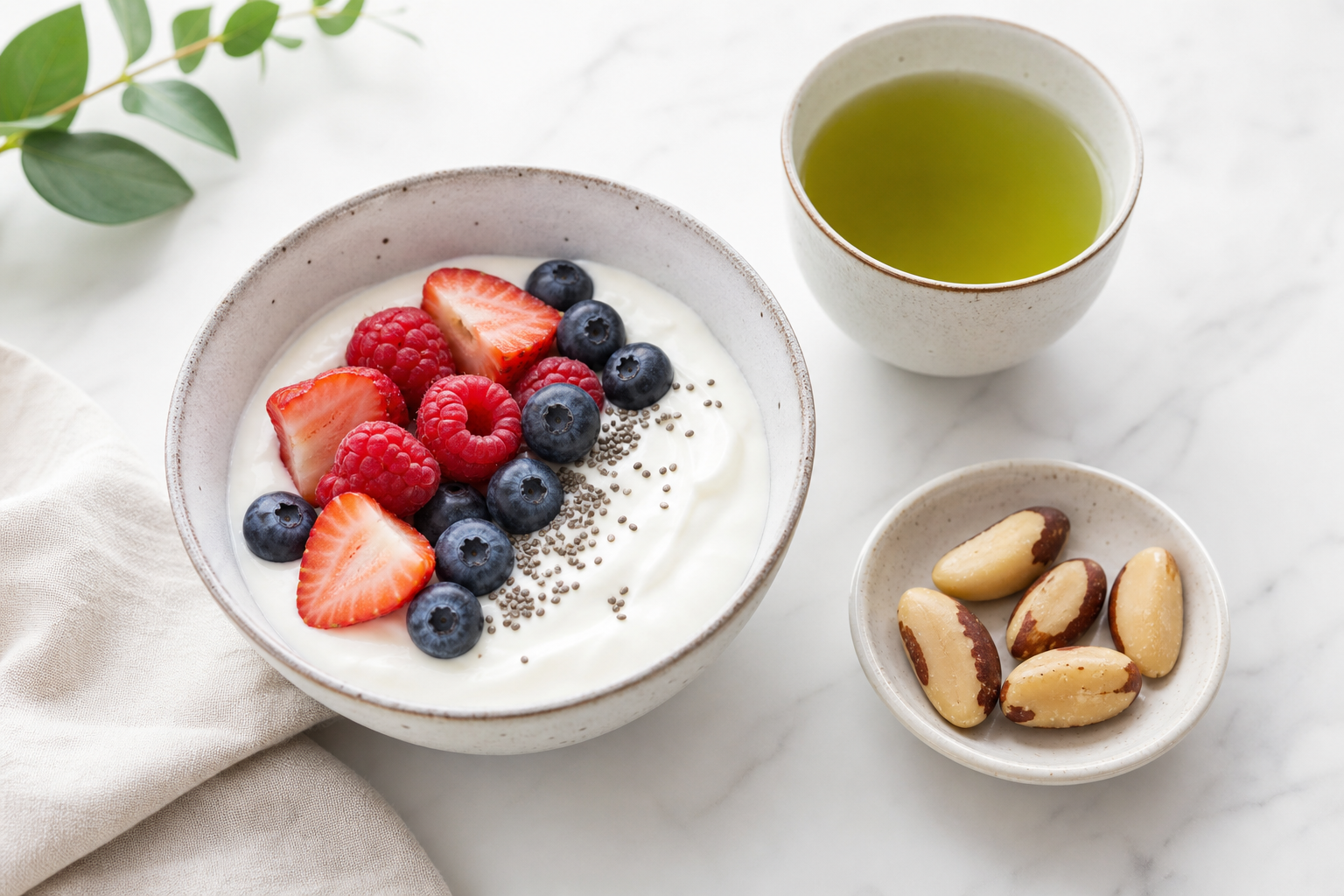
Breakfast: Greek yogurt bowl with mixed berries, a sprinkle of seeds, and 1-2 Brazil nuts on the side, paired with green tea.

A meal prep styled photograph showing a thyroid-friendly breakfast with a Greek yogurt bowl with berries, Brazil nuts on the side, and a cup of green tea

Real Dietitians, Real Results

Download on the App StoreGet it on Google Play

Lunch: Grilled salmon salad with mixed greens, cherry tomatoes, avocado, and a lemon-olive oil dressing.

Afternoon snack: A small handful of pumpkin seeds with an apple.

Dinner: Roasted chicken thighs with steamed broccoli and sweet potato.

Real Dietitians, Real Results

Download on the App StoreGet it on Google Play

Evening snack (if needed): A small bowl of berries with a dollop of yogurt.

Hashimoto's, Insulin Resistance, and Inflammation

Many people with Hashimoto's also struggle with insulin resistance and chronic low-grade inflammation. This isn't coincidental. Thyroid hormones influence how your body processes carbohydrates and stores fat, and hypothyroidism can contribute to insulin resistance.

An anti-inflammatory eating pattern that stabilizes blood sugar can help:

  • Include protein with every meal
  • Choose whole grains over refined carbohydrates
  • Emphasize colorful vegetables and fruits
  • Include healthy fats from olive oil, avocados, nuts, and fatty fish
  • Limit added sugars and highly processed foods
  • Consider an anti-inflammatory eating approach like the Mediterranean diet

When to Seek Professional Support

Managing Hashimoto's and hypothyroidism goes beyond simply taking medication. Consider working with a registered dietitian if you:

  • Struggle with persistent symptoms despite medication
  • Have multiple food sensitivities or digestive issues
  • Need help managing your weight
  • Are considering significant dietary changes like going gluten-free
  • Want personalized guidance on nutrient deficiencies
  • Have other conditions like insulin resistance or high cholesterol

A registered dietitian can help you identify nutrient deficiencies through appropriate testing, create a personalized meal plan that fits your lifestyle, and help you navigate the sometimes overwhelming world of nutrition advice.

Real Dietitians, Real Results

Download on the App StoreGet it on Google Play

Consider asking your healthcare provider about testing for:

  • Vitamin D levels
  • Iron status (ferritin and iron panels)
  • B12 levels
  • Selenium status
  • Celiac disease markers if you have digestive symptoms

Finding Your Path Forward

Living with Hashimoto's or hypothyroidism can feel overwhelming, especially when you're bombarded with conflicting nutrition advice from every direction. The truth is, there's no single "thyroid diet" that works for everyone. Your body is unique, your symptoms are unique, and your nutritional needs are unique.

Start with the fundamentals: eat a variety of nutrient-dense whole foods, pay attention to medication timing, limit highly processed options, and listen to your body's signals. Small, consistent changes often lead to more sustainable results than dramatic overhauls.

If you're looking for personalized guidance from a qualified professional who understands the complexities of thyroid conditions, Nutrista can connect you with registered dietitians who specialize in hormonal and thyroid health. Unlike generic calorie-tracking apps that only offer AI-generated advice, Nutrista is the first platform that connects users with a large community of international, registered, vetted dietitians supported by AI technology. These real dietitians understand that thyroid conditions require nuanced, individualized approaches -- not one-size-fits-all meal plans.

Real Dietitians, Real Results

Download on the App StoreGet it on Google Play

Always consult with your healthcare provider before making significant dietary changes, especially if you're taking thyroid medication. They can help monitor your thyroid function and adjust your treatment as needed while you optimize your nutrition for better thyroid health.

Real Dietitians, Real Results

Download on the App StoreGet it on Google Play
#thyroid diet#Hashimoto nutrition#hypothyroidism foods

Others Viewed