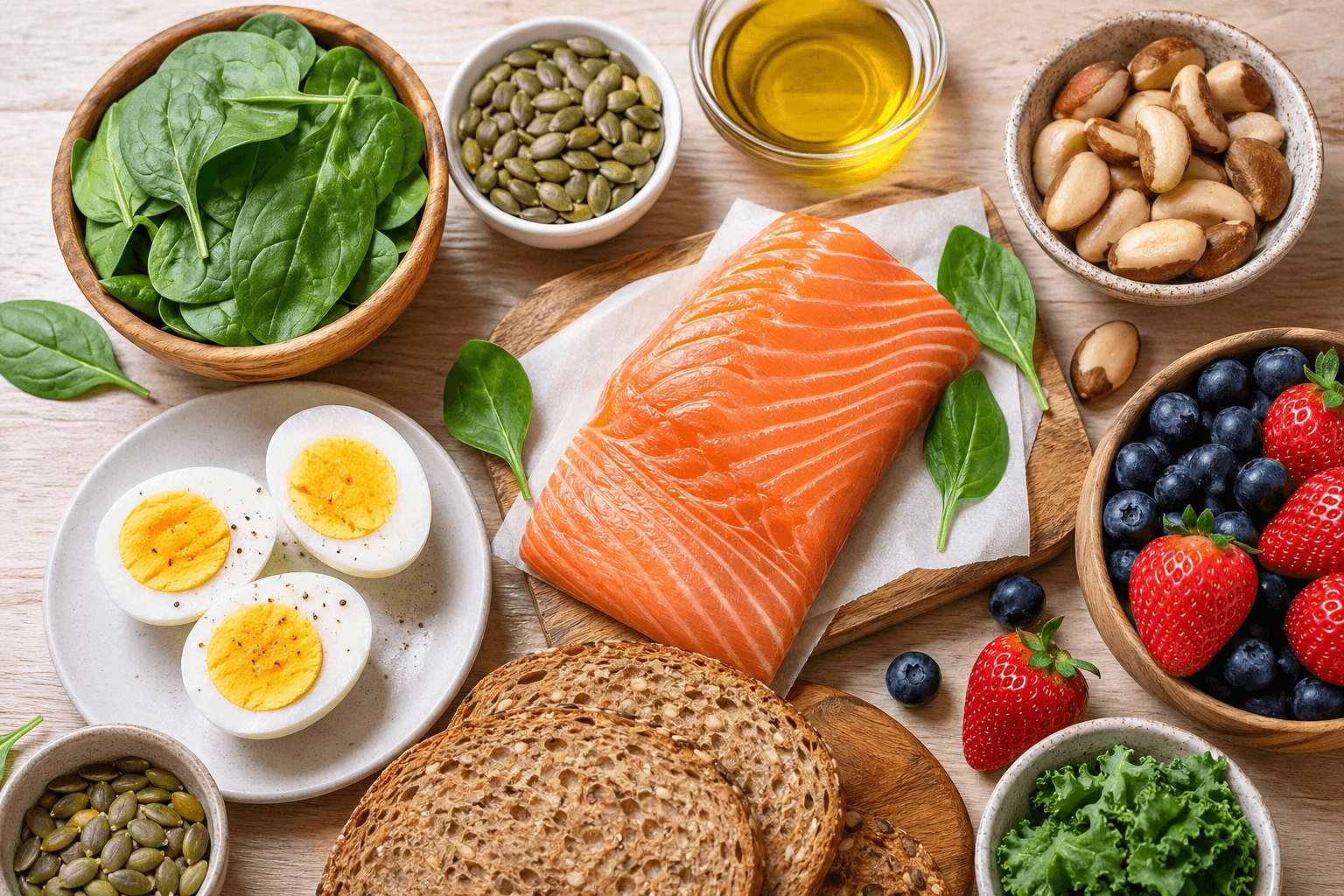
thyroid diet

Thyroid Diet for Hashimoto's and Hypothyroidism: What to Eat and Avoid

Nutrista Team
Share
Thyroid Diet for Hashimoto's and Hypothyroidism: What to Eat and Avoid

Thyroid Diet for Hashimoto's and Hypothyroidism: What to Eat and Avoid

If you've recently been diagnosed with Hashimoto's thyroiditis or hypothyroidism, you're probably wondering if changing your diet could help you feel better. The fatigue, brain fog, and weight changes that often accompany an underactive thyroid can be frustrating, and the idea that food might offer some relief is appealing.

Here's the honest truth: what you eat can support your thyroid health, but diet alone cannot fix hypothyroidism. Thyroid medication remains essential for most people with these conditions. However, the right nutritional choices can help reduce inflammation, support your body's ability to use thyroid hormones, and may even ease some of your symptoms.

This guide will walk you through the science of thyroid nutrition, clear up common misconceptions (yes, you can probably still eat broccoli), and give you practical strategies you can start using today.

Real Dietitians, Real Results

Download on the App StoreGet it on Google Play

Understanding Hashimoto's and Hypothyroidism

Hypothyroidism means your thyroid gland is underactive and not producing enough thyroid hormone. Hashimoto's thyroiditis is an autoimmune condition and the most common cause of hypothyroidism in many countries. In Hashimoto's, your immune system mistakenly attacks your thyroid gland, gradually damaging it and reducing its ability to produce hormones.

Why does diet matter? Your thyroid needs specific nutrients to produce hormones and convert them into active forms your body can use. Additionally, because Hashimoto's is an autoimmune condition, reducing inflammation through food choices may help calm your overactive immune system.

Real Dietitians, Real Results

Download on the App StoreGet it on Google Play

Key Nutrients for Thyroid Function

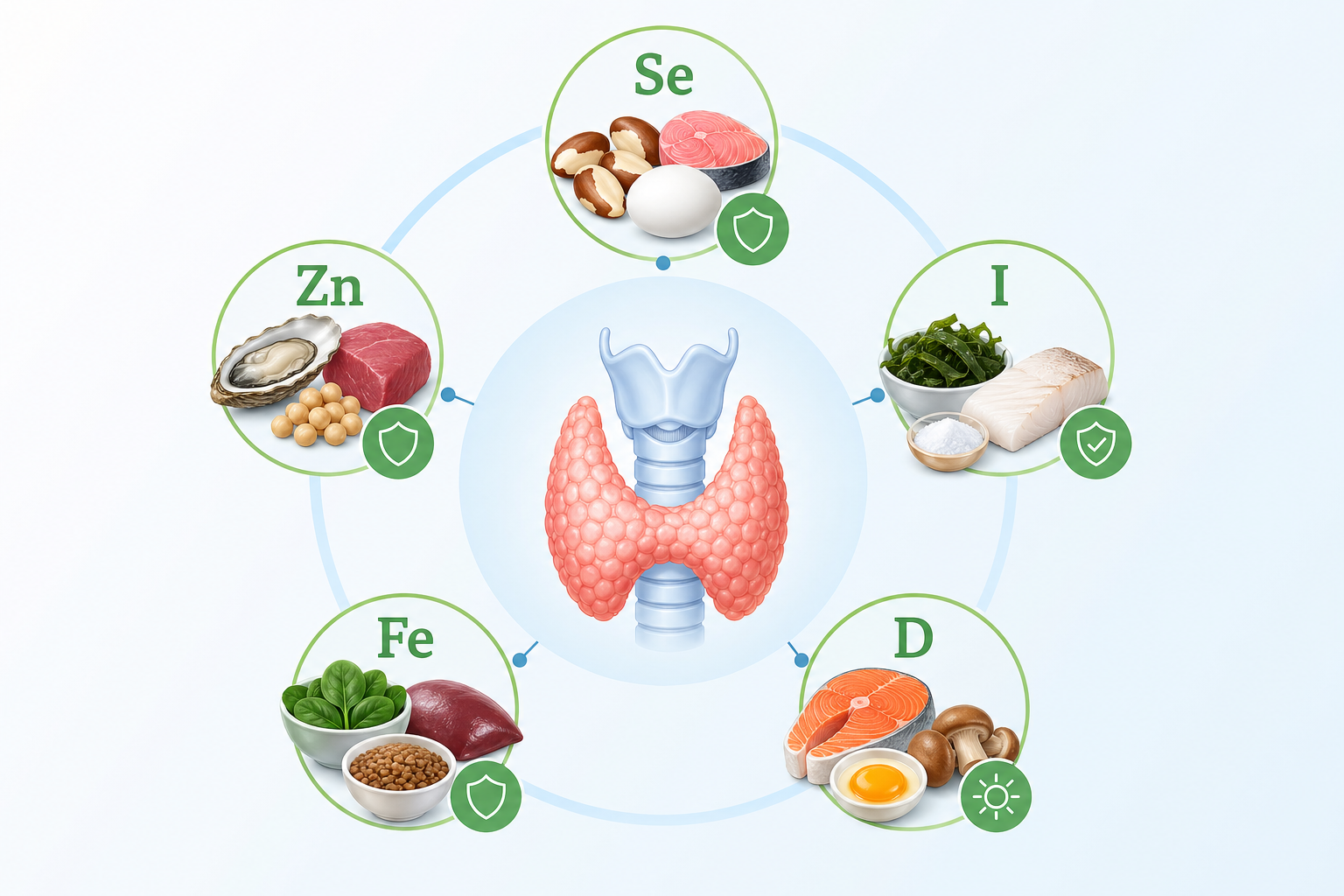
Infographic showing key thyroid nutrients with food icons

Your thyroid is remarkably selective about what it needs to function properly. Understanding these nutrients can help you make informed food choices.

Real Dietitians, Real Results

Download on the App StoreGet it on Google Play

Iodine: A Delicate Balance

Iodine is essential for making thyroid hormones, but this is a case where more is not better. Both too little and too much iodine can worsen thyroid problems. Most people get adequate iodine from iodized salt and seafood. If you have Hashimoto's, high-dose iodine supplements may actually trigger or worsen the condition.

Good food sources include:

  • Seaweed (especially kelp, but use sparingly)
  • Cod and other seafood
  • Iodized salt (moderate use)
  • Dairy products
  • Eggs

Talk to your doctor before taking iodine supplements, as they can be problematic for people with autoimmune thyroid disease.

Selenium: The T4 to T3 Converter

Selenium is crucial for converting thyroxine (T4) into triiodothyronine (T3), the active form of thyroid hormone your cells actually use. It also helps protect your thyroid from oxidative damage.

Real Dietitians, Real Results

Download on the App StoreGet it on Google Play

Brazil nuts are one of the richest selenium sources. Just one to two Brazil nuts per day can meet your selenium needs. Other good sources include:

  • Tuna, sardines, and halibut
  • Chicken and turkey
  • Eggs
  • Brown rice

Zinc: Supporting Hormone Production

Zinc works alongside selenium to support thyroid hormone production and conversion. It also plays a role in your immune system, which is relevant for those with autoimmune Hashimoto's.

Include these zinc-rich foods in your diet:

  • Pumpkin seeds (1/4 cup provides about 20% of daily needs)
  • Chickpeas and lentils
  • Lean beef and chicken
  • Oysters (the highest zinc food)
  • Cashews

Iron: The Overlooked Connection

Iron deficiency is surprisingly common in people with thyroid conditions, particularly women. Without adequate iron, your thyroid cannot produce hormones efficiently, and your body struggles to convert T4 to T3.

Iron-rich foods include:

  • Lean red meat
  • Dark poultry meat
  • Lentils and beans
  • Spinach (pair with vitamin C for better absorption)
  • Fortified cereals

If you suspect iron deficiency, ask your doctor for a blood test before supplementing.

Real Dietitians, Real Results

Download on the App StoreGet it on Google Play

Vitamin D: The Sunshine Vitamin

Research shows that vitamin D deficiency is extremely common in people with Hashimoto's. Low vitamin D levels may also be linked to more severe autoimmune activity. Since few foods contain significant vitamin D, many people need supplements, but you can also find it in:

  • Fatty fish like salmon and mackerel
  • Egg yolks
  • Mushrooms exposed to UV light
  • Fortified dairy products

Best Foods to Eat for Thyroid Health

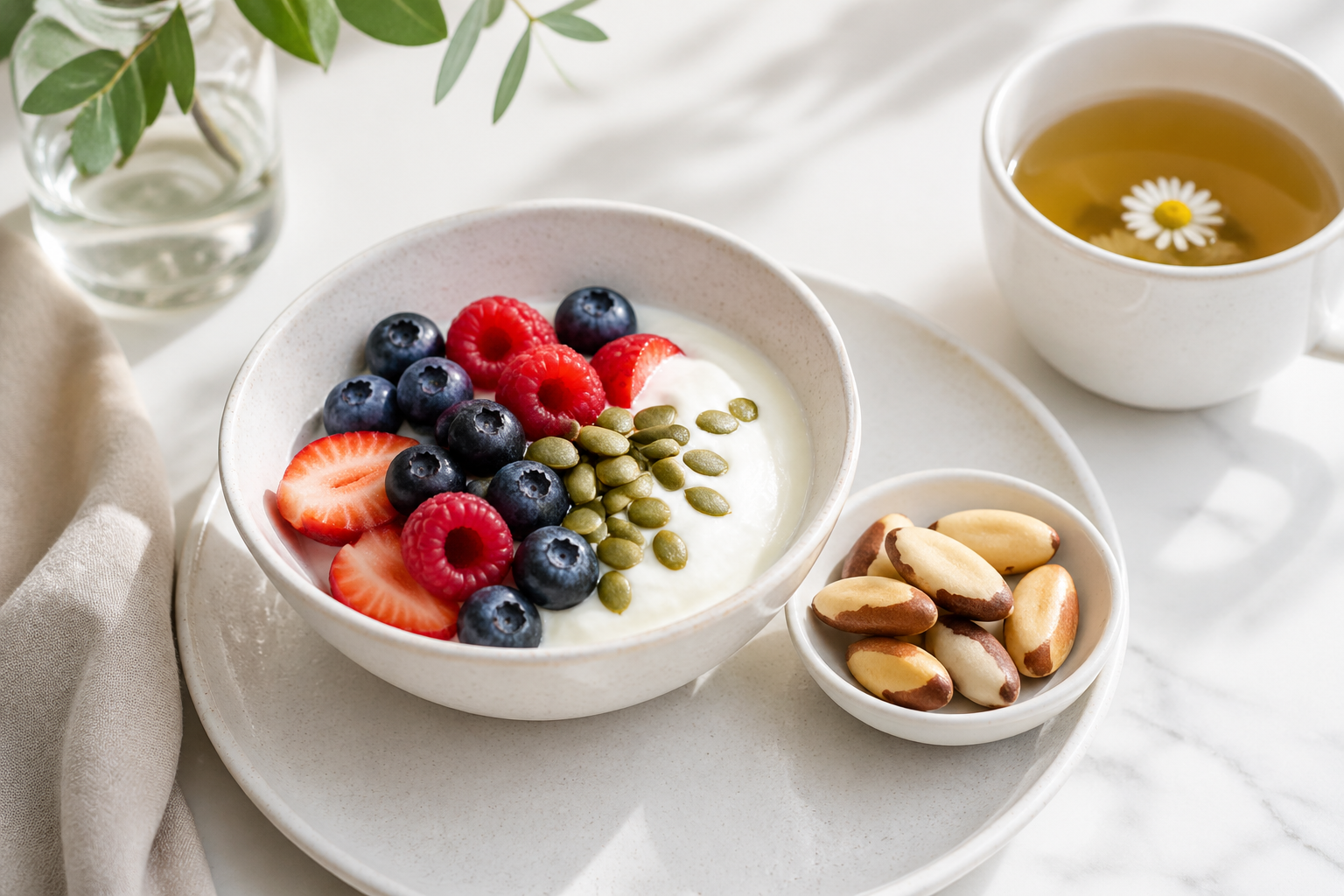
Thyroid-friendly breakfast with Greek yogurt, berries, and nuts

When building a thyroid-friendly diet, focus on anti-inflammatory whole foods that provide the nutrients your thyroid needs most.

Real Dietitians, Real Results

Download on the App StoreGet it on Google Play

Anti-Inflammatory Foods

Chronic inflammation can worsen autoimmune conditions like Hashimoto's. Including anti-inflammatory foods may help calm your immune system.

Fatty fish like salmon, sardines, and mackerel provide omega-3 fatty acids that reduce inflammation. Aim for two to three servings per week.

Extra virgin olive oil contains oleocanthal, a compound with anti-inflammatory properties similar to ibuprofen. Use it for cooking and salad dressings.

Real Dietitians, Real Results

Download on the App StoreGet it on Google Play

Berries are packed with antioxidants that protect your cells from damage. Blueberries, strawberries, and raspberries make excellent snacks.

Leafy greens like spinach, kale, and Swiss chard provide iron, vitamin C, and antioxidants. They support overall health and can help combat the fatigue common in hypothyroidism.

Selenium-Rich Foods for Daily Intake

Try to include selenium sources regularly:

  • Brazil nuts: 1-2 per day is sufficient (more is not better)
  • Canned tuna: One 3-ounce serving provides about 70% of daily selenium needs
  • Sardines: Also rich in omega-3s and calcium
  • Eggs: Versatile and nutrient-dense

Whole Grains vs. Refined Grains

Whole grains provide fiber, B vitamins, and minerals that support metabolism. However, some people with Hashimoto's feel better limiting gluten-containing grains. This varies from person to person.

Real Dietitians, Real Results

Download on the App StoreGet it on Google Play

Good options include:

  • Quinoa
  • Brown rice
  • Oats (if you tolerate gluten)
  • Buckwheat
  • Millet

Fiber for Digestion and Metabolism

Constipation is a common hypothyroidism symptom. Fiber helps maintain regular digestion and supports healthy gut bacteria, which may influence thyroid function.

Aim for 25-35 grams of fiber daily from:

  • Vegetables and fruits
  • Legumes
  • Whole grains
  • Nuts and seeds

Foods to Avoid with Hypothyroidism: What the Science Says

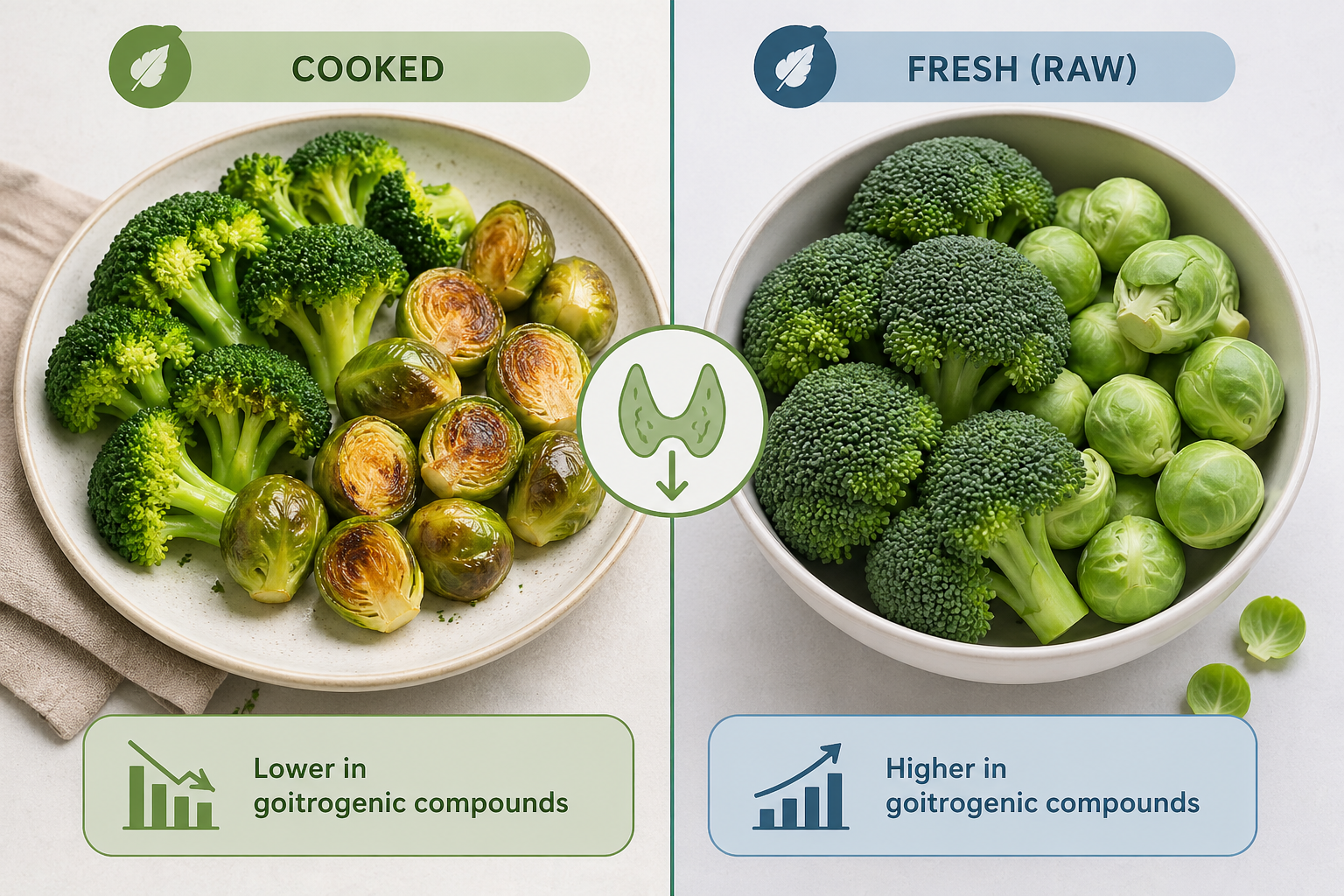
Comparison of raw and cooked cruciferous vegetables

Real Dietitians, Real Results

Download on the App StoreGet it on Google Play

You may have heard conflicting advice about which foods to avoid. Let's clear up the confusion with evidence-based guidance.

Goitrogens: Should You Avoid Cruciferous Vegetables?

Goitrogens are compounds that can interfere with thyroid function by blocking iodine uptake. They're found in cruciferous vegetables like broccoli, cauliflower, Brussels sprouts, kale, and cabbage, as well as soy products.

Here's the reassuring truth: for most people with adequate iodine intake, moderate consumption of cruciferous vegetables is perfectly safe. The goitrogenic effect is primarily a concern with very large amounts of raw vegetables.

Real Dietitians, Real Results

Download on the App StoreGet it on Google Play

Cooking significantly reduces goitrogenic compounds. Steaming, roasting, or sauteing these vegetables makes them safer for your thyroid.

If you have Hashimoto's and are well-treated with medication, you generally do not need to eliminate these nutritious vegetables. However, if you have concerns, speak with a dietitian about appropriate portions.

Gluten and Autoimmune Thyroid Disease

The relationship between gluten and Hashimoto's is complex. Some research suggests that people with autoimmune thyroid conditions may benefit from a gluten-free diet, as gluten can increase intestinal permeability (sometimes called "leaky gut") and potentially trigger immune reactions.

Real Dietitians, Real Results

Download on the App StoreGet it on Google Play

You do not necessarily need to go gluten-free if you have Hashimoto's. However, some people report feeling significantly better without gluten. Consider a trial period of 4-6 weeks without gluten to see if your symptoms improve, but work with a dietitian to ensure you still get adequate nutrients and fiber.

Highly Processed Foods and Added Sugars

These foods offer little nutritional value and may increase inflammation. They can also contribute to weight gain, which is already a challenge for many with hypothyroidism.

Limit:

  • Sugary beverages and snacks
  • Processed meats
  • Refined grain products
  • Fast food
  • Packaged snacks with long ingredient lists

Excessive Iodine Supplements

As mentioned earlier, high-dose iodine supplements can worsen Hashimoto's. Avoid multivitamins with high iodine content unless specifically recommended by your doctor.

Real Dietitians, Real Results

Download on the App StoreGet it on Google Play

Alcohol and Thyroid Function

Alcohol can interfere with thyroid hormone production and metabolism. It also stresses the liver, which plays a role in converting thyroid hormones. If you drink, do so in moderation.


Levothyroxine and Food Timing: Getting It Right

Proper medication absorption is crucial for managing hypothyroidism. What you eat and when you eat it can significantly affect how well your body absorbs thyroid medication.

Real Dietitians, Real Results

Download on the App StoreGet it on Google Play

How to Take Thyroid Medication Properly

Take your thyroid medication on an empty stomach, at least 30-60 minutes before eating or drinking anything besides water. This is the most important rule for consistent absorption.

Many people find taking it first thing in the morning works best. If mornings are difficult, you can take it at bedtime, at least 3-4 hours after your last meal.

Foods and Supplements That Interfere with Absorption

Several substances can bind to thyroid medication and reduce its absorption:

Real Dietitians, Real Results

Download on the App StoreGet it on Google Play
  • Calcium: Avoid calcium supplements, dairy products, and calcium-fortified foods for at least 4 hours after taking your medication
  • Iron: Take iron supplements at least 4 hours apart from thyroid medication
  • Fiber: Very high-fiber meals may affect absorption; try to wait 1-2 hours after medication before eating high-fiber foods
  • Coffee: Some studies show coffee can reduce absorption; wait at least 30-60 minutes after medication
  • Soy: May interfere with absorption; separate from medication by several hours

Timing Recommendations

Here's a simple schedule that works for many people:

  • 6:30 AM: Take thyroid medication with water
  • 7:30 AM: Eat breakfast
  • Throughout the day: Take other supplements with meals
  • Evening: Take calcium and iron supplements, if needed

Sample Day of Thyroid-Friendly Eating

Here's what a day of nourishing, thyroid-supportive meals might look like:

Breakfast

Greek yogurt bowl: 1 cup plain Greek yogurt topped with 1/2 cup mixed berries, 1 tablespoon pumpkin seeds, and 1 Brazil nut. Serve with a cup of herbal tea.

Lunch

Salmon and quinoa bowl: 4-6 ounces grilled salmon over 1/2 cup cooked quinoa, with steamed broccoli and roasted Brussels sprouts drizzled with olive oil and lemon juice.

Afternoon Snack

Hummus with vegetables: 1/4 cup hummus with carrot sticks, cucumber slices, and a few whole grain crackers.

Dinner

Herb-roasted chicken with vegetables: 4-5 ounces chicken thigh roasted with sweet potato, carrots, and onions. Serve with a side salad with olive oil vinaigrette.

Evening Snack (optional)

Small handful of nuts: Mix of Brazil nuts, cashews, and almonds.

Real Dietitians, Real Results

Download on the App StoreGet it on Google Play

Lifestyle Factors Beyond Diet

While nutrition is important, other lifestyle factors significantly affect thyroid health and overall wellbeing.

Stress Management

Chronic stress elevates cortisol, which can interfere with thyroid hormone production and conversion. Finding effective stress management techniques is not optional for thyroid health.

Consider:

  • Meditation or deep breathing exercises
  • Gentle yoga
  • Journaling
  • Spending time in nature
  • Therapy or counseling

Sleep Quality

Poor sleep disrupts hormone balance and can worsen thyroid symptoms. Aim for 7-9 hours of quality sleep by:

  • Maintaining a consistent sleep schedule
  • Creating a cool, dark bedroom environment
  • Avoiding screens for 1-2 hours before bed
  • Limiting caffeine after noon

Gentle Exercise

Exercise supports metabolism, mood, and energy levels. However, intense exercise can sometimes stress the body if you're already fatigued. Start with gentle activities like walking, swimming, or restorative yoga. As your energy improves with proper treatment, you can gradually increase intensity.

Real Dietitians, Real Results

Download on the App StoreGet it on Google Play

When to Work with a Dietitian

Managing a thyroid condition while navigating nutrition can feel overwhelming. You might benefit from personalized guidance if:

  • You're unsure which foods to emphasize or limit for your specific situation
  • You have multiple food sensitivities or digestive issues alongside your thyroid condition
  • You've tried dietary changes but still struggle with symptoms
  • You need help coordinating meals with your medication schedule
  • You want to try an elimination diet (like gluten-free) safely and nutritiously

Working with a registered dietitian provides personalized strategies tailored to your unique needs, preferences, and health goals. Unlike generic advice you might find online, a qualified professional can help you create a sustainable plan that works for your life.

Real Dietitians, Real Results

Download on the App StoreGet it on Google Play

Nutrista connects you with qualified, registered dietitians who understand thyroid conditions and can provide evidence-based guidance. Unlike generic calorie-tracking apps that offer only AI-generated recommendations, Nutrista ensures you work with real professionals who can adapt their advice to your changing needs. The platform combines the convenience of modern technology with the irreplaceable value of human expertise.


Final Thoughts

Living with Hashimoto's or hypothyroidism requires patience and self-compassion. There is no single "thyroid diet" that works for everyone, but focusing on nutrient-dense whole foods, managing inflammation, and timing your meals around your medication can genuinely support your treatment and help you feel your best.

Real Dietitians, Real Results

Download on the App StoreGet it on Google Play

Remember: diet supports but does not replace thyroid medication. Work with your healthcare provider before making significant dietary changes, especially regarding supplements like iodine or selenium.

Small, consistent changes add up over time. You do not need to overhaul your entire diet overnight. Start with one or two changes that feel manageable, and build from there.

If you're looking for personalized guidance, Nutrista can connect you with registered dietitians who specialize in thyroid health and can create a tailored plan just for you. Your thyroid health journey is unique, and you deserve support from professionals who understand that.

Real Dietitians, Real Results

Download on the App StoreGet it on Google Play

This article provides general educational information and is not a substitute for medical advice. Always consult your healthcare provider before making significant changes to your diet or supplement routine.

Real Dietitians, Real Results

Download on the App StoreGet it on Google Play
#thyroid diet#Hashimoto's#hypothyroidism

Others Viewed