



thyroid diet

Thyroid Diet: Foods to Eat and Avoid for Hashimoto's and Hypothyroidism

Nutrista Team
Share
Thyroid Diet: Foods to Eat and Avoid for Hashimoto's and Hypothyroidism

Thyroid Diet: Foods to Eat and Avoid for Hashimoto's and Hypothyroidism

If you are living with Hashimoto's thyroiditis or hypothyroidism, you know the frustration all too well. The fatigue that makes getting out of bed feel like climbing a mountain. The brain fog that turns simple tasks into challenges. The unexplained weight gain that refuses to budge no matter how carefully you eat.

You are not alone in this struggle. Thyroid conditions affect millions of people, predominantly women, and while medication is essential, what you eat can significantly impact how you feel each day. This guide will walk you through the science-backed nutrition strategies that can support your thyroid health, giving you practical tools to take control of your wellbeing.

How Diet Affects Your Thyroid: Understanding the Connection

Your thyroid is a small butterfly-shaped gland in your neck, but it plays an enormous role in your overall health. It produces hormones that regulate your metabolism, energy levels, body temperature, and even your mood. When you have hypothyroidism, your thyroid does not produce enough of these essential hormones. With Hashimoto's, your immune system mistakenly attacks your thyroid tissue, leading to inflammation and reduced hormone production.

Real Dietitians, Real Results

Download on the App StoreGet it on Google Play

Nutrition cannot cure thyroid conditions, but it can support your thyroid function and help manage symptoms. Your thyroid needs specific nutrients to produce hormones effectively, and deficiencies in these nutrients can worsen your condition. Additionally, certain foods may interfere with thyroid function or medication absorption, while others can help reduce inflammation associated with autoimmune thyroid disease.

Essential Nutrients for Thyroid Function

Your thyroid requires several key nutrients to produce hormones and function optimally. Understanding these nutrients and incorporating them into your diet is one of the most powerful steps you can take.

Selenium: The Thyroid Protector

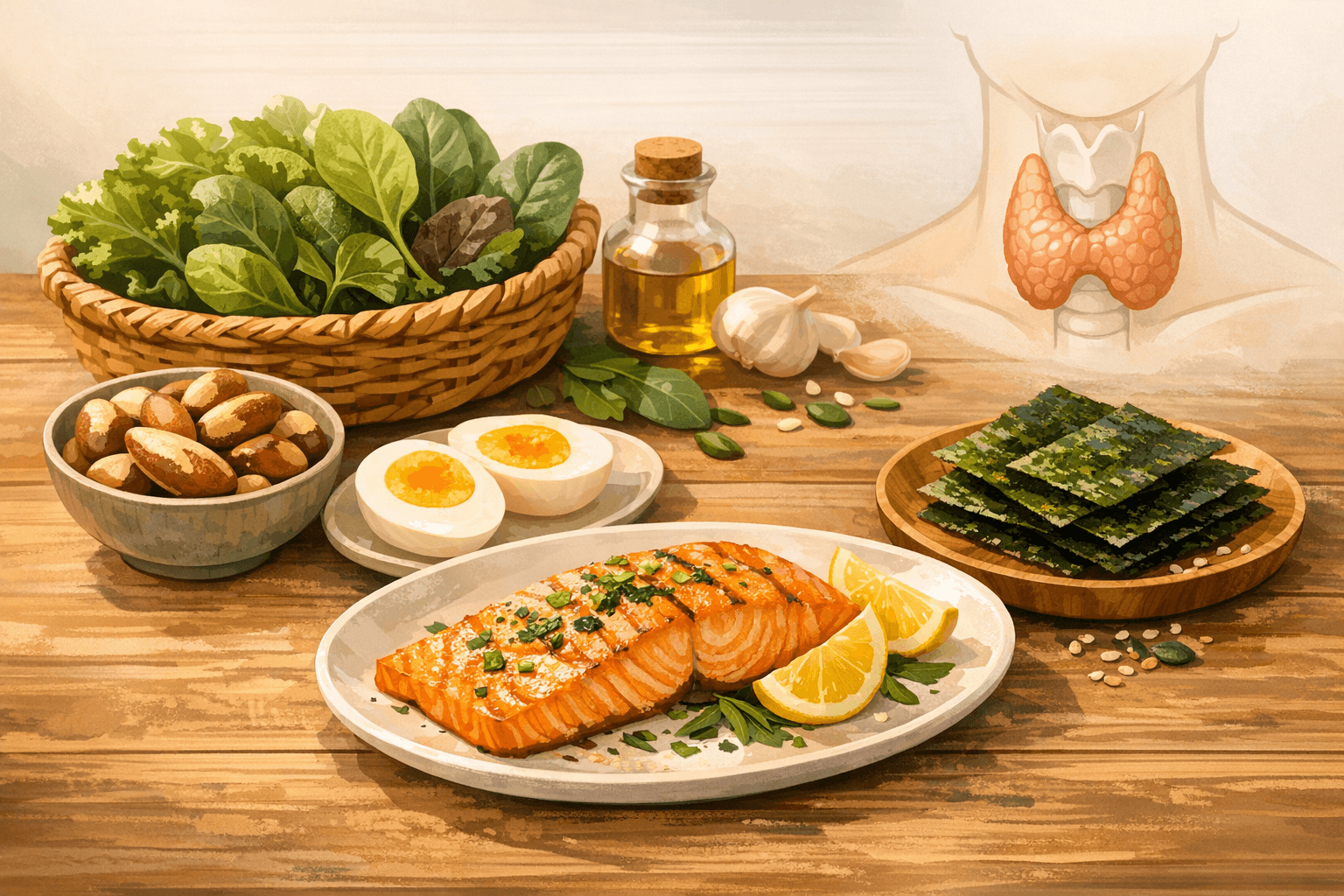
Selenium is perhaps the most critical mineral for thyroid health. It helps convert inactive thyroid hormone (T4) into its active form (T3), and it protects your thyroid from oxidative damage caused by inflammation.

Real Dietitians, Real Results

Download on the App StoreGet it on Google Play

The best food sources of selenium include:

  • Brazil nuts (the richest source, with just 1-2 nuts providing your daily requirement)
  • Tuna, sardines, and salmon
  • Eggs
  • Sunflower seeds
  • Chicken and turkey

Key takeaway: Eat 1-2 Brazil nuts daily as a simple way to meet your selenium needs. More is not better, as excessive selenium can be harmful.

Iodine: The Thyroid Building Block

Iodine is essential for producing thyroid hormones. However, this is a nutrient where balance is crucial. Both too little and too much iodine can worsen thyroid problems. Most people with Hashimoto's should avoid high-dose iodine supplements unless specifically recommended by their healthcare provider.

Real Dietitians, Real Results

Download on the App StoreGet it on Google Play

Food sources of iodine include:

  • Seaweed (nori, kelp, wakame)
  • Cod and other saltwater fish
  • Shrimp and other shellfish
  • Iodized salt (use moderately)
  • Eggs
  • Dairy products

Zinc and Iron: Supporting Hormone Conversion

Zinc helps your body convert T4 to T3, while iron is necessary for thyroid hormone synthesis. Deficiencies in either mineral are common in people with hypothyroidism, often due to heavy menstrual periods or digestive issues that impair absorption.

Food sources of zinc:

Real Dietitians, Real Results

Download on the App StoreGet it on Google Play
  • Oysters (the highest source)
  • Beef and lamb
  • Pumpkin seeds
  • Chickpeas and lentils
  • Cashews

Food sources of iron:

  • Red meat
  • Spinach and Swiss chard
  • Lentils and white beans
  • Fortified cereals
  • Tofu

Tip: Pair plant-based iron sources with vitamin C-rich foods like bell peppers or citrus to improve absorption.

Tyrosine: The Amino Acid Foundation

Tyrosine is an amino acid that serves as a building block for thyroid hormones. Your body can produce it, but getting enough from your diet ensures your thyroid has adequate raw materials.

Real Dietitians, Real Results

Download on the App StoreGet it on Google Play

Good sources of tyrosine include:

  • Chicken and turkey
  • Fish
  • Eggs
  • Dairy products
  • Nuts and seeds

Best Foods for Hypothyroidism and Hashimoto's

Now that you understand the key nutrients, let's look at the specific foods that can support your thyroid health. A thyroid-friendly diet emphasizes whole, nutrient-dense foods while minimizing processed options.

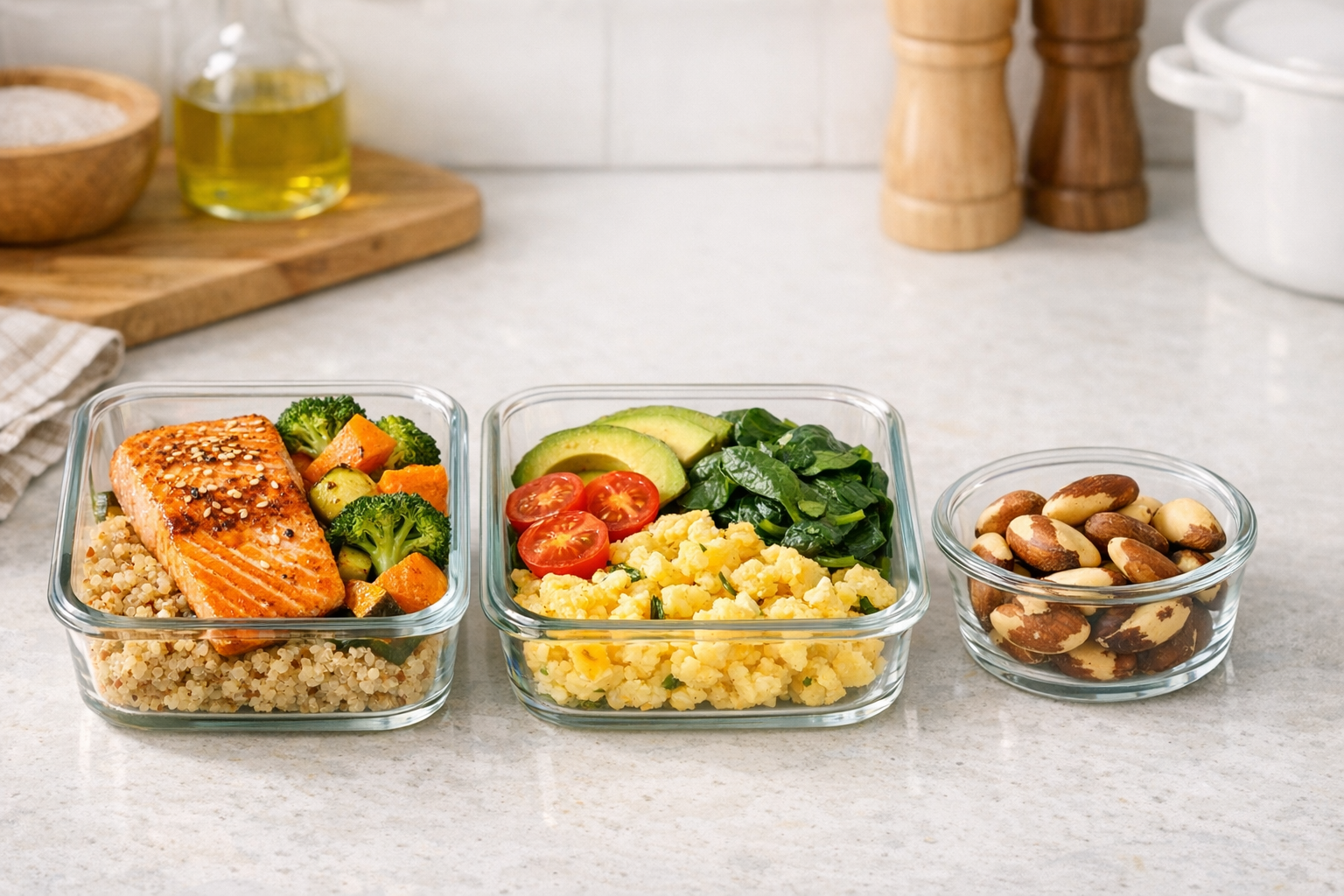
A meal prep scene showing three thyroid-friendly meals in glass containers: a salmon and quinoa bowl with roasted vegetables, an egg and spinach breakfast, and a brazil nut snack portion. Soft natural lighting, clean modern kitchen counter background, warm and approachable aesthetic.

Real Dietitians, Real Results

Download on the App StoreGet it on Google Play

Fatty Fish: Omega-3 Powerhouses

Salmon, sardines, mackerel, and wild-caught fish provide omega-3 fatty acids that help reduce inflammation, which is particularly important for autoimmune conditions like Hashimoto's. Aim for 2-3 servings per week.

Eggs: The Complete Nutrient Package

Eggs provide selenium, iodine, zinc, and tyrosine, all in one affordable, versatile food. The yolk contains most of these nutrients, so eat the whole egg. For many people, eggs are an excellent breakfast choice that provides sustained energy.

Brazil Nuts: Your Daily Selenium Dose

As mentioned earlier, just 1-2 Brazil nuts daily can meet your selenium needs. Keep a small jar on your counter and make it a daily habit.

Real Dietitians, Real Results

Download on the App StoreGet it on Google Play

Leafy Greens and Colorful Vegetables

Spinach, Swiss chard, kale, and other leafy greens provide iron, antioxidants, and fiber. Colorful vegetables like bell peppers, sweet potatoes, and carrots offer vitamin A and antioxidants that support immune function.

Legumes and Beans

Lentils, chickpeas, and beans provide zinc, iron, protein, and fiber. They are affordable, versatile, and can form the foundation of many satisfying meals.

Seaweed: Use with Awareness

Seaweed is an excellent iodine source, but it can contain very high amounts. If you include seaweed, do so in moderation, perhaps once or twice a week, especially if you have Hashimoto's.

Real Dietitians, Real Results

Download on the App StoreGet it on Google Play

Foods That Hurt Your Thyroid: What to Limit or Avoid

While many foods support thyroid health, others may interfere with function or worsen symptoms. Understanding what to limit can be just as important as knowing what to eat.

Refined Sugars and Highly Processed Foods

Sugar and processed foods promote inflammation, which can worsen autoimmune thyroid conditions. They also cause blood sugar spikes and crashes that can worsen fatigue and brain fog.

Foods to minimize include:

Real Dietitians, Real Results

Download on the App StoreGet it on Google Play
  • Sodas and sweetened beverages
  • Candy and baked goods
  • Processed snack foods
  • Fast food
  • Foods with artificial additives and preservatives

Excessive Soy Intake

Soy contains compounds called isoflavones that may interfere with thyroid hormone production, particularly in people with existing iodine deficiency. Moderate soy intake (a few servings per week) is generally fine for most people, but avoid soy supplements or very high intake.

Ultra-Processed Vegetable Oils

Highly refined seed oils like soybean, corn, and canola oil are high in omega-6 fatty acids, which can promote inflammation when consumed in excess. Choose olive oil, avocado oil, or coconut oil instead.

Understanding Goitrogens in Cruciferous Vegetables

You may have heard that broccoli, cabbage, kale, and other cruciferous vegetables are bad for your thyroid. These vegetables contain compounds called goitrogens that can interfere with iodine uptake by the thyroid. However, the full story is more nuanced.

Real Dietitians, Real Results

Download on the App StoreGet it on Google Play

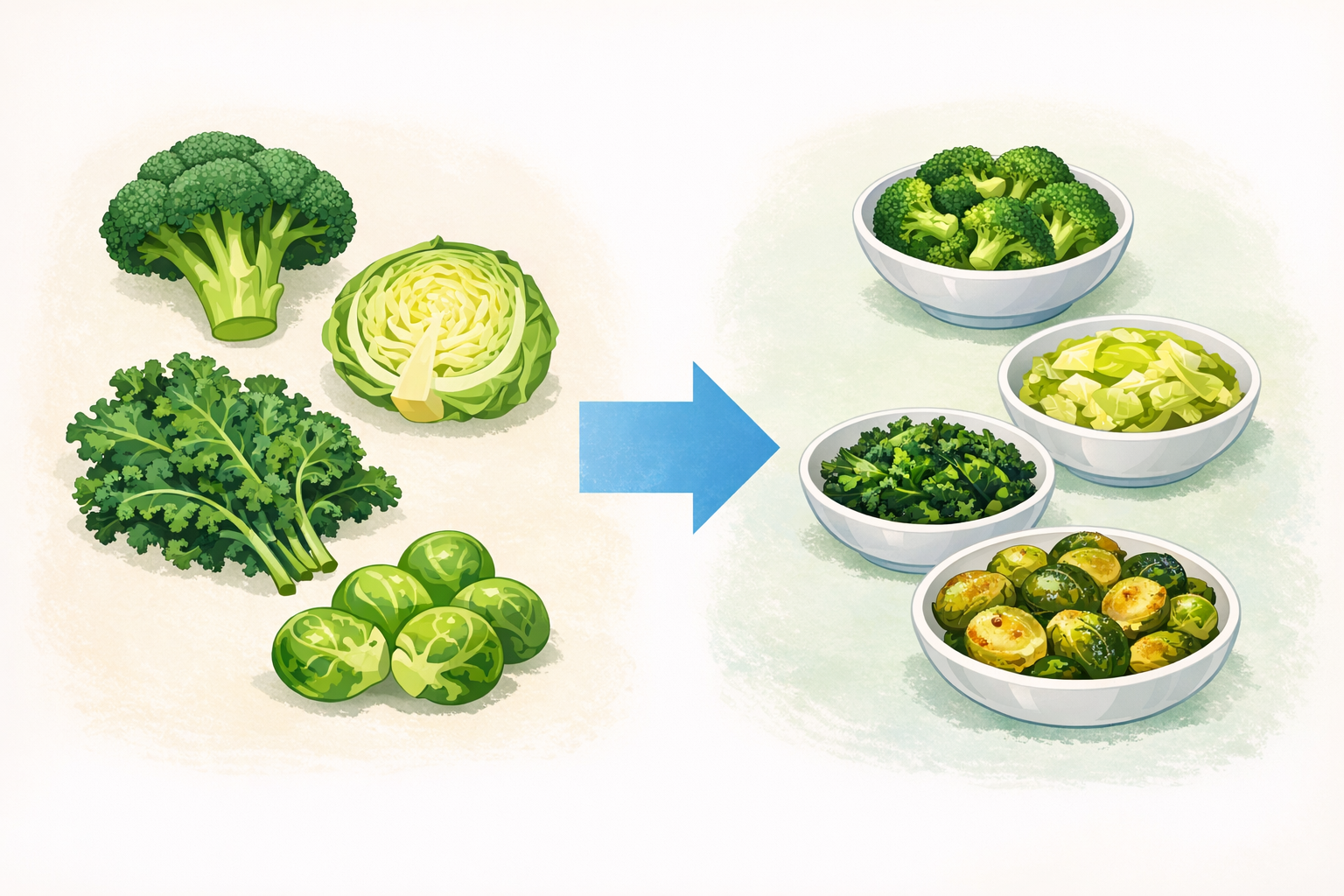
A simple infographic-style illustration showing goitrogenic foods (raw broccoli, cabbage, kale, brussels sprouts) on one side with an arrow pointing to cooked versions of the same vegetables on the other side, demonstrating how cooking reduces goitrogen content. Clean, educational style with a soft pastel background.

The important facts about goitrogens:

  • Cooking significantly reduces goitrogen content (steaming, roasting, or sautéing makes these vegetables safer)
  • The goitrogenic effect is mainly a concern with very high intake of raw cruciferous vegetables
  • Most people with hypothyroidism can safely eat 1-2 servings of cooked cruciferous vegetables daily
  • If you have a severe iodine deficiency, raw cruciferous vegetables may pose more risk

Practical approach: Enjoy cooked broccoli, cauliflower, Brussels sprouts, and kale freely. If you love raw salads, vary your greens and include lettuces, spinach, and other non-cruciferous options.

Real Dietitians, Real Results

Download on the App StoreGet it on Google Play

Gluten and Autoimmune Thyroid Disease: Is There a Connection?

Many people with Hashimoto's wonder about going gluten-free. The research suggests there may be a legitimate connection worth considering.

Here is what the science tells us:

  • Celiac disease is more common in people with autoimmune thyroid conditions than in the general population
  • Some studies suggest that gluten may contribute to intestinal permeability, sometimes called "leaky gut"
  • For some people with Hashimoto's, eliminating gluten reduces antibodies and improves symptoms
  • Not everyone with thyroid disease is sensitive to gluten

Practical approach: Consider a 6-8 week gluten-free trial to see if it improves your symptoms. Keep a symptom journal to track changes. If you notice improvements in energy, digestion, or mood, it may be worth continuing. If you see no difference, gluten may not be a trigger for you.

Real Dietitians, Real Results

Download on the App StoreGet it on Google Play

How to Lose Weight with Hypothyroidism

Weight management with hypothyroidism can feel impossible. Your slowed metabolism makes it harder to burn calories, and fatigue makes exercise challenging. The key is working with your body, not against it.

Strategies that can help:

  • Focus on nutrient density rather than calorie restriction
  • Prioritize protein at each meal to support metabolism and muscle mass
  • Include fiber-rich foods to promote fullness and support digestive health
  • Address inflammation through your food choices
  • Work with your doctor to ensure your thyroid medication is properly optimized
  • Move your body gently, even on low-energy days, with activities like walking or yoga

Important: Severely restricting calories can actually slow your metabolism further and worsen fatigue. Focus on nourishing your body adequately with whole foods.

Real Dietitians, Real Results

Download on the App StoreGet it on Google Play

Thyroid Medication Timing: What You Need to Know

If you take levothyroxine or other thyroid medications, timing matters enormously. Certain foods and supplements can significantly reduce absorption, leaving you with inadequate medication levels.

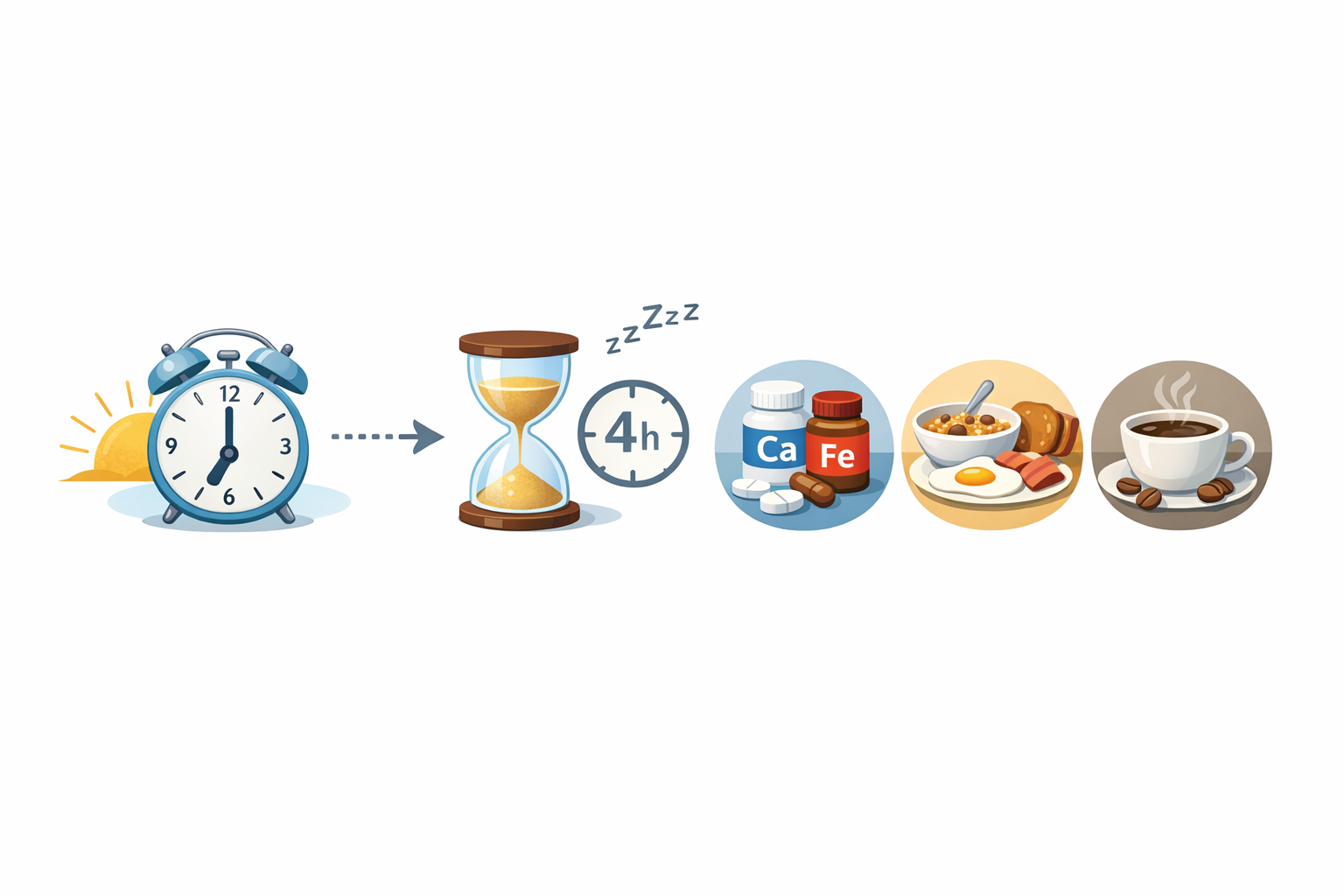
A timeline illustration showing optimal thyroid medication timing: a clock showing early morning (6-7 AM) for medication, followed by a 4-hour gap before breakfast, with icons representing foods and supplements to separate from medication (calcium, iron, coffee). Simple, clear educational design.

General guidelines for thyroid medication:

Real Dietitians, Real Results

Download on the App StoreGet it on Google Play
  • Take your medication on an empty stomach, ideally 30-60 minutes before breakfast
  • Wait at least 4 hours between your medication and calcium supplements or calcium-rich foods
  • Wait at least 4 hours between your medication and iron supplements
  • Coffee can reduce absorption, so wait at least an hour after your medication before having coffee
  • Be consistent with your timing each day

Key takeaway: Set your medication by your bedside with a glass of water. Take it first thing when you wake up, before you even think about breakfast or coffee.

Anti-Inflammatory Diet for Thyroid Health

Inflammation plays a central role in Hashimoto's and can worsen symptoms in all thyroid conditions. An anti-inflammatory approach to eating may help reduce thyroid antibodies and improve overall symptoms.

Anti-inflammatory foods to emphasize:

Real Dietitians, Real Results

Download on the App StoreGet it on Google Play
  • Fatty fish rich in omega-3s
  • Olive oil and avocados
  • Berries, cherries, and other colorful fruits
  • Leafy greens and cruciferous vegetables (cooked)
  • Nuts and seeds
  • Herbs and spices like turmeric, ginger, and rosemary
  • Green tea

Foods that promote inflammation:

  • Refined sugars and processed foods
  • Fried foods and trans fats
  • Excessive alcohol
  • Highly processed meats
  • Refined grains

Common Nutrient Deficiencies in Hypothyroidism

People with thyroid conditions often have additional deficiencies that can worsen symptoms. Working with a healthcare provider to identify and address these deficiencies can significantly improve how you feel.

Common deficiencies include:

Real Dietitians, Real Results

Download on the App StoreGet it on Google Play
  • Vitamin D: Essential for immune function and often low in autoimmune conditions
  • Vitamin B12: Can cause fatigue and neurological symptoms when deficient
  • Iron: Particularly common in women of reproductive age
  • Magnesium: Involved in hundreds of enzyme reactions and often depleted
  • Zinc: Important for thyroid hormone conversion

Ask your doctor to test these levels if you have not recently. Addressing deficiencies through food or supplements can make a noticeable difference in your energy and symptoms.

Sample Daily Meal Plan for Thyroid Health

Putting this together into practical meals can help you get started. Here is a sample day that incorporates thyroid-supporting nutrients:

Breakfast (30-60 minutes after medication):

  • Two eggs scrambled with spinach and bell peppers
  • One slice of gluten-free toast or half a sweet potato
  • A small handful of berries

Snack:

  • One or two Brazil nuts
  • A few olives or a small portion of hummus

Lunch:

  • Salmon or sardines over mixed greens
  • Quinoa or brown rice
  • Roasted vegetables (broccoli, carrots, sweet potato)
  • Olive oil and lemon dressing

Afternoon snack:

  • Greek yogurt with pumpkin seeds
  • Or an apple with almond butter

Dinner:

  • Chicken or turkey with herbs
  • Lentil soup or chickpea stew
  • Cooked leafy greens or roasted Brussels sprouts

Evening:

  • Herbal tea (chamomile or ginger)

Hydration: Drink water throughout the day. Consider limiting water around meals to avoid diluting stomach acid, which aids nutrient absorption.

Real Dietitians, Real Results

Download on the App StoreGet it on Google Play

When to Work with a Dietitian for Thyroid Nutrition

While this guide provides a strong foundation, thyroid nutrition can be complex. Every person is different, and what works for one person may not work for another. Your specific situation, including your medications, other health conditions, food sensitivities, and lifestyle, all factor into the best approach for you.

Consider working with a registered dietitian if:

  • You are struggling to manage your weight despite your best efforts
  • You have multiple food sensitivities or digestive issues
  • You want personalized guidance on supplements
  • You suspect gluten or other foods are triggering symptoms
  • You need help creating sustainable meal plans

A registered dietitian can help you create a personalized thyroid-friendly eating plan that fits your life, preferences, and health goals. They can also help you navigate the sometimes overwhelming amount of information about thyroid diets.

Real Dietitians, Real Results

Download on the App StoreGet it on Google Play

Taking the Next Step

Managing a thyroid condition is a journey, and nutrition is one of the most powerful tools you have to support your health along the way. Start with small changes: add a Brazil nut to your daily routine, focus on whole foods, and pay attention to your medication timing. Notice how these changes affect your energy and symptoms.

Remember that nutrition supports but does not replace your thyroid medication. Continue working with your healthcare provider to monitor your thyroid levels and adjust your treatment as needed.

If you are ready for personalized guidance, Nutrista connects you with qualified registered dietitians who specialize in thyroid health. Unlike generic calorie-tracking apps that offer only AI-generated advice, Nutrista provides access to a community of real, vetted dietitians who use AI-supported tools to create personalized, evidence-based meal plans tailored to your specific needs. These professionals understand the complexities of thyroid conditions and can help you navigate your unique challenges with compassion and expertise.

Real Dietitians, Real Results

Download on the App StoreGet it on Google Play

Always consult with a healthcare professional or registered dietitian before making significant changes to your diet, especially if you are managing a health condition. This article provides general educational information and is not a substitute for personalized medical advice.

Real Dietitians, Real Results

Download on the App StoreGet it on Google Play
#thyroid diet#hashimoto's nutrition#hypothyroidism foods

Others Viewed