



thyroid diet

Thyroid Diet: Foods to Eat and Avoid for Hashimoto's and Hypothyroidism

Nutrista Teamβ€’
Share
Thyroid Diet: Foods to Eat and Avoid for Hashimoto's and Hypothyroidism

Thyroid Diet: Foods to Eat and Avoid for Hashimoto's and Hypothyroidism

Living with Hashimoto's or hypothyroidism can feel like you are constantly battling fatigue, brain fog, and a metabolism that has slowed to a crawl. You might be doing everything your doctor says, yet your energy levels remain stubbornly low. You are not alone, and you are not imagining it. While medication is the cornerstone of treatment, the food on your plate plays a powerful supporting role in how you feel every single day. Understanding what to eat and what to avoid can be a game-changer for managing your symptoms and reclaiming your vitality.

This guide walks you through the evidence-based nutritional strategies that can help support your thyroid, lower inflammation, and minimize the frustrating symptoms of an underactive thyroid.

What Are Hashimoto's and Hypothyroidism?

Hypothyroidism is a condition where your thyroid gland does not produce enough thyroid hormones. These hormones are like the master control switch for your metabolism, affecting everything from your heart rate and body temperature to how quickly you burn calories. The most common cause of hypothyroidism is Hashimoto's thyroiditis, an autoimmune disorder where your immune system mistakenly attacks the thyroid gland. This ongoing attack leads to chronic inflammation and, over time, impairs the gland's ability to produce hormones.

Real Dietitians, Real Results

Download on the App StoreGet it on Google Play

Because your metabolism is directly impacted, nutrition becomes critically important. The goal of a thyroid-supportive diet is not to cure the condition, but to provide the nutrients your thyroid needs to function at its best, calm the autoimmune attack, and manage the downstream effects like weight gain and sluggish digestion.

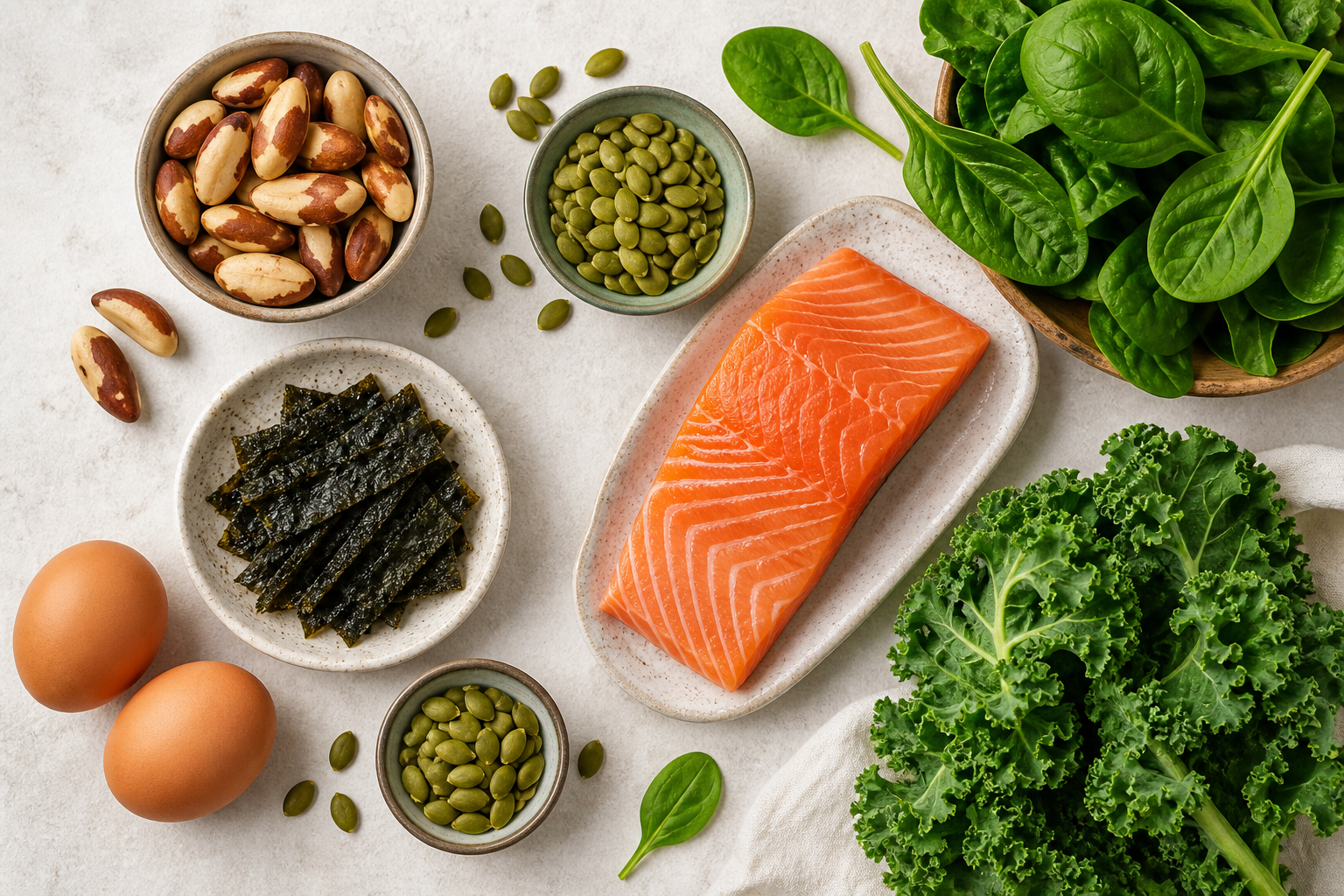
A clean, organized flat-lay arrangement of thyroid-supportive ingredients: Brazil nuts in a small bowl, fresh salmon fillet, pumpkin seeds, dried seaweed strips, eggs, and leafy greens

Key Nutrients That Power Your Thyroid

Think of these nutrients as the essential building blocks and workers that make thyroid hormone production and activation possible.

Real Dietitians, Real Results

Download on the App StoreGet it on Google Play
  • Selenium for Hormone Conversion: Your body converts the storage form of thyroid hormone (T4) into the active form (T3). Selenium is the star mineral that makes this conversion happen. The richest source is Brazil nutsβ€”just one or two a day can meet your entire requirement. Other excellent sources include fish like tuna and salmon, eggs, and sunflower seeds.
  • Zinc for Hormone Production: Zinc is directly involved in the synthesis of thyroid hormones. A deficiency can contribute to hypothyroidism. You can find it in pumpkin seeds, oysters, crab, chickpeas, and cashews.
  • Iodine: A Nuanced Relationship: Iodine is a fundamental component of thyroid hormones, and your body cannot make them without it. However, for those with Hashimoto's, the picture is complicated. Excessive iodine, especially from supplements or high-dose kelp, can actually trigger or worsen an autoimmune flare. Focus on food sources like seaweed (in moderation), fish, and iodized salt, and never take an iodine supplement without your doctor's supervision.
  • Iron for Thyroid Function: Low iron levels are linked to decreased thyroid function. The thyroid peroxidase enzyme, which is crucial for hormone production, depends on iron. Include lean red meat, lentils, spinach, and pumpkin seeds in your diet. Pair plant-based iron with a squeeze of lemon juice for better absorption.
  • Tyrosine as a Building Block: Tyrosine is an amino acid that combines with iodine to form thyroid hormones. It is abundant in protein-rich foods like chicken, turkey, fish, tofu, dairy products, and legumes.

Foods to Eat Regularly for Thyroid Health

Building your meals around these food groups can help reduce inflammation, supply critical nutrients, and support a healthy metabolism.

Selenium-Rich Food Swaps

  • Add 1-2 Brazil nuts to your morning oatmeal or as a quick snack.
  • Enjoy a tuna or salmon salad for lunch twice a week.
  • Hard-boil eggs for a high-protein, selenium-packed snack.

Zinc-Rich Options for Daily Intake

  • Sprinkle pumpkin seeds on salads, yogurt, or soups.
  • Use chickpeas to make hummus or roast them for a crunchy treat.
  • Incorporate shellfish like shrimp or crab into a weeknight stir-fry.

Lean Proteins for Tyrosine and Satiety

  • Start your day with Greek yogurt or a protein smoothie.
  • Grill a chicken breast or a piece of salmon for dinner.
  • Snack on a handful of edamame or a cup of bone broth.

Anti-Inflammatory and Antioxidant-Rich Foods

  • Colorful vegetables and fruits: Berries, cherries, beets, and leafy greens are packed with antioxidants that combat oxidative stress.
  • Fiber-rich foods: Sluggish digestion is a common hypothyroidism symptom. Lentils, oats, chia seeds, and vegetables help keep things moving and stabilize blood sugar.
  • Healthy fats: Olive oil, avocados, and fatty fish provide anti-inflammatory omega-3 fatty acids.

Foods to Limit or Avoid with Hashimoto's

Some foods can interfere with your thyroid medication, fuel inflammation, or disrupt hormone function. Moderation and timing are key.

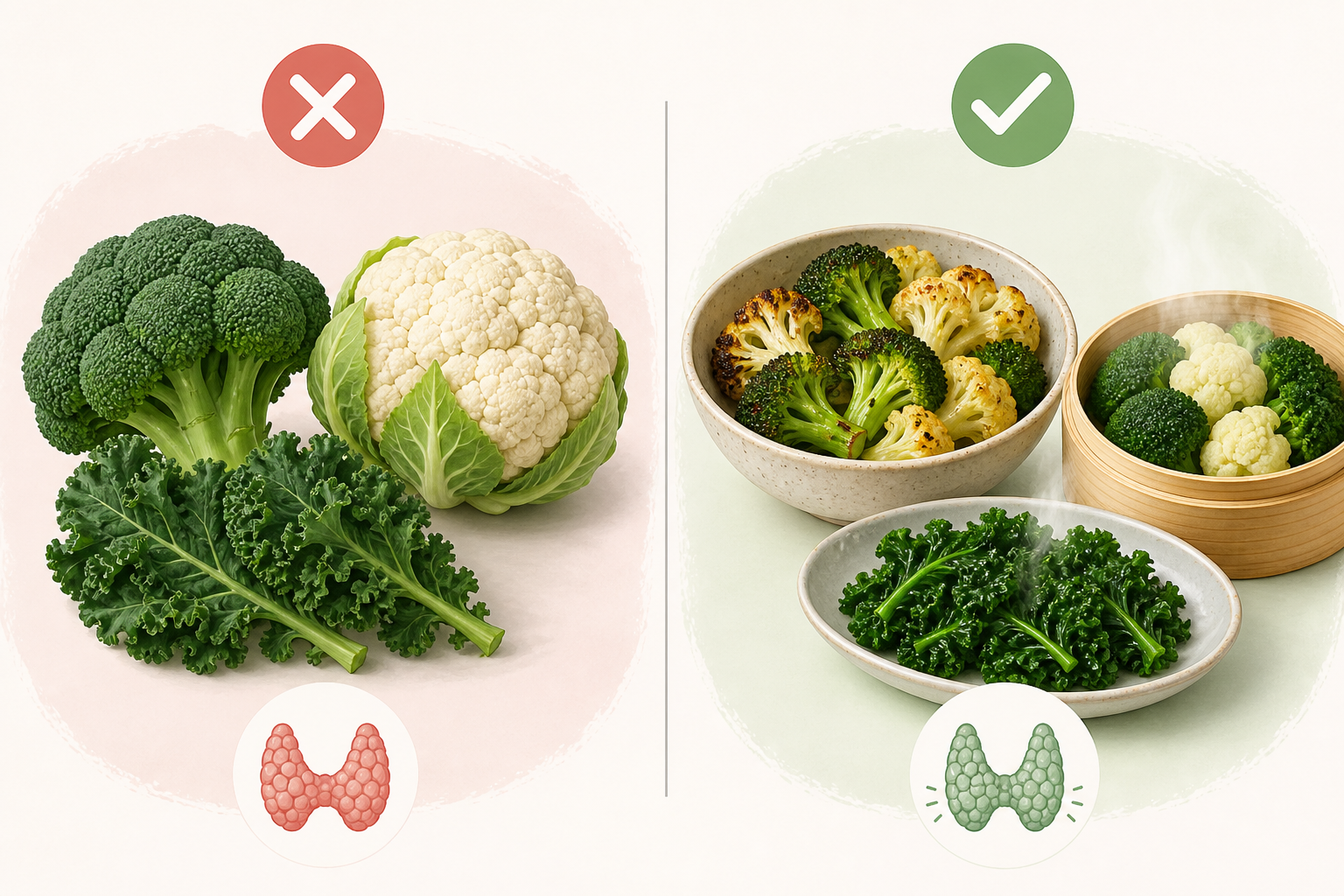
A comparison illustration showing goitrogenic foods: raw cruciferous vegetables on one side with an 'X' mark, and the same vegetables roasted or steamed on the other side with a checkmark

Real Dietitians, Real Results

Download on the App StoreGet it on Google Play
  • Goitrogens (Raw Cruciferous Vegetables): Compounds in raw broccoli, cauliflower, kale, and Brussels sprouts can interfere with iodine uptake by the thyroid. Cooking these vegetables thoroughly deactivates the goitrogenic compounds. You absolutely do not need to eliminate these nutrient-dense foods; simply enjoy them steamed, roasted, or sauteed.
  • Soy Products: Soy contains isoflavones that can inhibit thyroid peroxidase activity and interfere with the absorption of thyroid medication. You can still consume soy foods like tofu or edamame occasionally, but wait at least four hours after taking your medication, and avoid large quantities of highly processed soy isolates.
  • Gluten: There is a well-documented link between Hashimoto's and celiac disease. Even without celiac disease, some individuals with Hashimoto's report feeling better on a gluten-free diet, possibly due to reduced inflammation and molecular mimicry. If you suspect a sensitivity, work with a dietitian to try a structured elimination diet.
  • Refined Sugars and Processed Foods: These fuel inflammation and cause blood sugar spikes and crashes, which can worsen fatigue and metabolic dysfunction. Focus on whole, unprocessed foods as much as possible.
  • Excessive Iodine: Avoid kelp supplements, high-dose iodine supplements, and excessive consumption of seaweed like kombu, which can overload the thyroid and trigger a Hashimoto's flare.

Timing and Medication Interactions

How and when you take your thyroid medication is just as important as what you eat. The goal is to maximize absorption so you get the full benefit of your prescribed dose.

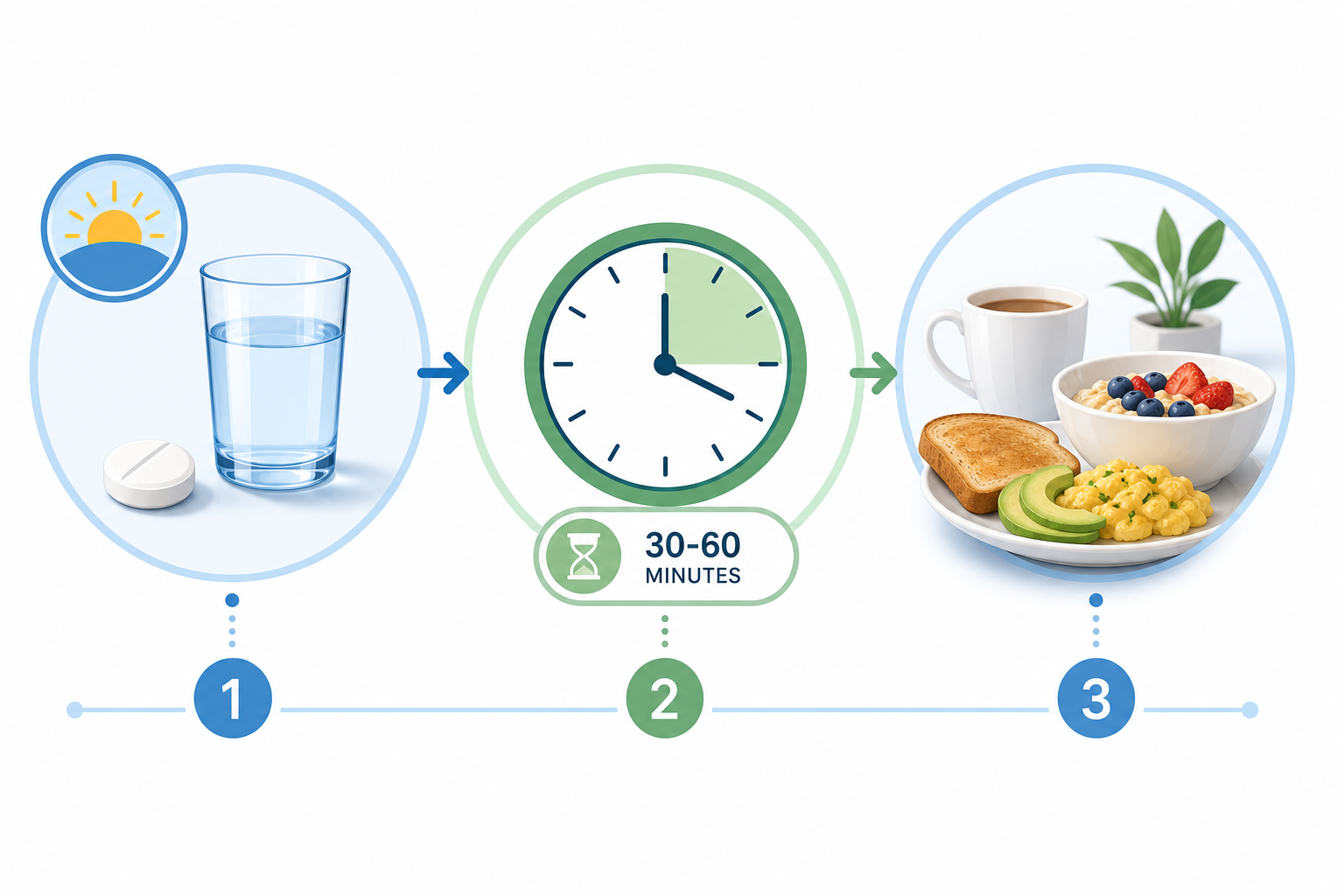
  • Take levothyroxine on an empty stomach with a full glass of water, ideally first thing in the morning.
  • Wait 30 to 60 minutes before eating or drinking coffee. Coffee can significantly reduce absorption.
  • Space out interfering supplements and foods. Calcium, iron, and high-fiber foods can bind to the medication and prevent absorption. Take calcium and iron supplements at least four hours after your thyroid medication.

A simple daily timeline graphic showing thyroid medication timing: morning pill with water, then a clock showing 30-60 minutes later, followed by breakfast

A Simple 3-Day Meal Framework

Here is a gentle, flexible framework to help you put all the advice together. Listen to your body and adjust portions to your hunger and fullness cues.

Real Dietitians, Real Results

Download on the App StoreGet it on Google Play

Day 1

  • Breakfast: Gluten-free oatmeal made with water or milk, topped with 2 chopped Brazil nuts, a handful of blueberries, and a sprinkle of cinnamon.
  • Lunch: Quinoa salad bowl with grilled chicken, roasted sweet potato, baby spinach, and a lemon-tahini dressing.
  • Dinner: Baked salmon with a side of steamed green beans and roasted cherry tomatoes.
  • Snack: An apple with a tablespoon of almond butter.

Day 2

  • Breakfast: Two scrambled eggs with wilted spinach (cooked) and half an avocado.
  • Lunch: Lentil soup with carrots, celery, and onions, served with a side of mixed greens dressed in olive oil and vinegar.
  • Dinner: Lean beef and vegetable stir-fry (broccoli, bell peppers, snap peas) with tamari over brown rice.
  • Snack: A small pot of full-fat Greek yogurt with sunflower seeds.

Day 3

  • Breakfast: A smoothie with unsweetened coconut milk, a scoop of pea protein, a handful of frozen berries, a tablespoon of chia seeds, and a small handful of raw pumpkin seeds.
  • Lunch: Leftover beef and vegetable stir-fry.
  • Dinner: Roasted chicken thighs with turmeric-roasted cauliflower and a side of sauteed kale with garlic.
  • Snack: Sliced cucumber and carrot sticks with hummus.

Lifestyle Factors That Complement Your Diet

Food is a powerful tool, but it works best alongside other healthy habits that calm the immune system and support hormone balance.

  • Stress Management: Chronic stress elevates cortisol, which can suppress thyroid function and drive autoimmune activity. Even five minutes a day of deep breathing, a short walk, or journaling can make a difference.
  • Prioritize Quality Sleep: Your body needs deep, restorative sleep to regulate hormones and repair tissue. Aim for 7-9 hours in a cool, dark room, and try to wind down without screens for an hour before bed.
  • Gentle Movement: When you are exhausted, a high-intensity workout can be counterproductive. Focus on gentle, restorative exercises like walking, yoga, pilates, or swimming, which support circulation and mood without overtaxing your system.

When to Seek Personalized Help

Navigating a thyroid condition can feel like a full-time job, and the vast amount of conflicting online information only adds to the overwhelm. While this guide provides a strong foundation, every person's body is unique. A gluten-free diet may be life-changing for one person and unnecessary for another. The nuances of iodine, hidden soy in processed foods, and balancing multiple supplements are complex.

A registered dietitian can help you create a personalized, realistic eating plan that fits your life, identifies your specific trigger foods, and ensures you are meeting all your nutritional needs without unnecessary restriction.

Real Dietitians, Real Results

Download on the App StoreGet it on Google Play

This is where Nutrista steps in to bridge the gap between generic advice and expert, human-led care. Unlike standard calorie-tracking apps that offer only automated, AI-generated suggestions, Nutrista is the first platform that connects you with a large community of international, registered, vetted dietitians who are supported by AI to provide the most modern, effective guidance. The technology empowers real experts to help you faster, so you get a plan that is truly tailored to your thyroid health, not a one-size-fits-all algorithm.

This article is for informational purposes only and does not constitute medical advice. Always consult your doctor or a registered dietitian before making significant changes to your diet, especially when managing a chronic health condition.

If you are ready to move beyond generalized lists and find a sustainable way of eating that helps you feel like yourself again, consider booking a consultation with a qualified dietitian through Nutrista.

Real Dietitians, Real Results

Download on the App StoreGet it on Google Play
#thyroid diet#hashimoto's#hypothyroidism

Others Viewed