




The Sticky Note Nightmare: Why 90% of Dietitians Fail in January 😱
Is your January client rush a total disaster? Stop drowning in sticky notes and messy Excel sheets. See how Nutrista AI saves your sanity and scales your business in 2026. 🚀

Receiving a prediabetes diagnosis can feel unsettling. Perhaps your doctor mentioned it during a routine checkup, or maybe you have a family history of type 2 diabetes and want to take proactive steps. Whatever brought you here, know that you are not alone, and more importantly, prediabetes can often be reversed through thoughtful lifestyle changes.
This article will guide you through the science behind prediabetes and provide practical, realistic nutrition strategies you can start using today. Small, consistent changes truly can make a meaningful difference.
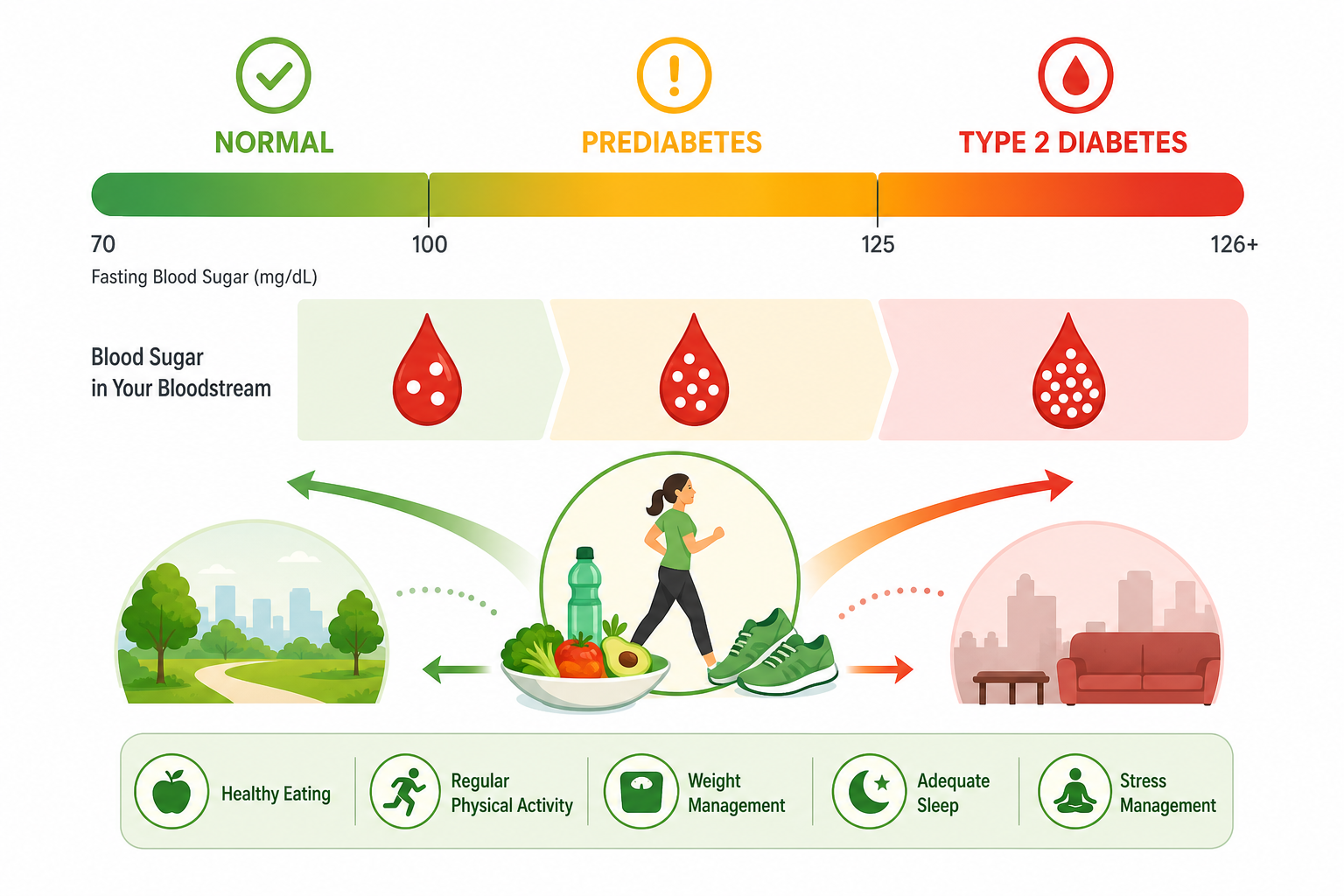
Prediabetes is a condition where your blood sugar levels are higher than normal, but not yet high enough to be classified as type 2 diabetes. It is essentially a warning sign, your body's way of telling you that something needs attention.
Prediabetes blood sugar levels typically fall into these ranges:
A prediabetes diagnosis matters because it represents a critical window of opportunity. Without intervention, approximately 70% of people with prediabetes will go on to develop type 2 diabetes. However, this progression is not inevitable. Research consistently shows that lifestyle modifications, particularly nutrition and physical activity, can significantly reduce this risk.
Taking action now, while your body still produces insulin effectively, can help you avoid the more serious health complications associated with diabetes, including heart disease, kidney problems, and nerve damage.
To understand how to reverse prediabetes, it helps to understand what is happening in your body. When you eat carbohydrates, your digestive system breaks them down into glucose, which enters your bloodstream. Your pancreas responds by releasing insulin, a hormone that acts like a key, unlocking your cells so they can use glucose for energy.
In prediabetes, your cells begin to resist insulin's signal. Your pancreas works harder to produce more insulin, but over time, it cannot keep up with the demand. This leads to elevated blood sugar levels.
Several factors contribute to insulin resistance, including:
Importantly, developing prediabetes is not a personal failure. Many factors are outside your control. What matters now is focusing on the changes you can make.
You may wonder, can prediabetes be reversed? The research is encouraging. The landmark Diabetes Prevention Program study found that lifestyle changes reduced the risk of developing type 2 diabetes by 58% over three years, outperforming medication alone.
Participants made modest changes: losing 5-7% of their body weight and engaging in 150 minutes of weekly physical activity. These manageable adjustments produced remarkable results.
A well-designed prediabetes diet plan can help you:

The best diet for prediabetes is not about deprivation. It is about nourishing your body with foods that support stable blood sugar and overall health. Here are the key food groups to prioritize.
Non-starchy vegetables should form the foundation of your meals. They provide essential vitamins, minerals, and fiber while having minimal impact on blood sugar.
Aim for at least 2-3 servings per meal:
Protein helps you feel satisfied and has minimal effect on blood sugar. Including protein at each meal can help slow glucose absorption.
Excellent protein sources include:
Fat slows digestion and helps stabilize blood sugar. Focus on unsaturated fats from whole food sources.
Healthy fat options:
Fruit can absolutely be part of a prediabetes diet. Choose fruits that have less impact on blood sugar and always pair them with protein or fat.
Best fruit choices:
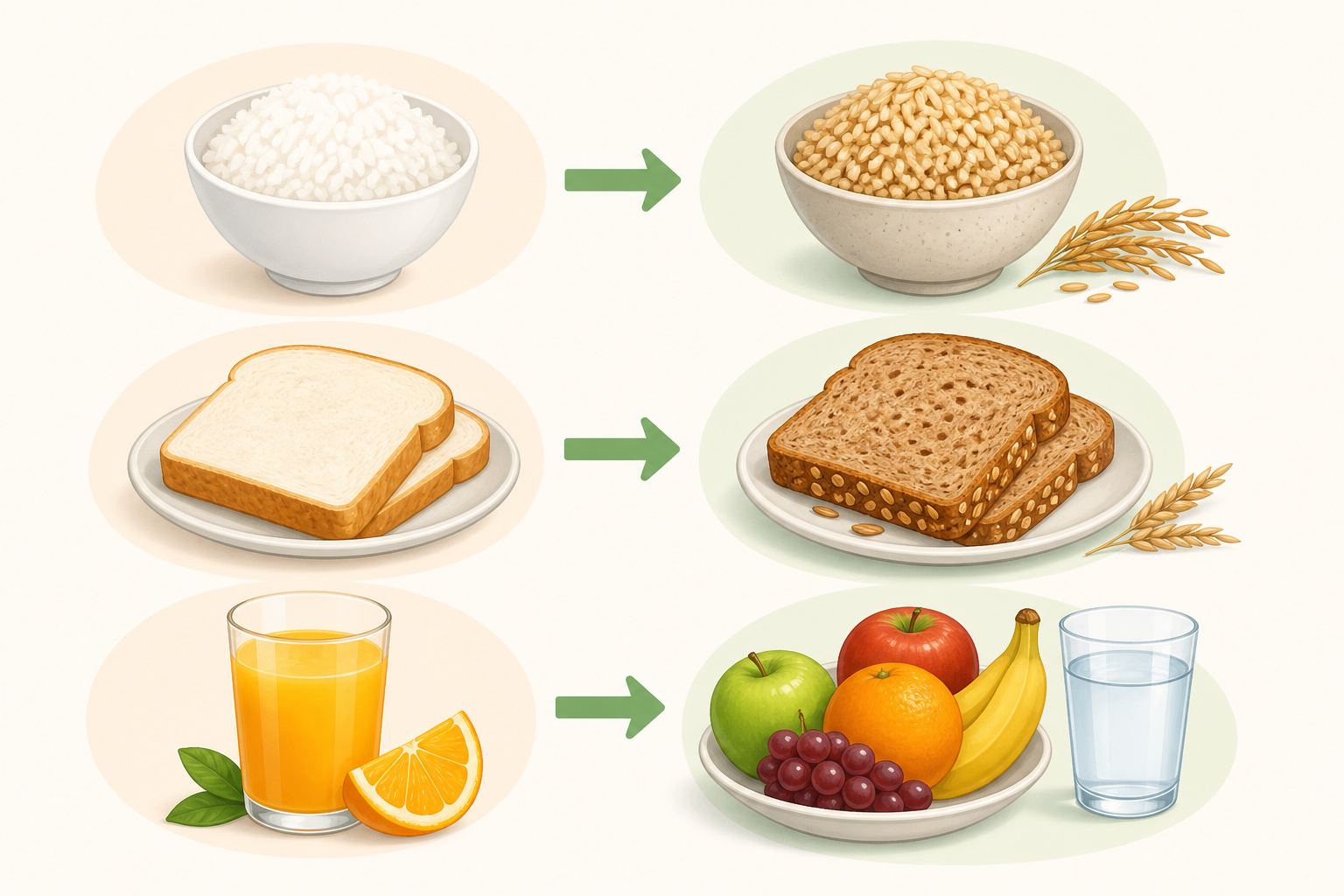
Complex carbohydrates provide fiber and sustained energy. Portion size matters, but these nutrient-dense options are far better than refined alternatives.
Blood sugar-friendly carbohydrates:

Rather than thinking in terms of forbidden foods, consider which choices serve your health goals and which ones work against them. Here are foods that tend to spike blood sugar and are best enjoyed rarely or in small portions.
Refined carbohydrates:
Sugary beverages:
Processed snacks and sweets:
Why these foods are problematic: They rapidly convert to glucose in your bloodstream, causing sharp spikes that your body struggles to manage. Over time, frequent spikes worsen insulin resistance.
This does not mean you can never enjoy a piece of birthday cake or a favorite treat. The key is awareness, moderation, and planning.
What you eat matters, but so does how you eat. These practical strategies can help you maintain stable blood sugar throughout the day.
Skipping meals, especially breakfast, can lead to blood sugar swings and overeating later. Aim for three balanced meals at consistent times each day. If you need snacks, choose options that combine protein, fiber, and healthy fats.
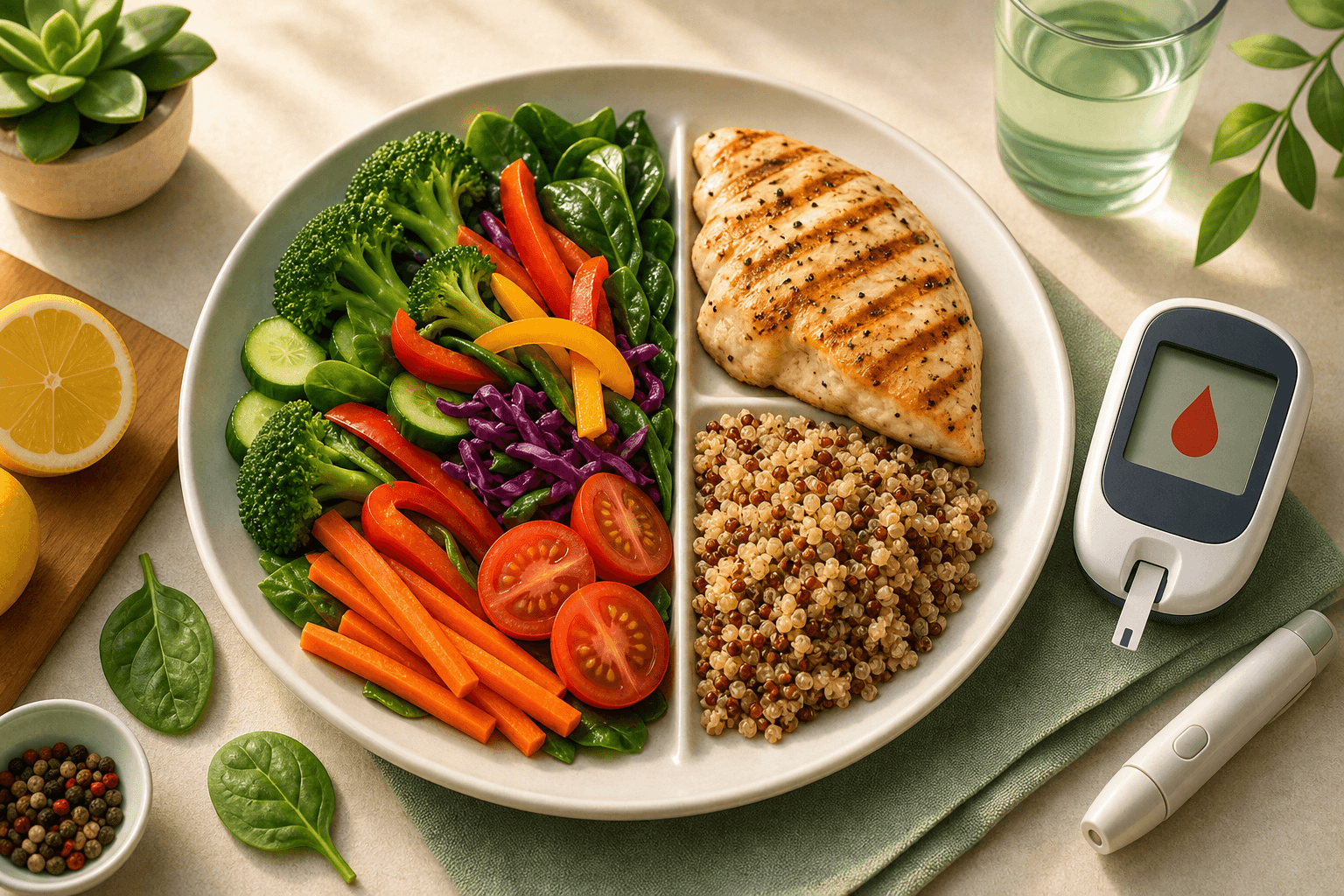
This visual approach makes portion control simple without measuring or counting:
Eating slowly, without distractions, helps you recognize hunger and fullness cues. This naturally supports appropriate portions and prevents overeating.

Here are practical, budget-friendly meal suggestions to get you started.
Breakfast options:
Lunch options:
Dinner options:
Snack options:
Weight loss can significantly improve insulin sensitivity. However, the goal is not dramatic weight loss through restrictive dieting. Research shows that losing just 5-7% of your body weight can reduce diabetes risk by over 50%.
For someone weighing 180 pounds, that means losing 9-13 pounds. This is achievable through sustainable nutrition changes rather than crash diets that rarely work long-term.
Focus on nourishing your body well, and weight loss often follows naturally. Avoid the cycle of restriction and deprivation, which typically backfires.
While nutrition is foundational, other lifestyle factors significantly influence blood sugar control.
Physical activity: Exercise helps your cells become more sensitive to insulin. Aim for at least 150 minutes of moderate activity weekly, such as brisk walking, swimming, or cycling. Even 10-minute walks after meals can help lower blood sugar.
Sleep: Poor sleep disrupts hormones that regulate appetite and blood sugar. Strive for 7-8 hours of quality sleep each night.
Stress management: Chronic stress raises cortisol, which can increase blood sugar. Find stress-reduction practices that work for you, whether meditation, gentle yoga, deep breathing, or time in nature.
While general guidance is helpful, personalized advice from a registered dietitian can make a tremendous difference. A dietitian can help you:
Working with a qualified professional takes the guesswork out of managing prediabetes. Platforms like Nutrista connect people with registered dietitians who provide personalized guidance. Unlike generic calorie-tracking apps that offer only automated suggestions, Nutrista pairs you with a real, credentialed dietitian who understands your unique situation. They use modern AI tools to enhance their expertise, giving you the best of both worlds: human insight and technological support.
Reversing prediabetes is absolutely possible. You do not need to overhaul your entire life overnight. Start with one or two changes you can sustain, such as:
Each positive choice builds momentum. Be patient with yourself, and celebrate progress, not perfection.
You have the power to protect your health. Start where you are, use what you have, and take it one meal at a time.
If you are ready for personalized support, consider connecting with a registered dietitian through Nutrista. Their platform empowers real, vetted dietitians with artificial intelligence tools, so you receive guidance that is both evidence-based and tailored to your life. This is not about generic advice from an app; it is about real expertise from a qualified professional who is invested in your success.
This article provides general educational information and is not a substitute for medical advice. Please consult your healthcare provider or a registered dietitian for personalized recommendations.

Is your January client rush a total disaster? Stop drowning in sticky notes and messy Excel sheets. See how Nutrista AI saves your sanity and scales your business in 2026. 🚀

Is your kitchen a graveyard of forgotten PDFs and sticky notes? 😱 Discover why your healthy habits die by Jan 10th and how Nutrista AI fixes your recipe chaos forever! 🔥🥗

Discover how dietitians can make it easy for clients to book consultations directly from their social media profiles. Learn about Nutrista's embeddable booking system.
Professional nutritionists ready to help you