




prediabetes

Prediabetes Diet: How to Reverse Prediabetes Naturally Through Nutrition

Nutrista Team
Share
Prediabetes Diet: How to Reverse Prediabetes Naturally Through Nutrition

Prediabetes Diet: How to Reverse Prediabetes Naturally Through Nutrition

If you have recently been told your blood sugar is higher than normal, you might be feeling worried, confused, or even a bit overwhelmed. Those feelings are completely understandable. Hearing that you have prediabetes can bring up questions about what this means for your future and whether type 2 diabetes is inevitable.

Here is the encouraging truth: prediabetes is not a life sentence. It is actually a wake-up call, an opportunity to make changes that can protect your health for years to come. Research consistently shows that with the right nutrition and lifestyle adjustments, many people can bring their blood sugar levels back to a healthy range and significantly reduce their risk of developing type 2 diabetes.

This article will walk you through exactly how food choices affect your blood sugar, which foods to embrace and which to limit, and practical meal ideas you can start using today. You are not alone in this journey, and small, consistent changes can lead to meaningful results.

Real Dietitians, Real Results

Download on the App StoreGet it on Google Play

Understanding Prediabetes and Blood Sugar Levels

Prediabetes means your blood sugar levels are higher than normal, but not yet high enough to be classified as type 2 diabetes. It signals that your body is starting to have trouble managing glucose effectively, often due to insulin resistance.

Key numbers to know:

  • A1C of 5.7% to 6.4% indicates prediabetes
  • Fasting blood glucose of 100 to 125 mg/dL suggests prediabetes
  • An A1C of 6.5% or higher typically indicates type 2 diabetes

When you eat carbohydrates, your body breaks them down into glucose, which enters your bloodstream. Insulin, a hormone produced by your pancreas, helps move that glucose into your cells for energy. When you have insulin resistance, your cells do not respond as effectively to insulin, causing glucose to build up in your blood.

Real Dietitians, Real Results

Download on the App StoreGet it on Google Play

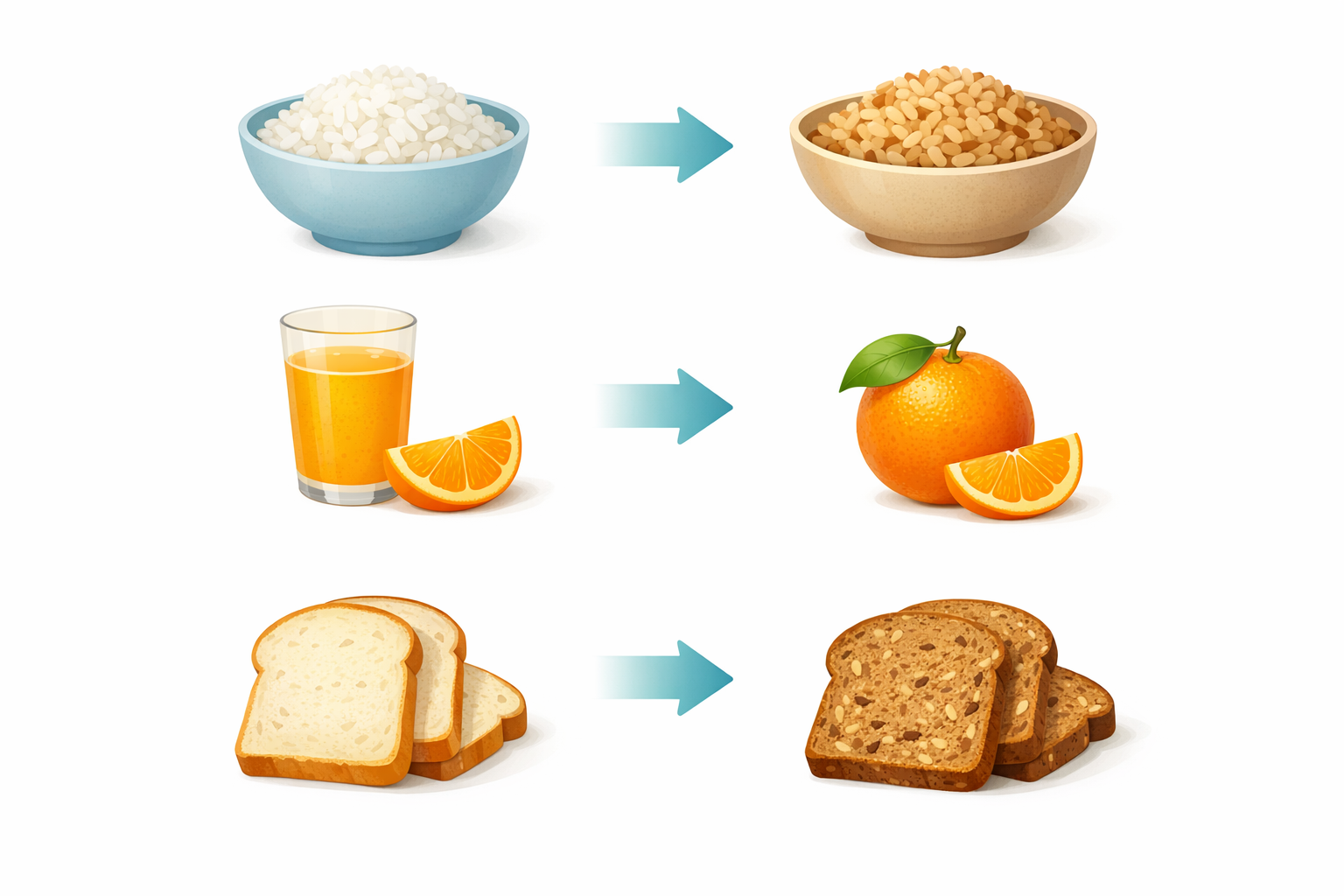
A simple, clear infographic-style illustration showing a comparison of blood sugar-friendly food swaps: white rice to brown rice, orange juice to a whole orange, white bread to whole grain bread. Clean, modern design with soft colors.

Over time, if insulin resistance continues, your pancreas struggles to keep up with the demand, and blood sugar levels rise further. This is why addressing prediabetes early matters so much.

The Science of Reversing Prediabetes Through Diet

The evidence is clear: lifestyle changes can dramatically reduce your risk of progressing to type 2 diabetes. The landmark Diabetes Prevention Program study found that people with prediabetes who made lifestyle changes reduced their risk of developing type 2 diabetes by 58% over three years. For adults over 60, the risk reduction was even higher at 71%.

Real Dietitians, Real Results

Download on the App StoreGet it on Google Play

These lifestyle changes focused on modest weight loss, increased physical activity, and dietary modifications. Notably, the lifestyle intervention was more effective than medication in preventing diabetes progression.

You do not need to overhaul your entire life overnight. Research suggests that losing just 5% to 7% of your body weight can significantly improve insulin sensitivity and blood sugar control. For someone weighing 180 pounds, that means a loss of 9 to 13 pounds.

Foods to Eat for Blood Sugar Control

Building a prediabetes-friendly diet is not about deprivation. It is about choosing foods that nourish your body while keeping your blood sugar stable.

Real Dietitians, Real Results

Download on the App StoreGet it on Google Play

Non-Starchy Vegetables

Non-starchy vegetables are the foundation of a blood sugar-friendly diet. They are packed with fiber, vitamins, and minerals while having minimal impact on blood glucose.

Aim for at least 2 to 3 servings per day:

  • Leafy greens like spinach, kale, and Swiss chard
  • Broccoli, cauliflower, and Brussels sprouts
  • Bell peppers, cucumbers, and zucchini
  • Tomatoes, green beans, and asparagus

Fill half your plate with non-starchy vegetables at lunch and dinner. Their fiber content helps slow glucose absorption and keeps you feeling full longer.

Real Dietitians, Real Results

Download on the App StoreGet it on Google Play

Quality Proteins

Protein helps stabilize blood sugar by slowing digestion and providing sustained energy without causing glucose spikes.

Include protein at every meal:

  • Chicken breast, turkey, and lean cuts of beef or pork
  • Fatty fish like salmon, mackerel, and sardines (rich in omega-3s)
  • Eggs and egg whites
  • Greek yogurt and cottage cheese
  • Tofu, tempeh, and edamame
  • Legumes like lentils and chickpeas

A serving size of 3 to 4 ounces of protein (about the size of your palm) is appropriate for most people.

Real Dietitians, Real Results

Download on the App StoreGet it on Google Play

Healthy Fats

Healthy fats improve insulin sensitivity and promote satiety, helping you feel satisfied after meals.

Incorporate these healthy fat sources:

  • Avocados and olive oil
  • Nuts like almonds, walnuts, and pistachios
  • Seeds including chia, flax, and pumpkin seeds
  • Fatty fish

Use olive oil as your primary cooking oil, add avocado to salads, and enjoy a small handful of nuts as a snack.

Real Dietitians, Real Results

Download on the App StoreGet it on Google Play

Complex Carbohydrates with Fiber

Carbohydrates are not off-limits, but choosing the right ones matters greatly. Complex carbohydrates contain fiber, which slows glucose absorption and prevents blood sugar spikes.

Choose these fiber-rich options:

  • Whole grains like quinoa, brown rice, and oats
  • Whole grain bread with at least 3 grams of fiber per slice
  • Beans, lentils, and peas
  • Starchy vegetables like sweet potatoes and winter squash

Keep portions moderate, typically 1/2 to 1 cup of cooked grains or starchy vegetables per meal.

Real Dietitians, Real Results

Download on the App StoreGet it on Google Play

Foods to Avoid with Prediabetes

Certain foods can cause rapid blood sugar spikes and contribute to insulin resistance. Knowing what to limit is just as important as knowing what to eat.

Refined Carbohydrates and Added Sugars

Refined carbohydrates have been stripped of their fiber and nutrients, causing them to break down quickly into glucose.

Limit or avoid:

Real Dietitians, Real Results

Download on the App StoreGet it on Google Play
  • White bread, white rice, and regular pasta
  • Crackers, chips, and pretzels made with refined flour
  • Cakes, cookies, pastries, and candy
  • Most breakfast cereals

Instead, choose whole grain alternatives and satisfy sweet cravings with fresh fruit.

Sugary Beverages

Liquid sugars are particularly problematic because they are absorbed rapidly, causing sharp spikes in blood glucose. Your body does not register liquid calories the same way it does solid food, making it easy to consume excess sugar.

Avoid or significantly limit:

Real Dietitians, Real Results

Download on the App StoreGet it on Google Play
  • Regular soda and sweetened iced tea
  • Fruit juices (even 100% juice)
  • Energy drinks and sports drinks
  • Sweetened coffee beverages
  • Cocktails and sweetened alcoholic drinks

Water should be your primary beverage. Try sparkling water with a splash of lemon or lime, or unsweetened herbal teas.

Highly Processed Foods

Processed foods often contain hidden sugars, unhealthy fats, and refined carbohydrates that can sabotage blood sugar control.

Be cautious with:

Real Dietitians, Real Results

Download on the App StoreGet it on Google Play
  • Packaged snack foods
  • Frozen meals and processed meats
  • Condiments with added sugar like barbecue sauce and ketchup
  • Flavored yogurts with high sugar content

Read nutrition labels carefully and choose products with minimal added sugars and recognizable ingredients.

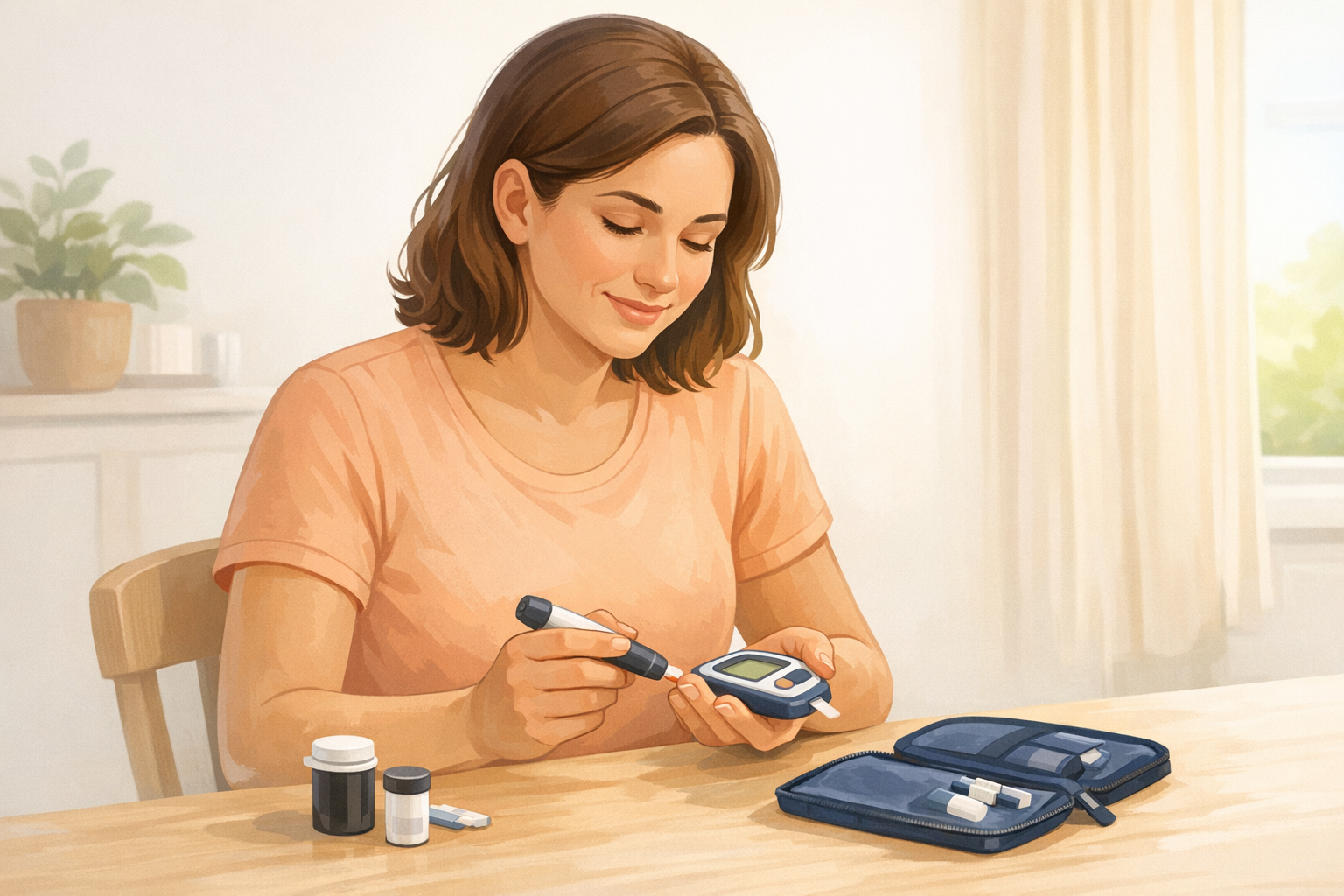
An illustration of a person checking their blood sugar with a glucose meter, shown in a calm, matter-of-fact way that normalizes blood sugar monitoring. The person appears comfortable and relaxed. Soft, warm colors. Professional health education style.

Meal Timing and Patterns for Blood Sugar Control

What you eat matters, but when you eat also plays a role in blood sugar management.

Real Dietitians, Real Results

Download on the App StoreGet it on Google Play

Regular Meals Prevent Blood Sugar Swings

Skipping meals can lead to blood sugar dips followed by overeating and glucose spikes. Eating at consistent times each day helps your body regulate blood sugar more effectively.

Aim for three balanced meals spaced 4 to 5 hours apart. Some people benefit from adding a small snack between meals to prevent excessive hunger.

Why Breakfast Matters

Studies show that eating a nutritious breakfast helps improve insulin sensitivity throughout the day. People who skip breakfast often experience higher blood sugar levels after lunch and dinner.

Real Dietitians, Real Results

Download on the App StoreGet it on Google Play

A prediabetes-friendly breakfast should include protein, healthy fat, and fiber-rich carbohydrates. Think veggie omelets, Greek yogurt with berries and nuts, or oatmeal topped with nut butter.

Evening Eating Considerations

Your body processes glucose less efficiently in the evening. Try to finish your last meal at least 2 to 3 hours before bedtime. Large, late-night meals can lead to elevated morning blood sugar levels.

Practical Meal Planning for Prediabetes

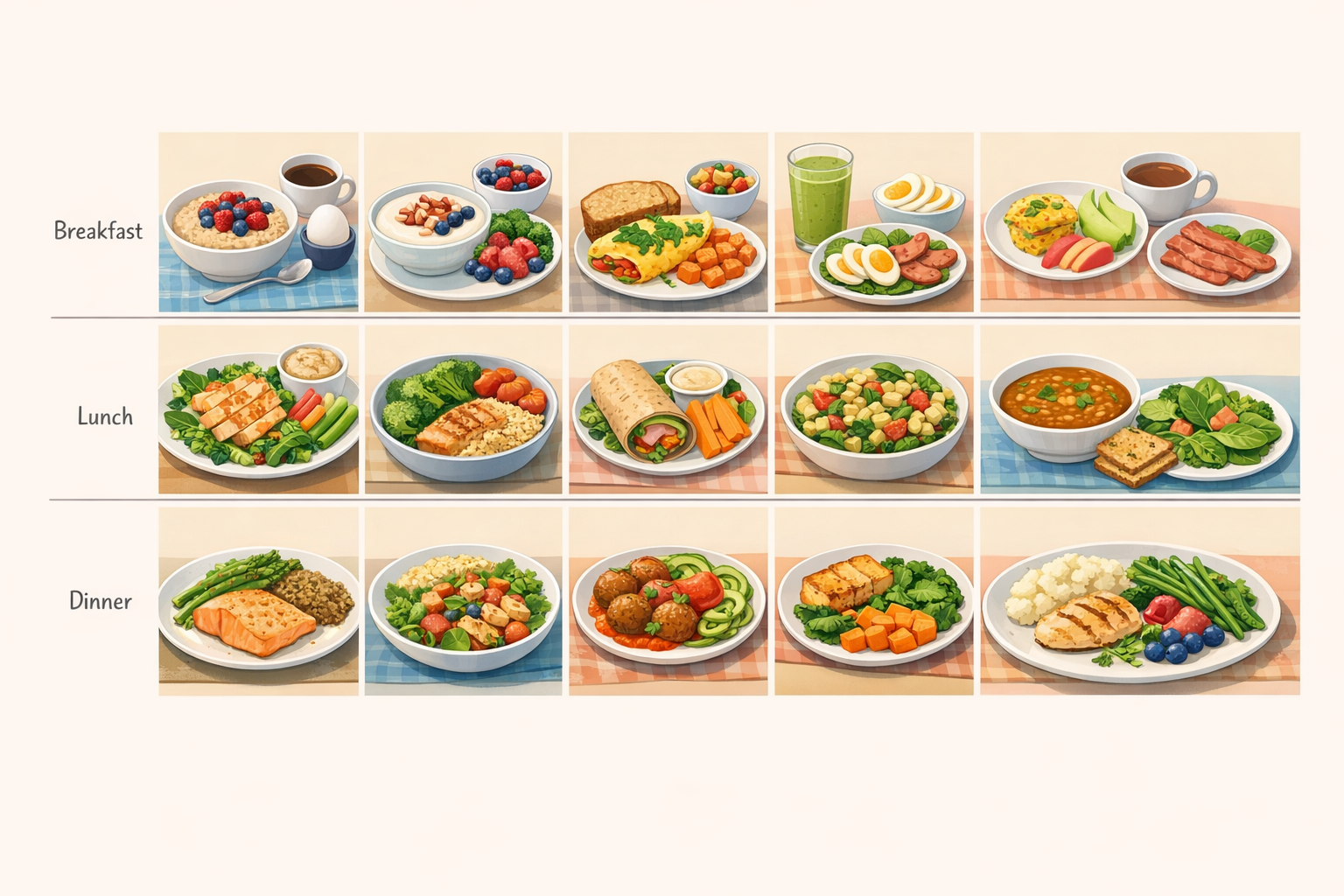
Having concrete meal ideas makes it easier to put recommendations into practice. Here are prediabetes-friendly options for every meal.

Real Dietitians, Real Results

Download on the App StoreGet it on Google Play

Breakfast Ideas

  1. Veggie scramble: Two eggs scrambled with spinach, mushrooms, and bell peppers, served with a slice of whole grain toast.
  2. Greek yogurt parfait: One cup of plain Greek yogurt topped with 1/2 cup of berries and 1 tablespoon of chopped walnuts.
  3. Overnight oats: 1/2 cup of rolled oats soaked overnight in unsweetened almond milk, topped with chia seeds and sliced almonds.

Lunch Ideas

  1. Mediterranean salad: Mixed greens topped with grilled chicken, cucumber, tomatoes, olives, and feta cheese with olive oil dressing.
  2. Lentil soup: A bowl of lentil soup with a side salad and a small whole grain roll.
  3. Turkey and avocado wrap: Sliced turkey, avocado, lettuce, and tomato in a whole grain tortilla with a side of baby carrots.

Dinner Ideas

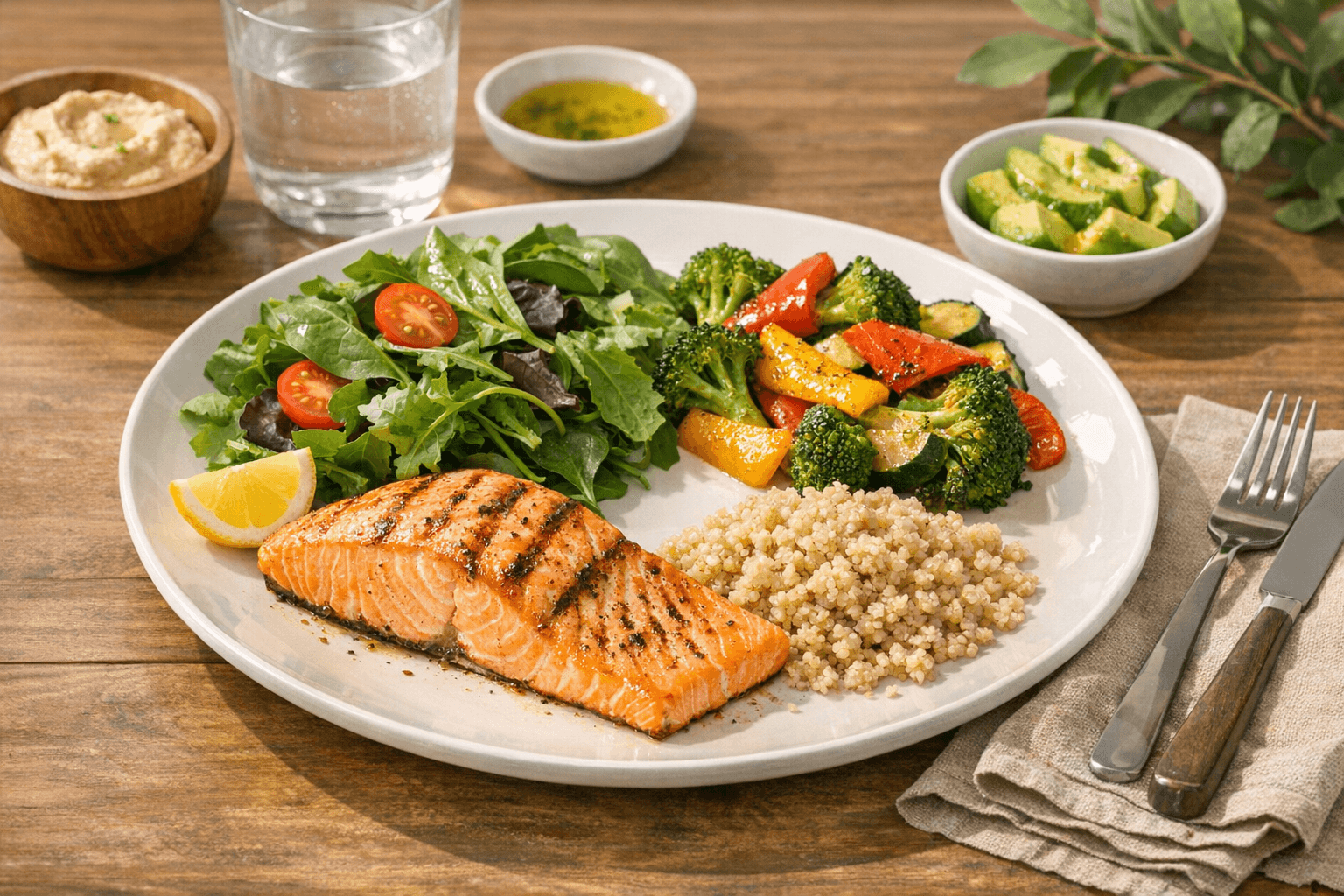
  1. Baked salmon: Salmon fillet roasted with lemon and herbs, served with roasted broccoli and a small portion of quinoa.
  2. Chicken stir-fry: Chicken breast stir-fried with mixed vegetables in olive oil, served over cauliflower rice.
  3. Stuffed bell peppers: Bell peppers stuffed with lean ground turkey, brown rice, and vegetables, topped with a small amount of cheese.

Healthy Snack Options

  • Apple slices with almond butter
  • A handful of nuts and seeds
  • Carrot sticks with hummus
  • Hard-boiled eggs
  • String cheese with a few whole grain crackers

A visual meal planning guide showing a week of prediabetes-friendly meals arranged in a grid format. Each meal shows a simple, recognizable representation of breakfast, lunch, and dinner options. Clean, organized layout with appetizing food illustrations. Soft, encouraging color palette.

Beyond Diet: Supporting Factors for Reversing Prediabetes

While nutrition is foundational, other lifestyle factors also influence blood sugar control.

Physical activity improves insulin sensitivity and helps your muscles use glucose more effectively. Aim for at least 150 minutes of moderate activity per week, such as brisk walking, swimming, or cycling. Even a 15-minute walk after meals can help lower post-meal blood sugar.

Real Dietitians, Real Results

Download on the App StoreGet it on Google Play

Quality sleep is essential for metabolic health. Poor sleep can increase insulin resistance and lead to cravings for sugary, high-carbohydrate foods. Strive for 7 to 8 hours of sleep each night.

Chronic stress raises cortisol levels, which can increase blood sugar and promote insulin resistance. Find stress management techniques that work for you, whether that is deep breathing, meditation, gentle yoga, or spending time in nature.

Working with Healthcare Providers

Reversing prediabetes is most successful when you have support and guidance. Regular monitoring helps you track your progress and catch any changes early.

Real Dietitians, Real Results

Download on the App StoreGet it on Google Play

Work with your healthcare team to:

  • Monitor your A1C levels as recommended
  • Check fasting blood glucose periodically
  • Assess other health markers like cholesterol and blood pressure
  • Adjust your plan based on your progress

A registered dietitian can create a personalized meal plan tailored to your preferences, lifestyle, and health goals. While general guidelines are helpful, individualized advice considers your unique needs and challenges.

This is where Nutrista can make a meaningful difference. Nutrista connects you with qualified, registered dietitians who provide personalized nutrition guidance rather than generic advice. Unlike calorie-tracking apps that rely solely on artificial intelligence, Nutrista ensures you work with a real dietitian who understands your specific situation and can adjust recommendations as needed. The platform empowers dietitians with modern technology, so you receive the most current, evidence-based support.

Taking Control of Your Health Journey

Real Dietitians, Real Results

Download on the App StoreGet it on Google Play

Reversing prediabetes is absolutely possible, but it requires patience and consistency. You will not see changes overnight, and that is okay. Focus on making one small improvement at a time, whether that is swapping white rice for brown, adding an extra serving of vegetables to your dinner, or taking a short walk after meals.

Remember:

  • Progress matters more than perfection
  • Every healthy choice adds up over time
  • Setbacks are normal and do not erase your progress
  • Support from healthcare professionals increases your chances of success

You have been given an opportunity to protect your long-term health. With the right nutrition, lifestyle adjustments, and professional support, you can take meaningful steps toward reversing prediabetes and feeling your best.

Real Dietitians, Real Results

Download on the App StoreGet it on Google Play

If you are ready for personalized guidance, consider connecting with a registered dietitian through Nutrista. Working with a qualified professional who can create a customized plan based on your unique needs makes the journey less overwhelming and more sustainable. Always consult with your healthcare provider before making significant changes to your diet or exercise routine.

Real Dietitians, Real Results

Download on the App StoreGet it on Google Play
#prediabetes#blood sugar control#diabetes prevention

Others Viewed