





The Recipe Chaos: Why 92% of Healthy Meal Plans Fail by Jan 10th 😱
Is your kitchen a graveyard of forgotten PDFs and sticky notes? 😱 Discover why your healthy habits die by Jan 10th and how Nutrista AI fixes your recipe chaos forever! 🔥🥗

Hearing that your blood sugar is "a little high" can feel unsettling. Maybe your doctor mentioned prediabetes after reviewing your lab results, or perhaps you have been told that your fasting glucose levels are creeping upward. You might feel uncertain about what this means for your future or worried that type 2 diabetes is inevitable.
Here is the encouraging truth: prediabetes is reversible. This diagnosis is not a sentence but rather a warning sign that empowers you to take action. Research consistently shows that with the right nutrition and lifestyle changes, many people can bring their blood sugar levels back into a healthy range and significantly reduce their risk of developing type 2 diabetes.
This article will explain what prediabetes means, how it develops, and most importantly, how you can take control through evidence-based nutrition strategies.
Prediabetes occurs when your blood sugar levels are higher than normal but not yet high enough to be classified as type 2 diabetes. It is essentially a middle ground that signals your body is starting to struggle with managing glucose effectively.
Your doctor may diagnose prediabetes using two common tests:
The A1C test reflects your average blood sugar over the past two to three months, making it a valuable tool for understanding your overall glucose patterns.
Think of prediabetes as a yellow traffic light -- a signal to slow down and make changes before reaching a red light. This window of opportunity is powerful. Studies show that addressing prediabetes now can prevent or delay the progression to type 2 diabetes in many cases.
To understand how to reverse prediabetes, it helps to know what is happening inside your body.
When you eat carbohydrates, your digestive system breaks them down into glucose (sugar), which enters your bloodstream. In response, your pancreas releases insulin, a hormone that acts like a key, unlocking your cells to let glucose inside for energy.
In prediabetes, your cells start becoming less responsive to insulin. This condition is called insulin resistance. Your pancreas works harder to produce more insulin to overcome this resistance, but eventually, it cannot keep up. Blood sugar then begins to rise.
Several factors can increase your likelihood of developing prediabetes:
Many women over 40 find that hormonal changes during perimenopause and menopause can also affect metabolism and blood sugar regulation. If you have noticed weight gain around your midsection or changes in how your body responds to certain foods, you are not alone.
Yes, research clearly shows that prediabetes can often be reversed through lifestyle changes.
The landmark Diabetes Prevention Program (DPP) study demonstrated that lifestyle modifications reduced the risk of developing type 2 diabetes by 58% over three years. For adults over age 60, the risk reduction was even higher at 71%. These findings have been replicated in numerous studies worldwide.
What made the difference? Participants achieved two key goals:
You do not need to reach an "ideal" body weight or make extreme changes. Even small, consistent improvements in your eating patterns and activity levels can shift your blood sugar in a healthier direction.

Nutrition plays a central role in managing blood sugar. Rather than following a restrictive "diet," focus on adding nourishing foods that support stable glucose levels.
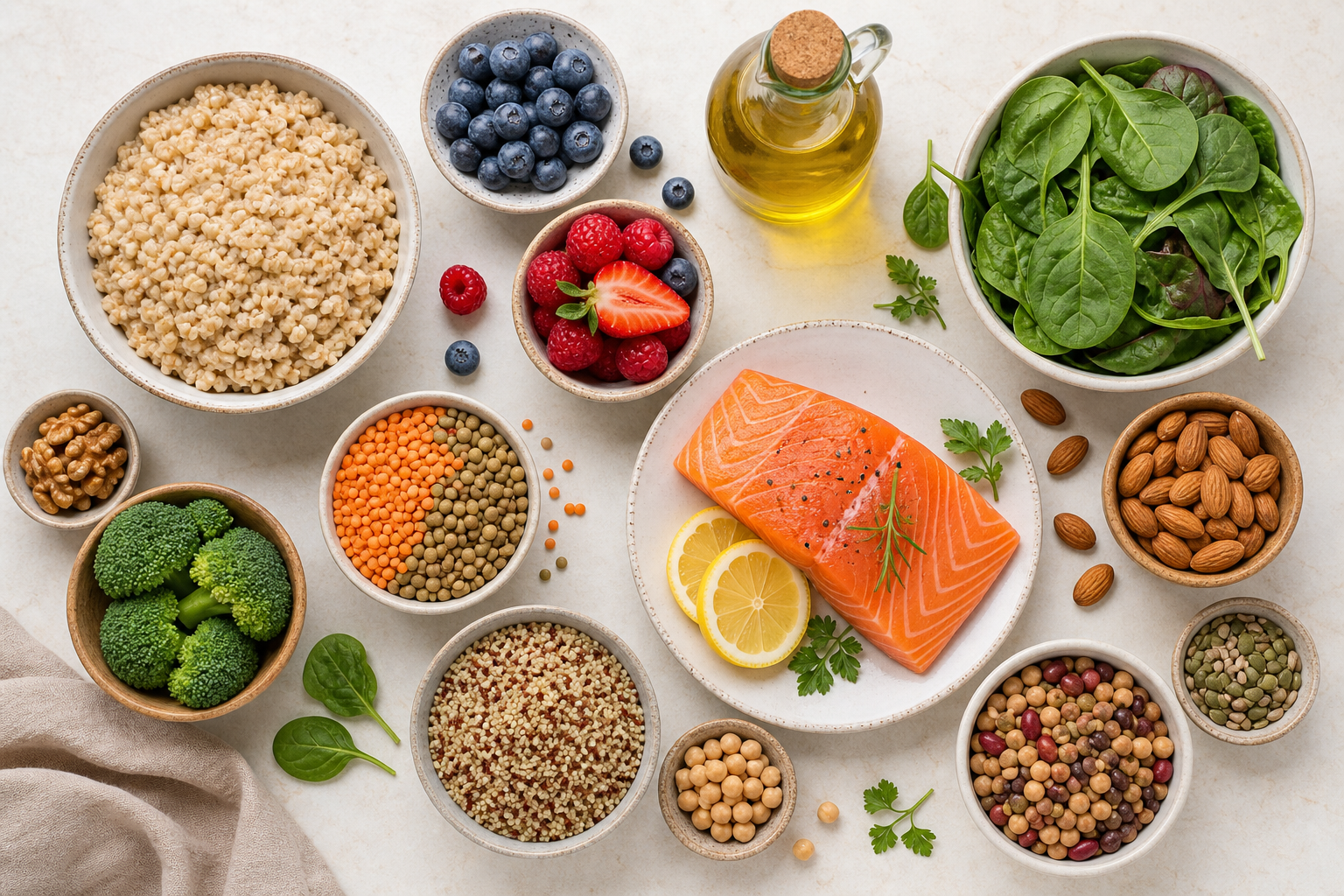
Fiber is one of your best allies for blood sugar management. It slows digestion and the absorption of carbohydrates, helping prevent sharp spikes in glucose after meals.
Aim for 25-35 grams of fiber daily from these sources:
Protein helps you feel satisfied and has minimal impact on blood sugar. Including protein at each meal can slow the absorption of carbohydrates.
Good options include:
Incorporating the right fats supports heart health and helps you feel full longer. Many people with prediabetes also have concerns about cholesterol, making fat quality especially important.
Choose these healthy fat sources:
The glycemic index (GI) measures how quickly a food raises blood sugar. Low-GI foods (55 or below) cause a slower, more gradual rise in glucose.
Low-GI choices include:
While focusing on what to add to your diet, it also helps to be mindful of foods that can cause rapid blood sugar spikes.
These foods are digested quickly, leading to sharp rises in blood sugar:
Why this matters: When you consume refined carbohydrates, your body breaks them down into glucose rapidly, flooding your bloodstream with sugar. This forces your pancreas to release large amounts of insulin, which can worsen insulin resistance over time.
Packaged snacks often contain refined carbohydrates along with added sugars and unhealthy fats:
Fried foods and those containing partially hydrogenated oils can increase inflammation and worsen insulin resistance:
Beyond what you eat, when and how you eat can influence blood sugar control.
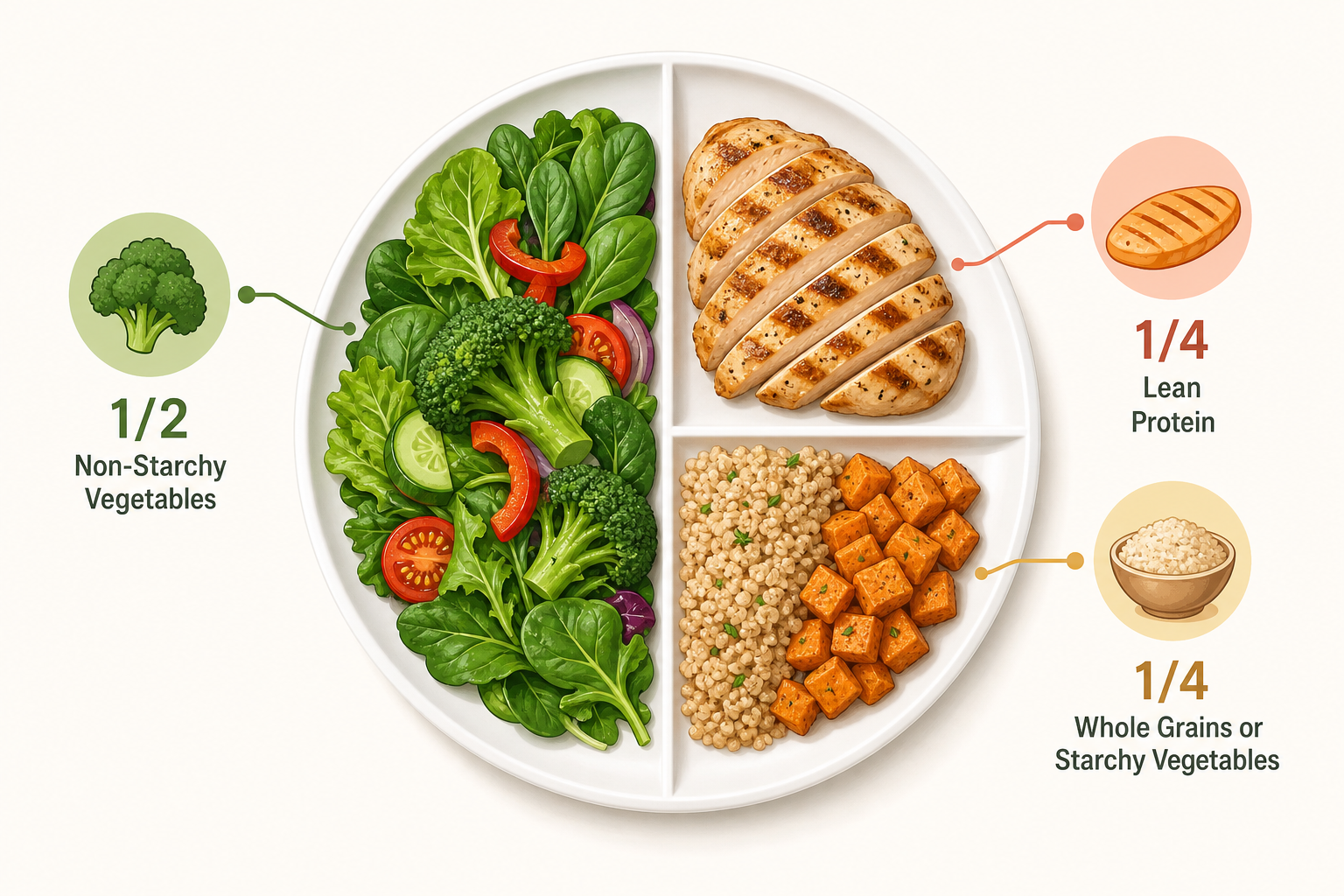
One of the simplest ways to create blood sugar-friendly meals is the balanced plate approach. This method requires no counting or measuring.

Fill your plate this way:
Add a small serving of healthy fat, such as a drizzle of olive oil or a quarter of an avocado.
Eating at regular intervals helps keep blood sugar stable. Many people find that spacing meals every 4-5 hours works well.
Skipping meals, especially breakfast, can sometimes lead to overeating later in the day and larger blood sugar swings. If you have been a breakfast skipper, consider starting with something small like a handful of nuts with a piece of fruit.
Late meals and snacks can disrupt blood sugar regulation and interfere with sleep quality. Try to finish eating at least 2-3 hours before bedtime. This gives your body time to process glucose before you sleep, when insulin sensitivity naturally decreases.
Starting your day with a balanced breakfast that includes protein, fiber, and healthy fats can set the tone for better blood sugar control. Research suggests that a higher-protein breakfast may help reduce glucose spikes throughout the day.
Good breakfast options include:
Here is what a practical, affordable day of prediabetes-friendly eating might look like:
Veggie Scramble with Oatmeal
Mediterranean-Style Salad
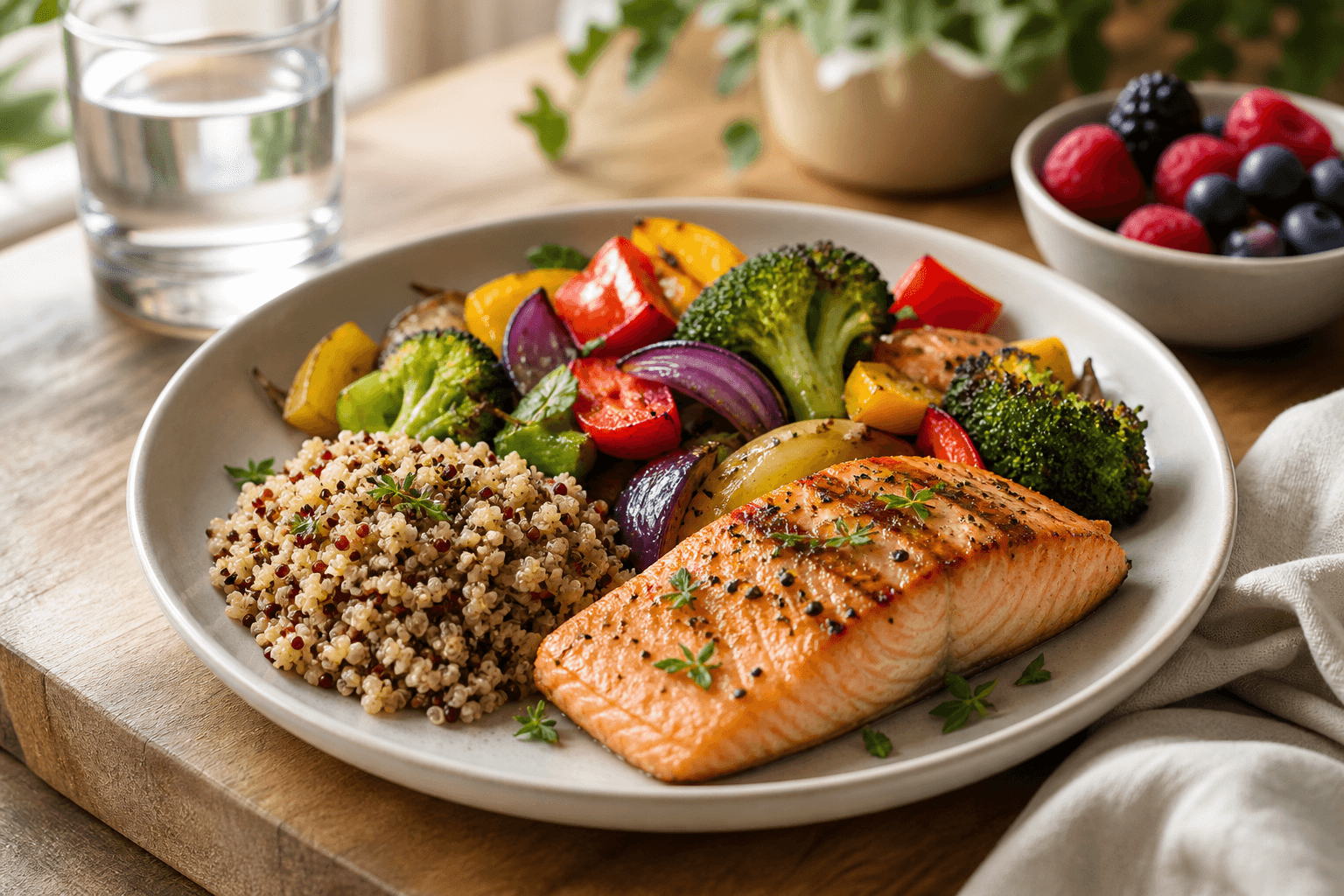
Baked Salmon with Roasted Vegetables
This sample day provides a balance of fiber, protein, and healthy fats while keeping refined carbohydrates to a minimum.

While nutrition is foundational, other lifestyle factors play important roles in blood sugar management.
Exercise improves insulin sensitivity, helping your cells use glucose more effectively. The goal is 150 minutes of moderate activity per week -- think brisk walking, swimming, cycling, or dancing.
If you are currently inactive, start where you are. A 10-minute walk after meals can help reduce post-meal blood sugar spikes. Gradually build up your endurance and strength over time.
Poor sleep can disrupt hormones that regulate blood sugar and appetite. Adults typically need 7-9 hours of quality sleep per night. If you have trouble sleeping, consider:
Chronic stress raises cortisol levels, which can increase blood sugar and worsen insulin resistance. Finding stress-reduction techniques that work for you is valuable:
As you make changes, tracking your progress helps you stay motivated and understand what works for your body.
Schedule regular follow-ups with your doctor to recheck your A1C or fasting glucose. Many people see improvements within 3-6 months of consistent lifestyle changes. Your healthcare team can also help you understand your numbers and adjust your approach as needed.
Progress is not always linear, and every positive choice matters. Celebrate non-scale victories like:
Remember that you are playing the long game. Sustainable changes made gradually often last longer than dramatic overhauls.
While general guidelines are helpful, nutrition is highly individual. What works for one person may not work for another. A registered dietitian can help you create a personalized prediabetes diet plan that fits your preferences, lifestyle, and health goals.
Nutrista connects you with registered dietitians who specialize in blood sugar management. Unlike generic calorie-tracking apps that only offer AI-generated advice, Nutrista provides access to a large community of international, registered, vetted dietitians supported by AI technology. This means you receive personalized guidance from a real expert who understands your unique situation, combined with modern tools to support your journey.
Working with a dietitian can help you navigate challenges, adjust your eating patterns sustainably, and stay accountable without feeling deprived.
Receiving a prediabetes diagnosis can feel overwhelming, but it is also an opportunity. You now have information that empowers you to make changes before type 2 diabetes develops.
Research shows that nutrition and lifestyle changes can significantly reduce your risk. By focusing on fiber-rich foods, lean proteins, healthy fats, and balanced meals, you can support your body's ability to manage blood sugar effectively. Small, consistent steps lead to meaningful results.
You do not have to figure this out alone. Consider working with a registered dietitian through Nutrista to create a plan tailored to your needs. With the right support and evidence-based strategies, you can take control of your health and move toward reversing prediabetes naturally.
This article provides general educational information and is not a substitute for personalized medical advice. Always consult with your healthcare provider or a registered dietitian before making significant changes to your diet or lifestyle.

Is your kitchen a graveyard of forgotten PDFs and sticky notes? 😱 Discover why your healthy habits die by Jan 10th and how Nutrista AI fixes your recipe chaos forever! 🔥🥗

Stop being a statistic! 😱 94% of people ghost their dietitians by Jan 28th because of 'The Ghosting Crisis.' Discover why your tracking app is lying and how Nutrista AI changes the game. 🚀

Stop being a victim! 🛑 You're likely being scammed by 'health gurus' and broken apps. Discover why 94% of shoppers fail and how Nutrista AI is the secret weapon you've been missing. 🔥
Professional nutritionists ready to help you