PCOS diet

PCOS and Insulin Resistance: What to Eat for Hormonal Balance

Nutrista Team
Share
PCOS and Insulin Resistance: What to Eat for Hormonal Balance

PCOS and Insulin Resistance: What to Eat for Hormonal Balance

If you are living with Polycystic Ovary Syndrome (PCOS), you know how frustrating and overwhelming the symptoms can be. Irregular periods, stubborn weight gain, acne, unwanted hair growth, and fatigue can make you feel like your body is working against you. You are not alone in this experience. PCOS affects approximately 1 in 10 women of childbearing age, and many spend years searching for answers before receiving a diagnosis.

Here is something that might surprise you: up to 70% of women with PCOS have insulin resistance, which plays a central role in driving many of the symptoms you experience. The good news is that understanding this connection gives you real power. Through targeted nutrition and lifestyle changes, you can support your hormones, improve how you feel, and take meaningful steps toward better health.

This article will walk you through the science behind PCOS and insulin resistance in plain language, then give you practical, realistic strategies for using food as a tool for hormonal balance.

Real Dietitians, Real Results

Download on the App StoreGet it on Google Play

Understanding the PCOS-Insulin Connection

What Is Insulin Resistance?

Insulin is a hormone produced by your pancreas that helps move glucose (sugar) from your bloodstream into your cells, where it is used for energy. When you have insulin resistance, your cells stop responding effectively to insulin's signals. Your pancreas compensates by producing even more insulin, leading to chronically high levels in your bloodstream.

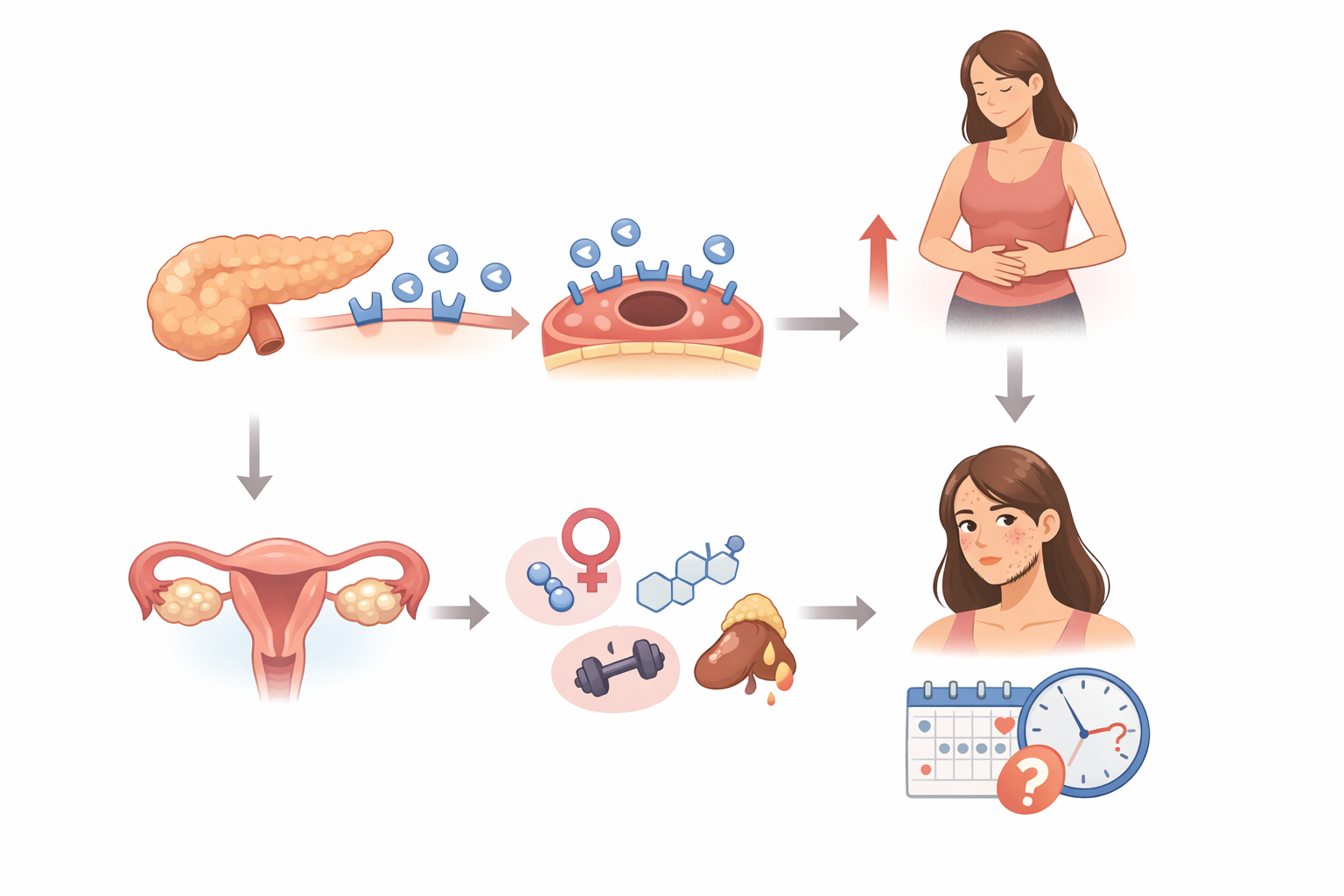
An educational infographic showing the connection between insulin and hormones in PCOS, with a clean flow diagram illustrating how insulin resistance affects hormone balance

Think of it like this: insulin is knocking on your cell doors, but the doors are not opening as they should. Your body responds by sending more "knockers," creating a cycle that affects far more than just your blood sugar.

Real Dietitians, Real Results

Download on the App StoreGet it on Google Play

How Insulin Resistance Affects Your Hormones

High insulin levels directly impact your ovarian function. When insulin is elevated, it signals your ovaries to produce more androgens (male hormones like testosterone). This hormonal imbalance is what drives many classic PCOS symptoms:

  • Irregular periods or missed ovulation because high androgens interfere with normal menstrual cycle regulation
  • Weight gain, particularly around the midsection because insulin promotes fat storage, especially in the abdominal area
  • Acne and oily skin due to increased testosterone levels
  • Excess hair growth (hirsutism) on the face, chest, or back
  • Hair thinning on the scalp from androgen effects on hair follicles
  • Fatigue and energy crashes from unstable blood sugar levels

Many women ask, "Why does PCOS cause weight gain?" The answer lies in this insulin-hormone connection. When insulin levels remain high, your body is essentially in "storage mode," making it significantly harder to lose weight even when you are eating well and exercising. This is not a matter of willpower; it is a metabolic reality that requires a different approach.

Another common question is, "Is PCOS related to diabetes?" The answer is yes. Women with PCOS have a significantly higher risk of developing type 2 diabetes because both conditions share insulin resistance as an underlying factor. This makes blood sugar management not just a symptom management strategy, but an important long-term health investment.

Real Dietitians, Real Results

Download on the App StoreGet it on Google Play

Key Nutrition Principles for PCOS

Now that you understand the why, let us focus on the what. Nutrition for PCOS is not about following a restrictive diet or eliminating entire food groups. Instead, it is about making choices that support stable blood sugar, reduce inflammation, and provide the nutrients your body needs for hormonal balance.

Managing Blood Sugar Through Balanced Meals

The most powerful nutrition strategy for PCOS is keeping your blood sugar stable throughout the day. When blood sugar spikes and crashes, insulin follows the same pattern, perpetuating the hormonal cascade you are trying to calm.

Each meal should include three components:

Real Dietitians, Real Results

Download on the App StoreGet it on Google Play
  • Quality protein to slow digestion and glucose absorption
  • Fiber-rich carbohydrates to provide steady energy without sharp spikes
  • Healthy fats to support hormone production and increase satiety

This combination helps you feel satisfied and keeps insulin levels more stable.

The Importance of Protein at Every Meal

Protein is essential for blood sugar balance and should be included at every meal and snack. It slows down how quickly food moves through your digestive system, which means glucose enters your bloodstream more gradually. Protein also supports muscle mass, which improves your body's insulin sensitivity.

Aim for 20-30 grams of protein per meal. Good sources include:

Real Dietitians, Real Results

Download on the App StoreGet it on Google Play
  • Eggs and egg whites
  • Chicken, turkey, and lean beef
  • Fish and seafood
  • Greek yogurt and cottage cheese
  • Tofu, tempeh, and edamame
  • Beans and lentils (which also provide fiber)

Choosing Complex Carbohydrates Over Refined Carbs

Not all carbohydrates are created equal. Refined carbohydrates (white bread, white rice, sugary cereals, pastries) are rapidly broken down into glucose, causing sharp blood sugar spikes. Complex carbohydrates contain fiber, which acts as a buffer, slowing glucose absorption.

When choosing carbohydrates, ask yourself: "Where is the fiber?" If a grain product has had its fiber removed, it will affect your blood sugar differently than its whole counterpart.

The Role of Healthy Fats in Hormone Production

Your body needs dietary fat to produce and regulate hormones. Including healthy fats at meals also slows digestion and helps you feel satisfied. Do not fear fats; they are an ally in managing PCOS.

Real Dietitians, Real Results

Download on the App StoreGet it on Google Play

Focus on:

  • Extra virgin olive oil
  • Avocados and avocado oil
  • Nuts and seeds
  • Fatty fish like salmon, sardines, and mackerel
  • Olives

Why Restrictive Dieting Can Worsen PCOS Symptoms

It is tempting to try extreme diets when you are struggling with weight that will not budge. However, severely restricting calories can actually worsen insulin resistance. Very low-calorie diets can increase cortisol (stress hormone) levels, prompt your body to conserve energy, and lead to muscle loss, which reduces insulin sensitivity.

Additionally, restrictive dieting often leads to a cycle of deprivation and overeating, which causes more dramatic blood sugar fluctuations. A consistent, nourishing approach works far better than any quick-fix diet.

Real Dietitians, Real Results

Download on the App StoreGet it on Google Play

Foods to Emphasize for PCOS Management

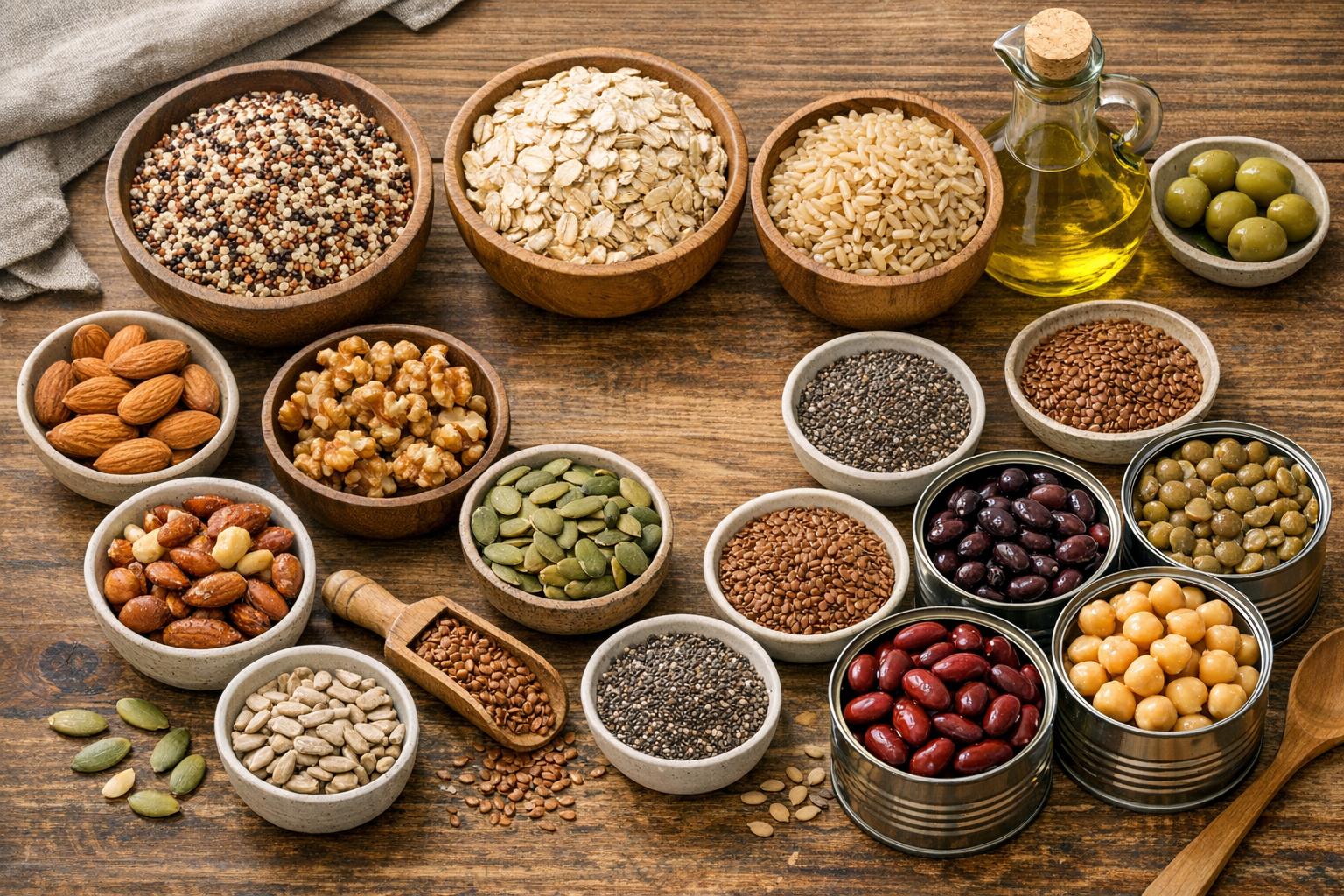
A collection of PCOS-friendly pantry staples arranged on a wooden surface, including whole grains like quinoa and oats, nuts, seeds, olive oil, and legumes

Let us get specific. Here are the foods that research suggests can be most supportive for women with PCOS.

Low Glycemic Index Carbohydrates

The glycemic index (GI) measures how quickly a food raises blood sugar. Choosing lower GI carbohydrates helps keep insulin levels more stable.

Real Dietitians, Real Results

Download on the App StoreGet it on Google Play

Best choices include:

  • Whole grains: Steel-cut oats, quinoa, barley, farro, brown rice, buckwheat
  • Legumes: Lentils, chickpeas, black beans, kidney beans, white beans
  • Starchy vegetables: Sweet potatoes, butternut squash, peas, corn
  • Non-starchy vegetables: All varieties, especially leafy greens, broccoli, cauliflower, peppers, zucchini

A practical tip: Instead of thinking about eliminating carbohydrates, think about upgrading them. Swap white rice for quinoa, or choose steel-cut oats over instant oatmeal.

Anti-Inflammatory Foods

Chronic low-grade inflammation is common in PCOS and can worsen insulin resistance. An anti-inflammatory eating pattern benefits both your hormones and your overall health.

Real Dietitians, Real Results

Download on the App StoreGet it on Google Play

Include these regularly:

  • Fatty fish: Salmon, sardines, mackerel, herring (aim for 2-3 servings per week)
  • Berries: Blueberries, strawberries, raspberries, blackberries
  • Leafy greens: Spinach, kale, arugula, Swiss chard
  • Nuts: Walnuts, almonds, pistachios, pecans
  • Seeds: Chia seeds, flaxseeds, pumpkin seeds
  • Olive oil: Use as your primary cooking and dressing oil
  • Tomatoes, bell peppers, and other colorful vegetables

Fiber-Rich Foods for Blood Sugar Control

Fiber is particularly important for women with PCOS. It slows glucose absorption, supports healthy digestion, and helps remove excess hormones from the body.

Aim for at least 25-30 grams of fiber daily from:

Real Dietitians, Real Results

Download on the App StoreGet it on Google Play
  • Vegetables (especially when eaten with skins and seeds)
  • Whole fruits (berries, apples, pears with skin)
  • Legumes and beans
  • Whole grains
  • Nuts and seeds

Increase fiber gradually and drink plenty of water to avoid digestive discomfort.

Omega-3 Rich Foods

Omega-3 fatty acids have been shown to improve insulin sensitivity and reduce inflammation in women with PCOS. They may also help lower testosterone levels and support healthy cholesterol profiles.

Best sources:

Real Dietitians, Real Results

Download on the App StoreGet it on Google Play
  • Fatty fish (salmon, sardines, mackerel, anchovies)
  • Walnuts
  • Chia seeds and flaxseeds
  • Omega-3 enriched eggs

If you do not eat fish regularly, speak with your healthcare provider about whether an omega-3 supplement might be appropriate.

Foods to Limit or Avoid with PCOS

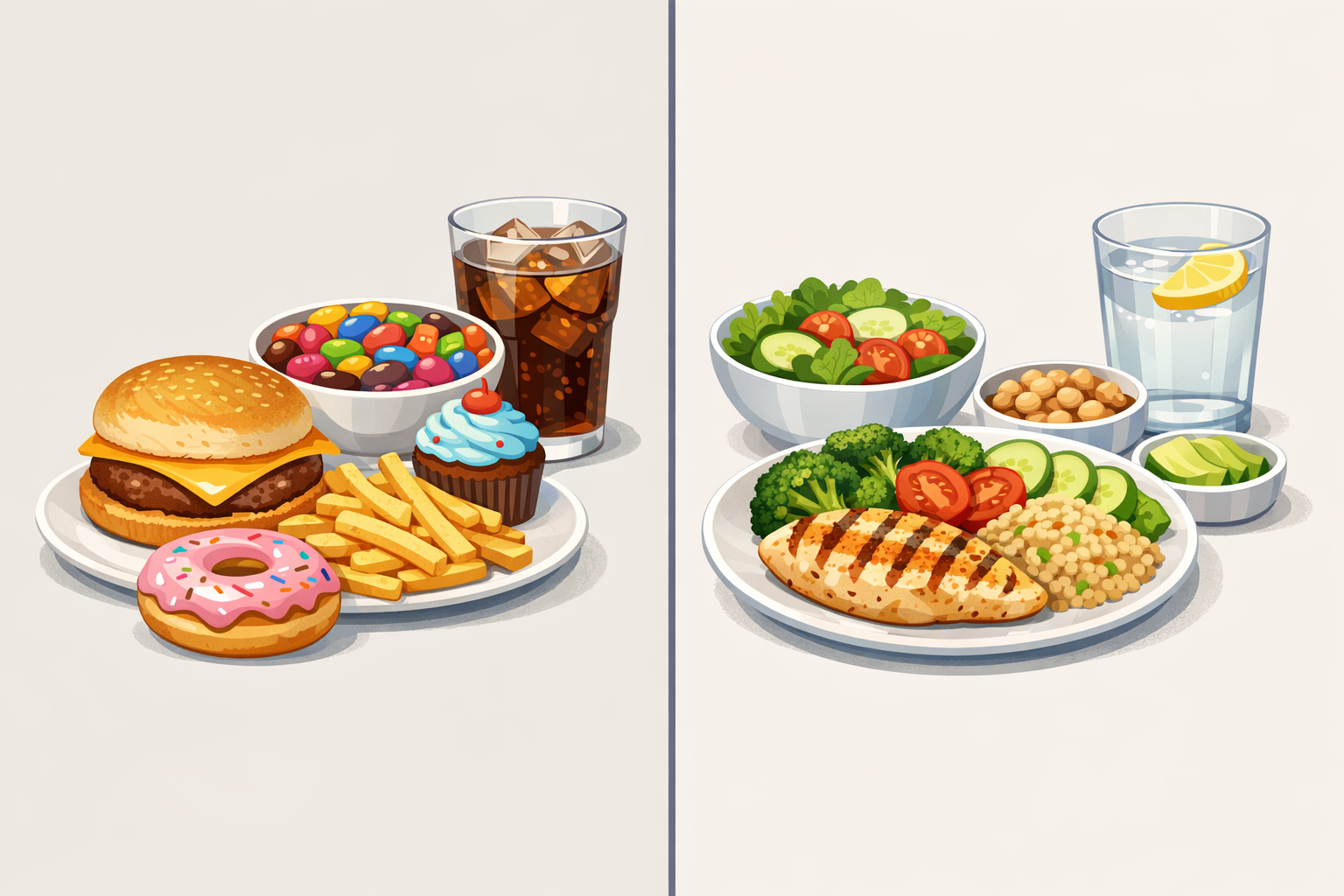
A comparison showing a refined carbohydrate-heavy meal alongside a balanced PCOS-friendly alternative with whole grains, lean protein, and vegetables

Rather than thinking in terms of "forbidden" foods, consider which choices support your goals and which ones may work against them. This is not about perfection; it is about informed choices.

Real Dietitians, Real Results

Download on the App StoreGet it on Google Play

Refined Carbohydrates and Added Sugars

Foods that cause rapid blood sugar spikes are the primary culprits in worsening insulin resistance. These include:

  • White bread, bagels, and flour tortillas
  • White rice and white pasta
  • Sugary cereals and granola bars
  • Pastries, cookies, cakes, and muffins
  • Candy and sweets
  • Sugar-sweetened beverages (soda, sweetened coffee drinks, energy drinks)

You do not need to never enjoy these foods. However, saving them for occasional treats rather than daily staples can make a meaningful difference. When you do have them, pair with protein and fiber to blunt the blood sugar impact.

Processed Foods and Trans Fats

Highly processed foods often contain refined carbohydrates, added sugars, and unhealthy fats. Trans fats, in particular, have been linked to worsened insulin resistance and increased inflammation.

Real Dietitians, Real Results

Download on the App StoreGet it on Google Play

Check ingredient labels for "partially hydrogenated oils" and limit:

  • Fried fast foods
  • Packaged snack foods
  • Margarine and vegetable shortening
  • Commercially baked goods

Dairy: An Individual Consideration

The relationship between dairy and PCOS is complex and varies by individual. Some women find that reducing dairy helps their symptoms, while others tolerate it well.

Here is what the research suggests:

Real Dietitians, Real Results

Download on the App StoreGet it on Google Play
  • Some studies indicate that dairy proteins may increase insulin levels more than other protein sources
  • However, dairy also provides calcium, vitamin D, and protein
  • Low-fat dairy may affect insulin differently than full-fat dairy

If you suspect dairy might be affecting your symptoms, consider working with a dietitian to evaluate your response rather than eliminating it entirely on your own.

Sample Day of Eating for PCOS

Putting this into practice, here is what a day of PCOS-friendly eating might look like. Remember, portions should be adjusted to your individual needs, activity level, and hunger cues.

Breakfast: Veggie Scramble with Whole Grain Toast

Real Dietitians, Real Results

Download on the App StoreGet it on Google Play
  • 2 eggs scrambled with spinach, bell peppers, and onions
  • 1 slice of whole grain toast with avocado
  • Why this works: Protein from eggs, fiber from vegetables and whole grains, and healthy fats from avocado create a balanced start that stabilizes morning blood sugar.

Lunch: Mediterranean Quinoa Bowl

  • Grilled chicken or chickpeas
  • Quinoa mixed with diced cucumber, tomatoes, and olives
  • Arugula or mixed greens
  • Olive oil and lemon dressing
  • Why this works: This combination provides protein, complex carbohydrates, fiber, and anti-inflammatory fats in one satisfying meal.

Afternoon Snack: Apple with Nut Butter

  • 1 medium apple
  • 1-2 tablespoons almond or peanut butter
  • Why this works: The fiber in the apple combined with protein and fat from nut butter prevents an afternoon blood sugar crash.

Dinner: Baked Salmon with Roasted Vegetables

Real Dietitians, Real Results

Download on the App StoreGet it on Google Play
  • Baked salmon fillet seasoned with herbs and lemon
  • Roasted sweet potato wedges
  • Roasted broccoli or Brussels sprouts
  • Why this works: Omega-3 rich salmon, fiber from vegetables, and complex carbohydrates from sweet potato support hormone production and stable blood sugar.

Evening Snack (if hungry): Greek Yogurt with Berries

  • Plain Greek yogurt
  • Handful of blueberries or raspberries
  • Sprinkle of chia seeds
  • Why this works: If you need something before bed, this provides protein and antioxidants without excessive carbohydrates.

Beyond Diet: Other Factors That Support Hormonal Balance

While nutrition is foundational, other lifestyle factors significantly impact PCOS symptoms.

Regular Physical Activity

Exercise improves insulin sensitivity independently of weight loss. Both aerobic exercise (walking, swimming, cycling) and resistance training (weight lifting, bodyweight exercises) help your body use insulin more effectively. Aim for at least 150 minutes of moderate activity per week, but know that even a 10-minute walk after meals can help with blood sugar control.

Real Dietitians, Real Results

Download on the App StoreGet it on Google Play

Stress Management and Cortisol

Chronic stress elevates cortisol, which can worsen insulin resistance and disrupt hormone balance. Finding stress management techniques that work for you is an essential part of PCOS care. This might include:

  • Deep breathing exercises
  • Meditation or mindfulness practice
  • Gentle yoga or stretching
  • Time in nature
  • Journaling
  • Counseling or therapy

Sleep Quality

Poor sleep affects insulin sensitivity and hormone regulation. Many women with PCOS also experience sleep disturbances. Prioritizing 7-9 hours of quality sleep can meaningfully impact your symptoms.

Sleep tips include:

Real Dietitians, Real Results

Download on the App StoreGet it on Google Play
  • Maintaining a consistent sleep schedule
  • Creating a cool, dark sleep environment
  • Limiting screen time before bed
  • Avoiding large meals close to bedtime

Working with Healthcare Providers

PCOS is a complex condition that often requires a team approach. Your primary care provider, gynecologist, and endocrinologist can help monitor your health, check for related conditions, and discuss medical treatments when appropriate. A registered dietitian can provide personalized nutrition guidance tailored to your specific needs and challenges.

When to Seek Professional Help

While general nutrition guidance is helpful, PCOS manifests differently in every woman. Personalized support can make the difference between struggling alone and finding a sustainable path forward.

Consider working with a registered dietitian if you:

Real Dietitians, Real Results

Download on the App StoreGet it on Google Play
  • Feel overwhelmed by conflicting nutrition information
  • Have a history of disordered eating or feel your relationship with food is unhealthy
  • Are trying to conceive and need guidance on nutrition for fertility
  • Have multiple health conditions that make nutrition choices feel complicated
  • Have been following a healthy lifestyle but are not seeing improvements in your symptoms

A registered dietitian can help you create an eating plan that fits your life, your preferences, and your specific PCOS presentation. They can also help you navigate supplements, identify food sensitivities, and develop a sustainable approach rather than another restrictive diet.

Nutrista connects you with qualified, registered dietitians who understand PCOS and can create personalized meal plans tailored to your unique needs. Unlike generic calorie-tracking apps that only offer automated suggestions, Nutrista provides access to real, vetted nutrition professionals supported by modern technology. This human-dietitian approach ensures you receive guidance that considers your full health picture, not just numbers on a screen.

Final Thoughts

Living with PCOS can feel discouraging, especially when you are doing everything "right" and still struggling with symptoms. Please know that your experience is valid, and the challenges you face are real. Insulin resistance creates genuine metabolic hurdles, and overcoming them takes time, patience, and often professional support.

Real Dietitians, Real Results

Download on the App StoreGet it on Google Play

The nutrition strategies outlined here are not about following a rigid diet or achieving a certain body size. They are about giving your body the nourishment it needs to function optimally, supporting hormonal balance, and improving how you feel each day. Small, consistent changes often lead to meaningful improvements over time.

Every woman's experience with PCOS is different. What works for one person may not work for another. Be patient with yourself, celebrate small victories, and do not hesitate to seek professional support. You deserve knowledgeable, compassionate care as you navigate this journey.

If you are ready for personalized guidance, consider connecting with a registered dietitian through Nutrista. Their platform empowers real, local, registered dietitians with artificial intelligence so they can help clients with the most modern technologies available. This is not another generic app; it is a way to access qualified professionals who can provide the individualized support that makes a lasting difference.

Real Dietitians, Real Results

Download on the App StoreGet it on Google Play

This article provides general educational information and is not a substitute for personalized medical advice. Always consult with your healthcare provider before making significant changes to your diet or lifestyle, especially if you have underlying health conditions.

Real Dietitians, Real Results

Download on the App StoreGet it on Google Play
#PCOS diet#insulin resistance#hormonal balance

Others Viewed