PCOS

PCOS and Insulin Resistance: How Diet Can Help Manage Symptoms

Nutrista Team
Share
PCOS and Insulin Resistance: How Diet Can Help Manage Symptoms

PCOS and Insulin Resistance: How Diet Can Help Manage Symptoms

If you're living with Polycystic Ovary Syndrome (PCOS), you may already know the frustration of trying to manage symptoms that seem beyond your control. Irregular periods, stubborn weight gain, acne, and unwanted hair growth can feel like an uphill battle, especially when conventional diet advice doesn't seem to work for your body.

What many women don't realize is that there's a powerful biological connection behind these symptoms. Up to 70% of women with PCOS also have insulin resistance, and understanding this link opens the door to real, manageable solutions. The right dietary approach can help break the frustrating cycle and bring meaningful relief.

Understanding the PCOS-Insulin Resistance Connection

PCOS is a hormonal disorder that affects women of reproductive age. Common symptoms include irregular or absent periods, ovarian cysts, weight gain (particularly around the midsection), acne, excess facial or body hair, and thinning hair on the scalp. For many women, difficulty losing weight becomes one of the most discouraging aspects of the condition.

Real Dietitians, Real Results

Download on the App StoreGet it on Google Play

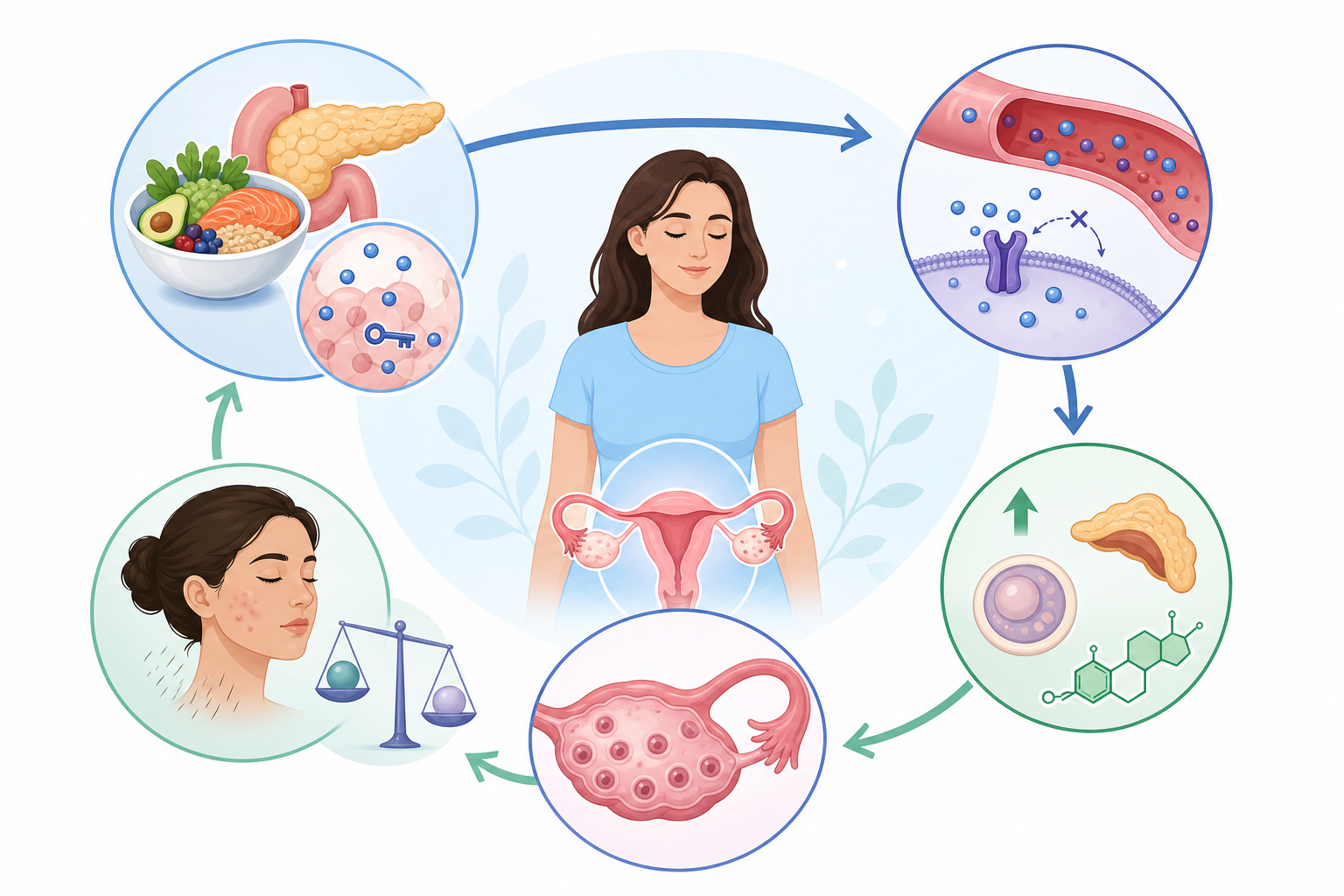
Insulin resistance occurs when your cells stop responding efficiently to insulin, the hormone responsible for moving sugar from your bloodstream into your cells for energy. When this process doesn't work properly, your pancreas produces more insulin to compensate, leading to elevated insulin levels in your blood.

This creates a challenging cycle: High insulin levels stimulate your ovaries to produce more androgens (male hormones like testosterone), which worsens PCOS symptoms. Meanwhile, the hormonal imbalances make it even harder for your body to manage blood sugar effectively.

Educational infographic showing the connection between insulin resistance and PCOS with simple icons representing blood sugar, insulin, ovaries, and hormones

Real Dietitians, Real Results

Download on the App StoreGet it on Google Play

How Insulin Resistance Affects Your Body

The Role of Insulin in Blood Sugar Regulation

Under normal circumstances, insulin acts like a key that unlocks your cells to let glucose (blood sugar) inside. After you eat carbohydrates, your blood sugar rises, and your pancreas releases insulin to help that sugar enter your cells for energy or storage.

When cells become resistant to insulin, that key no longer works efficiently. Your pancreas compensates by producing even more insulin, leading to chronically elevated levels. This condition, called hyperinsulinemia, drives many PCOS symptoms.

The Hormone Connection

High insulin levels trigger your ovaries to produce excess androgens. These male hormones interfere with normal ovulation, causing irregular or missed periods. They also contribute to acne, hirsutism (unwanted hair growth), and hair thinning.

Real Dietitians, Real Results

Download on the App StoreGet it on Google Play

Elevated insulin also promotes fat storage, particularly around the abdomen. This explains why many women with PCOS struggle with weight gain despite eating the same amount as friends who don't have the condition. The frustrating reality is that insulin resistance makes weight loss harder, and excess weight can worsen insulin resistance.

Best Diet for PCOS and Insulin Resistance: Core Principles

Learning how to manage PCOS symptoms naturally through diet starts with understanding a few key principles. The goal isn't perfection or deprivation, but rather steady blood sugar levels throughout the day.

Prioritize Blood Sugar Stability

Keeping your blood sugar stable is the foundation of managing insulin resistance. When blood sugar spikes and crashes repeatedly, your insulin stays elevated, perpetuating the cycle that worsens PCOS symptoms.

Real Dietitians, Real Results

Download on the App StoreGet it on Google Play

Balance Your Plate

Every meal should include three components:

  • Protein: Helps slow digestion and reduces blood sugar spikes
  • Healthy fats: Promote satiety and support hormone production
  • Fiber-rich carbohydrates: Provide sustained energy without rapid blood sugar increases

Choose Low-Glycemic Index Foods

The glycemic index (GI) measures how quickly foods raise blood sugar. Low-GI foods digest slowly, causing gradual increases rather than sharp spikes. Choosing low-glycemic foods can significantly improve insulin sensitivity over time.

Why Meal Timing Matters

Eating at regular intervals helps maintain stable blood sugar. Skipping meals often leads to overeating later, causing larger blood sugar fluctuations. Aim to eat every 3-4 hours, and try not to go more than 12 hours between dinner and breakfast.

Real Dietitians, Real Results

Download on the App StoreGet it on Google Play

Foods for PCOS Weight Loss and Symptom Management

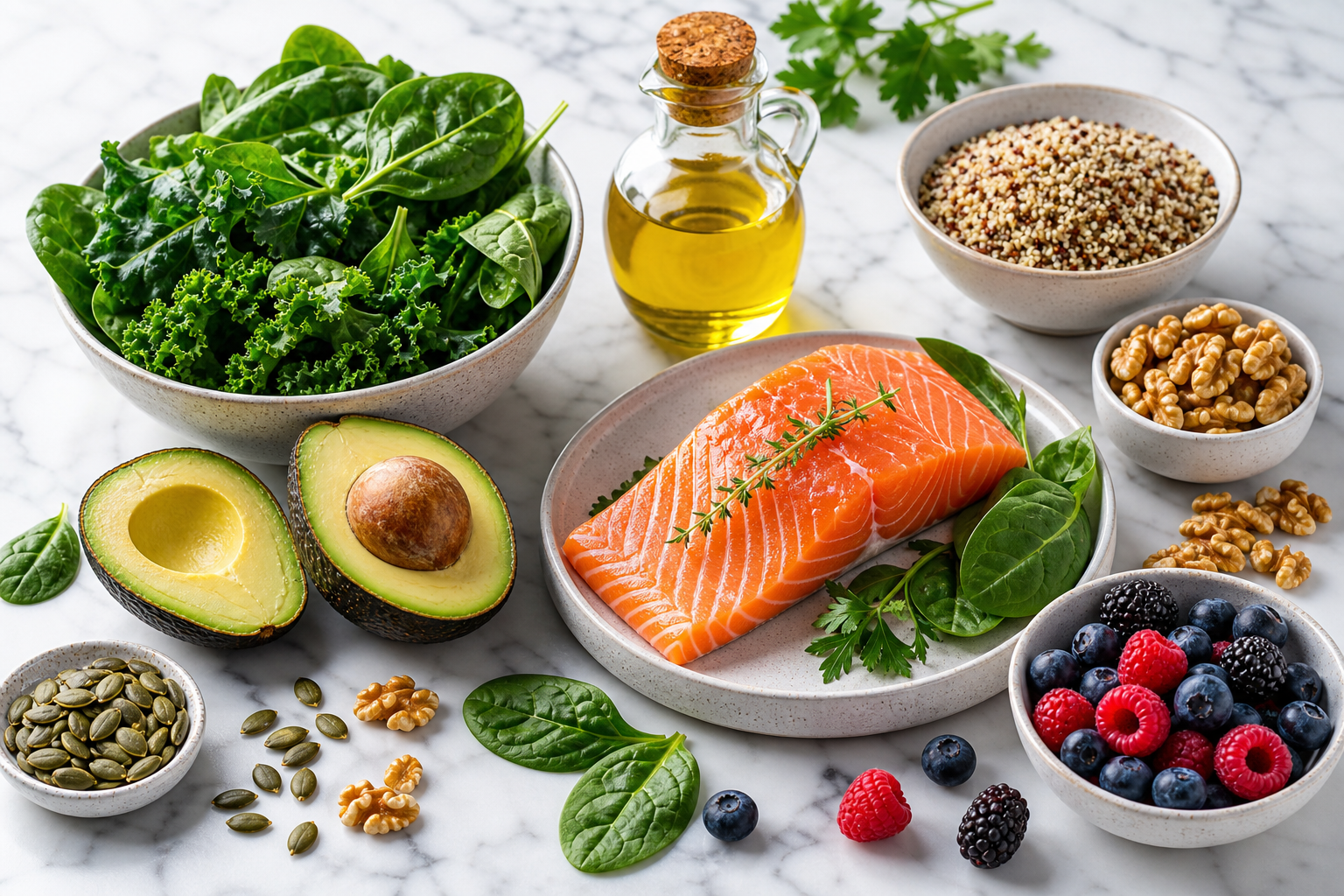
Building a sustainable PCOS diet starts with knowing what to eat. Focus on adding nourishing foods rather than restricting calories.

High-Fiber Vegetables and Fruits

Fiber slows glucose absorption and supports healthy insulin function. Prioritize:

  • Leafy greens (spinach, kale, Swiss chard)
  • Cruciferous vegetables (broccoli, cauliflower, Brussels sprouts)
  • Berries (blueberries, strawberries, raspberries)
  • Bell peppers, zucchini, and green beans
  • Apples and pears with the skin on

Lean Proteins

Protein is essential for blood sugar balance and tissue repair:

Real Dietitians, Real Results

Download on the App StoreGet it on Google Play
  • Chicken and turkey breast
  • Fish (especially fatty fish like salmon and sardines)
  • Eggs
  • Legumes (lentils, chickpeas, black beans)
  • Tofu and tempeh

Healthy Fats

Fats help you feel satisfied and support hormone production:

  • Avocado and olive oil
  • Nuts (almonds, walnuts, pistachios)
  • Seeds (chia, flax, pumpkin)
  • Fatty fish rich in omega-3s

Complex Carbohydrates

Choose whole, minimally processed options:

  • Quinoa
  • Steel-cut or rolled oats
  • Brown rice and wild rice
  • Sweet potatoes
  • Buckwheat and barley

Anti-Inflammatory Foods

Chronic inflammation often accompanies PCOS. Include foods rich in antioxidants and anti-inflammatory compounds:

Real Dietitians, Real Results

Download on the App StoreGet it on Google Play
  • Turmeric and ginger
  • Garlic and onions
  • Tomatoes
  • Fatty fish
  • Olive oil
  • Nuts and seeds

Foods to Limit with PCOS and Insulin Resistance

Knowing what to minimize is just as important as knowing what to eat. These foods can spike blood sugar and worsen insulin resistance.

Refined Carbohydrates and Added Sugars

White bread, pastries, sugary cereals, and sweets cause rapid blood sugar spikes. Read labels carefully, as added sugars hide in many processed foods under names like dextrose, maltose, and high-fructose corn syrup.

Highly Processed Foods

Packaged snacks, fast food, and convenience meals often contain refined carbs, unhealthy fats, and excessive sodium. These foods provide little nutritional value while promoting inflammation.

Real Dietitians, Real Results

Download on the App StoreGet it on Google Play

Inflammatory Oils and Fried Foods

Vegetable oils high in omega-6 fatty acids (like soybean and corn oil) can promote inflammation when consumed in excess. Fried foods compound this issue.

Dairy Considerations

Some women with PCOS notice symptom improvement when reducing dairy, particularly conventional cow's milk. Consider experimenting with alternatives like unsweetened almond or oat milk, while monitoring how you feel.

Alcohol

Alcohol can disrupt blood sugar regulation and hormone balance. If you choose to drink, do so in moderation and never on an empty stomach.

Real Dietitians, Real Results

Download on the App StoreGet it on Google Play

PCOS Meal Plan Ideas for Daily Success

Practical meal planning makes healthy eating sustainable. Here are some ideas to get you started.

Building a Balanced Plate

Visualize your plate divided into sections:

  • Half your plate: Non-starchy vegetables
  • One quarter: Lean protein
  • One quarter: Complex carbohydrates or starchy vegetables
  • Add: A tablespoon or two of healthy fat

Sample Day of Eating

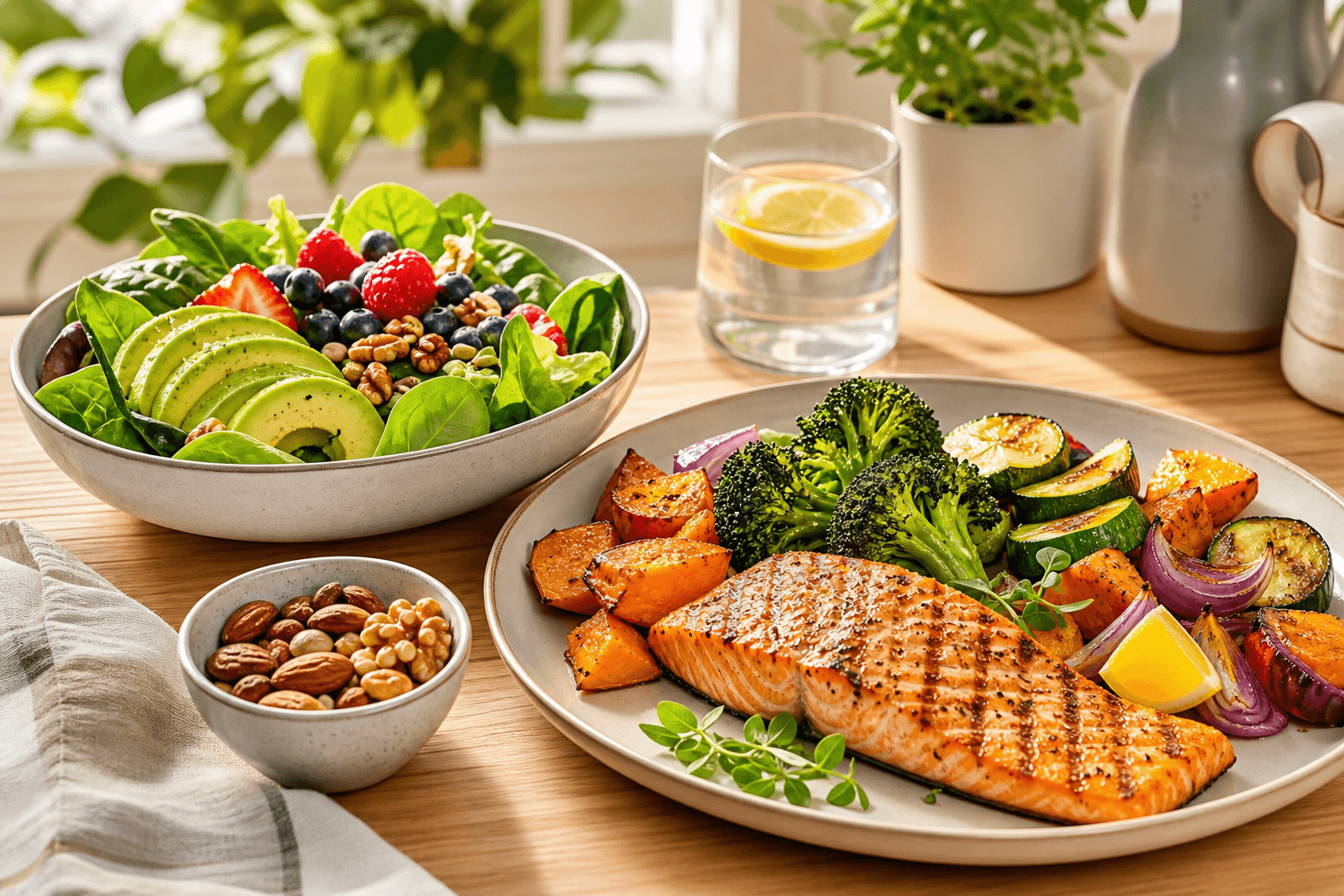
Breakfast: Greek yogurt with berries, chia seeds, and a handful of nuts

Real Dietitians, Real Results

Download on the App StoreGet it on Google Play

Lunch: Grilled chicken salad with mixed greens, avocado, olive oil dressing, and quinoa

Snack: Apple slices with almond butter

Dinner: Baked salmon with roasted broccoli and sweet potato

Real Dietitians, Real Results

Download on the App StoreGet it on Google Play

Simple Meal Prep Strategies

  • Cook extra protein at dinner for easy lunches the next day
  • Wash and chop vegetables on weekends for quick assembly
  • Prepare overnight oats in jars for grab-and-go breakfasts
  • Keep frozen vegetables on hand for busy days

Beyond Diet: Lifestyle Factors That Support Hormonal Health

Nutrition is powerful, but it works best alongside other supportive habits.

Physical Activity

Regular exercise improves insulin sensitivity by helping your cells use glucose more efficiently. Aim for a combination of strength training and moderate cardio. Even a 10-minute walk after meals can help lower blood sugar.

Quality Sleep

Poor sleep disrupts hormones that regulate appetite and blood sugar. Most adults need 7-9 hours of quality sleep. Create a calming bedtime routine and keep your bedroom cool and dark.

Real Dietitians, Real Results

Download on the App StoreGet it on Google Play

Stress Management

Chronic stress elevates cortisol, which can worsen insulin resistance. Find stress-reduction practices that work for you, whether that's meditation, gentle yoga, journaling, or spending time in nature.

Gut Health

Emerging research links gut bacteria to hormone regulation. Support your microbiome with fiber-rich foods, fermented options like yogurt and sauerkraut, and by minimizing processed foods.

Weight Management with PCOS: A Compassionate Approach

Traditional restrictive diets often fail women with PCOS because they don't address the underlying insulin resistance. The good news is that even modest weight loss of 5-10% of your body weight can significantly improve symptoms and restore ovulation.

Real Dietitians, Real Results

Download on the App StoreGet it on Google Play

Rather than fixating on the scale, focus on metabolic health markers like energy levels, cycle regularity, and how your clothes fit. Building sustainable habits matters more than following the latest diet trend.

Remember that weight management with PCOS is genuinely more difficult due to hormonal factors. Be patient with yourself, and celebrate small victories along the way.

When to Seek Professional Support

Managing PCOS can feel overwhelming, and you don't have to do it alone. Consider working with a registered dietitian if:

Real Dietitians, Real Results

Download on the App StoreGet it on Google Play
  • You're unsure how to translate nutrition principles into practical meals
  • You've tried multiple diets without lasting success
  • Your symptoms significantly impact your quality of life
  • You have other health conditions that complicate dietary choices

Personalized nutrition guidance can accelerate your progress by addressing your unique hormonal profile, food preferences, and lifestyle. A qualified dietitian can help you create a realistic plan that fits your life.

Moving Forward with Hope

Living with PCOS presents real challenges, but understanding the insulin resistance connection gives you a roadmap for meaningful change. Small, consistent dietary adjustments can help break the frustrating cycle of symptoms, support hormonal balance, and improve your overall wellbeing.

Start with one or two changes that feel manageable, and build from there. Progress matters more than perfection.

Real Dietitians, Real Results

Download on the App StoreGet it on Google Play

If you're ready for personalized support, Nutrista connects you with qualified registered dietitians who specialize in hormonal and metabolic health. Unlike generic calorie-tracking apps that offer only automated advice, Nutrista provides access to real, vetted nutrition professionals supported by modern AI tools. These dietitians understand the complexities of PCOS and can create a customized plan tailored to your unique needs.

Always consult your healthcare provider before making significant dietary changes, especially if you have other health conditions or are taking medications. This article provides general educational information and is not a substitute for personalized medical advice.

Real Dietitians, Real Results

Download on the App StoreGet it on Google Play
#PCOS#insulin resistance#diet

Others Viewed