PCOS nutrition

PCOS Diet: What to Eat and Avoid for Hormonal Balance

Nutrista Team
Share
PCOS Diet: What to Eat and Avoid for Hormonal Balance

What Is PCOS and Why Your Diet Matters

If you're living with Polycystic Ovary Syndrome (PCOS), you know how frustrating the symptoms can be. Irregular periods, unexplained weight gain, acne, thinning hair, and fertility challenges can feel overwhelming, especially when it seems like your body is working against you.

You're not alone in this experience. PCOS affects approximately 1 in 10 women of reproductive age, making it one of the most common hormonal disorders. While there's no cure for PCOS, research consistently shows that nutrition plays a powerful role in managing symptoms and improving quality of life.

The connection between PCOS and diet centers largely on insulin. Approximately 70% of women with PCOS have insulin resistance, meaning their cells don't respond effectively to insulin. This leads to higher insulin levels, which can increase androgen production and worsen symptoms like irregular periods, acne, and weight gain.

Real Dietitians, Real Results

Download on the App StoreGet it on Google Play

The good news? Strategic dietary choices can help stabilize blood sugar, reduce inflammation, and support hormonal balance.

Understanding the PCOS-Diet Connection

How Insulin Resistance Affects PCOS Symptoms

When you eat carbohydrates, your body breaks them down into glucose (blood sugar). Insulin helps move that glucose into your cells for energy. With insulin resistance, your cells become less responsive to insulin's signals. Your pancreas compensates by producing more insulin, leading to chronically elevated insulin levels.

High insulin levels can:

  • Trigger the ovaries to produce excess androgens (male hormones)
  • Disrupt ovulation and contribute to irregular periods
  • Promote fat storage, particularly around the midsection
  • Increase appetite and cravings for sugary foods

The Role of Inflammation

Chronic low-grade inflammation is common in PCOS and can worsen insulin resistance. This creates a cycle where inflammation increases insulin resistance, which in turn promotes more inflammation. An anti-inflammatory diet can help break this cycle.

Real Dietitians, Real Results

Download on the App StoreGet it on Google Play

Androgens and Diet

Elevated androgens cause many hallmark PCOS symptoms, including acne, hirsutism (excess hair growth), and hair loss. While diet alone cannot normalize androgen levels, certain foods and eating patterns can help reduce their impact on your body.

Best Foods to Eat for PCOS Management

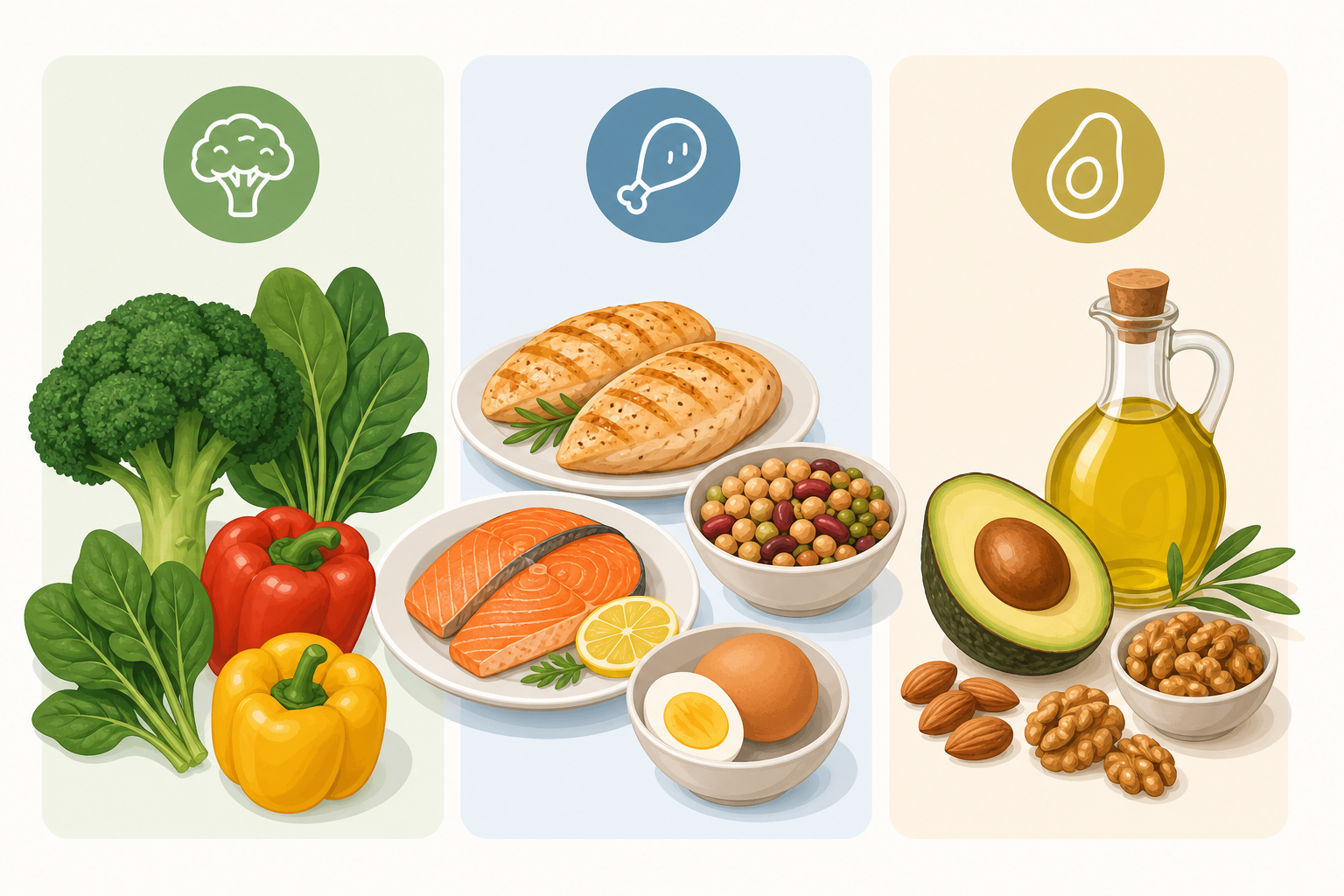
A clean infographic showing PCOS-friendly foods grouped into categories: high-fiber vegetables like broccoli and spinach, lean proteins including chicken and fish, and healthy fats like avocado and olive oil

High-Fiber Vegetables for Blood Sugar Control

Fiber slows glucose absorption, helping prevent blood sugar spikes. Aim for 25-35 grams of fiber daily from sources like:

  • Broccoli, cauliflower, and Brussels sprouts
  • Spinach, kale, and Swiss chard
  • Bell peppers, zucchini, and green beans
  • Artichokes and asparagus

These vegetables also provide antioxidants that combat inflammation.

Real Dietitians, Real Results

Download on the App StoreGet it on Google Play

Lean Proteins for Satiety and Muscle Maintenance

Protein helps stabilize blood sugar and keeps you feeling full. Quality sources include:

  • Skinless chicken and turkey breast
  • Fatty fish like salmon, mackerel, and sardines (rich in omega-3s)
  • Eggs - the whole egg provides important nutrients
  • Legumes like lentils, chickpeas, and black beans
  • Greek yogurt for a protein-rich dairy option
  • Tofu and tempeh for plant-based alternatives

Healthy Fats with Anti-Inflammatory Benefits

Don't fear fats - the right kinds are essential for hormone production and nutrient absorption:

  • Avocados and avocado oil
  • Extra virgin olive oil as your primary cooking oil
  • Nuts - walnuts, almonds, pistachios
  • Seeds - chia, flax, and pumpkin seeds
  • Fatty fish 2-3 times per week

Low-Glycemic Index Carbohydrates

Not all carbs are equal. Choose carbohydrates that have a gentler effect on blood sugar:

  • Whole grains: quinoa, steel-cut oats, brown rice, barley
  • Starchy vegetables: sweet potatoes, butternut squash
  • Legumes: lentils, black beans, chickpeas
  • Fruits: berries, apples, pears with skins

Anti-Inflammatory Foods for PCOS

Emphasize foods that reduce systemic inflammation:

  • Berries - blueberries, strawberries, raspberries
  • Leafy greens - spinach, kale, arugula
  • Fatty fish and omega-3 rich foods
  • Turmeric and ginger
  • Tomatoes and olive oil
  • Nuts and seeds

Foods to Avoid with PCOS

Understanding what to limit is just as important as knowing what to eat.

Refined Carbohydrates and Added Sugars

These foods cause rapid blood sugar spikes and worsen insulin resistance:

  • White bread, white rice, and regular pasta
  • Pastries, cookies, cakes, and muffins
  • Sugary beverages including soda and sweetened juices
  • Candy and most packaged snacks
  • Sweetened breakfast cereals

Research shows that reducing added sugars to under 25 grams per day can significantly improve insulin sensitivity.

Processed Foods and Trans Fats

Trans fats increase inflammation and insulin resistance. Avoid:

  • Fried foods from restaurants
  • Commercially baked goods
  • Margarine and vegetable shortening
  • Processed snack foods
  • Fast food items

Dairy Considerations

The relationship between dairy and PCOS is complex. Some studies suggest that high dairy intake may increase androgen levels, while others show benefits from fermented dairy like yogurt. Consider:

  • Limiting conventional cow's milk if you notice symptom flares
  • Choosing organic or grass-fed dairy when possible
  • Opting for fermented dairy like Greek yogurt and kefir
  • Exploring plant-based alternatives like unsweetened almond or oat milk

High-Sodium Foods

Excess sodium can worsen bloating and blood pressure concerns:

  • Processed meats and canned soups
  • Salty snack foods
  • Restaurant meals and fast food
  • Many frozen dinners

PCOS Meal Timing and Patterns
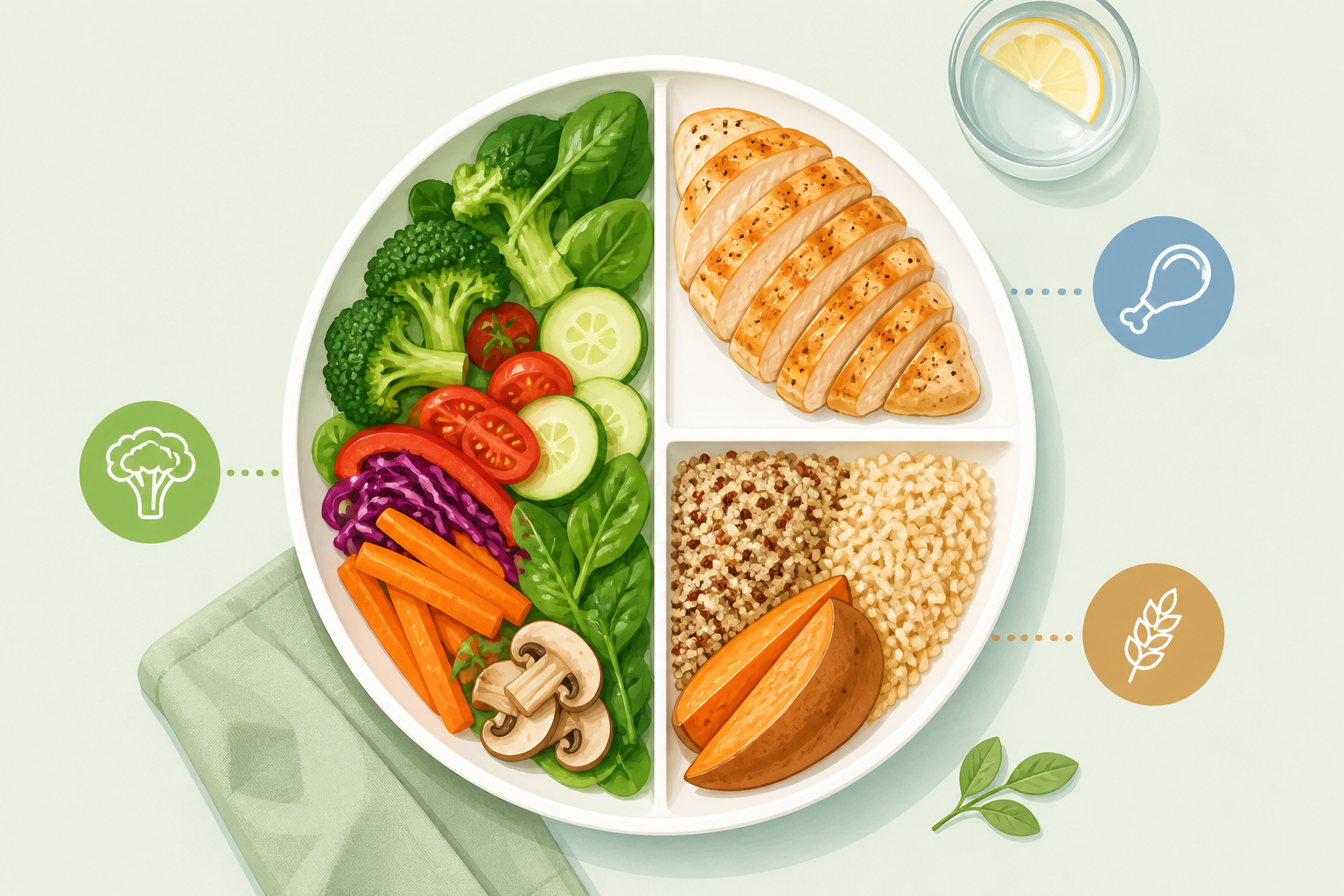
A balanced plate diagram showing ideal portions for PCOS: half the plate with non-starchy vegetables, one quarter lean protein, and one quarter complex carbohydrates

Real Dietitians, Real Results

Download on the App StoreGet it on Google Play

Benefits of Regular Meal Timing

Eating at consistent intervals helps maintain stable blood sugar throughout the day. Aim to eat every 3-4 hours and avoid going long periods without food, which can trigger overeating later.

Intermittent Fasting: What the Research Says

Some studies suggest intermittent fasting may improve insulin sensitivity in women with PCOS. However, the evidence is mixed, and fasting can increase stress hormones in some women. If you try intermittent fasting:

  • Start gradually with a 12-hour overnight fast
  • Never skip breakfast if you feel unwell doing so
  • Listen to your body and stop if symptoms worsen
  • Discuss with your healthcare provider first

The Importance of Breakfast Choices

A high-protein breakfast can set the tone for stable blood sugar all day. Studies show that women with PCOS who ate a larger breakfast and smaller dinner had improved insulin sensitivity and ovulation rates compared to those who did the opposite.

Sample PCOS Meal Plan for One Day

Here's a practical example of how to structure your eating:

Real Dietitians, Real Results

Download on the App StoreGet it on Google Play

Breakfast: Greek yogurt parfait with berries, a tablespoon of chia seeds, and a small handful of walnuts

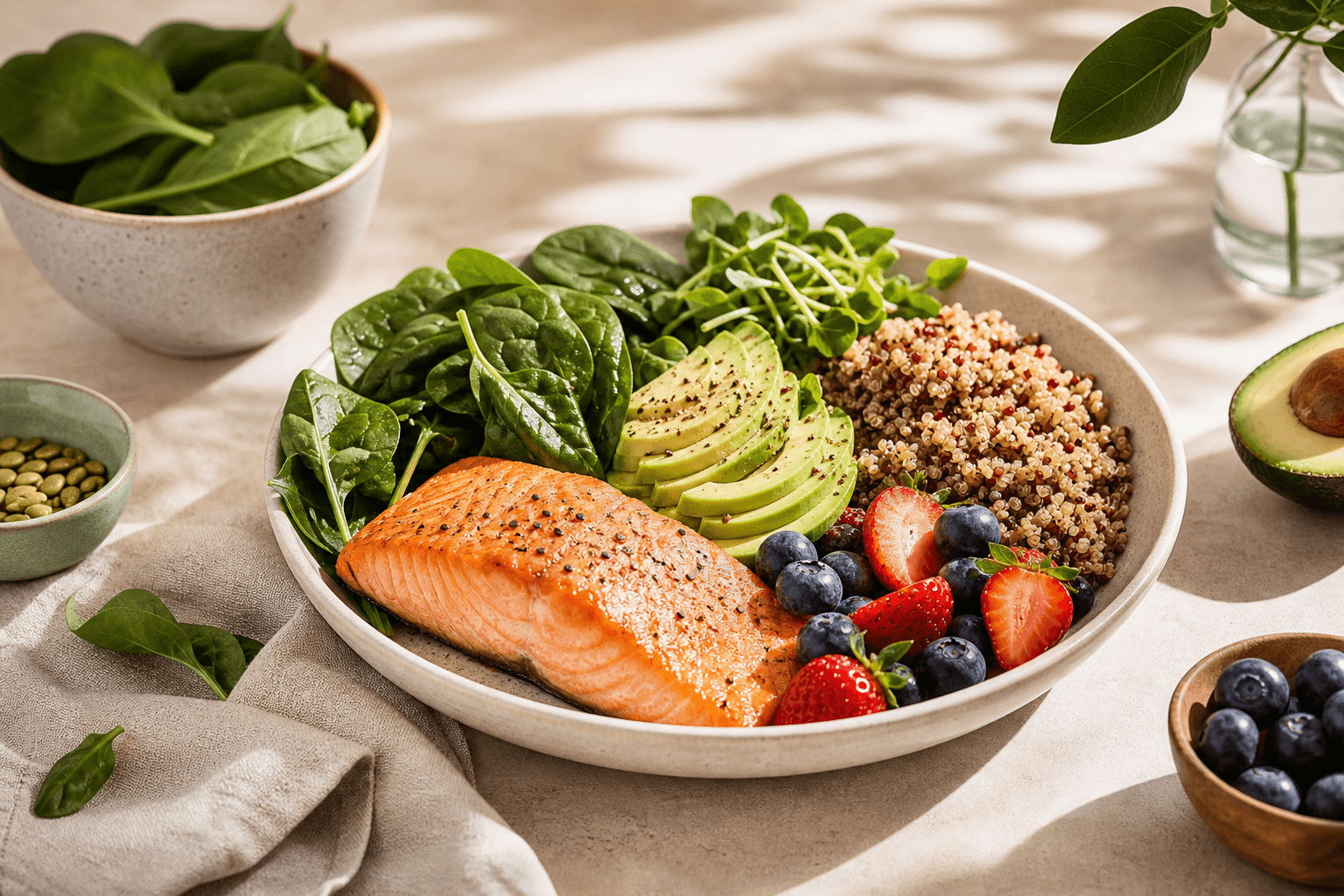
Lunch: Grilled salmon salad with mixed greens, cherry tomatoes, cucumber, avocado, and olive oil vinaigrette

Snack: Apple slices with almond butter or hummus with vegetable sticks

Real Dietitians, Real Results

Download on the App StoreGet it on Google Play

Dinner: Baked chicken thigh with roasted sweet potato and sauteed broccoli with garlic

Evening Snack (optional): A small handful of berries with a few almonds

Important Nutrients and Supplements for PCOS

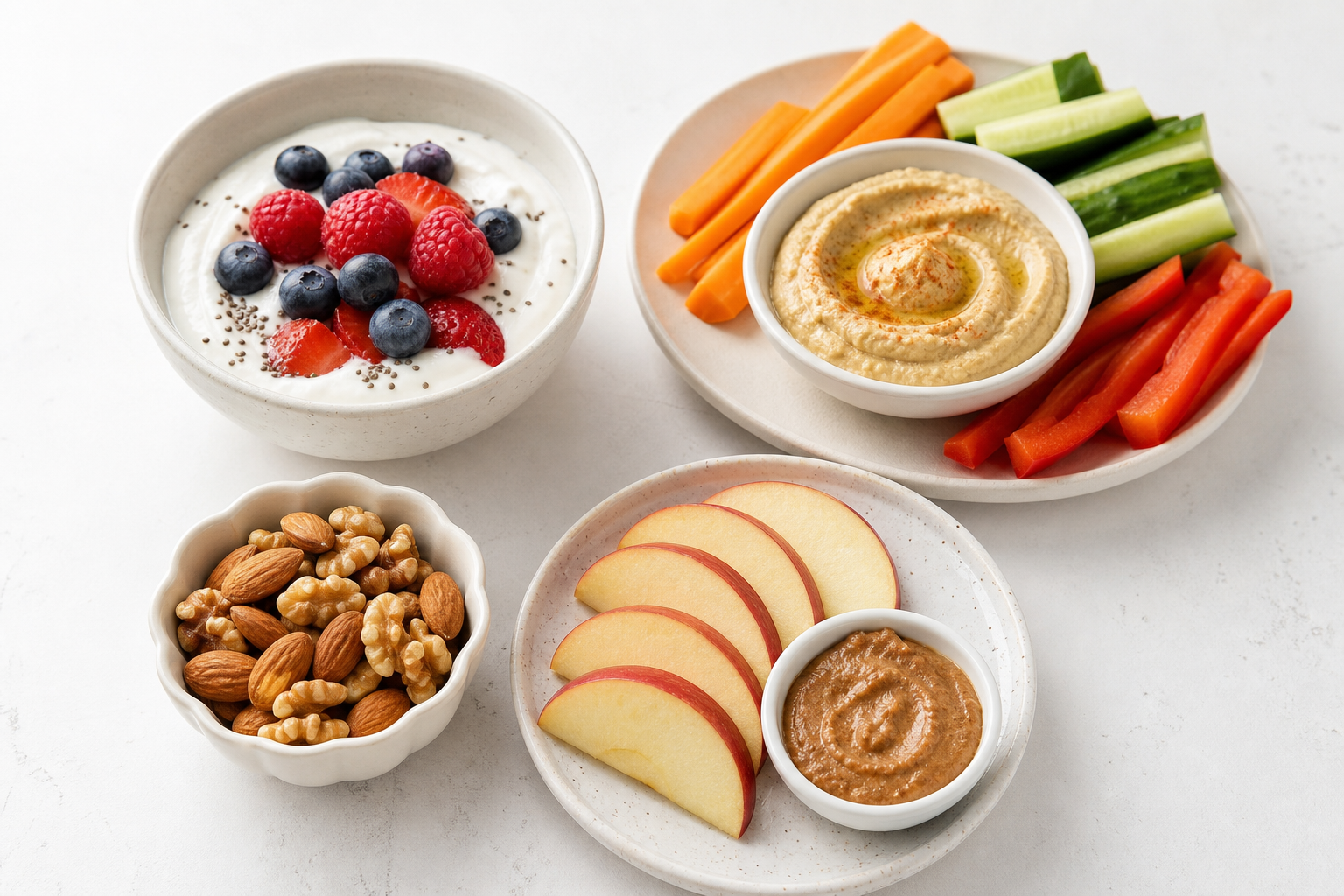
Collection of PCOS-friendly snacks arranged beautifully: Greek yogurt with berries, hummus with vegetable sticks, mixed nuts, and apple slices with almond butter

Real Dietitians, Real Results

Download on the App StoreGet it on Google Play

While food should always come first, certain supplements show promise for PCOS management:

Inositol

Myo-inositol and D-chiro-inositol are compounds that can improve insulin sensitivity. Research suggests a 40:1 ratio of myo-inositol to D-chiro-inositol may be most effective for PCOS. Studies show potential benefits for ovulation, menstrual regularity, and metabolic markers.

Vitamin D

Vitamin D deficiency is extremely common in women with PCOS, affecting up to 67-85% of patients. Adequate vitamin D is essential for insulin function, fertility, and mood regulation.

Real Dietitians, Real Results

Download on the App StoreGet it on Google Play

Omega-3 Fatty Acids

If you don't eat fatty fish regularly, an omega-3 supplement may help reduce inflammation and improve lipid profiles.

Chromium and Magnesium

Chromium may enhance insulin sensitivity, while magnesium deficiency is associated with insulin resistance and can worsen PCOS symptoms.

Always consult with a healthcare provider or registered dietitian before starting any supplement regimen. Quality, dosage, and interactions matter.

Real Dietitians, Real Results

Download on the App StoreGet it on Google Play

PCOS Weight Loss Diet: A Sustainable Approach

Weight management with PCOS can feel like an uphill battle. Here's why and what actually works.

Why Weight Loss Is More Challenging

Insulin resistance promotes fat storage, particularly around the midsection. Hormonal imbalances can increase appetite and cravings. Sleep disturbances and stress, both common in PCOS, further complicate weight management.

Why Crash Diets Backfire

Severely restricting calories can:

  • Slow your metabolism
  • Increase cortisol (stress hormone) levels
  • Trigger binge eating episodes
  • Worsen insulin resistance over time
  • Lead to nutrient deficiencies

Sustainable Strategies That Work

Focus on adding nourishment, not just restriction. Aim for:

  • A modest calorie deficit if weight loss is your goal (300-500 calories below maintenance)
  • Prioritizing protein at each meal
  • Including resistance training to build metabolically active muscle
  • Getting adequate sleep (7-9 hours)
  • Managing stress through yoga, meditation, or counseling
  • Celebrating non-scale victories like improved energy and regular cycles

Fertility and Diet: Nutrition for Conception with PCOS

If you're trying to conceive, nutrition takes on added importance.

Real Dietitians, Real Results

Download on the App StoreGet it on Google Play

How Diet Impacts Ovulation

Insulin resistance can disrupt the delicate hormonal balance needed for regular ovulation. Improving insulin sensitivity through diet may help restore ovulatory cycles in some women.

Key Nutrients for Reproductive Health

  • Folate: Essential for fetal development; found in leafy greens, legumes, and fortified foods
  • Iron: Important for ovulation; include lean red meat, spinach, and legumes
  • Zinc: Supports hormone production; found in oysters, beef, and pumpkin seeds
  • Omega-3s: May improve egg quality; fatty fish and walnuts
  • Vitamin D: Critical for fertility; sunlight exposure and supplements if needed

Working with Healthcare Providers

When trying to conceive, work closely with your healthcare team. A registered dietitian can help optimize your nutrition while an endocrinologist or reproductive specialist can address underlying hormonal imbalances.

Practical Tips for Long-Term Success

Meal Planning Strategies

  • Batch cook proteins and grains on weekends
  • Pre-cut vegetables for easy access
  • Keep healthy staples on hand: frozen vegetables, canned legumes, nuts
  • Plan for busy days with simple backup meals

Reading Nutrition Labels

  • Check serving sizes first - they're often smaller than expected
  • Look for added sugars under many names (dextrose, maltose, corn syrup)
  • Choose products with at least 3 grams of fiber per serving
  • Compare products to find lower-sodium options

Dining Out with PCOS

  • Review menus online before arriving
  • Ask for dressings and sauces on the side
  • Request vegetables instead of fries as a side
  • Choose grilled, baked, or steamed options over fried
  • Share dessert or skip it entirely

Managing Cravings

  • Identify triggers: stress, boredom, or genuine hunger?
  • Keep protein-rich snacks available
  • Stay hydrated - thirst can masquerade as hunger
  • Allow occasional treats without guilt - restriction often backfires
  • Get enough sleep to reduce hormone-driven cravings

When to Seek Professional Support

Managing PCOS through diet is powerful, but you don't have to figure it out alone. Consider working with a registered dietitian if:

  • You're unsure how to balance your meals properly
  • Your symptoms aren't improving despite dietary changes
  • You have a history of disordered eating
  • You're trying to conceive
  • You need help creating a sustainable, personalized plan

Nutrista offers personalized nutrition guidance and can connect you with registered dietitians who specialize in hormonal health and PCOS management. Unlike generic calorie-tracking apps that only offer AI-generated advice, Nutrista connects you with real, vetted registered dietitians who provide evidence-based, personalized support. These professionals use modern technology and AI tools to deliver the most up-to-date care, combining the best of human expertise with innovative solutions.

Real Dietitians, Real Results

Download on the App StoreGet it on Google Play

Final Thoughts

Living with PCOS can feel overwhelming, but you have more control than you might realize. Small, consistent dietary changes can lead to meaningful improvements in your symptoms, energy levels, and overall wellbeing. Start with one or two changes - perhaps adding more vegetables to your meals or swapping refined grains for whole ones - and build from there.

Remember that progress isn't linear. Some days will be easier than others, and that's completely normal. Be patient with yourself and celebrate the small wins along the way.

Before making significant dietary changes or starting any supplements, please consult with your healthcare provider or a registered dietitian who can offer personalized guidance based on your individual health needs and goals.

Real Dietitians, Real Results

Download on the App StoreGet it on Google Play
#PCOS nutrition#insulin resistance#hormonal balance

Others Viewed