







The Marketplace Fraud: Why 98% of Shoppers Never Find a Real Dietitian 😱
Stop being scammed by Instagram 'coaches' and outdated PDFs. Discover why your diet keeps failing and how Nutrista AI is the secret weapon you've been missing. 😱💸

If you have recently been prescribed metformin, you might be wondering how this medication fits into your daily life, and more specifically, what you should be eating while taking it. Whether you are managing type 2 diabetes or polycystic ovary syndrome (PCOS), you are likely looking for clear, practical guidance on navigating meals and snacks alongside this common medication.
You are not alone in asking these questions. Many people want to know if certain foods interact with metformin, how to manage digestive side effects, and whether their nutrition choices can help the medication work more effectively. The good news is that thoughtful dietary choices can make a real difference in how you feel and how well the medication supports your health goals.
Metformin is one of the most widely prescribed medications for managing type 2 diabetes, and it is also commonly used to treat PCOS. It belongs to a class of medications called biguanides, and it has been helping people manage blood sugar for decades with a strong safety record.
Metformin works primarily by improving how your body responds to insulin. It helps your liver stop producing excess glucose and makes your cells more receptive to the insulin your body produces. Think of it as helping your body become more efficient at using the fuel you give it, rather than letting that fuel accumulate in your bloodstream as excess sugar.
This is exactly why diet matters so much when you are taking metformin. The medication is working to improve your insulin sensitivity and regulate blood sugar, but the foods you choose can either support or work against these efforts. When you pair metformin with balanced, nutrient-dense foods, you are giving the medication the best possible environment to do its job.
Understanding the basics of how metformin functions can help you make more informed food choices. When you eat carbohydrates, your body breaks them down into glucose, which enters your bloodstream. In response, your pancreas releases insulin to help move that glucose into your cells for energy.
For people with insulin resistance, which is common in both type 2 diabetes and PCOS, cells do not respond effectively to insulin. This means glucose stays in the bloodstream longer than it should. Metformin helps address this problem in three key ways:
When you choose foods that do not cause dramatic spikes in blood sugar, you are working in partnership with the medication rather than asking it to work harder to counteract dietary choices.
The best dietary approach when taking metformin focuses on foods that support stable blood sugar, provide essential nutrients, and are gentle on your digestive system. This is especially important during the first few weeks of starting the medication, when digestive side effects are most common.
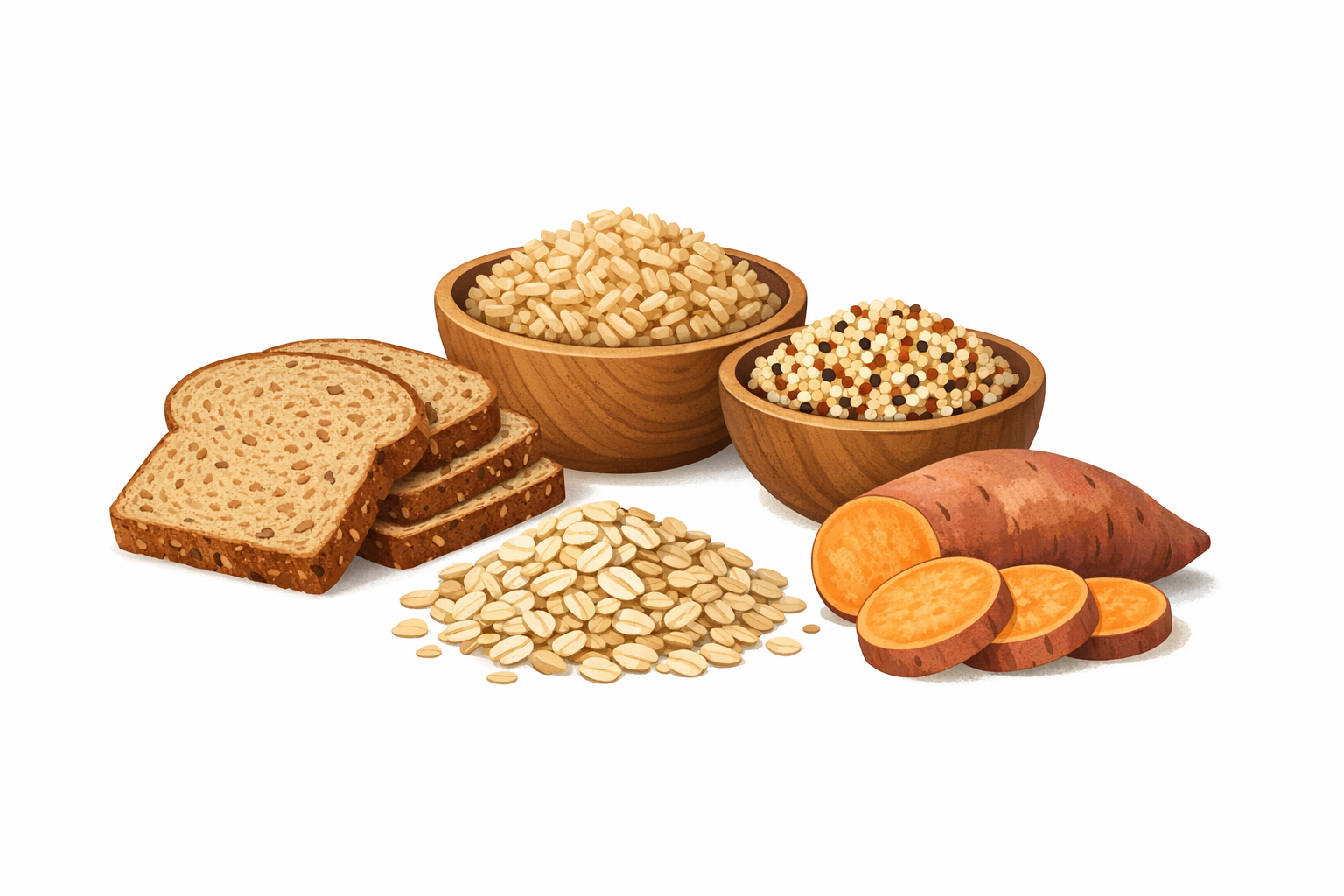
Complex carbohydrates are digested more slowly than refined carbs, which means they provide a steadier, more gradual release of glucose into your bloodstream. This helps prevent the blood sugar spikes that can make diabetes management more challenging.

Excellent complex carbohydrate choices include:
Fiber is particularly valuable because it slows digestion and helps prevent rapid blood sugar increases. Aim for 25 to 35 grams of fiber per day, but increase your intake gradually if you are not used to high-fiber foods. Drinking plenty of water helps fiber do its job without causing discomfort.
Protein plays a crucial role in blood sugar management. It does not cause blood sugar spikes, and it helps you feel full and satisfied after meals. This can be especially helpful if you are also working toward weight management goals.
Good protein sources to include regularly:
Try to include a source of protein with every meal. This helps slow the absorption of carbohydrates and provides more stable, sustained energy throughout the day.
Not all fats are created equal, and when you are taking metformin, focusing on healthy fats can support your overall metabolic health. Research suggests that certain types of fats may help improve insulin sensitivity and reduce inflammation.
Include these healthy fat sources in your diet:
Remember that fats are calorie-dense, so portion awareness matters. A handful of nuts, a quarter of an avocado, or a tablespoon of olive oil is generally a good portion size to aim for.
While no food is strictly "forbidden" when you take metformin, certain foods can interfere with your health goals or make side effects worse. Understanding which foods to limit can help you feel your best while supporting the medication's effectiveness.
Refined carbohydrates and added sugars can cause rapid blood sugar spikes that work against what metformin is trying to accomplish. These foods are digested quickly, flooding your bloodstream with glucose and requiring your body to work harder to manage the surge.
Foods to limit or avoid:
This does not mean you can never enjoy these foods. But saving them for occasional treats rather than daily habits, and pairing them with protein or fiber when you do have them, can help minimize their impact on your blood sugar.
Alcohol requires special consideration when you are taking metformin. Drinking alcohol while on metformin can increase your risk of developing lactic acidosis, a rare but serious condition. Additionally, alcohol can affect blood sugar levels in unpredictable ways, sometimes causing drops in blood sugar that can be dangerous.
If you choose to drink, do so in moderation, never on an empty stomach, and discuss safe limits with your healthcare provider. Many dietitians recommend avoiding alcohol entirely during the first few weeks of metformin treatment while your body adjusts to the medication.
Foods high in saturated fats can contribute to insulin resistance over time and increase your risk of heart disease, which is already elevated for people with diabetes. While metformin itself does not interact negatively with saturated fats, limiting these foods supports your overall metabolic health.
Foods high in saturated fat to limit:
Instead, choose the lean proteins and healthy fats mentioned earlier in this article.
One aspect of metformin that does not get enough attention is its potential effect on certain nutrients over time. Being aware of these interactions can help you make informed dietary choices and know what to discuss with your healthcare provider.
Long-term metformin use can reduce vitamin B12 absorption in some people. Vitamin B12 is essential for nerve function, red blood cell production, and DNA synthesis. Research suggests that up to 30% of people taking metformin long-term may experience reduced B12 levels.

Foods rich in vitamin B12 include:
If you have been taking metformin for more than a year or two, ask your healthcare provider about testing your B12 levels. Some people benefit from B12 supplementation, but this should be determined through proper testing and medical guidance.
Some research suggests that metformin may also affect levels of folate and vitamin D in certain individuals. Eating a varied, nutrient-dense diet and discussing regular blood work with your doctor can help you stay on top of any potential deficiencies.
The most common side effects of metformin involve the digestive system. Nausea, diarrhea, stomach upset, and bloating are frequently reported, especially during the first few weeks of treatment. The good news is that dietary strategies can significantly reduce these uncomfortable symptoms.
Taking metformin with meals rather than on an empty stomach is one of the most effective ways to reduce digestive side effects. Food acts as a buffer, protecting your stomach lining and slowing the absorption of the medication in a way that is gentler on your digestive system.

Try to time your doses so that you take metformin at the beginning of a meal or midway through eating. This often works better than taking it at the very end of a meal.
Consider these strategies to minimize side effects:
Most people find that side effects improve significantly after a few weeks. If they persist or worsen, speak with your healthcare provider about potential adjustments.
Putting all of this information into practice does not have to be complicated. Here are some sample meal ideas that work well for people taking metformin:
Consider eating at consistent times throughout the day. This helps regulate blood sugar and can make it easier to remember to take your medication with food. Many people find that eating every 4 to 5 hours works well for maintaining stable energy and blood sugar levels.
While this article provides general guidance, everyone's nutritional needs are unique. Your specific health history, other medications you may be taking, your activity level, and your personal preferences all play a role in determining the best dietary approach for you.
Consider working with a registered dietitian if:
A registered dietitian can create a personalized nutrition plan that accounts for your individual circumstances and helps you meet your health goals safely and sustainably.
Taking metformin while making thoughtful food choices is a powerful combination for managing type 2 diabetes or PCOS. The medication is working to improve your insulin sensitivity and regulate blood sugar, and your nutrition choices can support and enhance those effects.
Remember that adjusting to any new medication takes time. Be patient with yourself as you learn how metformin affects your body and which foods help you feel your best. Small, consistent changes often lead to the most sustainable results.
If you are looking for personalized support, consider connecting with a registered dietitian through Nutrista. Unlike generic calorie-tracking apps that only offer AI-generated advice, Nutrista connects you with real, qualified registered dietitians who provide personalized guidance tailored to your specific needs. These professionals are supported by modern AI technology that helps them deliver the most up-to-date, evidence-based recommendations for your situation.
Always consult with your healthcare provider or a registered dietitian before making significant changes to your diet, especially when managing a health condition or taking medication like metformin. Your care team can help ensure that your nutrition choices support both your medication regimen and your overall wellbeing.

Stop being scammed by Instagram 'coaches' and outdated PDFs. Discover why your diet keeps failing and how Nutrista AI is the secret weapon you've been missing. 😱💸

Discover how dietitians can escape the limitations of local practice and work remotely for clients worldwide. Learn how Nutrista enables borderless nutrition consulting.

Stop following TikTok 'gurus' and hallucinating AI. 🛑 94% of real dietitians are hidden behind a wall of paperwork, while you're left guessing. Discover how Nutrista AI changes the game! 🚀
Professional nutritionists ready to help you