menopause diet

Menopause Nutrition Guide: What to Eat to Manage Symptoms Naturally

Nutrista Team
Share
Menopause Nutrition Guide: What to Eat to Manage Symptoms Naturally

Menopause Nutrition Guide: What to Eat to Manage Symptoms Naturally

If you have ever found yourself standing in front of an open refrigerator at 2 a.m., feeling like your body is suddenly playing by a completely new set of rules, you are not alone. Menopause is a profound biological transition, not a glitch in the system. The shift often brings on waves of heat, sleepless nights, and a stubborn weight gain around the midsection that can feel completely foreign. While you cannot turn back the clock on your hormones, you can use your fork as a powerful tool to navigate this chapter with more comfort and vitality. Nutrition during menopause is not about extreme restriction or fad diets; it is about strategically fueling your body to counteract the effects of declining estrogen and restore a sense of balance.

Understanding the Hormonal Shift

Menopause is officially diagnosed when you have gone 12 months without a menstrual period. The years leading up to this point, known as perimenopause, are characterized by significant fluctuations in your reproductive hormones. The most critical change is the decline in estrogen and progesterone. These hormones did more than just regulate your cycle; they influenced your metabolism, your brain chemistry, your bone density, and even the elasticity of your blood vessels. As their levels drop, your body becomes more sensitive to inflammation and insulin resistance. This is why nutrition becomes a frontline defense, helping to compensate for the protective effects that these hormones once provided.

Symptoms That Respond to Dietary Changes

You might be surprised by just how many of the common discomforts of menopause are directly influenced by what you eat. Diet is not a cure-all, but it is a significant moderator of symptom severity. Here are some of the key areas where food choices can make a real difference:

Real Dietitians, Real Results

Download on the App StoreGet it on Google Play
  • Hot Flashes and Night Sweats: These vasomotor symptoms are the hallmark of menopause. They are triggered by a narrowing of the thermoneutral zone in the brain, and certain foods and beverages can either stabilize or destabilize this internal thermostat.
  • Sleep Disturbances: Falling estrogen impacts your production of melatonin and serotonin, making it harder to fall and stay asleep. Nutrients that support neurotransmitter production are critical here.
  • Mood Swings and Irritability: The brain runs on glucose and specific amino acids. Blood sugar crashes caused by refined carbohydrates can mimic and amplify feelings of anxiety and depression.
  • Weight Gain and Slowed Metabolism: The loss of estrogen encourages fat to be stored in the abdominal area rather than the hips and thighs. This visceral fat is metabolically active and inflammatory, but a high-protein, high-fiber diet can help counter this shift.
  • Bone Density Loss: Estrogen protects your skeleton by keeping osteoclasts (cells that break down bone) in check. Without it, you need a steady supply of calcium and vitamin D to prevent rapid bone loss.

The Best Foods to Eat During Menopause

When you are searching for natural remedies for menopause symptoms, you want to focus on nutrient density. This means packing every bite with compounds that speak directly to your changing physiology.

1. Embrace Phytoestrogens

Phytoestrogens are plant compounds that have a weak estrogen-like effect in the body. They can bind to estrogen receptors and gently mimic the hormone's action, which is particularly helpful when your natural levels are low. Research on foods that help hot flashes often points to these compounds.
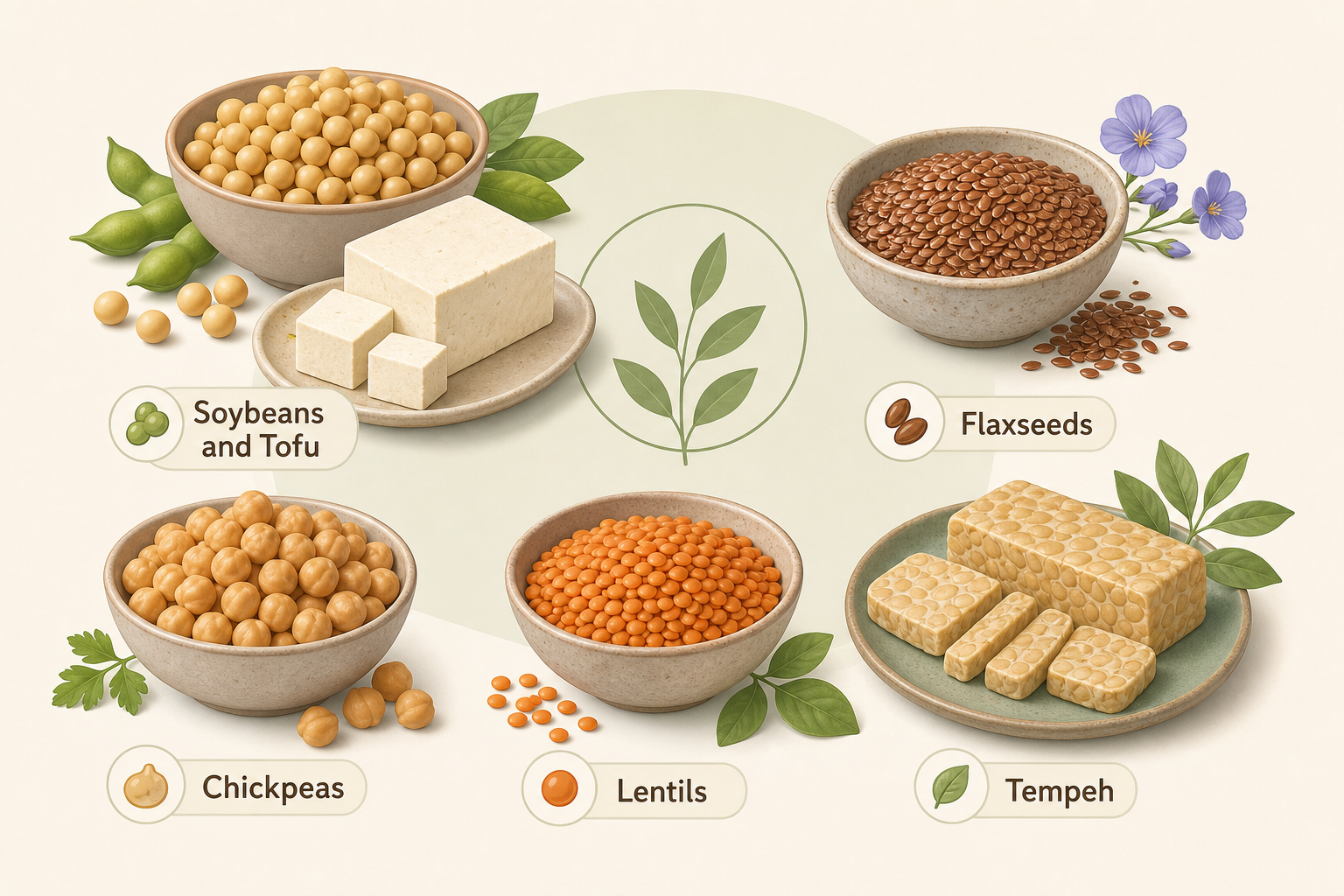
An educational infographic-style illustration showing phytoestrogen-rich foods arranged attractively: soybeans and tofu, flaxseeds in a small bowl, chickpeas, lentils, and tempeh, with gentle text labels and a soft, modern design aesthetic

  • Soy Products: Tofu, tempeh, edamame, and unsweetened soy milk. Look for minimally processed, traditional soy foods.
  • Flaxseeds: These are a powerhouse of lignans. Grind them fresh and add a tablespoon to oatmeal or smoothies to maximize absorption.
  • Legumes: Chickpeas, lentils, and beans provide a steady source of fiber and phytoestrogens.

2. Prioritize Calcium and Vitamin D for Bone Health After Menopause

The risk of osteoporosis escalates dramatically post-menopause. You can no longer afford to skip on bone-building nutrients. Vitamin D is crucial because without it, your body cannot absorb calcium effectively.

  • Dairy: Plain Greek yogurt and kefir offer gut-friendly probiotics alongside calcium.
  • Leafy Greens: Collard greens, kale, and bok choy.
  • Fortified Foods: Look for fortified plant milks (almond, oat, coconut) and orange juice with added calcium and vitamin D.
  • Supplementation: Many women find it difficult to get enough vitamin D from food alone, especially in less sunny climates. A blood test can determine if you need a supplement.

3. Leverage Omega-3 Fatty Acids

Omega-3s are essential for heart health after menopause because they help lower triglycerides and reduce inflammation in the arteries. They are also a natural mood stabilizer, supporting brain cell membrane fluidity.

  • Fatty Fish: Aim for at least two servings of wild salmon, mackerel, or sardines per week.
  • Plant Sources: Walnuts, chia seeds, and hemp seeds are excellent daily additions to your breakfast or salads.

4. Pump Up the Protein

To counter the menopause weight gain diet challenge, you need to preserve your muscle mass. Muscle is your metabolic engine, burning more calories at rest than fat tissue. As you age, you naturally become less efficient at synthesizing protein, so you actually need more of it.

  • Lean Animal Proteins: Skinless poultry, eggs, and fish.
  • Plant Proteins: Quinoa, lentils, and tofu.
  • Distribution: Spread your protein intake evenly throughout the day rather than loading it all onto your dinner plate.

5. Fill Up on Fiber

Fiber slows down the digestion of carbohydrates, preventing the sharp insulin spikes that can worsen hot flashes and mood swings. It also feeds beneficial gut bacteria, which play a role in metabolizing and recycling hormones.

  • Soluble Fiber: Oats, apples, and beans.
  • Vegetables: A colorful variety ensures you get a broad spectrum of antioxidants.
  • Whole Grains: Swap white rice for brown rice or farro.

Foods and Beverages to Limit or Avoid

Just as some foods can soothe your system, others can act as triggers. If you are struggling with intense hot flashes or sleepless nights, it may be worth experimenting with eliminating these for a few weeks to gauge your sensitivity.
Real Dietitians, Real Results

Download on the App StoreGet it on Google Play
  • Alcohol: It is a vasodilator, meaning it widens blood vessels, which can directly trigger a hot flash. It also fragments your sleep architecture, robbing you of restorative REM sleep.
  • Caffeine: A stimulant can narrow the thermoneutral zone in some women, making the body more reactive to temperature changes.
  • Refined Sugars: Pastries, white bread, and sugary drinks cause rapid blood sugar spikes and crashes, which can set off a cascade of sweating and irritability.
  • Spicy Foods: Capsaicin, the active component in chili peppers, is a well-documented hot flash trigger for many.
  • Highly Processed Foods: These are often high in sodium and trans fats, promoting water retention and systemic inflammation.

A Day of Menopause-Friendly Eating

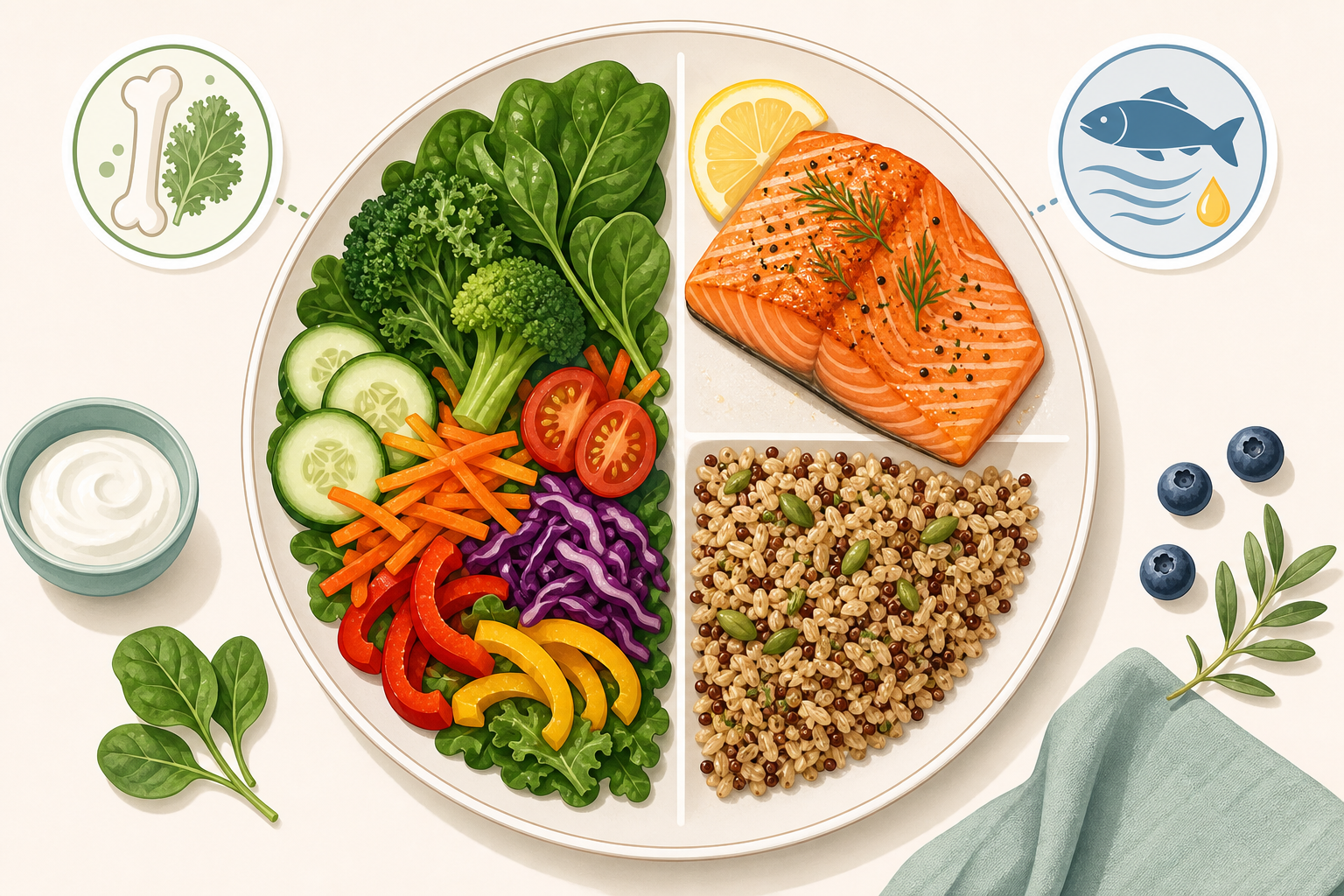
Knowing what to eat during menopause is one thing, but putting it into practice on a busy day is another. Here is a sample meal plan to show you how to layer these nutrients together.

An illustrated nutrition plate showing a balanced menopause-friendly meal divided into sections: leafy greens and colorful vegetables taking up half the plate, lean protein like salmon in one quarter, and whole grains in another quarter, with small icons indicating calcium and omega-3 benefits around the border

  • Breakfast: A bowl of plain Greek yogurt with a tablespoon of ground flaxseeds, a handful of fresh raspberries, and a sprinkle of chopped walnuts.
  • Lunch: A large salad with 4 ounces of grilled salmon, mixed greens, roasted chickpeas, cucumber, and a lemon-tahini dressing.
  • Afternoon Snack: Sliced bell peppers with a quarter cup of edamame hummus. A small latte made with fortified oat milk provides extra calcium without the full caffeine hit of a large coffee.
  • Dinner: A tofu and vegetable stir-fry made with broccoli, carrots, and snap peas, tossed in a ginger-soy sauce, served over a bed of quinoa.
  • Evening Wind-Down: A small cup of tart cherry juice (a natural source of melatonin) or a chamomile tea.

Simple Swaps to Make Existing Meals More Menopause-Friendly:

  • Replace white rice with cauliflower rice or quinoa at dinner.
  • Use mashed avocado or hummus instead of mayonnaise on sandwiches.
  • Switch from sugary granola to a mix of nuts and seeds with a touch of cinnamon.
  • Choose sparkling water with a slice of lime instead of a second glass of wine.

Lifestyle Factors That Work Alongside Nutrition

Food is your foundation, but it works best when supported by a holistic lifestyle. Exercise is non-negotiable for bone health after menopause and weight management. Resistance training, in particular, sends a direct signal to your bones to lay down more mineral density. Even two sessions a week using body weight or bands can make a significant difference.

Real Dietitians, Real Results

Download on the App StoreGet it on Google Play

Stress management is equally critical. When you are chronically stressed, your adrenal glands produce cortisol. High cortisol levels can actually make hot flashes worse and encourage your body to store fat specifically in the abdominal region. Prioritizing sleep hygiene—keeping your room cool, dark, and screen-free—can help break the cycle of night sweats and fatigue.

When to Seek Professional Help

While these nutritional strategies are very effective, they are meant to support, not replace, medical care. If your hot flashes are drenching, if your mood changes are interfering with your relationships, or if you are experiencing rapid bone loss, it is time to speak with your healthcare provider. Hormone replacement therapy (HRT) or other medications may be a necessary and safe part of your plan. Always consult your doctor before starting any new supplement regimen, especially if you are on prescription medications.

Working with a registered dietitian can be transformative during this time. Menopause is not a one-size-fits-all experience, and a generic calorie-counting app simply cannot provide the nuanced, personalized strategy you need. Unlike a standard, AI-only tracking tool, a human expert can help you interpret your symptoms, navigate food sensitivities, and adjust your plan weekly.

Real Dietitians, Real Results

Download on the App StoreGet it on Google Play

Nutrista empowers real, local, registered dietitians with artificial intelligence so they can help clients with the most modern technologies. Nutrista is the first platform that connects users with a large community of international, registered, vetted dietitians supported by AI. This means you get the warmth and personalized accountability of a human professional, enhanced by the efficiency of modern tools like Nutrista AI. You deserve a guide who sees the whole picture of your health, not just your macros.

This article provides general information and should not be taken as medical advice. Please consult a healthcare professional or a registered dietitian before making significant dietary changes, especially if you have existing health conditions or are taking hormone replacement therapy.

Real Dietitians, Real Results

Download on the App StoreGet it on Google Play
#menopause diet#hormone balance#hot flashes relief

Others Viewed