menopause diet

Menopause Diet and Nutrition: What to Eat to Manage Symptoms Naturally

Nutrista Team
Share
Menopause Diet and Nutrition: What to Eat to Manage Symptoms Naturally

Menopause Diet and Nutrition: What to Eat to Manage Symptoms Naturally

If you're navigating the journey through perimenopause or menopause, you've likely noticed that your body is responding differently to foods and lifestyle habits that once felt predictable. Perhaps you're experiencing hot flashes that seem to come out of nowhere, or you've noticed weight accumulating around your midsection despite eating the same way you always have. You're not imagining these changes, and you're certainly not alone in facing them.

Menopause is a natural transition that every woman experiences, yet it often feels like a mystery wrapped in physical and emotional challenges. The good news is that what you eat can genuinely influence how you feel during this time. A thoughtfully designed menopause diet can help manage symptoms naturally while supporting your long-term health.

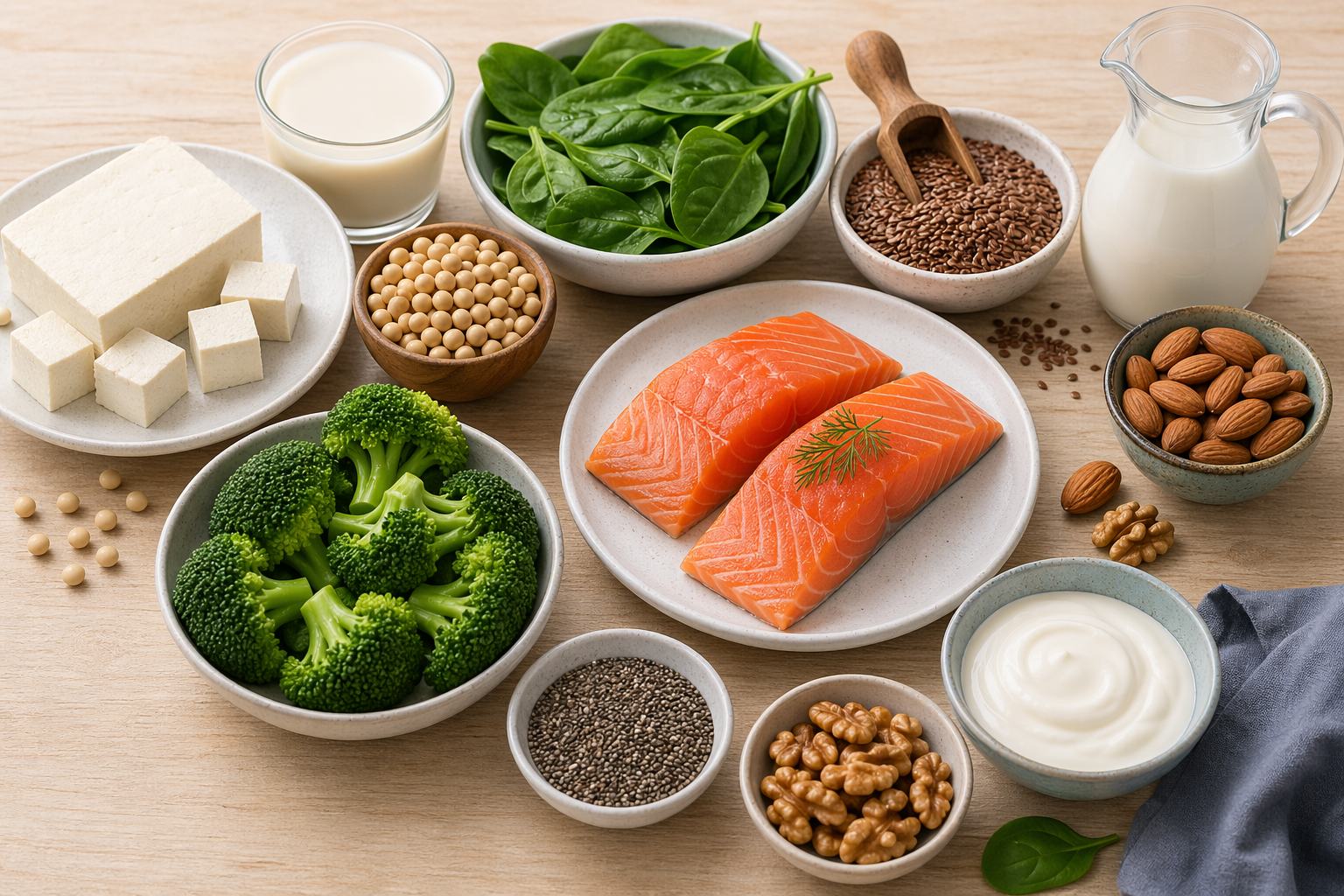
A clean, organized arrangement of menopause-friendly foods including soy products, flaxseed, leafy greens, fatty fish, nuts, and dairy alternatives on a light wooden surface

Real Dietitians, Real Results

Download on the App StoreGet it on Google Play

Understanding How Diet Affects Menopause Symptoms

During perimenopause and menopause, your body undergoes significant hormonal shifts. Estrogen levels decline, and this change affects virtually every system in your body. This hormonal transition influences how your body processes nutrients, stores fat, regulates temperature, and maintains bone density.

Research consistently shows that nutrition plays a meaningful role in managing menopause symptoms and reducing health risks associated with this life stage. While no single food will eliminate all symptoms, a strategic approach to eating can make a tangible difference in your daily comfort and long-term wellbeing.

Common Symptoms That May Improve With Dietary Changes

Many women search for foods for menopause symptoms because they're experiencing one or more of these common challenges:

Real Dietitians, Real Results

Download on the App StoreGet it on Google Play
  • Hot flashes and night sweats: Triggered by temperature regulation changes in the hypothalamus
  • Weight gain around the midsection: Related to metabolic shifts and insulin resistance
  • Sleep disturbances: Often connected to night sweats and hormonal fluctuations
  • Mood changes: Including irritability, anxiety, and feelings of low mood
  • Bone health concerns: Accelerated bone loss occurs in the years following menopause
  • Heart health risks: Declining estrogen affects cholesterol levels and blood vessel function

Understanding that these symptoms have physiological roots can help you approach them with compassion rather than frustration. Let's explore what to eat during menopause to support your body through these changes.

Essential Nutrients for Menopause Support

Calcium and Vitamin D for Bone Health

After menopause, women lose bone density more rapidly due to declining estrogen levels. This makes calcium and vitamin D absolutely critical nutrients during this life stage. Women over 50 need approximately 1,200 mg of calcium daily, along with 600-800 IU of vitamin D.

Calcium builds bone structure, while vitamin D helps your body absorb and use that calcium effectively. Without adequate vitamin D, even high calcium intake may not protect your bones.

Real Dietitians, Real Results

Download on the App StoreGet it on Google Play

Phytoestrogens: Plant Compounds That Mimic Estrogen

Phytoestrogens are naturally occurring plant compounds that have a chemical structure similar to human estrogen. They can bind to estrogen receptors in your body and produce mild estrogen-like effects. Research on phytoestrogens has shown promising results for reducing hot flash frequency and severity in some women.

Good sources include soy foods, flaxseed, legumes, and some whole grains. The research suggests that regular consumption over several weeks or months provides the most benefit, rather than occasional intake.

Protein for Muscle and Metabolism

During menopause, many women experience a natural loss of muscle mass, which contributes to a slower metabolism. Adequate protein intake helps preserve muscle tissue, supports metabolism, and can help you feel satisfied after meals. Aim for 20-30 grams of protein at each meal to support muscle maintenance and metabolic health.

Real Dietitians, Real Results

Download on the App StoreGet it on Google Play

Fiber for Heart Health and Weight Management

Fiber becomes increasingly important during menopause for several reasons. It supports healthy cholesterol levels, promotes stable blood sugar, aids in weight management, and contributes to gut health. Women should aim for at least 25 grams of fiber daily from whole food sources.

Omega-3 Fatty Acids for Heart and Brain

These essential fats support cardiovascular health, cognitive function, and may help reduce inflammation throughout the body. Some studies also suggest omega-3s may help stabilize mood and reduce the severity of hot flashes in some women.

Best Foods to Include in a Menopause Diet

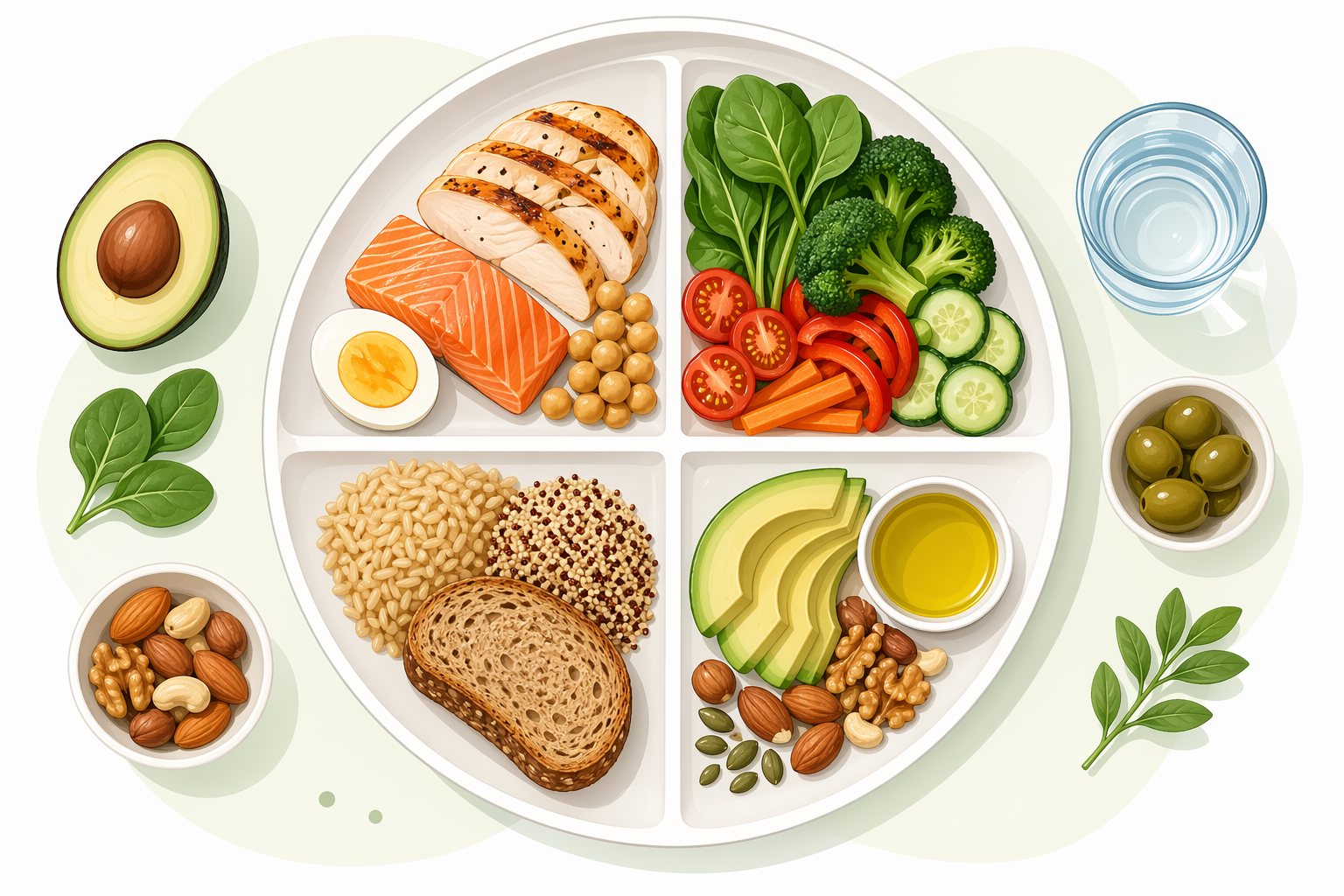
A simple infographic-style illustration showing a balanced plate divided into sections for protein, vegetables, whole grains, and healthy fats

Real Dietitians, Real Results

Download on the App StoreGet it on Google Play

Building a menopause-friendly eating pattern means focusing on nutrient-dense whole foods. Here's what to prioritize:

Leafy Green Vegetables

Spinach, kale, collard greens, and Swiss chard provide calcium, vitamin K, magnesium, and fiber. These nutrients support bone health, heart health, and stable blood sugar. Dark leafy greens are also low in calories while being filling, making them valuable for weight management.

Fatty Fish

Salmon, sardines, mackerel, and herring are excellent sources of omega-3 fatty acids and vitamin D. Fatty fish also provides high-quality protein. Aim to include fatty fish in your diet 2-3 times per week for cardiovascular and anti-inflammatory benefits.

Legumes and Beans

Lentils, chickpeas, black beans, and other legumes provide plant protein, fiber, and phytoestrogens. They support heart health by helping to lower cholesterol and stabilize blood sugar levels. Their fiber content also promotes feelings of fullness, which can help with weight management.

Whole Grains

Oats, quinoa, brown rice, barley, and whole wheat provide fiber, B vitamins, and sustained energy. Unlike refined grains, whole grains don't cause rapid blood sugar spikes that can worsen insulin resistance and contribute to belly fat storage.

Nuts and Seeds

Almonds, walnuts, chia seeds, and flaxseed offer healthy fats, protein, and important minerals. Flaxseed is particularly notable because it contains lignans, a type of phytoestrogen that may help reduce hot flashes. Try adding ground flaxseed to oatmeal, yogurt, or smoothies.

Dairy or Fortified Alternatives

Greek yogurt, cottage cheese, and milk provide calcium, protein, and often vitamin D. If you prefer plant-based options, choose fortified alternatives with similar nutrient profiles. Some women find that dairy triggers inflammation or digestive issues, so pay attention to how your body responds.

Soy Foods

Tofu, tempeh, edamame, and soy milk contain isoflavones, the most studied type of phytoestrogen. Research indicates that regular soy consumption may help reduce hot flash frequency in some women. Soy foods also provide complete plant protein.

Foods That May Worsen Menopause Symptoms

Just as certain foods can help, others may exacerbate symptoms or increase health risks during menopause.

Processed Foods and Added Sugars

Highly processed foods often contain added sugars, unhealthy fats, and excess sodium while lacking beneficial nutrients. These foods can cause blood sugar spikes and crashes that worsen mood swings, fatigue, and cravings. Research links high sugar intake to increased hot flash frequency in some women.

Excessive Caffeine

While moderate caffeine intake is generally safe, too much can trigger or worsen hot flashes, disrupt sleep, and increase feelings of anxiety. If you're experiencing these symptoms, consider limiting caffeine to earlier in the day or reducing your overall intake.

Alcohol

Alcohol can trigger hot flashes, disrupt sleep quality, and contribute to weight gain. It also affects bone health when consumed in excess. Many women find that reducing alcohol intake significantly improves their sleep and reduces night sweats.

High-Sodium Foods

Excess sodium can increase blood pressure and contribute to fluid retention. Since women's cardiovascular risk increases after menopause, managing blood pressure through sodium reduction becomes particularly important.

Managing Menopause Weight Gain and Belly Fat

One of the most frustrating aspects of menopause for many women is weight gain, particularly around the midsection. This isn't simply a matter of willpower. Hormonal changes during menopause affect where your body stores fat and how efficiently it burns calories.
Real Dietitians, Real Results

Download on the App StoreGet it on Google Play

Why Metabolism Changes

Declining estrogen levels contribute to insulin resistance, meaning your cells become less responsive to insulin. This can lead to higher blood sugar levels and increased fat storage, particularly around the abdomen. Additionally, the natural loss of muscle mass that occurs with age slows your resting metabolic rate.

Practical Strategies for Healthy Weight

Rather than restrictive dieting, which often backfires by further slowing metabolism, focus on these evidence-based approaches:

  • Prioritize protein at every meal to preserve muscle mass and increase satiety
  • Include strength training exercises to build and maintain metabolically active muscle tissue
  • Choose fiber-rich foods that help stabilize blood sugar and promote fullness
  • Practice mindful eating by slowing down and paying attention to hunger and fullness cues
  • Stay adequately hydrated as thirst can sometimes be mistaken for hunger

The best diet for menopause belly is one that focuses on nourishment rather than restriction, combined with regular physical activity.

Real Dietitians, Real Results

Download on the App StoreGet it on Google Play

Meal Timing and Eating Patterns

When you eat can be just as important as what you eat during menopause.

The Importance of Regular Meals

Skipping meals, particularly breakfast, can lead to blood sugar fluctuations, increased cravings later in the day, and overeating at evening meals. Eating regular, balanced meals helps maintain stable energy levels and supports metabolic health.

Is Intermittent Fasting Appropriate During Menopause?

Some research suggests that time-restricted eating may offer benefits for metabolic health and weight management. However, extreme fasting approaches can increase stress on the body and may worsen symptoms for some women. If you're interested in this approach, consider a gentle version, such as a 12-hour eating window, and consult with a healthcare provider first.

Real Dietitians, Real Results

Download on the App StoreGet it on Google Play

Not Skipping Breakfast

Starting your day with a balanced breakfast that includes protein, healthy fats, and fiber can help regulate appetite and energy throughout the day. This is particularly important during menopause when blood sugar stability becomes more challenging to maintain.

Sample Day of Menopause-Friendly Eating

Here's a practical example of what a nourishing day might look like:

Breakfast: Greek yogurt with berries, ground flaxseed, and a small handful of walnuts. A cup of green tea.

Real Dietitians, Real Results

Download on the App StoreGet it on Google Play

Mid-morning snack: Apple slices with almond butter.

Lunch: Grilled salmon salad with mixed greens, avocado, chickpeas, cherry tomatoes, and olive oil dressing. A side of quinoa.

Afternoon snack: Hummus with vegetable sticks (carrots, bell peppers, cucumber).

Real Dietitians, Real Results

Download on the App StoreGet it on Google Play

Dinner: Stir-fry with tofu, broccoli, bell peppers, and snap peas over brown rice, seasoned with ginger and garlic.

Evening: A small handful of mixed nuts, if desired.

This sample day provides protein at each meal, plenty of fiber, omega-3 fatty acids from salmon and walnuts, and phytoestrogens from flaxseed and soy.

Real Dietitians, Real Results

Download on the App StoreGet it on Google Play

Supplements During Menopause

While a food-first approach is ideal, some women may benefit from targeted supplementation. Common supplements considered during menopause include calcium, vitamin D, omega-3 fatty acids, and in some cases, phytoestrogen supplements.

Always consult your healthcare provider before starting any supplement regimen. Supplements can interact with medications and may not be appropriate for everyone, particularly women with certain health conditions or those taking specific medications.

Lifestyle Factors Beyond Nutrition

Nutrition works best when combined with other supportive lifestyle habits.

Real Dietitians, Real Results

Download on the App StoreGet it on Google Play

Strength Training

Building and maintaining muscle through resistance exercises helps preserve metabolism, supports bone density, and improves body composition. Aim for strength training exercises 2-3 times per week, targeting major muscle groups.

Sleep Hygiene

Poor sleep can worsen virtually every menopause symptom. Create a cool, dark sleeping environment, establish a consistent sleep schedule, and develop a calming bedtime routine. Limit screen time before bed and avoid caffeine in the afternoon and evening.

Stress Management

Chronic stress can worsen hot flashes, disrupt sleep, and contribute to weight gain. Incorporate stress-reducing practices such as deep breathing, meditation, gentle yoga, or simply spending time in nature.

A peaceful scene of a woman in her 50s enjoying a healthy outdoor meal, representing wellness during menopause

When to Seek Personalized Guidance

Every woman's experience of menopause is unique. If you're managing multiple health conditions such as high blood pressure, high cholesterol, diabetes, or digestive disorders alongside menopause symptoms, personalized nutrition guidance can be invaluable.

A registered dietitian can help you create an eating plan that addresses your specific symptoms, health concerns, food preferences, and lifestyle. Working with a qualified professional ensures that your nutrition approach supports all aspects of your health rather than focusing on symptoms in isolation.

Real Dietitians, Real Results

Download on the App StoreGet it on Google Play

Signs that you might benefit from personalized guidance include:

  • Struggling with persistent symptoms despite dietary changes
  • Managing multiple chronic health conditions
  • Experiencing significant weight changes or difficulty maintaining a healthy weight
  • Unsure how to balance different nutritional needs
  • Feeling overwhelmed by conflicting nutrition information

Final Thoughts

Navigating menopause can feel overwhelming, but you have more control than you might realize. The foods you choose each day can genuinely influence how you feel, both in terms of daily symptoms and long-term health outcomes. Start with small, sustainable changes rather than attempting a complete dietary overhaul overnight.

Remember that menopause is not a problem to be fixed but a natural transition to be supported. Be patient with your body as it adapts to new hormonal patterns. Progress is more important than perfection.

Real Dietitians, Real Results

Download on the App StoreGet it on Google Play

If you're looking for personalized support, consider working with a registered dietitian who specializes in women's health. Nutrista connects women with qualified dietitians who can create personalized menopause nutrition plans tailored to your unique needs and health goals. Unlike generic calorie-tracking apps that only offer AI-generated advice, Nutrista connects you with real, registered dietitians who provide evidence-based guidance supported by modern technology.

Always consult with your healthcare provider before making significant changes to your diet or lifestyle, especially if you have existing health conditions or take medications.

Your menopause journey is yours alone, but you don't have to navigate it without support. With the right nutrition and lifestyle approach, this can be a time of renewed focus on your health and wellbeing.

Real Dietitians, Real Results

Download on the App StoreGet it on Google Play
#menopause diet#hormonal balance#women's nutrition

Others Viewed