




The Recipe Chaos Secret: Why 90% of Dietitians Are Losing Money 😱
Is your recipe 'system' actually a chaotic mountain of PDFs and sticky notes? 📝 Stop wasting hours on manual work and start scaling your profit with the only AI built for real pros. 🚀

If you're reading this, you probably know the frustration all too well. The bloating that appears without warning. The uncomfortable cramping that makes you cancel plans. The unpredictable bathroom trips that leave you exhausted and embarrassed.
Living with Irritable Bowel Syndrome (IBS) can feel isolating and overwhelming. You may have tried eliminating foods randomly, only to find yourself confused about what actually triggers your symptoms. The good news is that there is a structured, evidence-based approach that has helped millions of people worldwide identify their specific food triggers: the Low FODMAP diet.
This comprehensive guide will walk you through everything you need to know about the Low FODMAP diet as a beginner, from understanding what FODMAPs are to practical meal planning and reintroduction strategies.
The Low FODMAP diet is a scientifically validated dietary approach developed by researchers at Monash University in Australia. It is specifically designed to reduce digestive symptoms in people with IBS, including bloating, gas, abdominal pain, diarrhea, and constipation.
Research shows that approximately 70-80% of people with IBS experience significant symptom improvement when following this diet correctly. Unlike restrictive diets that eliminate entire food groups indefinitely, the Low FODMAP approach is temporary and personalized. The goal is not to eliminate foods forever but to identify which specific carbohydrates trigger your symptoms so you can enjoy a varied, nutritious diet long-term.
FODMAP is an acronym that stands for:
These are specific types of carbohydrates that are poorly absorbed in the small intestine. When they reach the large intestine, gut bacteria ferment them, producing gas and drawing water into the digestive tract. For people with sensitive guts, this process triggers the uncomfortable symptoms associated with IBS.
In people with IBS, the digestive system tends to be hypersensitive. When FODMAPs are fermented by gut bacteria, they produce gases like hydrogen and methane. This gas production, combined with the additional water drawn into the intestines, causes the intestinal walls to stretch. For someone with IBS, this normal stretching is perceived as painful bloating and discomfort.
The amount of FODMAPs that triggers symptoms varies from person to person. Some people may tolerate small amounts of certain FODMAPs but react to larger portions. This is why the reintroduction phase is so important—it helps you discover your personal threshold.

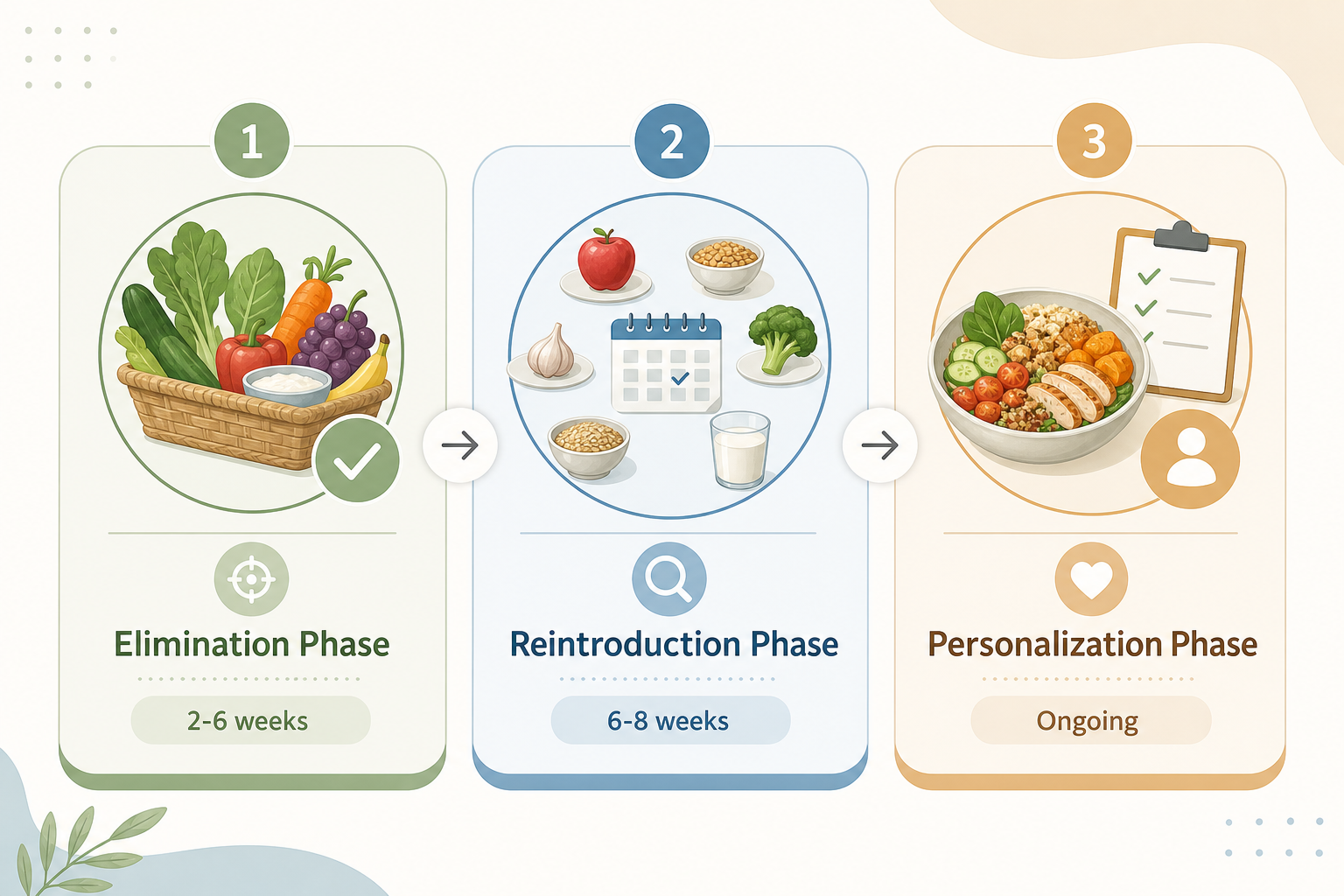
During this initial phase, you significantly reduce all high FODMAP foods to calm your digestive system and establish a baseline. Most people notice symptom improvement within 1-2 weeks of starting the elimination phase.
This phase should not last longer than 6 weeks. The goal is symptom relief, not long-term restriction. Staying in this phase too long can unnecessarily limit your diet and potentially affect your gut microbiome diversity.
This is where the detective work happens. You systematically test each FODMAP group to identify which ones trigger your symptoms. You will test one group at a time while maintaining the low FODMAP baseline diet.
Once you have identified your triggers, you can gradually reintroduce the FODMAP groups you tolerate while continuing to limit those that cause symptoms. The goal is to expand your diet as much as possible while maintaining symptom control.
Understanding which foods are high in FODMAPs is essential for the elimination phase. Here is a categorized list to guide you:
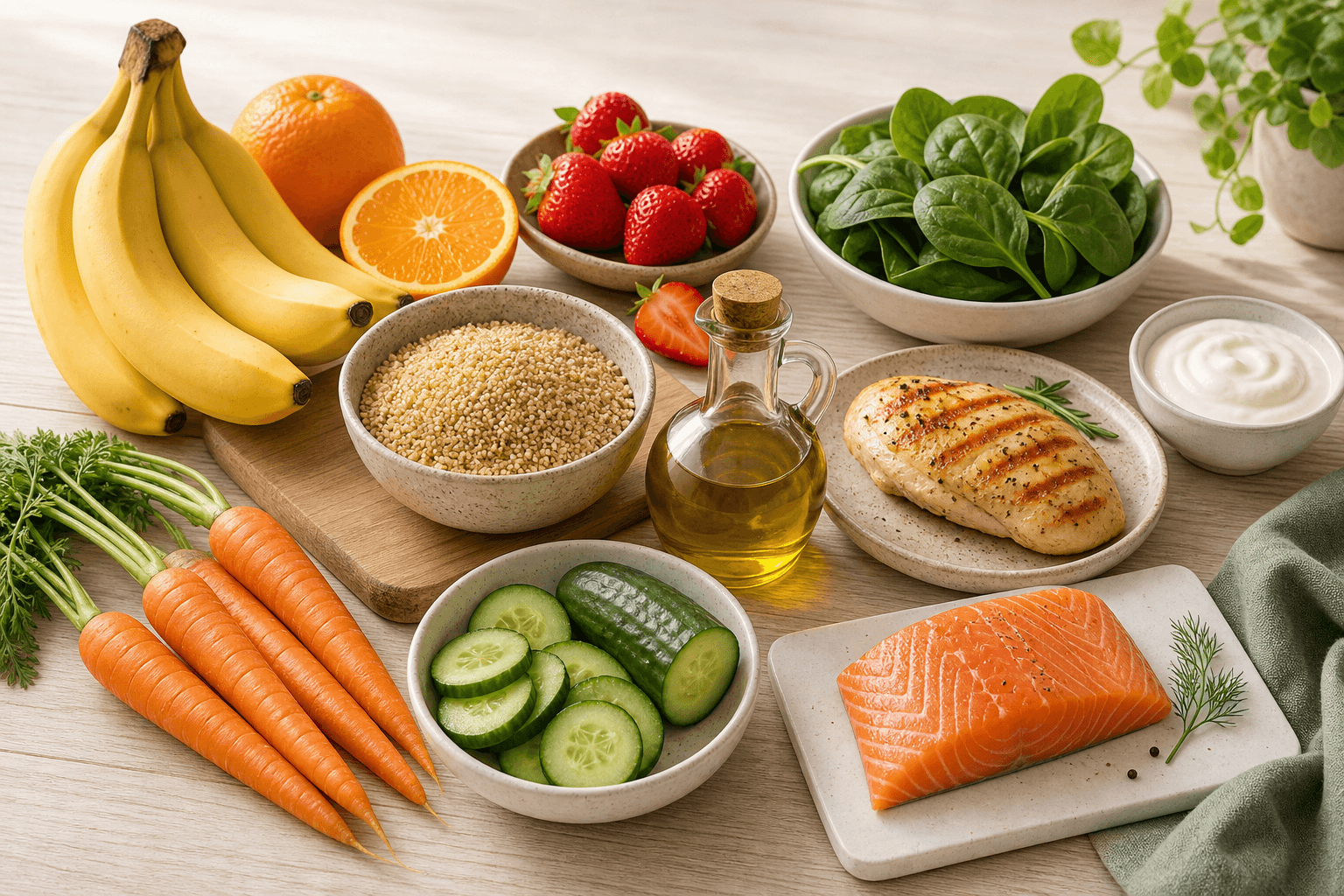
The good news is that there are plenty of delicious, nutritious foods you can enjoy during the elimination phase.
The reintroduction phase requires patience and structure. Here is how to approach it:
Wait at least 3 symptom-free days between testing different FODMAP groups. This ensures you can clearly identify which group caused any reactions.

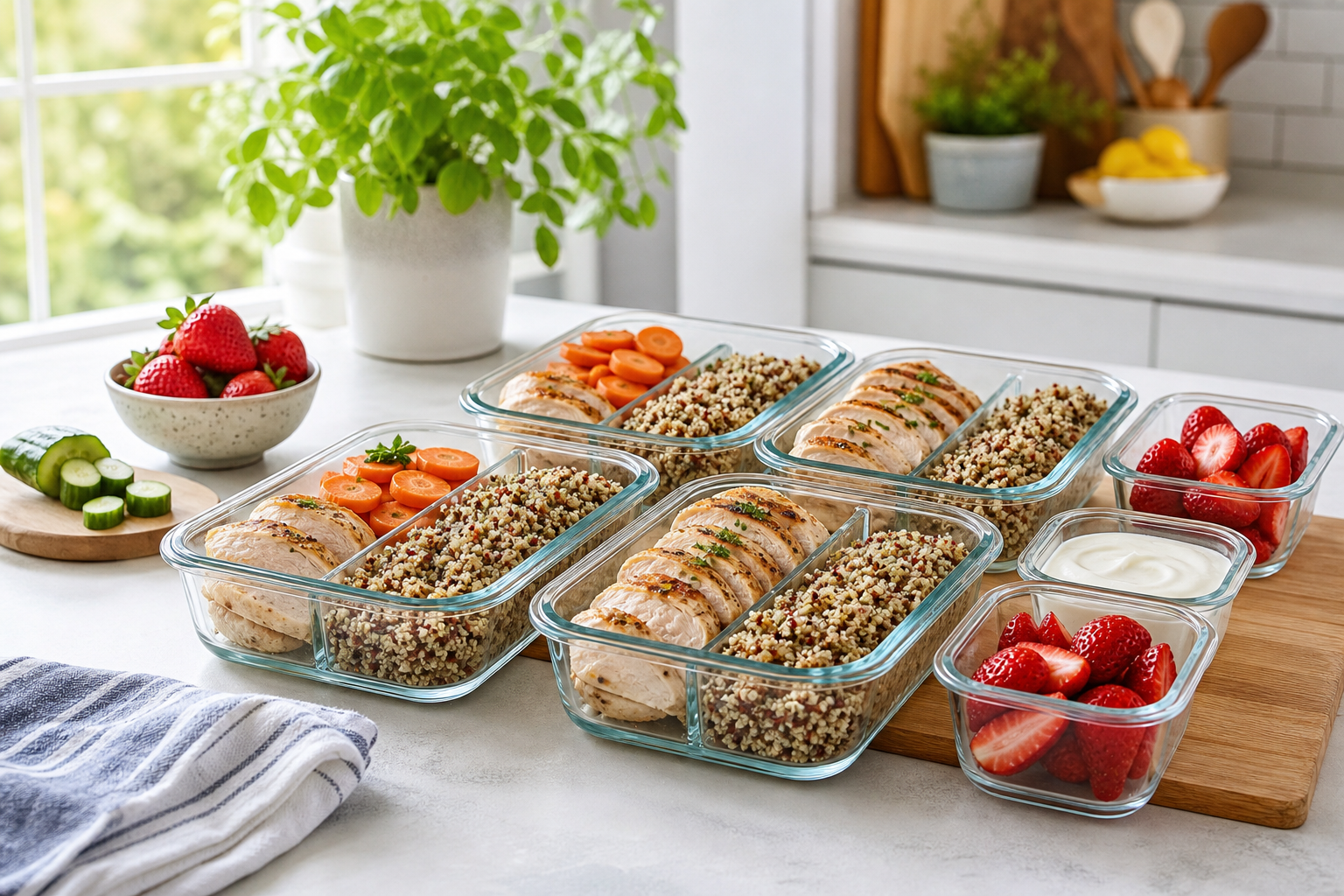
Breakfast: Oatmeal made with lactose-free milk or almond milk, topped with sliced banana, strawberries, and a sprinkle of walnuts
Lunch: Grilled chicken salad with mixed greens, cucumber, cherry tomatoes, carrots, and olive oil vinaigrette with lemon juice
Snack: Rice cakes with lactose-free cream cheese and cucumber slices, plus a small handful of blueberries
Dinner: Baked salmon with steamed green beans and quinoa, seasoned with fresh herbs, olive oil, and lemon
Evening Snack: Lactose-free yogurt with a drizzle of maple syrup and crushed pecans
Starting the Low FODMAP diet can feel overwhelming, and it is easy to make errors that affect your results. Here are the most common pitfalls to avoid:
The elimination phase is not meant to be permanent. Staying on a strict Low FODMAP diet for months can unnecessarily restrict your diet and may reduce the diversity of beneficial gut bacteria. Aim to start reintroduction after 2-6 weeks.
Testing multiple FODMAP groups simultaneously makes it impossible to determine which one caused your symptoms. Be patient and systematic.
FODMAP content is dose-dependent. A small amount of a high FODMAP food may be tolerated, while a large portion causes symptoms. During testing, pay close attention to serving sizes.
Garlic and onion are hidden in countless prepared foods, sauces, and restaurant dishes. Always check ingredient lists carefully, and when dining out, ask about preparation methods.
The Low FODMAP diet is complex, and working with a registered dietitian significantly improves success rates. A dietitian can help you navigate challenges, ensure nutritional adequacy, and interpret your reintroduction results.
Social eating does not have to end because you are following a Low FODMAP diet. Here are strategies to help you navigate restaurants and gatherings:
While this guide provides a comprehensive overview, the Low FODMAP diet is nuanced, and individual responses vary significantly. Working with a registered dietitian who specializes in digestive health can make the difference between frustration and success.
A qualified dietitian can:
Before starting the Low FODMAP diet, please consult with your healthcare provider or gastroenterologist, especially if you have other medical conditions. This diet is specifically designed for IBS and may not be appropriate for everyone.
The Low FODMAP diet is not recommended for:
If you experience concerning symptoms such as blood in your stool, unexplained weight loss, persistent diarrhea, or severe abdominal pain, please seek medical attention promptly. These symptoms may indicate conditions other than IBS that require different treatment.
Managing IBS through diet is a journey, not a destination. You deserve support from qualified professionals who understand the complexities of digestive health and can provide personalized guidance.
Nutrista connects you with registered, vetted dietitians who specialize in digestive health and can create personalized Low FODMAP meal plans tailored to your specific needs. Unlike generic calorie-tracking apps that only offer AI-generated advice, Nutrista empowers real, local, registered dietitians with artificial intelligence so they can help clients with the most modern technologies. This combination of human expertise and innovative tools means you get personalized support that understands the nuances of your unique situation.
You do not have to figure this out alone. With the right guidance and a systematic approach, most people with IBS can identify their triggers and return to enjoying food and life with confidence. The Low FODMAP diet offers a clear path forward, and with patience and support, you can find the relief you deserve.

Is your recipe 'system' actually a chaotic mountain of PDFs and sticky notes? 📝 Stop wasting hours on manual work and start scaling your profit with the only AI built for real pros. 🚀

Is your kitchen a graveyard of forgotten PDFs and sticky notes? 😱 Discover why your healthy habits die by Jan 10th and how Nutrista AI fixes your recipe chaos forever! 🔥🥗

Stop lying to yourself. Your New Year resolution is already on life support. 😱 Discover why your tracking apps are failing you and how Nutrista AI is the only way to save your 2026 goals! 🔥
Professional nutritionists ready to help you