The Batch Cooking Burnout: Why 94% of Meal Preppers Fail by Jan 22nd 😱
Stop wasting your Sundays! 😱 Discover why your meal prep keeps failing and how Nutrista AI is fixing the broken $700 billion grocery industry for good. 🥗🔥

If you live with Irritable Bowel Syndrome (IBS), you know how frustrating and unpredictable digestive symptoms can be. Bloating that appears without warning, abdominal pain that disrupts your day, and irregular bowel habits that make planning anything feel impossible. You are not alone in this struggle, and there is real hope for finding relief through dietary changes.
FODMAPs is an acronym that stands for Fermentable Oligosaccharides, Disaccharides, Monosaccharides, and Polyols. In simpler terms, these are specific types of carbohydrates that your small intestine struggles to absorb. When these compounds reach your large intestine, gut bacteria ferment them, producing gas and drawing water into your digestive tract.
For most people, this fermentation process causes no problems. But if you have a sensitive gut or IBS, the result can be uncomfortable bloating, gas, abdominal pain, diarrhea, or constipation. Understanding which foods contain these compounds gives you the power to reduce your symptoms significantly.

The Low FODMAP diet was specifically developed by researchers at Monash University in Australia for people with Irritable Bowel Syndrome (IBS) and other functional gut disorders. Research shows that approximately 70-80% of IBS sufferers experience significant symptom improvement when following this dietary approach correctly.
This diet is not designed for:
Instead, think of the Low FODMAP diet as a temporary investigation tool that helps you identify exactly which foods trigger your symptoms. The goal is not to eliminate these foods forever but to understand your body's unique responses so you can make informed choices.
Working with a registered dietitian during this process significantly improves your chances of success. A qualified professional can ensure you are following the diet correctly, maintaining proper nutrition, and interpreting your results accurately.

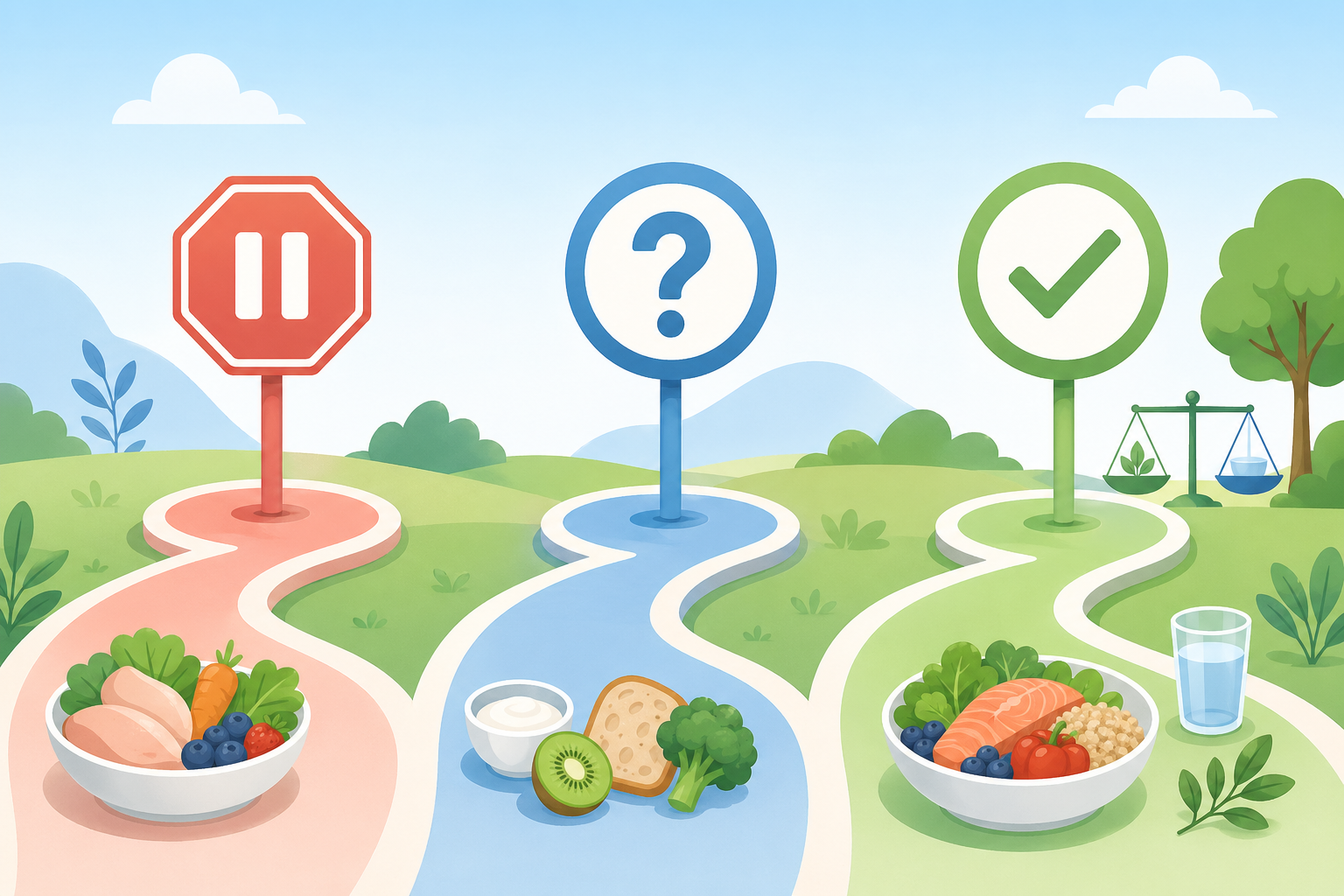
Successfully navigating the Low FODMAP diet requires understanding its three distinct phases. Each phase serves a specific purpose in helping you identify your triggers and build a sustainable eating pattern.
During this initial phase, you will strictly limit all high FODMAP foods to calm your digestive system and establish a baseline. Most people notice symptom improvement within 1-2 weeks, though some may need the full 6 weeks to experience relief.
This phase requires commitment and careful attention to what you eat. The goal is not perfection but rather consistent adherence to help reduce inflammation and give your gut a chance to heal.
Once your symptoms have stabilized, you will systematically test each FODMAP group individually to determine which ones cause problems for you. This phase requires patience, as you will reintroduce one group at a time while monitoring your body's response.
The reintroduction phase is where many people struggle, which is why professional guidance is so valuable. A dietitian can help you design testing protocols and interpret your results accurately.
The final phase involves creating a sustainable, long-term eating pattern based on your individual tolerance levels. Most people discover they can tolerate certain FODMAP groups while avoiding others, allowing for much more dietary variety than during the elimination phase.

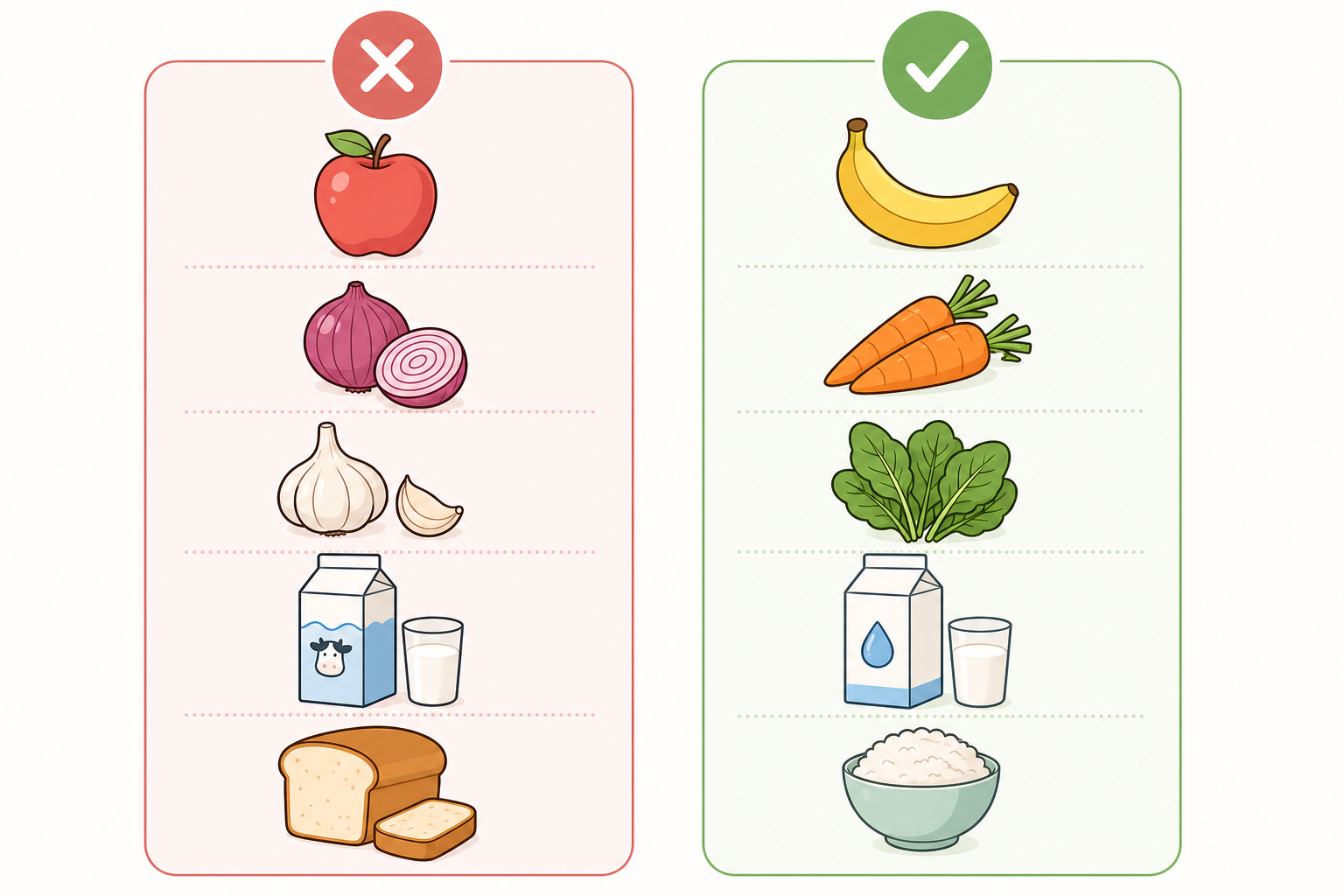
Understanding which foods contain high levels of FODMAPs is essential for success during the elimination phase. Below is a practical guide organized by food category.
Note that small amounts of wheat may be tolerated by some people. The focus is on reducing overall FODMAP load rather than complete elimination of all wheat products.
The good news is that many delicious, nutritious foods are naturally low in FODMAPs. Focus on building your meals around these safe options during the elimination phase.
Starting any new diet comes with challenges. Here are the most common pitfalls people encounter with the Low FODMAP diet and how to avoid them.
Staying in the elimination phase too long: The elimination phase is temporary. Staying on strict Low FODMAP for months can unnecessarily restrict your diet and potentially affect your gut microbiome. Most people should begin reintroduction after 2-6 weeks.
Skipping the reintroduction phase: Some people feel so much better during elimination that they never reintroduce foods. This means you never learn which specific FODMAPs trigger your symptoms, leaving you on an overly restricted diet indefinitely.
Relying on processed gluten-free products: Many gluten-free packaged foods replace wheat with high FODMAP ingredients or contain onion and garlic powder. Always read labels carefully.
Not reading labels for hidden ingredients: Onion powder and garlic powder appear in countless processed foods, sauces, and seasonings. These concentrated forms are particularly high in FODMAPs and can trigger symptoms even in small amounts.
Eating large portions: Even low FODMAP foods can cause symptoms if eaten in very large quantities, as FODMAPs have a cumulative effect. Pay attention to portion sizes, especially during the elimination phase.

Here is a practical example of what a day of Low FODMAP eating might look like. Remember that individual needs vary, and portion sizes matter.
Following the Low FODMAP diet does not mean you have to avoid restaurants or social gatherings. With some planning and clear communication, you can navigate these situations successfully.
Research restaurants ahead of time: Many restaurants now offer gluten-free options, which can make finding Low FODMAP choices easier. Look at menus online before you go.
Ask for modifications: Request that your dish be prepared without onion and garlic. Most restaurants can accommodate this simple request. Ask for olive oil instead of sauces you are unsure about.
Choose simple preparations: Grilled meats, plain rice, and steamed vegetables are often safe bets. Avoid dishes with heavy sauces, marinades, or breading.
Bring a dish to gatherings: When attending potlucks or family events, bring a Low FODMAP dish you can enjoy and share. This ensures you have something safe to eat.
Communicate your needs: Let friends and family know about your dietary restrictions. Most people are understanding and willing to help accommodate your needs.
Plan for travel: Pack Low FODMAP snacks for trips, research grocery stores at your destination, and consider booking accommodations with a kitchenette so you can prepare some of your own meals.
While the Low FODMAP diet can be incredibly effective, it is also complex and nuanced. Working with a registered dietitian who specializes in digestive health can make the difference between frustration and success.
Consider professional support if:
A qualified dietitian can help you design an appropriate meal plan, ensure you are meeting your nutritional needs, guide you through the reintroduction process, and help you interpret your body's responses accurately.
Platforms like Nutrista can connect you with registered dietitians who specialize in digestive health and IBS management. Unlike generic calorie-tracking apps that only offer automated advice, Nutrista provides access to real, qualified professionals who understand the complexities of the Low FODMAP diet and can offer personalized guidance.
Living with IBS can feel overwhelming, but the Low FODMAP diet offers a scientifically proven path to understanding your triggers and reducing your symptoms. Remember that this diet is a tool for self-discovery, not a permanent sentence of restriction.
Most people who complete all three phases of the diet successfully find they can return to eating a wide variety of foods while managing their symptoms effectively. You may discover that only one or two FODMAP groups trigger your symptoms, giving you the freedom to enjoy most foods again.
Be patient with yourself during this process. Identifying your trigger foods takes time, and there may be setbacks along the way. That is completely normal and part of the journey toward better digestive health.
If you are ready to start the Low FODMAP diet, consider reaching out to a registered dietitian who can guide you through the process. Nutrista empowers real, local, registered dietitians with artificial intelligence so they can help clients with the most modern technologies available. As the first platform that connects users with a large community of international, registered, vetted dietitians supported by AI, Nutrista offers the human expertise and personalized support that generic apps simply cannot provide.
Always consult with your healthcare provider or a registered dietitian before making significant changes to your diet, especially if you have other health conditions or are taking medications. Your doctor can help ensure the Low FODMAP diet is appropriate for you and rule out other conditions that may require different treatment approaches.

Stop wasting your Sundays! 😱 Discover why your meal prep keeps failing and how Nutrista AI is fixing the broken $700 billion grocery industry for good. 🥗🔥

Stop drowning in 'Excel Hell' while your clients panic over Christmas leftovers. Discover how Nutrista AI saves your sanity and scales your practice while you actually relax. 🎄🔥

Is your January client rush a total disaster? Stop drowning in sticky notes and messy Excel sheets. See how Nutrista AI saves your sanity and scales your business in 2026. 🚀
Professional nutritionists ready to help you