The Batch Cooking Burnout: Why 94% of Meal Preppers Fail by Jan 22nd 😱
Stop wasting your Sundays! 😱 Discover why your meal prep keeps failing and how Nutrista AI is fixing the broken $700 billion grocery industry for good. 🥗🔥

Living with unpredictable digestive symptoms like bloating, gas, abdominal pain, or erratic bowel habits can feel exhausting. You might be wondering if there is a science-backed eating plan that can actually help you identify what triggers your discomfort. For many people with irritable bowel syndrome (IBS) and other functional gut disorders, the Low FODMAP diet offers a structured and hopeful path forward. Developed by researchers at Monash University, this approach is not a lifelong restriction but a temporary investigative tool to pinpoint the specific carbohydrates that upset your digestive system.
In simple terms, FODMAP stands for Fermentable Oligosaccharides, Disaccharides, Monosaccharides, and Polyols. These are short-chain carbohydrates that some people struggle to digest and absorb. When they reach the large intestine, gut bacteria rapidly ferment them, producing gas and drawing in water. This can stretch the intestinal wall and trigger pain, bloating, and changes in bowel movements. By systematically reducing and then reintroducing these foods, you can uncover your personal tolerance thresholds and build a diet that works for your body.
If you have been diagnosed with IBS, you are likely the primary candidate. Research shows that roughly 3 out of 4 people with IBS experience significant symptom improvement when following the protocol correctly. It may also be helpful for those with small intestinal bacterial overgrowth (SIBO) or other functional bowel disorders, though you should always check with your healthcare team first.

It is important to understand that this diet is not meant for everyone. Do not self-diagnose or begin a restrictive eating plan without professional support. If you are managing an active eating disorder, or if you are pregnant or have other complex medical conditions, the Low FODMAP diet should only be attempted under close supervision. Ideally, a registered dietitian can guide you through each phase to ensure nutritional adequacy and to help you interpret your body’s responses accurately.
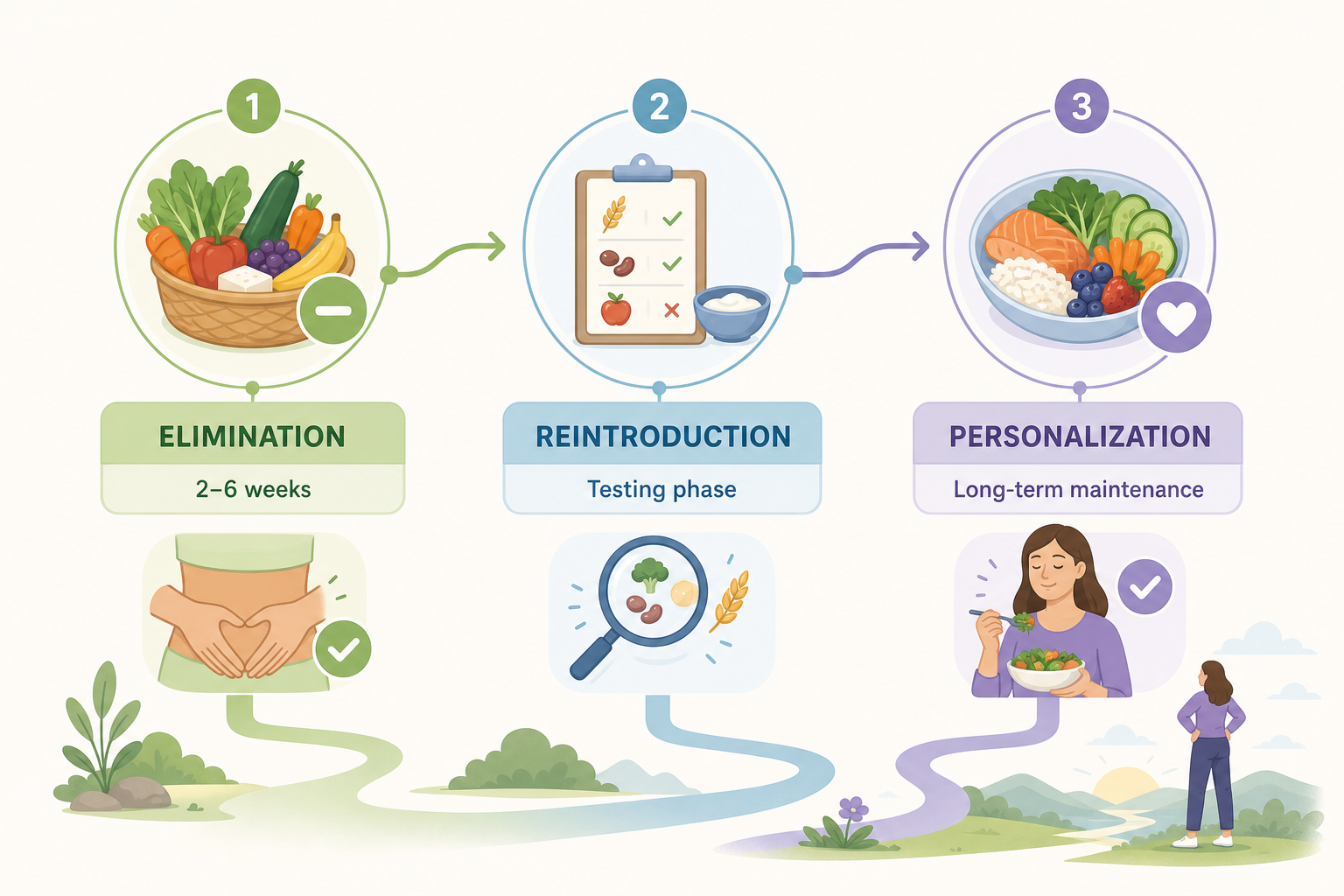
Many people mistakenly believe the Low FODMAP diet is simply about avoiding a long list of foods forever. In reality, it is a dynamic process with three distinct stages. Skipping phases or staying in one phase too long can undermine your success.

During this initial phase, you remove all high FODMAP foods and eat only foods that are low in these fermentable carbohydrates. The goal is to calm your digestive system and reduce symptoms to a manageable level. This phase typically lasts between 2 and 6 weeks—you should not stay in elimination indefinitely, as it restricts many nutrient-rich foods and can negatively affect the gut microbiome.
Once your symptoms have settled, you begin the reintroduction challenges. Here, you systematically test one FODMAP subgroup at a time in controlled amounts while continuing the low FODMAP background diet. For example, you might try small portions of foods rich in fructans (like wheat or onion) over a few days, then return to the safe baseline and observe any reactions. This step is critical for identifying your unique triggers and tolerance levels. Never skip the reintroduction phase, because it is the key to long-term variety and freedom.
After you have gathered data from the challenges, you and your dietitian can build a tailored, sustainable eating pattern. You will expand your diet as much as possible, including well-tolerated high FODMAP foods at comfortable doses. The end result is a flexible way of eating that minimizes symptoms while letting you enjoy a wide range of foods without unnecessary fear.

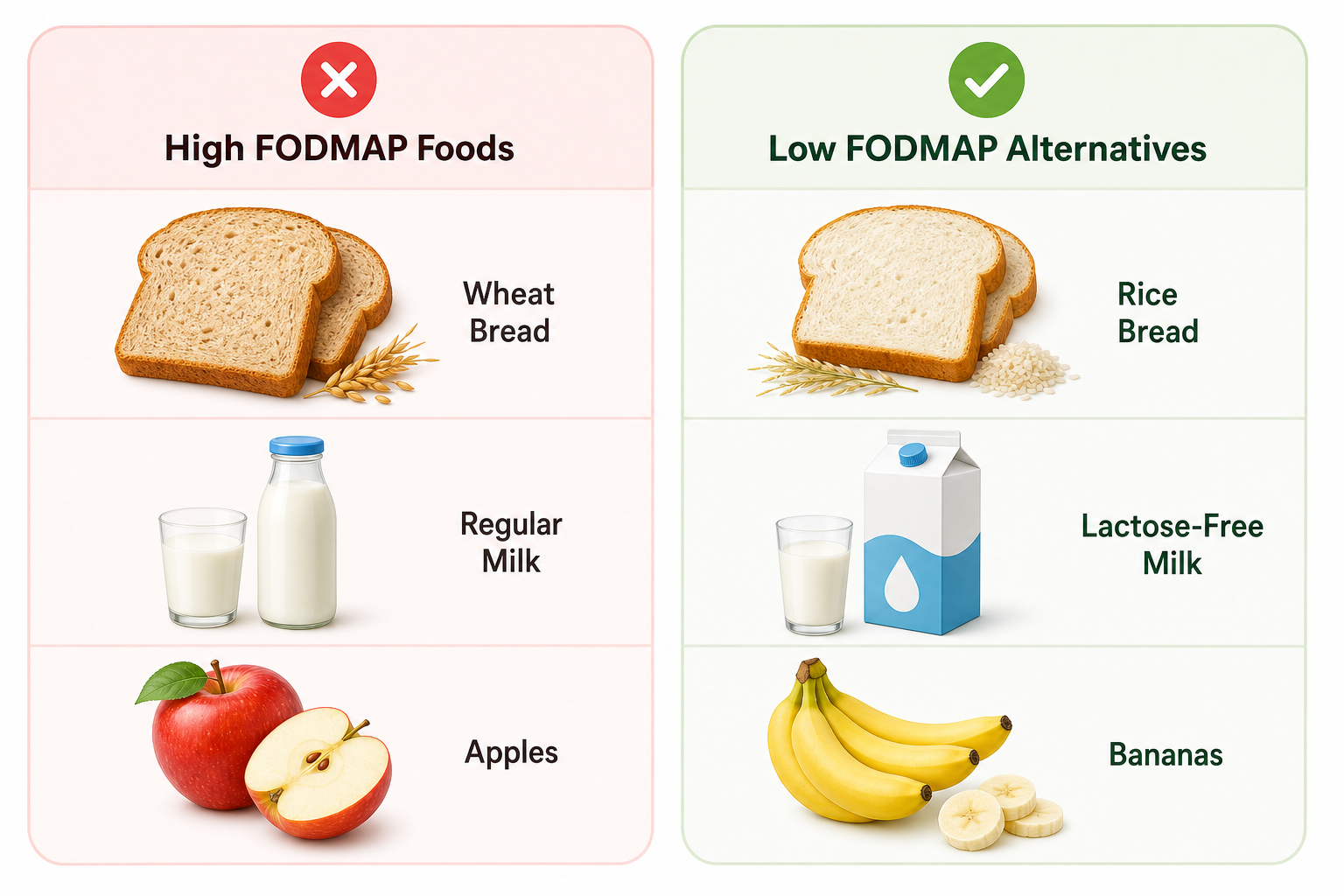
When you are just starting out, it helps to have a clear picture of the foods that are most likely to cause trouble. Remember, this is a temporary avoidance, not a permanent ban. The following foods are high in FODMAPs and should be strictly limited during Phase 1:
Reading labels becomes essential. Onion and garlic hide in many sauces, seasonings, and ready-made foods under names like "natural flavors" or "spices." When in doubt, choose simple, whole ingredients during the elimination phase.
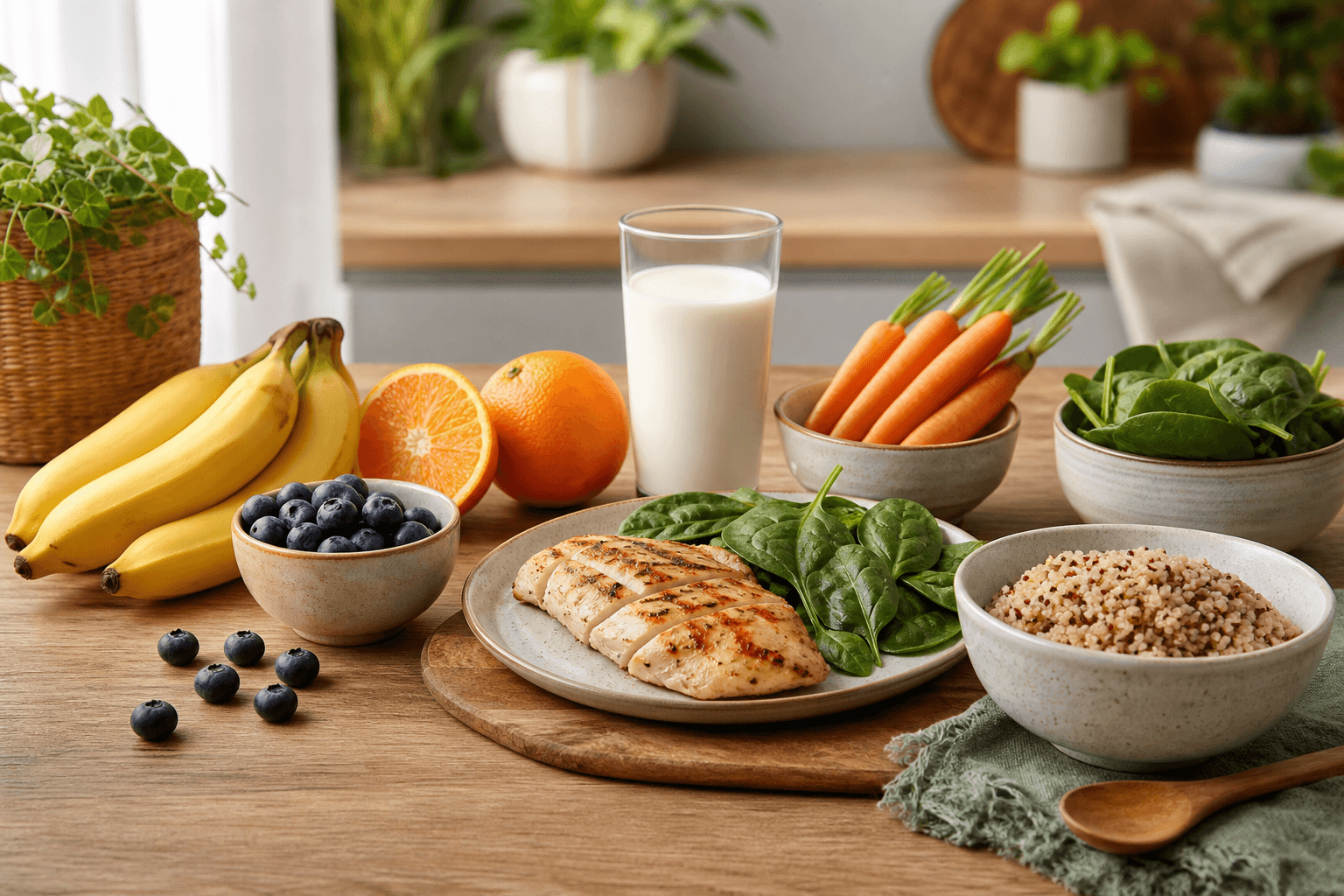
Now for the encouraging part: there is still a wonderful variety of nourishing foods you can eat. Building meals around these options will keep your plate colorful and satisfying.
With these ingredients, you can create meals that are both gentle on your stomach and full of flavor. Herbs like chives, basil, and ginger can replace onion and garlic for seasoning.
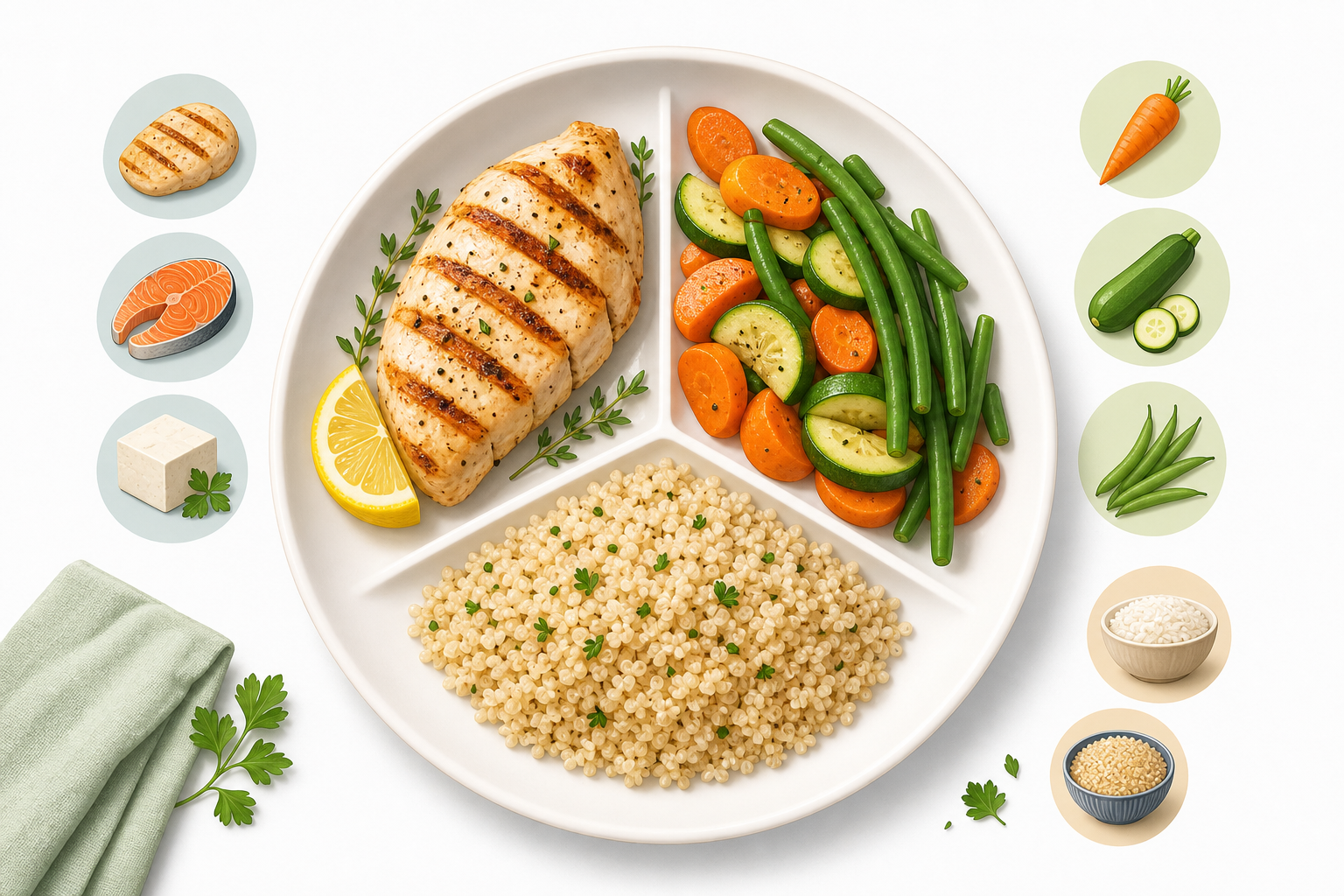
If you are wondering "what can I eat on a low FODMAP diet?" here are three straightforward ideas to inspire you.
Breakfast: A bowl of gluten-free rolled oats made with lactose-free milk, topped with a handful of blueberries and a sprinkle of chia seeds. Serve with a hard-boiled egg on the side for staying power.
Lunch: A quinoa and grilled chicken salad with chopped carrots, cucumber, and spinach, dressed with a lemon-infused olive oil and a pinch of fresh chives.
Dinner: Baked salmon with a side of roasted potatoes and steamed green beans, finished with a drizzle of garlic-infused oil (the oil captures the flavor without the fructans).

Even with the best intentions, it is easy to stumble. Here are the most frequent pitfalls and how to sidestep them:
Making the Low FODMAP diet work in real life requires a few strategies. Meal planning is your best friend—set aside time each week to map out your meals and snacks so you are never caught without a safe option. When grocery shopping, read every label, even on foods you have bought before. Manufacturers change recipes, and hidden FODMAPs can sneak in.
Dining out can feel intimidating, but you can still enjoy meals away from home. Call the restaurant ahead of time to ask about cooking methods and ingredients. Look for simply prepared proteins, steamed vegetables, and gluten-free grains. Keep a food and symptom diary throughout the process, whether on paper or an app like the Monash University FODMAP Diet app, which provides accurate, up-to-date serving size guidance.
If you feel overwhelmed or anxious about the diet, or if your symptoms do not improve during elimination, it is time to bring in a professional. A registered dietitian who specializes in digestive health can be your compass. They will ensure the diet is nutritionally complete, coach you through reintroduction, and help you interpret your body’s signals without bias.
Nutrista can connect you with qualified dietitians who are experts in the Low FODMAP approach. These dietitians are supported by Nutrista AI, an intelligent assistant that helps them streamline data and stay current with the latest research, so you receive cutting-edge, personalized care. Unlike generic calorie-tracking apps that offer one-size-fits-all AI-generated advice, Nutrista is the first platform that pairs you with a real, vetted, international community of registered dietitians enhanced by AI. This means your plan is built on human empathy and clinical judgment—exactly what a condition as individual as IBS requires.
Starting the Low FODMAP diet can feel like a big step, but it is also a profound act of self-care. Many people find that their symptoms reduce dramatically, and they gain a new sense of control over their well-being. Your goal is not to eat perfectly or to follow a list of rules forever. It is to learn what your body needs so you can enjoy food without pain or worry.
Please remember that this information is for educational purposes only and does not replace individual medical advice. Always consult a doctor or dietitian before making major dietary changes, especially if you have a diagnosed condition or unexplained symptoms. With the right support, you can move through each phase with confidence and create a truly personalized way of eating that honors your health.

Stop wasting your Sundays! 😱 Discover why your meal prep keeps failing and how Nutrista AI is fixing the broken $700 billion grocery industry for good. 🥗🔥

91% of supplement sales vanish into thin air because of manual friction. Stop losing money and learn how Nutrista AI is revolutionizing the $10B nutrition industry forever. 😱🔥

Discover how dietitians can escape the limitations of local practice and work remotely for clients worldwide. Learn how Nutrista enables borderless nutrition consulting.
Professional nutritionists ready to help you