





insulin resistance

Insulin Resistance and Weight Loss: Why It's Hard and What to Eat

Nutrista Teamβ€’
Share
Insulin Resistance and Weight Loss: Why It's Hard and What to Eat

Introduction: You're Not Doing Anything Wrong

If you've been eating carefully, moving your body, and still watching the scale stay exactly where it is, you may feel frustrated, discouraged, or even defeated. Please know this: you are not failing, and you are not alone.

For many women, especially those with light to moderate activity levels, unexplained weight loss resistance often has a biological root cause. One of the most common culprits is insulin resistance, a metabolic condition that changes how your body processes and stores energy.

Understanding what's happening inside your body is the first step toward finding solutions that actually work. Let's explore the science together, in plain terms, and discuss practical nutrition strategies that can help.

Real Dietitians, Real Results

Download on the App StoreGet it on Google Play

What Is Insulin Resistance and How Does It Develop?

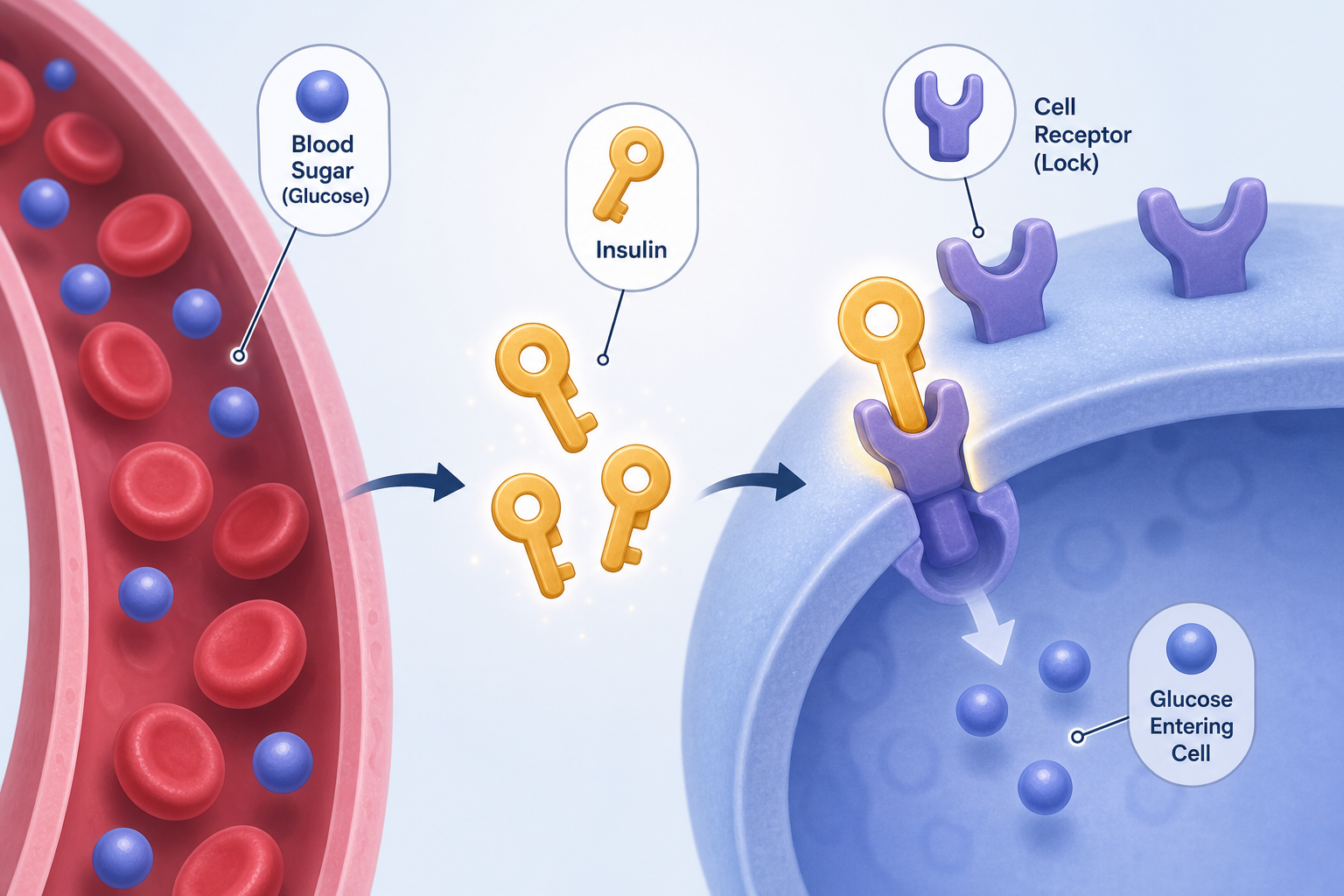
To understand insulin resistance, we first need to talk about insulin itself. Insulin is a hormone produced by your pancreas, and its job is to help move sugar (glucose) from your bloodstream into your cells, where it's used for energy.

Think of insulin as a key that unlocks the doors to your cells. When you eat carbohydrates, your body breaks them down into glucose, which enters your bloodstream. Insulin travels with that glucose, unlocks your cells, and lets the glucose inside.

Simple illustration showing insulin acting like a key unlocking cell receptors to let glucose in, with a lock-and-key visual metaphor

Real Dietitians, Real Results

Download on the App StoreGet it on Google Play

When you develop insulin resistance, your cells stop responding properly to insulin's "knock at the door." The key doesn't work as well as it used to. Your pancreas tries to compensate by producing more insulin, but over time, this system becomes overwhelmed.

How Insulin Resistance Develops

Insulin resistance typically develops gradually. Several factors contribute to its onset:

  • Excess body weight, particularly around the midsection (visceral fat releases inflammatory compounds that interfere with insulin signaling)
  • Chronic stress (elevated cortisol raises blood sugar and increases insulin demands)
  • Sedentary lifestyle (muscles that aren't regularly activated become less responsive to insulin)
  • Genetics and family history (some people are predisposed to insulin resistance)
  • Poor sleep quality (disrupts hormones that regulate blood sugar and appetite)
  • A diet high in refined carbohydrates and added sugars (keeps insulin levels chronically elevated)

This condition doesn't appear overnight, which also means it can be improved over time with the right approach.

Real Dietitians, Real Results

Download on the App StoreGet it on Google Play

Why Insulin Resistance Makes Weight Loss So Difficult

This is where things feel particularly unfair. Insulin resistance creates a biological environment that favors fat storage and makes fat burning significantly harder.

When your cells are resistant to insulin, glucose remains in your bloodstream rather than entering your cells efficiently. Your pancreas responds by pumping out even more insulin. Unfortunately, insulin is also a fat-storage hormone. When insulin levels are chronically high:

  • Your body remains in "storage mode" rather than "burn mode"
  • Fat cells are signaled to hold onto stored fat
  • Your liver converts excess glucose into fat (triglycerides)
  • You may feel tired because glucose isn't efficiently reaching your cells for energy
  • Hunger and cravings often increase, especially for carbohydrates

This is why many people with insulin resistance feel like they're eating very little but still cannot lose weight. The hormonal environment is working against their efforts.

Real Dietitians, Real Results

Download on the App StoreGet it on Google Play

If you've ever searched "why can't I lose weight with insulin resistance," this is your answer. It's not about willpower. It's about biology.

Common Signs and Symptoms of Insulin Resistance

Insulin resistance often develops silently, but there are warning signs you can watch for:

  • Difficulty losing weight despite consistent efforts with diet and exercise
  • Increased hunger and cravings, especially for sweets and starchy foods
  • Fatigue, particularly after meals or mid-afternoon
  • Brain fog or difficulty concentrating
  • Skin changes such as dark, velvety patches (acanthosis nigricans), often around the neck, armpits, or groin
  • Skin tags (small, soft growths on the skin)
  • Increased thirst and frequent urination
  • Weight carried primarily around the abdomen (apple-shaped body type)
  • Irregular menstrual cycles

If several of these symptoms sound familiar, it's worth discussing with a healthcare provider who can order appropriate blood tests.

Real Dietitians, Real Results

Download on the App StoreGet it on Google Play

The Connection Between Insulin Resistance, PCOS, and Prediabetes

Insulin resistance is a central feature of several metabolic conditions that affect women.

PCOS (Polycystic Ovary Syndrome)

Up to 70% of women with PCOS have insulin resistance. The relationship works both ways: insulin resistance can worsen PCOS symptoms, and the hormonal imbalances of PCOS can contribute to insulin resistance. High insulin levels also stimulate the ovaries to produce excess androgens (male hormones), which can lead to irregular periods, acne, and unwanted hair growth.

Prediabetes

Prediabetes means your blood sugar levels are higher than normal but not yet in the diabetic range. Insulin resistance is the underlying cause of prediabetes. Without intervention, prediabetes often progresses to type 2 diabetes. However, research consistently shows that lifestyle changes can significantly reduce this risk.

Real Dietitians, Real Results

Download on the App StoreGet it on Google Play

Understanding these connections helps explain why a one-size-fits-all approach to weight loss often fails. Addressing insulin resistance directly is essential for these conditions.

Foods That Help Improve Insulin Sensitivity

The good news is that nutrition plays a powerful role in improving how your cells respond to insulin. When searching for the "best diet for insulin resistance," focus on these evidence-based food groups:

High-Fiber Vegetables

Non-starchy vegetables should form the foundation of your meals. Their fiber content slows glucose absorption and feeds beneficial gut bacteria. Aim for:

Real Dietitians, Real Results

Download on the App StoreGet it on Google Play
  • Leafy greens (spinach, kale, Swiss chard, romaine)
  • Cruciferous vegetables (broccoli, cauliflower, Brussels sprouts, cabbage)
  • Bell peppers, zucchini, cucumbers, and tomatoes
  • Asparagus, green beans, and celery

Lean Proteins

Protein helps stabilize blood sugar and supports healthy muscle mass. Muscles that are well-nourished and regularly used become more sensitive to insulin. Choose:

  • Chicken breast and turkey
  • Fish (salmon, tuna, mackerel, cod)
  • Eggs
  • Greek yogurt and cottage cheese
  • Legumes (lentils, chickpeas, black beans)
  • Tofu and tempeh

Healthy Fats

Dietary fat slows digestion and helps you feel satisfied. Focus on anti-inflammatory sources:

  • Avocados
  • Olive oil
  • Nuts (almonds, walnuts, pistachios)
  • Seeds (chia, flax, pumpkin)
  • Fatty fish

Whole Grains in Moderation

While refined grains spike blood sugar, whole grains contain fiber that moderates their glucose impact. Choose smaller portions of:

Real Dietitians, Real Results

Download on the App StoreGet it on Google Play
  • Quinoa
  • Brown rice
  • Steel-cut oats
  • Barley
  • Farro

Foods That Worsen Insulin Resistance

Knowing what to limit is just as important as knowing what to include. These foods can keep insulin levels elevated:

  • Refined carbohydrates (white bread, white pasta, white rice, pastries)
  • Added sugars (sugary beverages, candy, desserts, many breakfast cereals)
  • Processed snack foods (crackers, chips, cookies)
  • Sugar-sweetened beverages (sodas, sweetened teas, energy drinks, fancy coffee drinks)
  • Fried foods and trans fats
  • Highly processed meats (hot dogs, some deli meats)

This doesn't mean you can never enjoy these foods. But making them occasional rather than regular choices can significantly improve how you feel and how your body responds to insulin.

Meal Timing Strategies for Better Blood Sugar Control

Beyond what you eat, when and how you eat matters for insulin sensitivity.

Real Dietitians, Real Results

Download on the App StoreGet it on Google Play

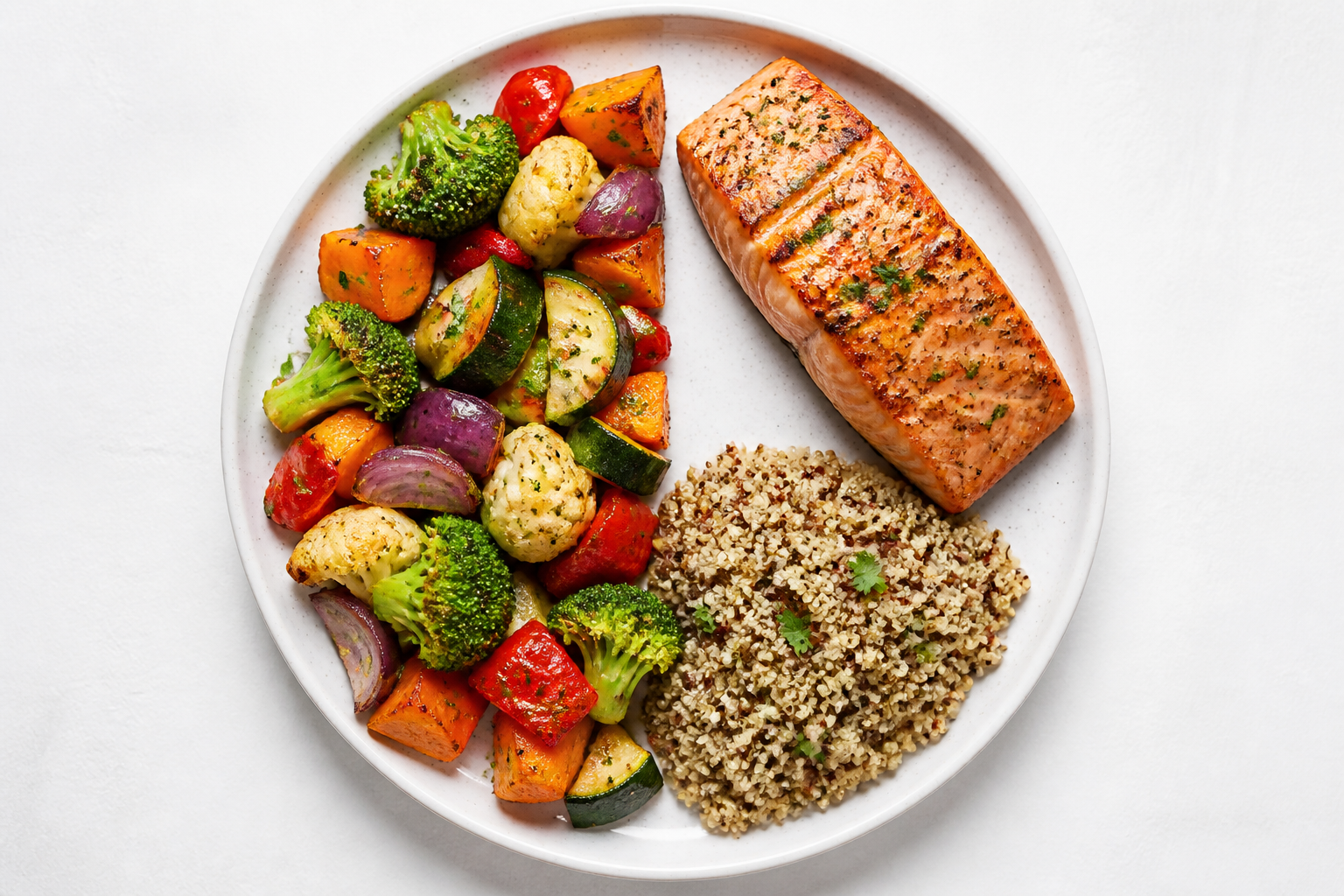
Build Balanced Plates

At each meal, aim for:

  • Half your plate: non-starchy vegetables
  • One quarter: lean protein
  • One quarter: whole grains or starchy vegetables
  • A thumb-sized portion of healthy fat

Overhead view of a balanced meal plate with grilled salmon, quinoa, and colorful roasted vegetables including broccoli, bell peppers, and carrots

Space Your Meals

Eating every 3-4 hours can help maintain stable blood sugar. This prevents the large spikes and crashes that stress your insulin system. However, the ideal timing varies by individual. Some people feel best with three meals; others prefer three smaller meals with snacks.

Avoid Prolonged Fasting Without Guidance

Intermittent fasting has received attention for improving insulin sensitivity, but extended fasting can actually increase blood sugar in some people with insulin resistance due to stress hormone responses. If you're interested in fasting, work with a registered dietitian or healthcare provider to determine if it's appropriate for you.

Real Dietitians, Real Results

Download on the App StoreGet it on Google Play

Sample Day of Eating for Insulin Resistance

Here's a practical example of how these principles come together:

Breakfast: Greek yogurt with berries, a tablespoon of chia seeds, and a small handful of walnuts

Lunch: Grilled chicken salad with mixed greens, cucumbers, cherry tomatoes, olive oil and lemon dressing, and a quarter avocado

Real Dietitians, Real Results

Download on the App StoreGet it on Google Play

Afternoon snack: Apple slices with almond butter, or vegetable sticks with hummus

Dinner: Baked salmon with roasted broccoli and bell peppers, served with a small portion of quinoa

Evening (optional): A small serving of berries or a piece of dark chocolate

Real Dietitians, Real Results

Download on the App StoreGet it on Google Play

This type of eating pattern provides steady energy, adequate protein, plenty of fiber, and satisfying flavors while supporting healthier insulin function.

Lifestyle Factors Beyond Diet

Nutrition is powerful, but it's not the whole picture. These lifestyle factors also significantly impact insulin sensitivity:

Movement

Physical activity is one of the most effective ways to improve insulin sensitivity. When you move your muscles, they take up glucose from your bloodstream without needing as much insulin. You don't need intense workouts. A 10-15 minute walk after meals can meaningfully lower blood sugar spikes.

Real Dietitians, Real Results

Download on the App StoreGet it on Google Play

Sleep

Chronic sleep deprivation reduces insulin sensitivity by up to 30%. Aim for 7-9 hours of quality sleep. Create a consistent bedtime routine, limit screens before bed, and keep your bedroom cool and dark.

Stress Management

Chronic stress keeps cortisol elevated, which raises blood sugar and increases insulin demands. Find stress-reduction practices that work for you: deep breathing, gentle yoga, meditation, time in nature, or creative activities.

When to See a Healthcare Provider or Dietitian

If you suspect insulin resistance, please consult a healthcare provider. Blood tests can confirm the diagnosis and rule out other conditions. Common tests include:

Real Dietitians, Real Results

Download on the App StoreGet it on Google Play
  • Fasting glucose and fasting insulin
  • Hemoglobin A1C
  • Oral glucose tolerance test
  • Lipid panel

A registered dietitian can help you create a personalized nutrition plan that fits your life, preferences, and health goals. Generic advice only goes so far. Your body, history, and circumstances are unique, and working with a professional can make a meaningful difference.

Taking the Next Step

Learning about insulin resistance may feel overwhelming, but knowledge is power. Small, consistent changes to your nutrition and lifestyle can significantly improve how your body responds to insulin over time.

You don't have to figure this out alone. Nutrista connects people with qualified, registered dietitians who provide personalized guidance tailored to your specific needs. Unlike generic calorie-tracking apps that offer only AI-generated advice, Nutrista empowers real, local, registered dietitians with artificial intelligence so they can help clients with the most modern technologies. This combination of human expertise and innovative tools means you get support that's both evidence-based and genuinely personal.

Real Dietitians, Real Results

Download on the App StoreGet it on Google Play

If you're struggling with weight loss despite your best efforts, consider reaching out to a healthcare provider and a registered dietitian through Nutrista. You deserve support that understands both the science and the very real human experience of navigating metabolic health.

This article is for informational purposes only and does not constitute medical advice. Always consult with a qualified healthcare provider or registered dietitian for personalized guidance.

Real Dietitians, Real Results

Download on the App StoreGet it on Google Play
#insulin resistance#weight loss#blood sugar

Others Viewed