


lower cholesterol naturally

How to Lower Cholesterol Naturally Through Diet: A Complete Guide

Nutrista Team
Share
How to Lower Cholesterol Naturally Through Diet: A Complete Guide

How to Lower Cholesterol Naturally Through Diet: A Complete Guide

If you have recently been told your cholesterol levels are higher than they should be, you are not alone. Millions of people receive this news every year, and the initial reaction is often a mix of concern and uncertainty about what to do next. The good news is that what you eat can make a meaningful difference in your cholesterol numbers and your overall heart health.

This guide will walk you through the science of cholesterol, the foods that can help lower it naturally, and practical strategies you can start using today. Whether you are managing high cholesterol on its own or alongside other conditions like high blood pressure or diabetes, you will find clear, actionable guidance here.

Understanding Cholesterol Basics: LDL vs HDL

Before diving into dietary changes, it helps to understand what cholesterol is and why the different types matter. Cholesterol is a waxy, fat-like substance that your body actually needs to build cells and produce certain hormones. Your liver makes all the cholesterol your body requires, but you also get cholesterol from animal-based foods.

Real Dietitians, Real Results

Download on the App StoreGet it on Google Play

The two main types of cholesterol behave very differently in your body:

LDL (low-density lipoprotein) is often called "bad" cholesterol because it can build up in your artery walls, forming plaque that narrows and hardens your arteries. This process, called atherosclerosis, increases your risk of heart attack and stroke.

HDL (high-density lipoprotein) is considered "good" cholesterol because it acts like a cleanup crew, picking up excess cholesterol from your bloodstream and carrying it back to your liver for removal.

Real Dietitians, Real Results

Download on the App StoreGet it on Google Play

What Do Your Cholesterol Numbers Mean?

When you get a lipid panel blood test, you will see several numbers. Here is what healthcare providers typically look for:

  • Total cholesterol: Below 200 mg/dL is considered desirable
  • LDL cholesterol: Below 100 mg/dL is optimal for most people; under 70 mg/dL if you have existing heart disease or diabetes
  • HDL cholesterol: Above 60 mg/dL is protective; below 40 mg/dL for women (or 50 mg/dL for men) is considered a risk factor
  • Triglycerides: Below 150 mg/dL is normal; elevated levels are linked to increased heart disease risk

Your diet directly influences these numbers. What you choose to eat each day can lower your LDL by 5 to 15 percent or more, and the right foods can also help raise protective HDL levels.

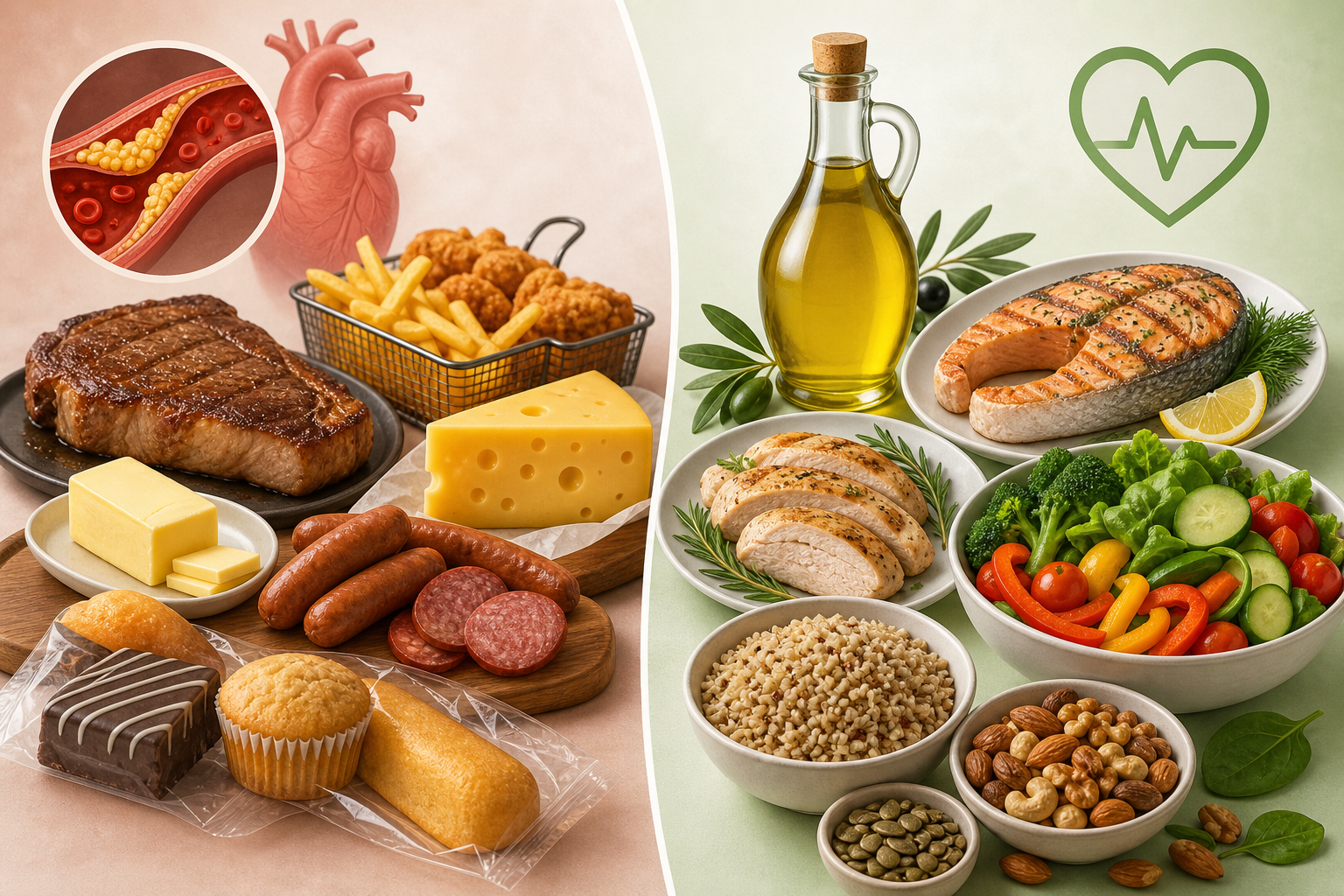
Comparison of foods that raise versus lower cholesterol

Real Dietitians, Real Results

Download on the App StoreGet it on Google Play

Foods That Help Lower Cholesterol Naturally

Research consistently shows that certain foods have cholesterol-lowering properties. Adding these to your regular eating pattern can help move your numbers in the right direction.

Soluble Fiber: Your Heart's Best Friend

Soluble fiber is particularly powerful for cholesterol management. It dissolves in water to form a gel-like substance in your digestive tract, where it binds to cholesterol and prevents your body from absorbing it. Studies show that getting 5 to 10 grams of soluble fiber daily can lower LDL cholesterol by 5 to 11 percent.

Excellent sources of soluble fiber include:

Real Dietitians, Real Results

Download on the App StoreGet it on Google Play
  • Oats and oatmeal: Start your day with a bowl of steel-cut or rolled oats
  • Beans and lentils: Add a half-cup to soups, salads, or as a main dish
  • Apples and pears: Eat with the skin on for maximum fiber
  • Citrus fruits: Oranges, grapefruits, and lemons all provide soluble fiber
  • Brussels sprouts and broccoli: Roast them for a delicious side dish
  • Carrots: Enjoy raw with hummus or roasted with herbs
  • Barley: Use as a base for grain bowls or add to soups

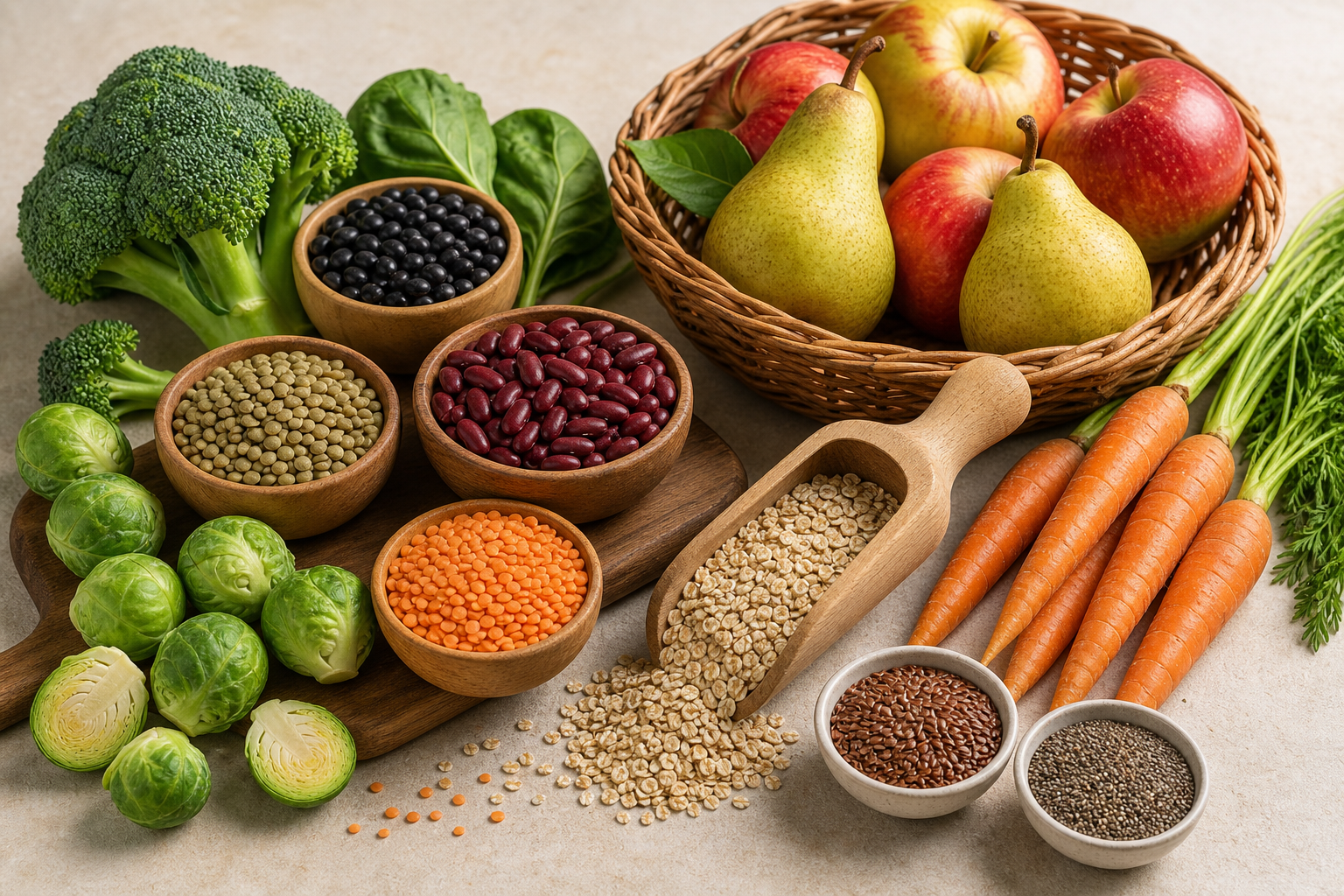
Fiber-rich foods that help lower cholesterol

Fatty Fish and Omega-3 Fatty Acids

Fatty fish are rich in omega-3 fatty acids, which do not directly lower LDL cholesterol but offer significant heart benefits. Omega-3s help reduce inflammation, lower triglycerides, and may modestly raise HDL cholesterol.

Aim to eat fatty fish at least twice per week. Good choices include:

Real Dietitians, Real Results

Download on the App StoreGet it on Google Play
  • Salmon (wild-caught when possible)
  • Mackerel
  • Sardines
  • Tuna (fresh or canned in water)
  • Herring
  • Trout

Nuts for Heart Health

Tree nuts contain heart-healthy monounsaturated and polyunsaturated fats, fiber, and plant compounds that support cardiovascular health. Research shows that eating a small handful of nuts daily can lower LDL cholesterol by about 5 percent.

Best choices include:

  • Walnuts (especially rich in omega-3s)
  • Almonds
  • Pistachios
  • Hazelnuts
  • Pecans

Stick to about one ounce (a small handful) per day, since nuts are calorie-dense. Choose unsalted, raw or dry-roasted varieties.

Real Dietitians, Real Results

Download on the App StoreGet it on Google Play

Olive Oil as Your Primary Cooking Fat

Extra virgin olive oil is a cornerstone of the Mediterranean diet, which has strong evidence for heart health benefits. Olive oil is rich in monounsaturated fats and contains antioxidants called polyphenols that may protect your blood vessels from damage.

Use olive oil for:

  • Sautéing vegetables
  • Making homemade salad dressings
  • Drizzling over finished dishes
  • Dipping whole grain bread

Plant Sterols and Stanols

These naturally occurring compounds are structurally similar to cholesterol and compete with it for absorption in your digestive tract. Getting 2 grams of plant sterols daily can lower LDL cholesterol by 5 to 15 percent.

Real Dietitians, Real Results

Download on the App StoreGet it on Google Play

You will find them in:

  • Fortified foods like certain margarines, orange juice, and yogurt drinks
  • Small amounts naturally present in vegetable oils, nuts, and legumes

Soy Protein Options

Soy foods contain protein and isoflavones that may help lower cholesterol. Research suggests that consuming 25 grams of soy protein daily can lower LDL by about 3 to 5 percent.

Include these options in your meals:

Real Dietitians, Real Results

Download on the App StoreGet it on Google Play
  • Tofu (firm or silken)
  • Edamame (fresh or frozen)
  • Soy milk (unsweetened)
  • Tempeh

Avocados and Monounsaturated Fats

Avocados are uniquely rich in heart-healthy monounsaturated fats and fiber. Studies have found that adding one avocado daily to a heart-healthy diet can lower LDL cholesterol more than a similar diet without avocados.

Foods to Limit or Avoid with High Cholesterol

Knowing what to eat is only half the equation. Equally important is understanding which foods can raise your cholesterol and should be limited.

Saturated Fats: The Primary Culprit

Saturated fat is the biggest dietary contributor to high LDL cholesterol. The American Heart Association recommends limiting saturated fat to less than 6 percent of your total daily calories (about 13 grams for someone eating 2,000 calories).

Real Dietitians, Real Results

Download on the App StoreGet it on Google Play

Foods high in saturated fat include:

  • Red meat (beef, pork, lamb)
  • Full-fat dairy products (whole milk, cheese, butter, cream)
  • Processed meats (sausages, bacon, hot dogs, deli meats)
  • Coconut oil and palm oil
  • Poultry with skin

Trans Fats: Avoid Completely

Trans fats are doubly harmful because they raise LDL cholesterol while also lowering HDL cholesterol. Although many countries have restricted or banned artificial trans fats, they may still appear in:

  • Some commercially baked goods (cookies, crackers, pastries)
  • Fried foods at restaurants
  • Any product listing "partially hydrogenated oil" on the ingredient label

Check ingredient lists carefully, even on products labeled "trans fat free."

Real Dietitians, Real Results

Download on the App StoreGet it on Google Play

Dietary Cholesterol: Moderation Over Elimination

For most people, dietary cholesterol has a smaller effect on blood cholesterol than saturated and trans fats. However, it is still wise to moderate your intake of high-cholesterol foods like:

  • Organ meats (liver, kidneys)
  • Shellfish (shrimp, lobster, crab)
  • Egg yolks

If you have diabetes or are particularly sensitive to dietary cholesterol, your healthcare provider may recommend stricter limits.

Refined Carbohydrates and Added Sugars

While carbohydrates do not contain cholesterol, excessive intake of refined carbs and added sugars can raise triglycerides and lower HDL cholesterol. Limit:

Real Dietitians, Real Results

Download on the App StoreGet it on Google Play
  • White bread, pasta, and rice
  • Sugary beverages (soda, sweetened coffee drinks)
  • Candy and sweets
  • Most processed snack foods

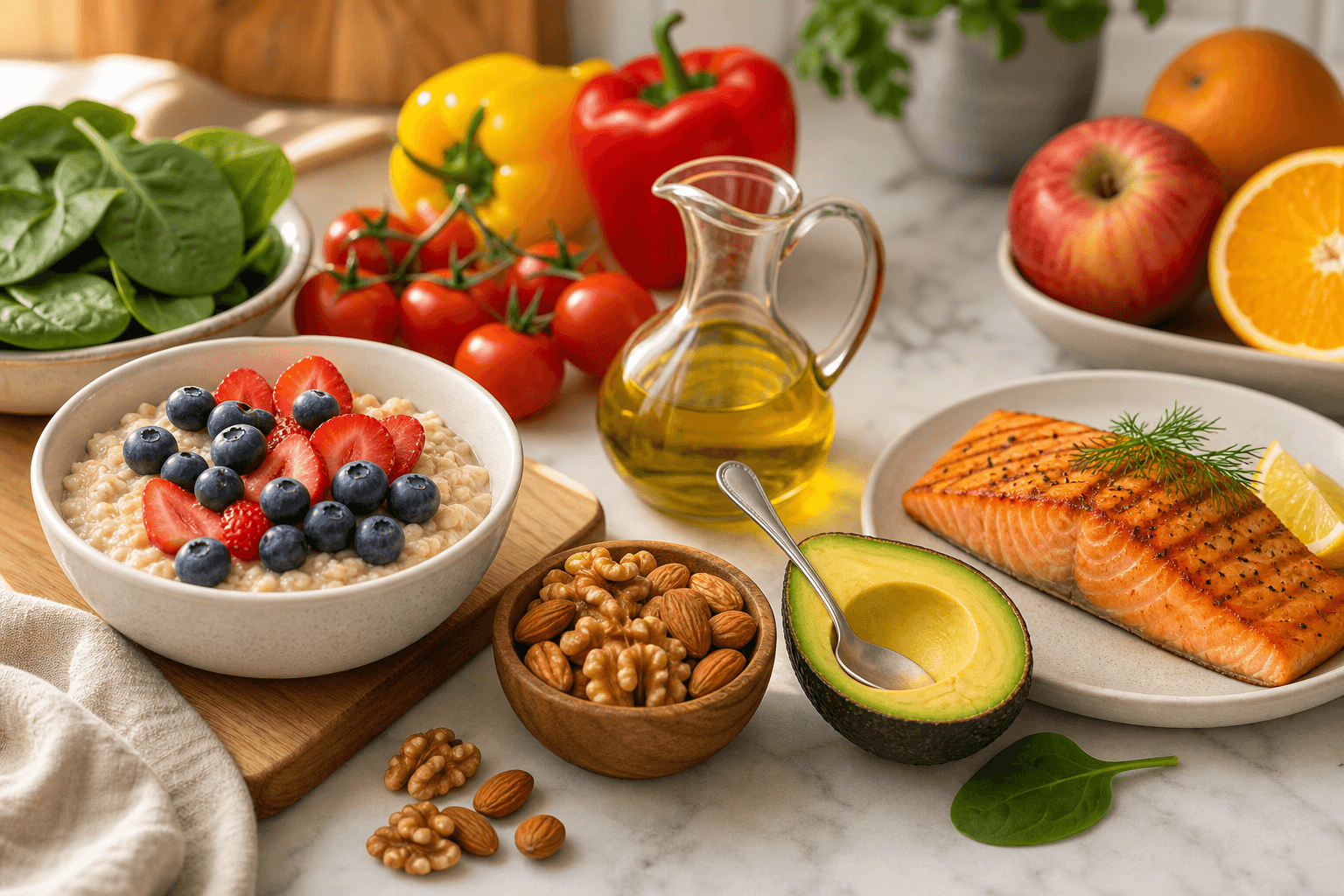
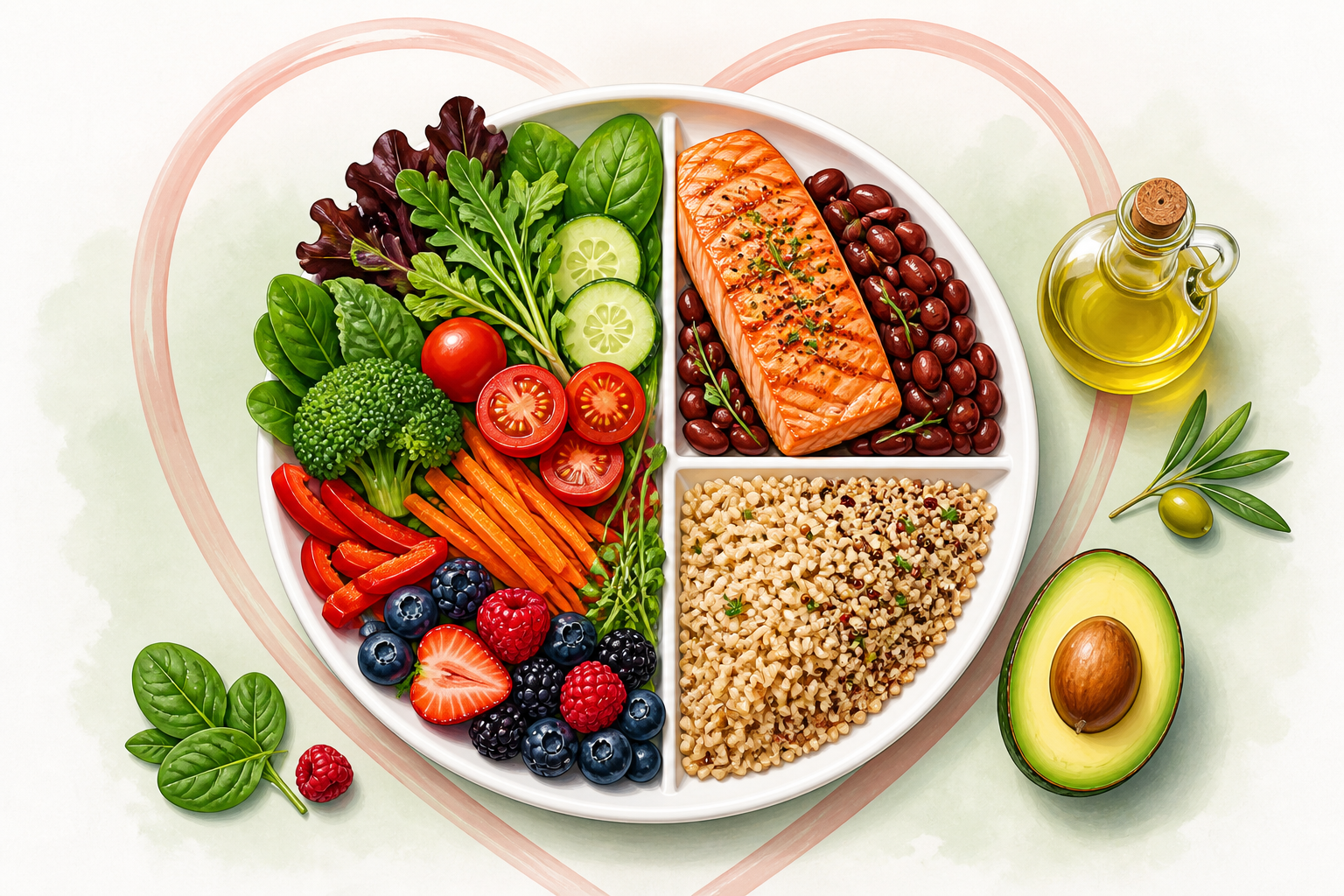
Heart-healthy balanced plate for lowering cholesterol

Heart-Healthy Meal Planning and Recipes

Putting this knowledge into practice does not have to be complicated. Here are practical meal ideas to get you started.

Breakfast Ideas to Lower Cholesterol

  • Overnight oats: Combine rolled oats with Greek yogurt, ground flaxseed, and berries. Let sit overnight in the refrigerator.
  • Avocado toast: Spread mashed avocado on whole grain bread and top with a sprinkle of seeds or a poached egg.
  • Greek yogurt parfait: Layer plain Greek yogurt with berries, a small handful of walnuts, and a drizzle of honey.
  • Veggie scramble: Use mostly egg whites with vegetables like spinach, tomatoes, and peppers.

Lunch Options for Heart Health

  • Salmon salad: Flake grilled salmon over mixed greens with vegetables and an olive oil-based dressing.
  • Lentil soup: Make a big batch with carrots, celery, onions, and spices. Freeze portions for busy days.
  • Quinoa bowl: Top cooked quinoa with roasted vegetables, chickpeas, and a tahini dressing.
  • Whole grain wrap: Fill with hummus, vegetables, and grilled chicken or tofu.

Dinner Recipes That Support Cholesterol Goals

  • Grilled fish with roasted vegetables: Season salmon or trout with herbs and serve with roasted Brussels sprouts and sweet potato.
  • Bean-based chili: Use kidney beans, black beans, and plenty of vegetables. Skip the sour cream and cheese toppings.
  • Tofu stir-fry: Sauté tofu with broccoli, bell peppers, snap peas, and ginger in a small amount of olive oil.
  • Mediterranean baked chicken: Bake chicken breast with tomatoes, olives, and herbs; serve over barley.

Heart-Healthy Snack Ideas

  • A small handful of unsalted nuts
  • Fresh apple slices with almond butter
  • Carrot and celery sticks with hummus
  • A small bowl of berries
  • Plain Greek yogurt with a sprinkle of ground flaxseed

Lifestyle Factors That Support Lower Cholesterol

Diet is powerful, but it works best alongside other heart-healthy habits.

Real Dietitians, Real Results

Download on the App StoreGet it on Google Play

Physical Activity for Heart Health

Regular exercise can raise HDL cholesterol by 5 percent and lower triglycerides. Aim for at least 150 minutes of moderate-intensity activity per week, such as brisk walking, swimming, or cycling. Even small amounts of movement throughout the day add up.

Weight Management and Cholesterol

Carrying extra weight, particularly around your midsection, is associated with higher LDL and triglycerides and lower HDL. Losing just 5 to 10 percent of your body weight can improve your cholesterol profile significantly.

Why Quitting Smoking Matters

Smoking damages your blood vessels and lowers HDL cholesterol. Within just 20 minutes of quitting, your heart rate and blood pressure begin to normalize. Within a year, your heart disease risk drops by half.

Real Dietitians, Real Results

Download on the App StoreGet it on Google Play

Stress Management and Heart Disease Risk

Chronic stress may contribute to higher cholesterol and blood pressure over time. Finding healthy ways to manage stress, whether through meditation, gentle yoga, deep breathing, or connecting with supportive people, supports your overall cardiovascular health.

Working with Healthcare Providers

While lifestyle changes are powerful, they are not always enough on their own.

When Diet and Exercise Are Not Enough

Some people have a genetic predisposition to high cholesterol that requires medication in addition to lifestyle changes. Others may have multiple risk factors that warrant earlier intervention. This does not mean your efforts are wasted, diet and exercise remain important even if you take medication.

Real Dietitians, Real Results

Download on the App StoreGet it on Google Play

How Statins Work Alongside Diet

Statins are medications that reduce cholesterol production in your liver. They can lower LDL cholesterol by 20 to 50 percent or more. If your doctor prescribes a statin, continue your heart-healthy diet. The combination works better than either approach alone.

Questions to Ask Your Doctor

  • What are my target cholesterol numbers?
  • How often should I have my cholesterol checked?
  • Should I see a cardiologist or registered dietitian?
  • Are there any foods I should avoid because of my medications?

The Value of Working with a Registered Dietitian

A registered dietitian can create a personalized eating plan that considers your food preferences, cooking ability, budget, and any other health conditions you are managing. They can also help you navigate conflicting nutrition information and stay motivated.

Common Questions About Diet and Cholesterol

How Long Does It Take to Lower Cholesterol Through Diet?

Most people see changes in their cholesterol levels within 4 to 6 weeks of making consistent dietary changes. More significant improvements may take 3 to 6 months. The key is consistency. Your cholesterol did not become elevated overnight, and lowering it requires sustained effort.

Real Dietitians, Real Results

Download on the App StoreGet it on Google Play

Can I Eat Eggs If I Have High Cholesterol?

Current research suggests that eggs can be part of a heart-healthy diet for most people. The saturated fat in eggs is relatively low, and eggs provide valuable nutrients. If you have diabetes or very high cholesterol, discuss egg consumption with your healthcare provider. Many experts recommend limiting egg yolks to 2 to 4 per week for those at higher risk.

Is Coconut Oil Healthy for People with High Cholesterol?

Coconut oil is high in saturated fat, which can raise LDL cholesterol. While some claim coconut oil has health benefits, major health organizations recommend limiting it. Olive oil remains a better choice for heart health.

Do I Need to Become Vegetarian to Lower My Cholesterol?

No. You can lower your cholesterol while still including animal foods. The key is choosing lean proteins, limiting red meat and processed meats, and emphasizing plant foods like vegetables, fruits, whole grains, and legumes. A Mediterranean-style eating pattern offers a flexible approach that includes fish, poultry, and small amounts of dairy.

Real Dietitians, Real Results

Download on the App StoreGet it on Google Play

Taking Your Next Steps

Learning that your cholesterol is high can feel overwhelming, but you have more control than you might think. The foods you choose to eat each day can meaningfully improve your cholesterol numbers and protect your heart health over time.

Start with small, sustainable changes rather than overhauling everything at once. Add a serving of oatmeal to your breakfast routine. Swap butter for olive oil. Include fish twice this week. These small steps add up to significant improvements.

If you would like personalized guidance, consider working with a registered dietitian who can create a tailored plan for your specific needs and preferences. Nutrista connects you with qualified, vetted dietitians who provide one-on-one support for managing cholesterol and other health conditions. Unlike generic calorie-tracking apps that only offer automated advice, Nutrista ensures you work with a real person who understands your unique situation.

Real Dietitians, Real Results

Download on the App StoreGet it on Google Play

Always consult your healthcare provider before making significant dietary changes, especially if you are taking cholesterol-lowering medications. Your doctor can help you understand how dietary changes may interact with your treatment plan and ensure you are making safe, appropriate choices for your individual health needs.

Your heart health journey is worth the effort. Every heart-healthy meal you eat is an investment in your future wellbeing.

Real Dietitians, Real Results

Download on the App StoreGet it on Google Play
#lower cholesterol naturally#cholesterol-lowering foods#heart-healthy diet

Others Viewed