GLP-1 medications

GLP-1 Medications and Diet: What to Eat on Ozempic, Wegovy, and Similar Treatments

Nutrista Team
Share
GLP-1 Medications and Diet: What to Eat on Ozempic, Wegovy, and Similar Treatments

GLP-1 Medications and Diet: What to Eat on Ozempic, Wegovy, and Similar Treatments

Starting a GLP-1 medication like Ozempic or Wegovy can feel like a turning point. Maybe you have tried countless diets, felt frustrated by slow progress, or worried about how your weight was affecting your health. Perhaps you feel hopeful that this could finally be the tool that helps you reach your goals.

Alongside that hope, you may also have questions. What should you eat? Will you feel sick? How do you make sure you are getting the nutrients your body needs when your appetite practically disappears?

These are valid concerns, and you are not alone in asking them. This guide will walk you through the nutrition essentials for GLP-1 medications, helping you feel confident and prepared as you navigate this new chapter.

Real Dietitians, Real Results

Download on the App StoreGet it on Google Play

What Are GLP-1 Medications and How They Work

GLP-1 receptor agonists are a class of medications that mimic a hormone your body naturally produces called glucagon-like peptide-1. This hormone plays several important roles in how your body manages blood sugar and appetite.

These medications work by:

  • Slowing down how quickly food leaves your stomach, helping you feel full longer
  • Signaling to your brain that you have had enough to eat
  • Helping your pancreas release insulin when blood sugar rises
  • Reducing the amount of sugar your liver produces

Common GLP-1 medications include semaglutide (Ozempic, Wegovy), tirzepatide (Mounjaro, Zepbound), and liraglutide (Saxenda, Victoza). While some are FDA-approved for type 2 diabetes and others for weight management, they all share similar mechanisms and nutritional considerations.

Real Dietitians, Real Results

Download on the App StoreGet it on Google Play

Why Nutrition Matters on GLP-1 Medications

It can be tempting to think of GLP-1 medications as a magic solution. After all, the appetite suppression can feel dramatic, and many people do lose weight relatively quickly.

But here is the truth: these medications are a tool, not a complete solution.

What you eat while on GLP-1 medications matters for several critical reasons:

Real Dietitians, Real Results

Download on the App StoreGet it on Google Play
  • Preserving muscle mass: When you lose weight rapidly, your body can break down muscle tissue along with fat. Adequate protein intake and some physical activity help protect your muscles.
  • Getting essential nutrients: Eating less means you have fewer opportunities to consume the vitamins and minerals your body needs. Every bite counts more.
  • Managing side effects: Many common side effects like nausea and constipation can be minimized or avoided through smart food choices.
  • Building sustainable habits: GLP-1 medications may not be forever. The eating patterns you establish now can help you maintain your results long-term.

Key Nutritional Priorities While on GLP-1 Medications

Protein: Your Most Important Nutrient

When your appetite is reduced, protein needs to be your top priority. Aim for 80 to 100 grams of protein daily, or approximately 1.2 to 1.5 grams per kilogram of your ideal body weight. This may seem like a lot when you barely feel hungry, which is why strategic planning matters.

Protein helps preserve muscle mass during weight loss, keeps you feeling satisfied, and supports your metabolism. Without adequate protein, you risk losing muscle along with fat, which can slow your metabolism and make maintenance harder.

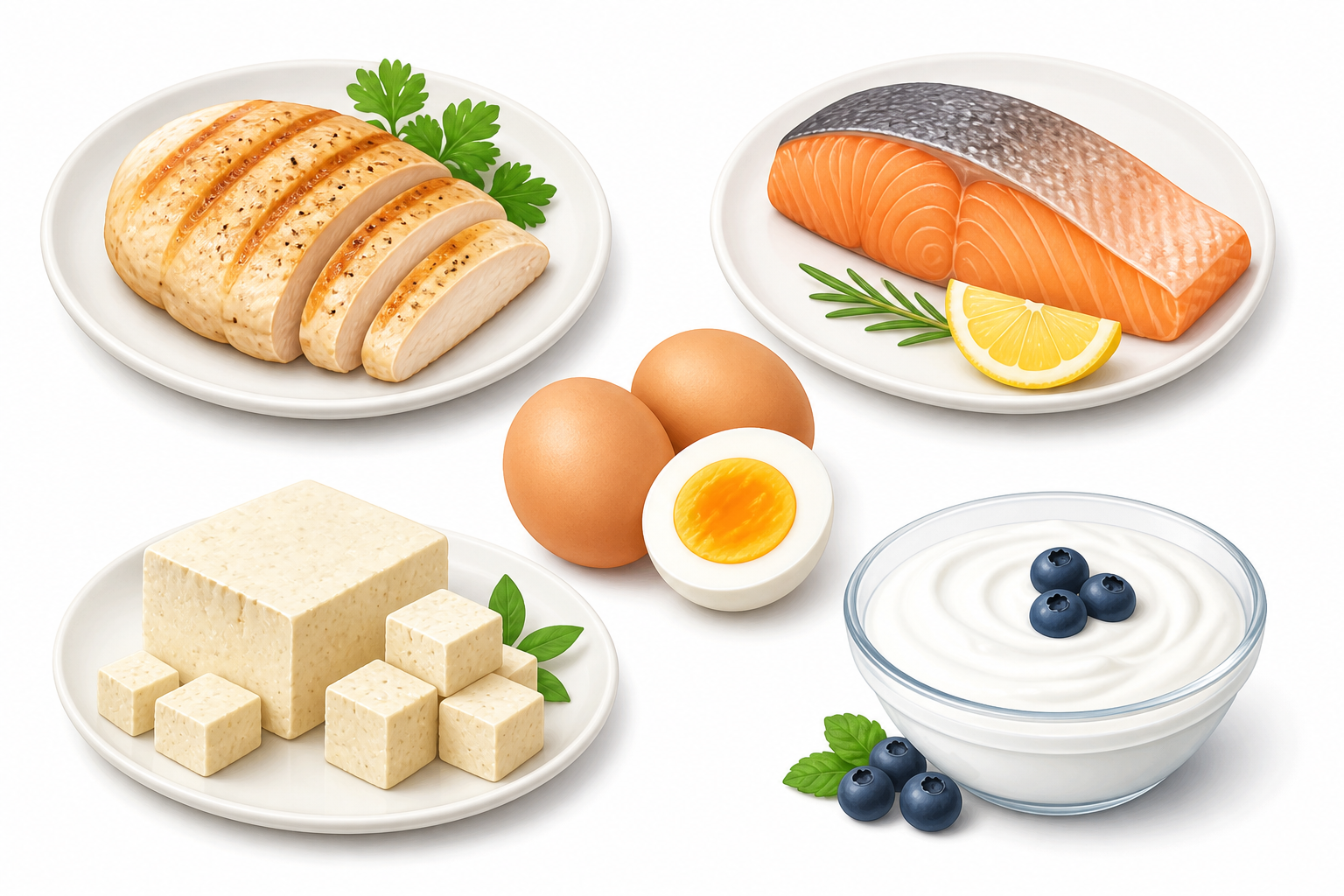
A simple, clear infographic-style illustration showing protein-rich foods arranged in a visually appealing way: eggs, Greek yogurt, lean chicken, fish, tofu, and legumes. Clean white background with subtle shadows.

Real Dietitians, Real Results

Download on the App StoreGet it on Google Play

Hydration: More Important Than Ever

GLP-1 medications slow gastric emptying, which means food sits in your stomach longer. This can make you feel full quickly and sometimes nauseous. Drinking enough water helps your digestive system function properly and can reduce constipation, a common side effect.

Aim for at least 64 ounces of water daily, or more if you are physically active.

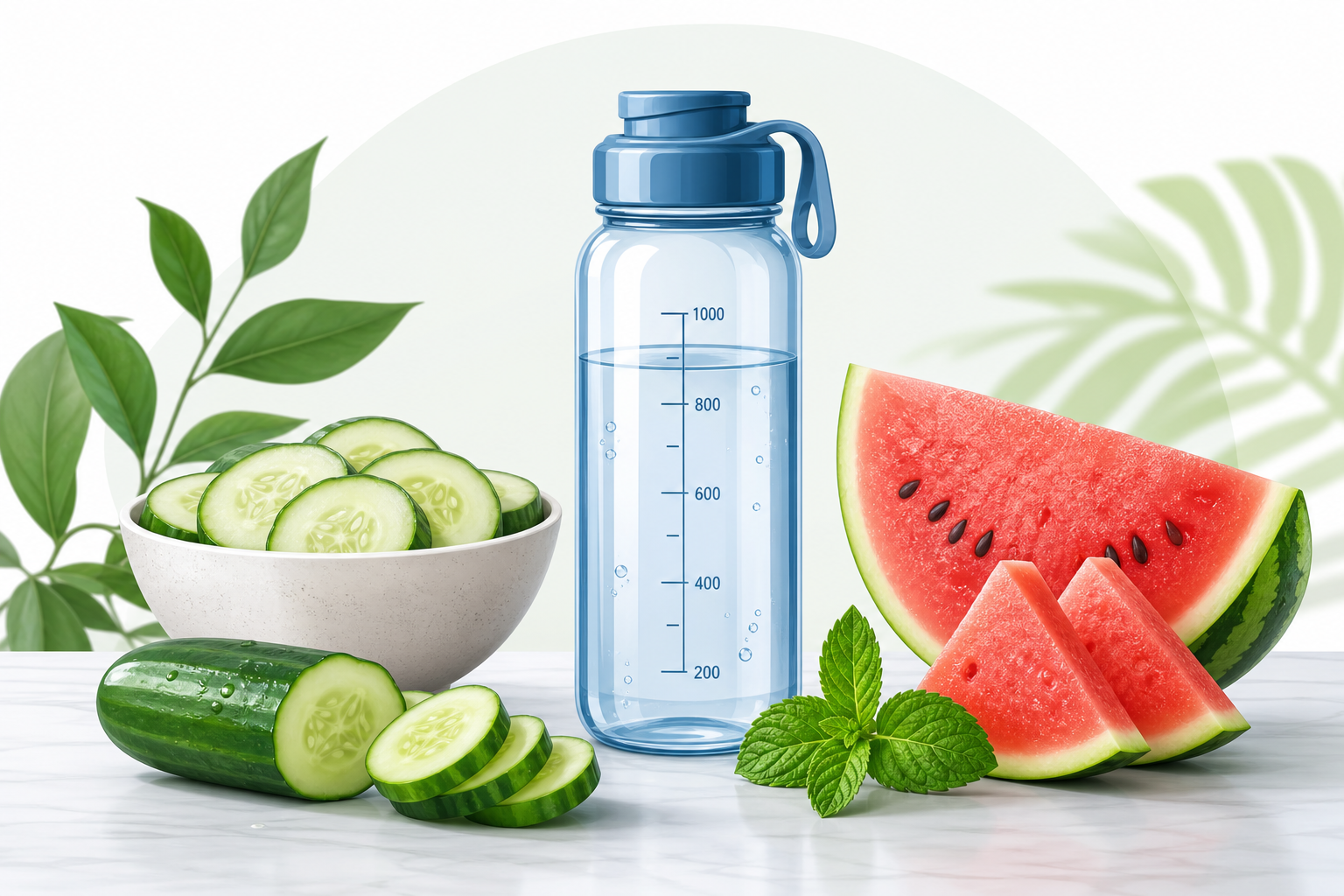
If plain water feels unappealing, try adding a splash of lemon, infusing with cucumber, or sipping herbal teas throughout the day.

Real Dietitians, Real Results

Download on the App StoreGet it on Google Play

Fiber: Keeping Your Digestion Moving

Constipation is one of the most common side effects of GLP-1 medications. The combination of eating less food, drinking less water, and slower digestion can create noticeable discomfort.

Gradually increase your fiber intake to 25 to 30 grams daily through vegetables, fruits, legumes, and whole grains. Increase fiber slowly to avoid gas and bloating, and always pair increased fiber with more water.

Vitamins and Minerals: What to Monitor

When you are eating significantly less food, getting all your essential nutrients becomes challenging. Consider discussing these with your healthcare provider:

Real Dietitians, Real Results

Download on the App StoreGet it on Google Play
  • Vitamin B12: Important for energy and nerve function
  • Vitamin D: Supports bone health and immune function
  • Iron: Essential for preventing fatigue and anemia
  • Calcium: Critical for bone health, especially during weight loss
  • Magnesium: Helps with muscle function and sleep

A high-quality multivitamin may help fill gaps, but it is not a substitute for nutrient-dense food. Work with a registered dietitian to assess your individual needs.

Foods to Focus On

Lean Proteins

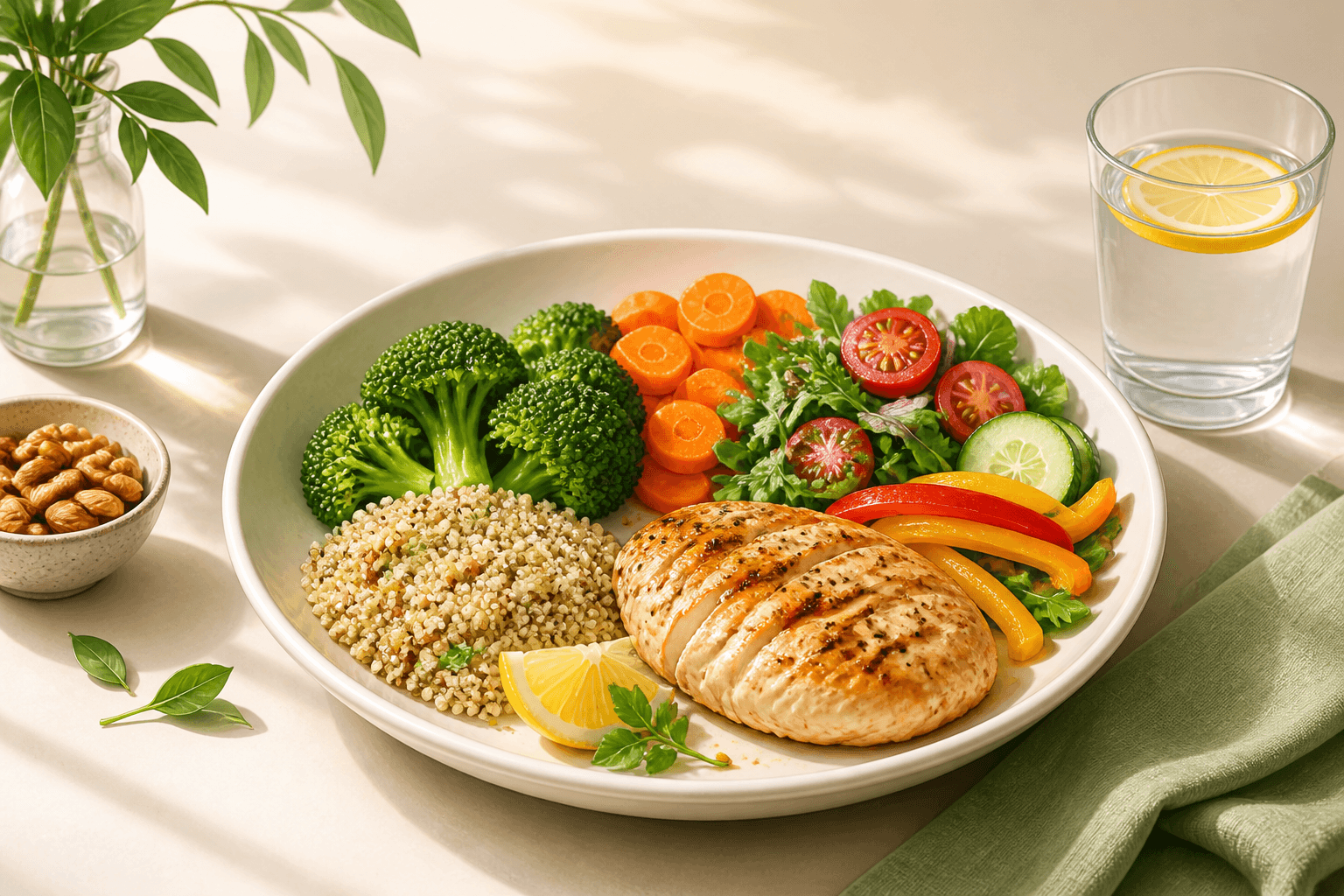
Make protein the star of every meal. Choose options that are easy to digest and prepare:

  • Greek yogurt (plain, 15-20 grams protein per serving)
  • Eggs and egg whites
  • Chicken breast or turkey
  • White fish like cod, tilapia, or flounder
  • Lean beef (90% lean or higher)
  • Tofu and tempeh
  • Low-fat cottage cheese
  • Protein powder for smoothies (whey or plant-based)

Start each meal with protein before moving to other foods. This ensures you prioritize it even when your appetite is small.

Real Dietitians, Real Results

Download on the App StoreGet it on Google Play

Non-Starchy Vegetables

Vegetables provide fiber, vitamins, and volume without many calories:

  • Leafy greens like spinach, kale, and romaine
  • Broccoli, cauliflower, and Brussels sprouts
  • Bell peppers, zucchini, and green beans
  • Cucumbers, celery, and tomatoes
  • Asparagus and asparagus tips

Cook vegetables well if raw produce feels difficult to digest. Roasted, steamed, or sautéed options are often gentler on your stomach.

Healthy Fats in Moderation

You need some fat for nutrient absorption and hormone production, but keep portions modest:

Real Dietitians, Real Results

Download on the App StoreGet it on Google Play
  • Avocado (2-3 tablespoons)
  • Olive oil (1 tablespoon)
  • Nuts and seeds (small handful)
  • Fatty fish like salmon (once or twice weekly)

Complex Carbohydrates

Carbohydrates are not off-limits, but choose them wisely and watch portions:

  • Oatmeal or steel-cut oats
  • Quinoa, brown rice, or farro
  • Sweet potato or regular potato
  • Whole grain bread (one slice)
  • Beans and lentils

Save carbohydrates for after you have eaten your protein and vegetables. You may find you only need small portions to feel satisfied.

Foods to Limit or Avoid

High-Fat and Greasy Foods

Fatty foods are a major nausea trigger for many people on GLP-1 medications. The slowed digestion means high-fat meals sit in your stomach even longer, causing discomfort.

Real Dietitians, Real Results

Download on the App StoreGet it on Google Play

Limit or avoid:

  • Fried foods of all kinds
  • Fast food and greasy takeout
  • Heavy cream sauces and cheese-laden dishes
  • Fatty cuts of meat like ribeye or bacon
  • Rich desserts and pastries

High-Sugar Foods and Beverages

Sugary foods can cause blood sugar spikes and crashes, and they offer little nutritional value:

  • Regular soda and sweetened beverages
  • Candy and sweets
  • Fruit juice (eat whole fruit instead)
  • Sugary coffee drinks
  • Most processed snacks

Alcohol Considerations

Alcohol can be problematic on GLP-1 medications for several reasons:

Real Dietitians, Real Results

Download on the App StoreGet it on Google Play
  • It may increase nausea
  • Blood sugar effects can be unpredictable
  • It provides empty calories without nutrition
  • Your tolerance may be lower than before

If you choose to drink, do so in moderation, never on an empty stomach, and monitor how you feel.

Highly Processed Foods

Ultra-processed foods often combine high fat, high sugar, and low nutrients, making them particularly problematic:

  • Chips and packaged snacks
  • Frozen meals and microwave dinners
  • Packaged cookies and crackers
  • Most breakfast cereals

Managing Common Side Effects Through Diet

An illustration of a gentle, nausea-friendly meal: plain crackers, ginger tea, broth-based soup, and bananas arranged on a light-colored surface. Soft, calming colors.

Real Dietitians, Real Results

Download on the App StoreGet it on Google Play

Nausea: What to Eat and What to Avoid

Nausea is the most common side effect, especially in the first few weeks or after a dose increase.

Foods that may help:

  • Plain crackers or dry toast
  • Ginger tea or ginger chews
  • Broth-based soups
  • Bananas and applesauce
  • Plain rice or oatmeal
  • Bland, room-temperature foods

Foods to avoid during nausea:

Real Dietitians, Real Results

Download on the App StoreGet it on Google Play
  • Anything fried or greasy
  • Strong smells or spicy foods
  • Large portions
  • Lying down immediately after eating

Try eating smaller, more frequent meals and never let your stomach get completely empty, which can actually make nausea worse.

Constipation: Fiber and Hydration Strategies

Prevention is easier than treatment when it comes to constipation on GLP-1 medications.

Daily strategies:

Real Dietitians, Real Results

Download on the App StoreGet it on Google Play
  • Start your morning with a glass of water
  • Include vegetables at every meal
  • Consider a fiber supplement like psyllium husk
  • Stay physically active, even just walking
  • Prunes or prune juice can help when needed

Fatigue: Ensuring Adequate Calorie Intake

Some fatigue is normal during weight loss, but persistent exhaustion may signal that you are not eating enough.

Signs you may need more food:

  • Constant tiredness beyond normal adjustment
  • Dizziness or lightheadedness
  • Hair loss
  • Difficulty concentrating
  • Feeling cold often

Work with a dietitian to ensure you are meeting your minimum calorie needs, even when you do not feel hungry.

Real Dietitians, Real Results

Download on the App StoreGet it on Google Play

Loss of Appetite: How to Prioritize Nutrition

When food feels unappealing, getting adequate nutrition requires strategy:

  • Eat by the clock, not by hunger: Set reminders to eat small amounts regularly
  • Liquid calories: Protein shakes and smoothies can be easier than solid food
  • Focus on nutrient density: Every bite should count toward your protein and vitamin goals
  • Make food appealing: Use herbs, spices, and attractive presentation

Sample Meal Ideas

Breakfast Options

  • Greek yogurt with berries and a tablespoon of nuts
  • Two eggs scrambled with spinach and one slice of whole grain toast
  • Protein smoothie with protein powder, spinach, and a small banana
  • Oatmeal made with milk and topped with protein powder

Lunch Options

  • Grilled chicken salad with olive oil dressing
  • Turkey and avocado lettuce wraps
  • Small portion of leftover salmon with roasted vegetables
  • Soup with added protein powder or shredded chicken

Dinner Options

  • Baked fish with steamed broccoli and a small sweet potato
  • Chicken stir-fry with mixed vegetables
  • Turkey meatballs with zucchini noodles
  • Tofu and vegetable curry with a small portion of rice

Snack Ideas

  • String cheese with a few crackers
  • Hard-boiled egg
  • Small handful of nuts
  • Protein shake or Greek yogurt
  • Apple slices with a tablespoon of peanut butter

Tips for Success

Eat Smaller, More Frequent Meals

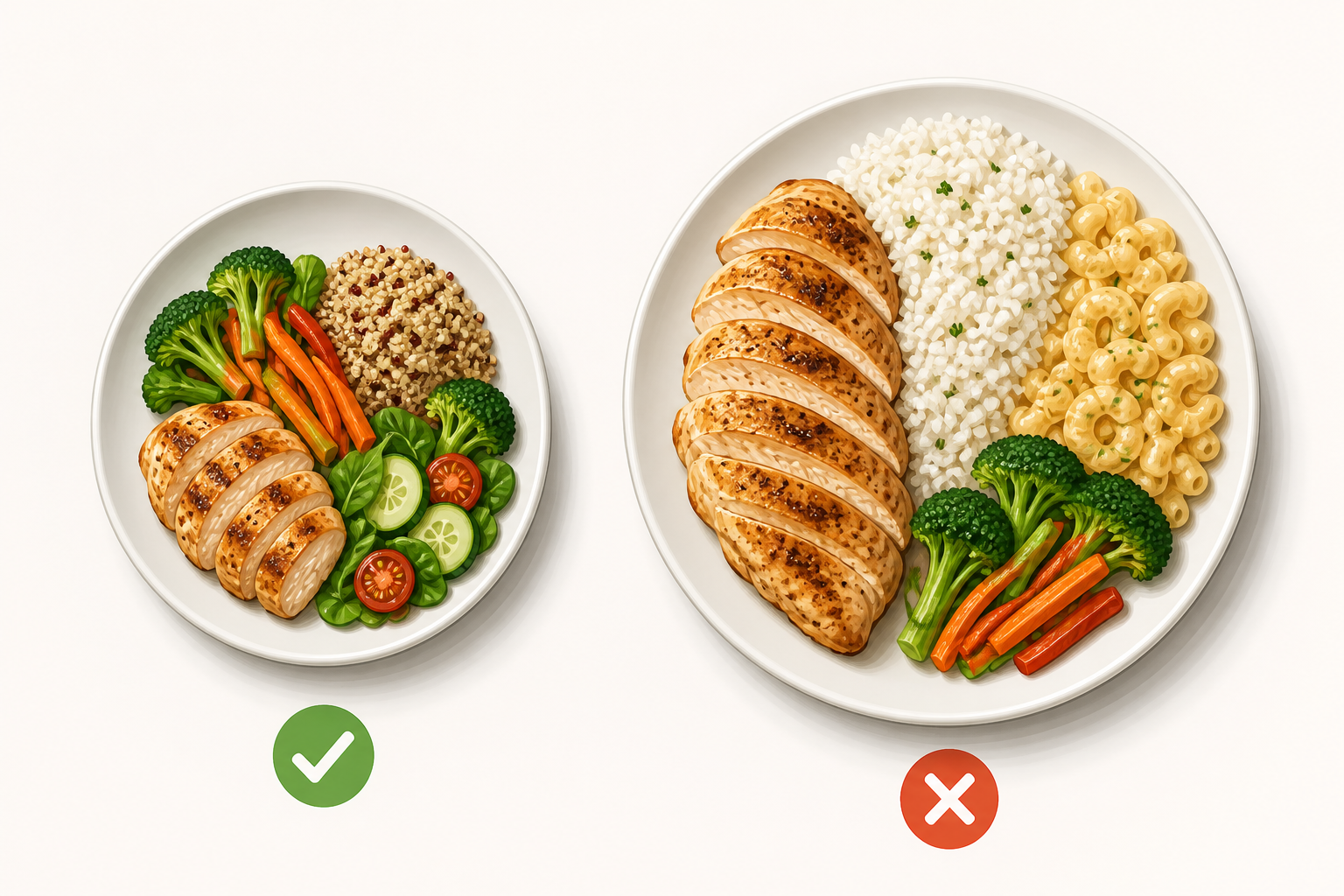
Your stomach capacity feels smaller now. Instead of three large meals, try five or six mini-meals throughout the day. This can help with nausea and ensure you get enough nutrients.

Chew Thoroughly and Eat Slowly

Taking smaller bites and chewing completely helps digestion and may reduce nausea. Put your fork down between bites. Give your body time to register fullness.

Real Dietitians, Real Results

Download on the App StoreGet it on Google Play

Listen to Your Body's New Hunger Cues

Your relationship with hunger will change. You may never feel ravenously hungry, which can be strange after years of strong appetite signals. Learn to recognize subtle cues: mild stomach awareness, slight lightheadedness, or just knowing it has been a few hours.

Work with a Registered Dietitian

The guidance in this article is general. Your specific needs depend on your health history, medications, activity level, and goals. A registered dietitian can create a personalized plan and help you adjust as your needs change.

A hydration-focused illustration showing a water bottle, slices of cucumber and lemon, and herbal tea on a clean surface. Soft, fresh colors suggesting wellness and proper hydration.

Real Dietitians, Real Results

Download on the App StoreGet it on Google Play

When to Seek Professional Help

Contact your healthcare provider if you experience:

  • Severe or persistent nausea and vomiting that prevents you from keeping food or fluids down
  • Signs of dehydration: dark urine, dizziness, rapid heartbeat
  • Severe abdominal pain that does not improve
  • Unintended rapid weight loss exceeding 2 pounds per week consistently
  • Signs of malnutrition: hair loss, brittle nails, persistent fatigue, frequent illness
  • Mood changes including depression or anxiety
  • Low blood sugar symptoms: shakiness, confusion, sweating (especially if you also take diabetes medications)

Your healthcare team can adjust your dosage, recommend supplements, or help troubleshoot persistent issues.

Building Sustainable Habits for Long-Term Success

GLP-1 medications are a powerful tool, but they work best alongside sustainable lifestyle changes. The eating habits you build now, while the medication helps control your appetite, are the same habits that will help you maintain your results.

Real Dietitians, Real Results

Download on the App StoreGet it on Google Play

Focus on progress, not perfection. Some days you will eat better than others. Some weeks the scale will move faster than others. That is normal and expected.

Remember that seeking help for your health is not taking the easy way out. It takes courage to address weight and health challenges, and using evidence-based medications as part of a comprehensive plan is a valid and responsible choice.

You do not have to figure this out alone. Nutrista connects you with qualified registered dietitians who understand GLP-1 medications and can create personalized meal plans tailored to your specific needs, preferences, and goals. Unlike generic calorie-tracking apps that only offer AI-generated advice, Nutrista provides access to real, vetted dietitians supported by AI technology, including the Nutrista AI assistant that helps streamline your experience. This combination of human expertise and modern technology means you get guidance that is both evidence-based and personally relevant.

Real Dietitians, Real Results

Download on the App StoreGet it on Google Play

Consult with your healthcare provider and a registered dietitian to develop a nutrition plan that supports your health journey safely and effectively.


This article is for informational purposes only and does not constitute medical advice. Always consult with your healthcare provider before making changes to your diet, medications, or supplement routine.

Real Dietitians, Real Results

Download on the App StoreGet it on Google Play
#GLP-1 medications#Ozempic diet#weight loss injection nutrition

Others Viewed