



GLP-1 medications

GLP-1 Diet: What to Eat While Taking Ozempic, Wegovy, or Similar Medications

Nutrista Team•
Share
GLP-1 Diet: What to Eat While Taking Ozempic, Wegovy, or Similar Medications

GLP-1 Diet: What to Eat While Taking Ozempic, Wegovy, or Similar Medications

If you're taking a GLP-1 medication like Ozempic, Wegovy, or Trulicity, you've probably noticed some significant changes in your appetite and relationship with food. These medications can be powerful tools for weight management and blood sugar control, but they also raise important questions about nutrition. What should you eat when you barely feel hungry? How do you manage the nausea that sometimes comes with these medications? And how can you make sure you're nourishing your body properly during this journey?

You're not alone in asking these questions. Many people starting GLP-1 receptor agonist medications find themselves searching for guidance on "what to eat on Ozempic" or looking for an "Ozempic diet plan" that can help them navigate this new chapter. This guide will walk you through the evidence-based nutrition strategies that can help you thrive while on these medications.

What Are GLP-1 Medications and How Do They Work?

GLP-1 receptor agonists are medications that mimic a hormone your body naturally produces called glucagon-like peptide-1. This hormone plays several important roles in how your body manages food and blood sugar.

Real Dietitians, Real Results

Download on the App StoreGet it on Google Play

These medications work through three main mechanisms:

  • Slowing gastric emptying: Food stays in your stomach longer, helping you feel fuller for extended periods
  • Increasing satiety signals: Your brain receives stronger "I'm full" messages, even from smaller portions
  • Affecting appetite centers: The medications influence brain regions that control food cravings and hunger

This combination can lead to significant reductions in appetite and food intake, which is why these medications have shown such promise for weight management and type 2 diabetes treatment.

Why Nutrition Matters on GLP-1 Medications

Here's an important truth that deserves your attention: while GLP-1 medications help control your appetite, they don't automatically make your food choices nutritious. The reduced appetite these medications provide can be a powerful tool, but what you choose to eat still matters enormously for your health.

Real Dietitians, Real Results

Download on the App StoreGet it on Google Play

When you're eating less, every bite counts more. Your body still needs adequate protein to maintain muscle mass, fiber for digestive health, vitamins and minerals for countless bodily functions, and enough calories to fuel your daily activities. The goal isn't just weight loss—it's healthy, sustainable weight loss that preserves your muscle, energy, and overall wellbeing.

Protein Priority: Protecting Your Muscles During Weight Loss

One of the most critical nutritional considerations when taking GLP-1 medications is getting adequate protein. When you lose weight, some of that weight can come from muscle tissue—not just fat. This is especially concerning because muscle mass supports your metabolism, strength, and long-term health.

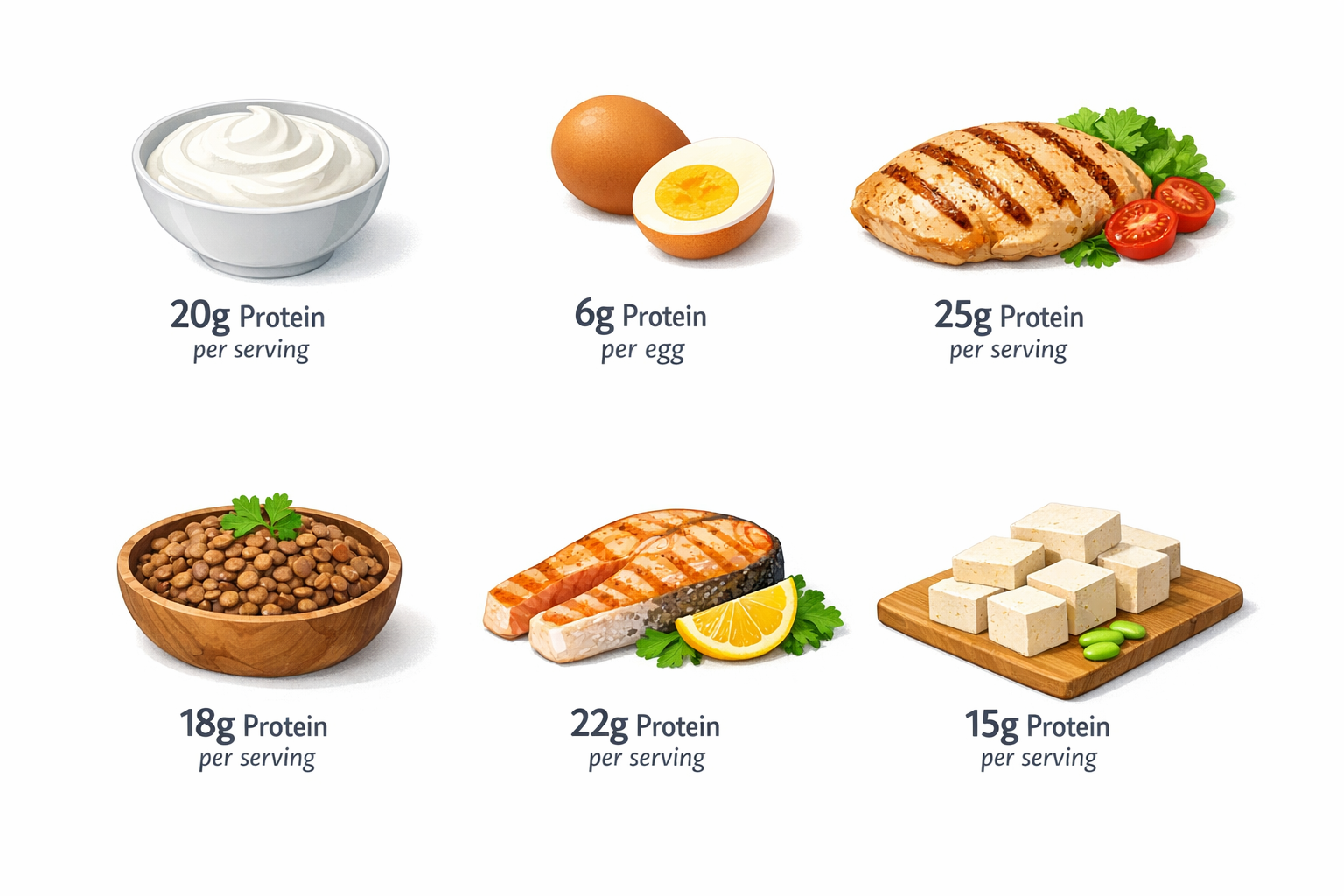
A simple infographic-style illustration showing protein-rich foods arranged attractively: Greek yogurt, eggs, grilled chicken breast, fish, lentils, and tofu. Clean white background with subtle shadows. Each food item labeled with its approximate protein content per serving. Educational and clear style suitable for a nutrition article.

Real Dietitians, Real Results

Download on the App StoreGet it on Google Play

Protein requirements on GLP-1 medications vary by individual, but many healthcare providers recommend:

  • 1.2 to 1.5 grams of protein per kilogram of body weight daily for most adults
  • Prioritizing protein at each meal rather than trying to get it all at once
  • Spreading protein intake throughout the day when appetite allows

Best Protein Sources for Your GLP-1 Diet Plan

Focus on lean, high-quality protein sources that are easier to digest, especially if you're experiencing nausea:

  • Greek yogurt or cottage cheese (15-20g protein per serving)
  • Eggs (6g protein each, easy to digest)
  • Chicken breast or turkey (lean options, versatile)
  • Fish like salmon, cod, or tilapia (also provides healthy fats)
  • Tofu or tempeh (plant-based options)
  • Lentils and beans (fiber plus protein)
  • Protein powder (useful when solid food feels unappealing)

Practical tip: When your appetite is very low, consider a protein shake or smoothie. Liquids are often easier to tolerate, and you can add nutrients without feeling overly full.

Real Dietitians, Real Results

Download on the App StoreGet it on Google Play

Hydration Essentials: Why Water Matters More Now

Staying properly hydrated becomes especially important when taking GLP-1 medications. Between the reduced appetite and potential nausea, many people find themselves drinking less fluid than they need. Additionally, these medications slow down how quickly your stomach empties, which can affect how fluids feel in your system.

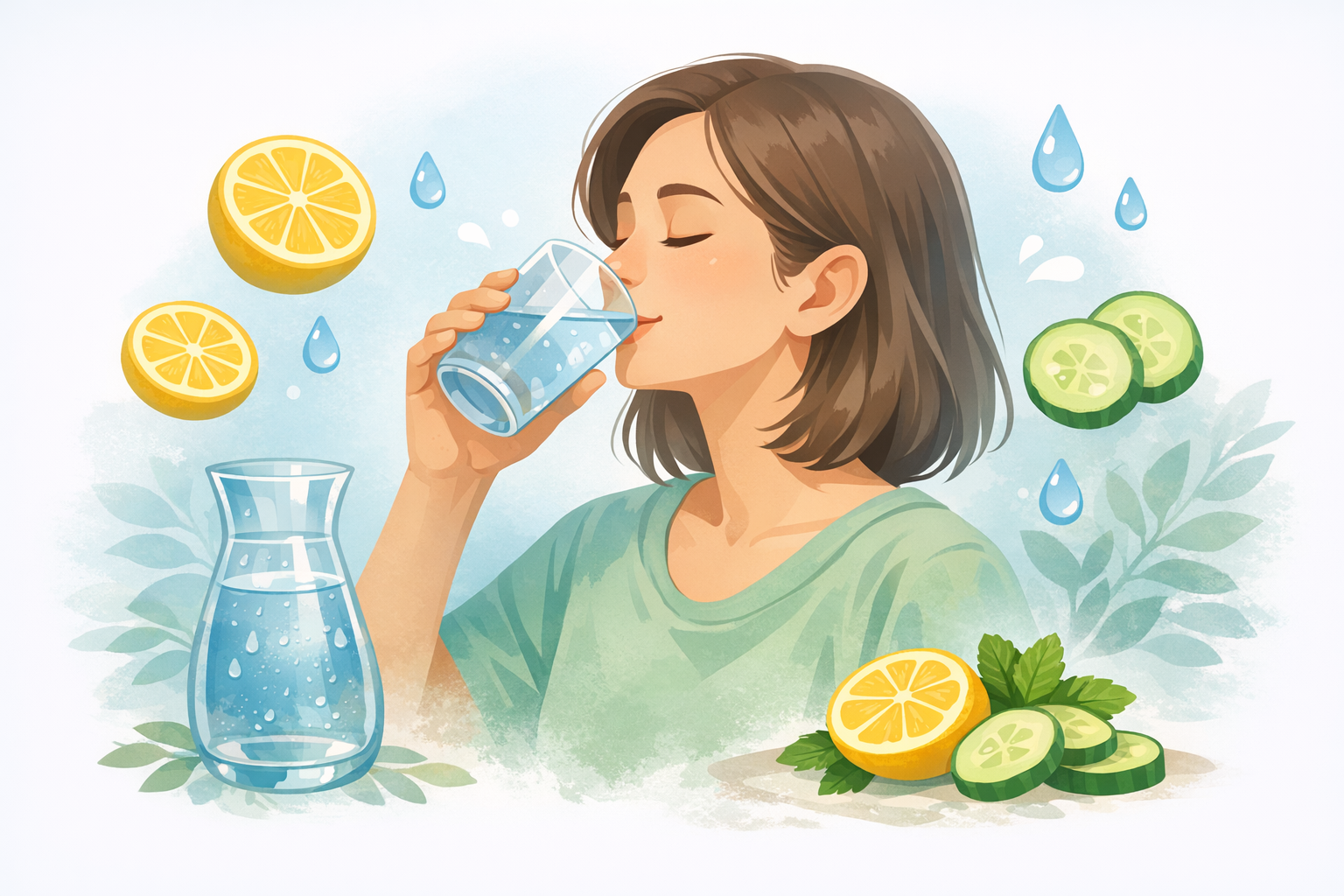
A gentle, calming illustration of a person drinking water from a glass, with visual elements showing hydration (water droplets, fresh fruits like lemon and cucumber slices). Soft, muted colors in blues and greens. The image should convey wellness and self-care. No text overlay needed.

Hydration helps with several common concerns:

Real Dietitians, Real Results

Download on the App StoreGet it on Google Play
  • Reducing constipation risk
  • Managing nausea
  • Supporting energy levels
  • Preventing headaches and fatigue

Practical Hydration Strategies

  • Sip slowly throughout the day rather than drinking large amounts at once
  • Avoid drinking 30 minutes before and after meals to prevent feeling overly full
  • Add lemon, cucumber, or mint to make water more appealing
  • Try herbal teas or clear broths for variety
  • Set gentle reminders on your phone if you tend to forget

How to Manage Ozempic Nausea and Other Side Effects Through Diet

Side effects are a reality for many people starting GLP-1 medications, especially during the first few weeks or after dose increases. The good news is that dietary adjustments can make a significant difference.

Managing Nausea

Nausea is one of the most common side effects, and it can make eating feel like a challenge. The key is eating small, frequent meals rather than three large ones.

Foods and strategies that can help:

Real Dietitians, Real Results

Download on the App StoreGet it on Google Play
  • Ginger: Try ginger tea, ginger chews, or adding fresh ginger to meals
  • Plain, bland foods: Crackers, toast, plain rice, or bananas
  • Cool or room-temperature foods: Often better tolerated than hot foods
  • Avoid strong smells: Eat in well-ventilated areas
  • Stay upright after eating: Wait at least 2-3 hours before lying down

Foods that can worsen nausea on GLP-1 medications:

  • High-fat, greasy, or fried foods
  • Very sweet foods
  • Large portions
  • Strong spices or acidic foods

Managing Constipation

Because GLP-1 medications slow digestion, constipation is common. A combination of fiber, fluids, and gentle movement can help.

  • Gradually increase fiber intake with vegetables, fruits, and whole grains
  • Stay consistently hydrated
  • Consider a daily walk or gentle movement
  • Talk to your healthcare provider if constipation persists

Managing Fatigue

Feeling tired can happen when you're eating significantly less. Fatigue often signals that you need more calories or nutrients, not just less food.

Real Dietitians, Real Results

Download on the App StoreGet it on Google Play
  • Prioritize protein and complex carbohydrates for sustained energy
  • Don't skip meals entirely, even when appetite is low
  • Consider whether you're getting enough iron, B vitamins, and other nutrients
  • Discuss persistent fatigue with your healthcare provider

Foods to Focus On for Your Semaglutide Diet

When searching for "best foods for semaglutide" or similar GLP-1 medications, the answer centers on nutrient density. Because you're eating less, choosing foods that pack maximum nutrition into smaller portions is essential.

Build your meals around:

  • Lean proteins: Chicken, fish, eggs, Greek yogurt, tofu, legumes
  • Non-starchy vegetables: Leafy greens, broccoli, peppers, zucchini, tomatoes, cucumbers
  • Whole grains in moderation: Quinoa, brown rice, oats (smaller portions than you might previously have eaten)
  • Healthy fats: Avocado, olive oil, nuts and seeds (in small amounts due to calorie density)
  • Fruits: Berries, citrus, apples—rich in fiber and vitamins

Foods to Avoid on Wegovy and Similar GLP-1 Medications

Certain foods tend to worsen side effects or provide little nutritional value. Knowing "foods to avoid on Wegovy" or other GLP-1 medications can help you feel better and get more from your reduced appetite.

Real Dietitians, Real Results

Download on the App StoreGet it on Google Play

Consider limiting or avoiding:

  • High-fat, greasy foods: Fried foods, heavy cream sauces, fatty cuts of meat—these can trigger or worsen nausea
  • Sugary foods and refined carbohydrates: Candy, pastries, white bread—these provide calories without nutrition and can cause blood sugar spikes and crashes
  • Alcohol: Can worsen nausea, dehydration, and low blood sugar; also adds empty calories
  • Large portions: Even healthy foods can cause discomfort if eaten in large amounts
  • Carbonated beverages: Can cause bloating and discomfort

Meal Timing and Portion Strategies

Learning to work with your new appetite cues is a skill that develops over time. The goal is to eat enough to nourish yourself without causing discomfort.

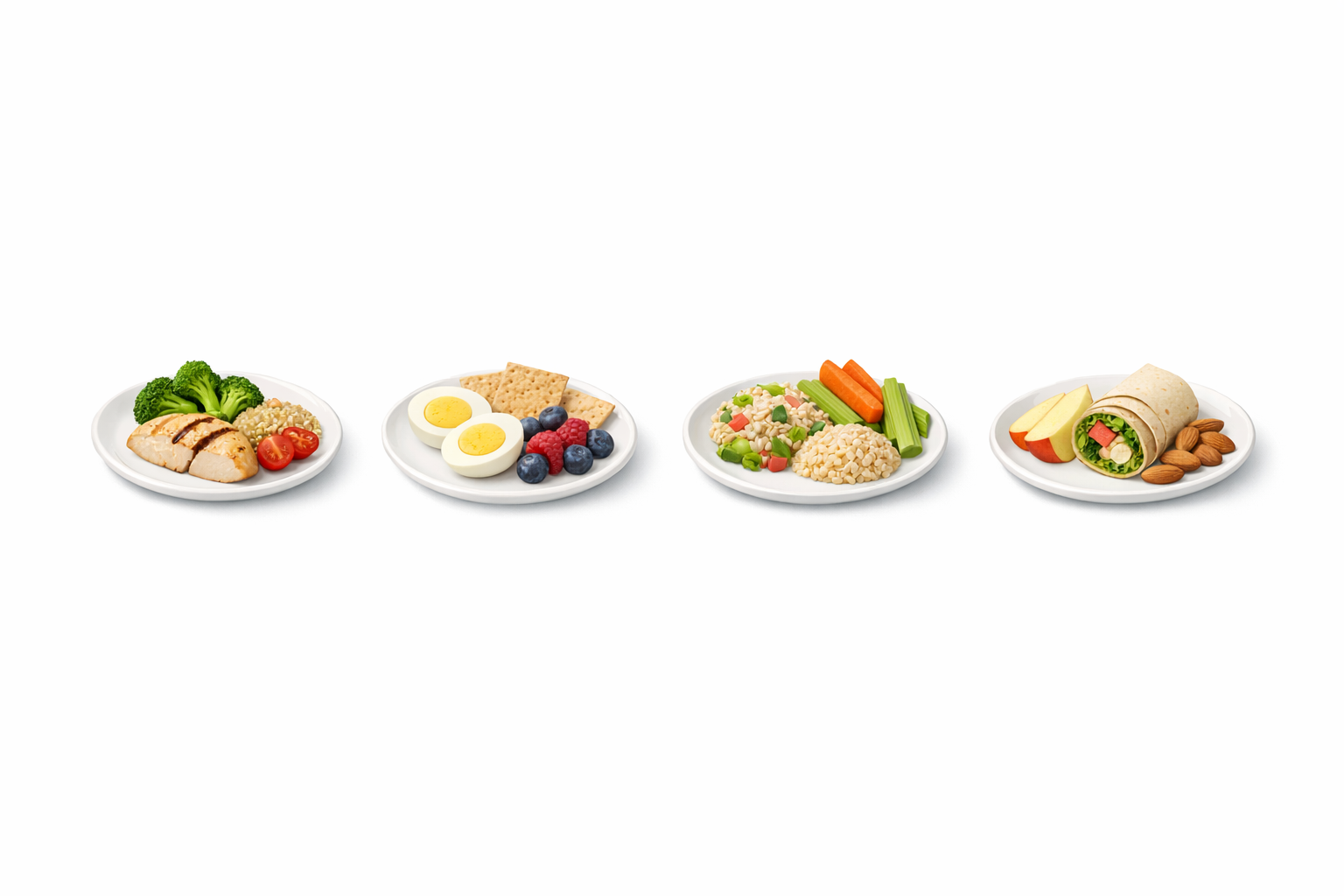
An illustration of small, portion-controlled meal plates arranged in a row, showing the concept of eating smaller, more frequent meals. Each plate contains a simple, balanced meal. Clean, minimalist style with a white or light background. Educational and practical for readers learning about portion management.

Real Dietitians, Real Results

Download on the App StoreGet it on Google Play

Helpful strategies include:

  • Eat smaller, more frequent meals: 5-6 small meals often work better than 3 large ones
  • Eat slowly and mindfully: Put your fork down between bites, chew thoroughly
  • Stop before feeling full: Your satiety signals are heightened now; honor them early
  • Don't force yourself to finish: Listen to your body, not your plate
  • Plan ahead: Having nutritious options ready helps when appetite is unpredictable
  • Separate food and fluids: Drink between meals rather than with them to avoid feeling overly full

Sample Meal Ideas for Your GLP-1 Diet

Here are some gentle, nutritious meal ideas that work well for people on GLP-1 medications:

Breakfast options:

  • Greek yogurt (1/2 cup) with a small handful of berries and a sprinkle of nuts
  • One scrambled egg with spinach and a slice of whole-grain toast
  • Protein smoothie with protein powder, spinach, and a small banana

Lunch options:

  • Grilled chicken (3-4 oz) with steamed vegetables and a small portion of quinoa
  • Half a sandwich on whole-grain bread with lean turkey, lettuce, and tomato
  • A small salad with beans, vegetables, and a light vinaigrette

Dinner options:

  • Baked fish with roasted vegetables
  • A small portion of lentil soup with a side of vegetables
  • Stir-fried tofu with vegetables over a small amount of brown rice

Snack options (when tolerated):

  • A small apple with a teaspoon of nut butter
  • Vegetable sticks with hummus
  • A hard-boiled egg
  • A small handful of nuts

Red Flags: When to Contact Your Healthcare Provider

While many side effects improve over time, certain symptoms warrant a call to your healthcare provider:

Real Dietitians, Real Results

Download on the App StoreGet it on Google Play

Contact your provider if you experience:

  • Persistent vomiting or inability to keep fluids down
  • Severe abdominal pain
  • Signs of dehydration (dizziness, dark urine, infrequent urination)
  • Significant fatigue or weakness
  • Rapid or excessive weight loss
  • Symptoms of low blood sugar (shakiness, sweating, confusion)
  • Persistent constipation despite dietary changes

Regular check-ins with your healthcare team are important throughout your GLP-1 treatment. They can monitor your progress, adjust your treatment as needed, and help ensure you're losing weight in a healthy, sustainable way.

The Value of Working with a Registered Dietitian

Navigating nutrition while on GLP-1 medications can feel overwhelming, especially when your appetite and relationship with food are changing. Working with a registered dietitian can provide personalized guidance that generic advice simply cannot offer.

Real Dietitians, Real Results

Download on the App StoreGet it on Google Play

A dietitian can help you:

  • Create a meal plan that works with your reduced appetite
  • Ensure you're meeting your nutritional needs
  • Address specific side effects through diet
  • Adjust your eating plan as your needs change
  • Provide accountability and support

Generic calorie-tracking apps can tell you how many calories you've eaten, but they can't understand your unique situation, answer your questions, or adjust recommendations based on how you're actually feeling. That's where the human expertise of a registered dietitian becomes invaluable.

Nutrista connects you with qualified, registered dietitians who understand GLP-1 medications and can create a personalized nutrition plan tailored to your specific needs. Their dietitians are supported by AI tools that help them provide modern, evidence-based care—combining the irreplaceable value of human expertise with the efficiency of technology.

Final Thoughts

Taking GLP-1 medications like Ozempic or Wegovy is a significant step in your health journey. These medications can be powerful tools, but they work best when combined with thoughtful nutrition that supports your body's needs.

Real Dietitians, Real Results

Download on the App StoreGet it on Google Play

Remember that everyone's experience is different. What works for one person may not work for another, and your needs may change over time. Be patient with yourself as you learn to navigate your new relationship with food.

Most importantly, don't hesitate to seek professional guidance. Your healthcare provider and a registered dietitian can help you make the most of your treatment while protecting your long-term health and wellbeing.

If you're looking for personalized support, consider connecting with a registered dietitian through Nutrista. Their platform connects you with real, vetted dietitians who can create a nutrition plan tailored to your unique situation—because your health deserves more than a one-size-fits-all approach.

Real Dietitians, Real Results

Download on the App StoreGet it on Google Play

This article is for informational purposes only and does not constitute medical advice. Always consult your healthcare provider before making changes to your diet or medication regimen.

Real Dietitians, Real Results

Download on the App StoreGet it on Google Play
#GLP-1 medications#Ozempic diet#Wegovy nutrition

Others Viewed