




The Recipe Chaos: Why 92% of Healthy Meal Plans Fail by Jan 10th 😱
Is your kitchen a graveyard of forgotten PDFs and sticky notes? 😱 Discover why your healthy habits die by Jan 10th and how Nutrista AI fixes your recipe chaos forever! 🔥🥗

If you've recently been told your blood pressure is elevated, you may feel overwhelmed by all the information out there. Perhaps you're wondering where to even begin, or whether dietary changes can truly make a difference. The good news is that what you eat has a profound impact on your blood pressure, and small, consistent changes can lead to meaningful improvements over time.
You don't need to overhaul your entire life overnight. This guide will walk you through the foods that support healthy blood pressure, explain why they work, and give you practical ways to incorporate them into your daily routine.
Before diving into specific foods, it helps to understand what those blood pressure numbers actually mean. Your reading consists of two numbers: the top number (systolic) measures pressure when your heart beats, while the bottom number (diastolic) measures pressure between beats. A reading of 120/80 or lower is generally considered healthy, while consistent readings above 130/80 may indicate elevated blood pressure.
What you eat directly influences these numbers through several key nutrients:
Women face unique challenges when it comes to blood pressure management. During perimenopause and menopause, declining estrogen levels can affect blood vessel flexibility and contribute to increased blood pressure. This makes nutrition particularly important during midlife and beyond.
The DASH diet (Dietary Approaches to Stop Hypertension) is one of the most researched eating patterns for blood pressure management. Studies consistently show it can lower systolic blood pressure by 8-14 points in many people.
The beauty of DASH is its simplicity. Rather than being a restrictive diet, it focuses on adding more of the good stuff:
This approach works because it naturally increases potassium, magnesium, and calcium while reducing sodium intake. It's not about deprivation—it's about nourishing your body with foods that support healthy blood vessels.
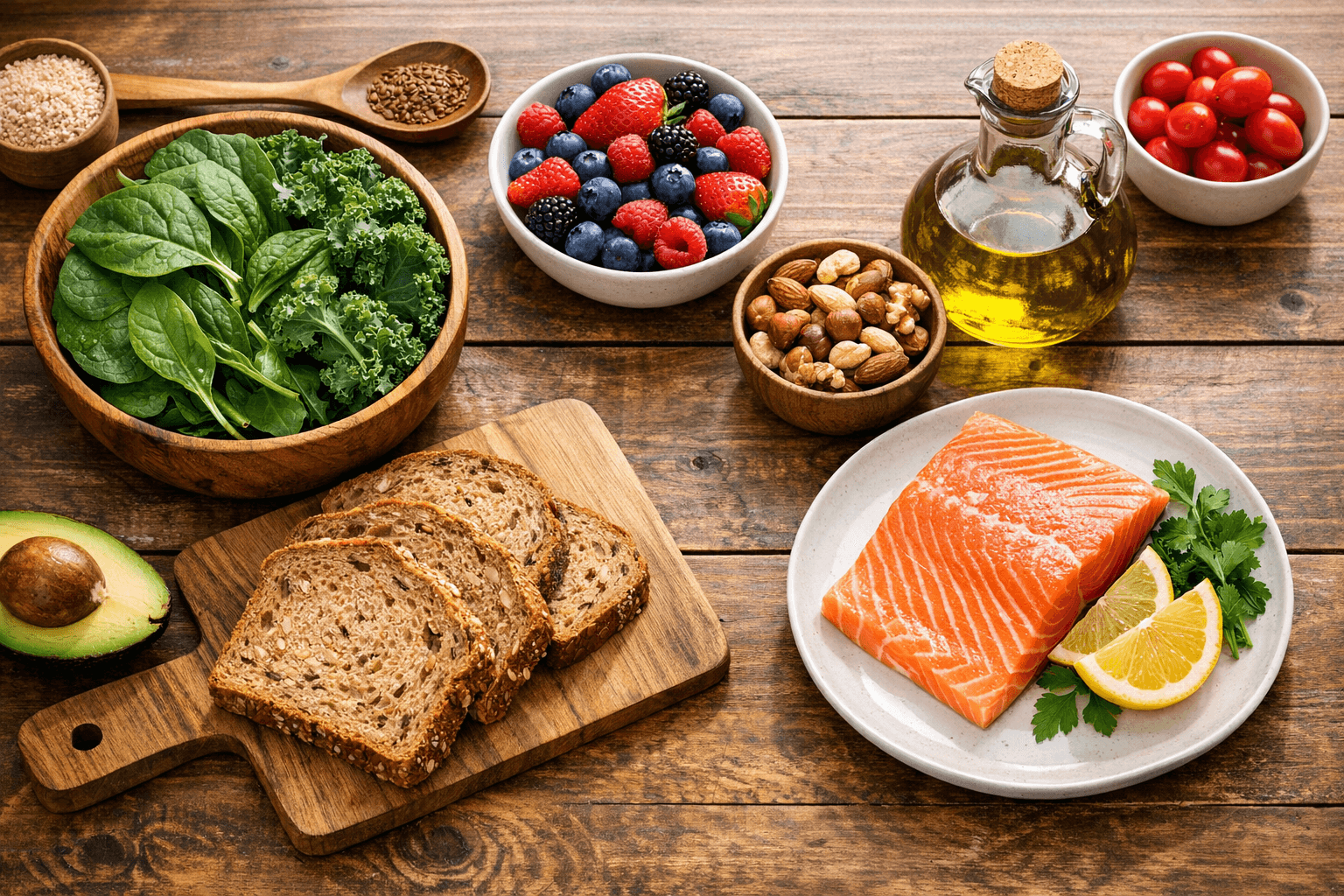
Spinach, kale, Swiss chard, and collard greens are nutritional powerhouses for blood pressure. They're rich in potassium, which helps counterbalance sodium's effects on your body. One cup of cooked spinach provides nearly 800mg of potassium—about 17% of your daily needs.
Practical ways to eat more: Add spinach to scrambled eggs, blend kale into smoothies, or sauté Swiss chard with garlic as a simple side dish. Aim for at least one serving daily.
Blueberries, strawberries, and raspberries contain flavonoids called anthocyanins, which research suggests may help lower blood pressure and improve blood vessel function. A study found that women who consumed more blueberries and strawberries had a significantly lower risk of developing high blood pressure.
Practical ways to eat more: Add berries to your morning oatmeal, enjoy them as an afternoon snack, or blend frozen berries into a refreshing smoothie. One cup daily is a great goal.
Oatmeal, quinoa, brown rice, and whole wheat contain fiber that supports heart health. Beta-glucan, a type of fiber found in oats, has been shown to help reduce blood pressure and improve cholesterol levels.
Practical ways to eat more: Start your day with steel-cut or rolled oats, swap white rice for quinoa, or choose whole-grain bread for sandwiches. Aim for 3-6 servings of whole grains daily.
Salmon, mackerel, sardines, and trout are rich in omega-3 fatty acids, which help reduce inflammation and support healthy blood vessel function. Research shows that regular fish consumption is associated with lower blood pressure and reduced cardiovascular risk.
Practical ways to eat more: Aim for two servings of fatty fish per week. Try baked salmon with lemon and herbs, or add canned sardines to a salad for a quick lunch.
Unsalted almonds, walnuts, sunflower seeds, and pumpkin seeds provide magnesium, healthy fats, and fiber. Magnesium deficiency has been linked to higher blood pressure, making these foods particularly valuable.
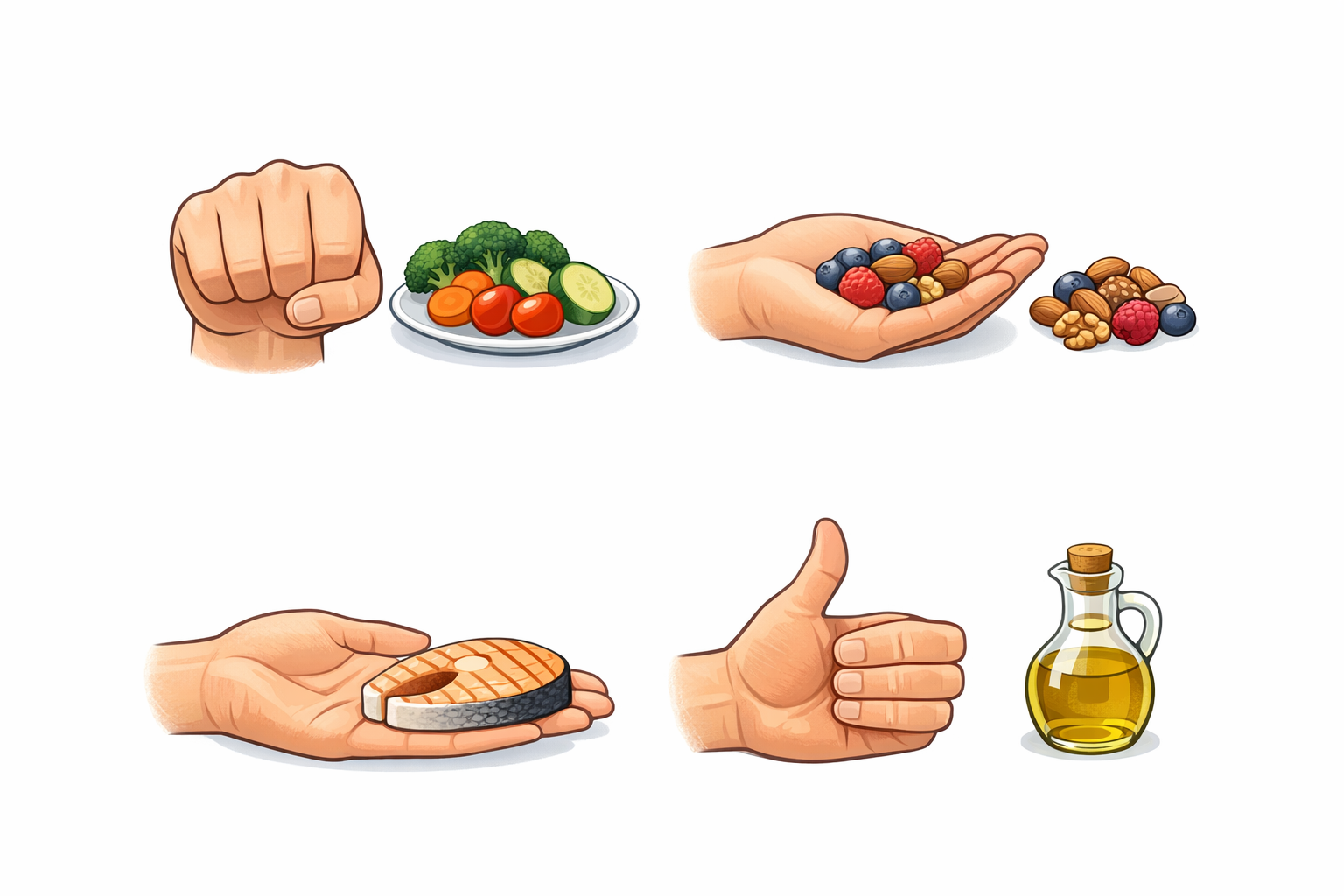
Practical ways to eat more: Keep a small container of unsalted nuts for snacking, sprinkle seeds on salads, or add nut butter to apple slices. A small handful (about 1 ounce) daily is a good target.
Calcium plays an important role in blood pressure regulation. Low-fat milk, yogurt, and cheese provide calcium along with protein. If you're dairy-free, look for calcium-fortified plant milks and yogurts.
Practical ways to eat more: Enjoy yogurt with berries for breakfast, add milk to your oatmeal, or use Greek yogurt as a base for savory dips. Aim for 2-3 servings daily.
Black beans, lentils, chickpeas, and kidney beans deliver a winning combination of potassium, magnesium, and fiber. They're also an excellent plant-based protein source that can replace higher-sodium meats in your meals.
Practical ways to eat more: Add beans to soups and salads, make lentil-based pasta sauce, or enjoy hummus with vegetables. Try for 3-4 servings per week.
These aromatic vegetables contain compounds that may help relax blood vessels and support healthy circulation. While the effect is modest, they add flavor without sodium, making them valuable allies.
Practical ways to eat more: Use generous amounts in cooking, roast garlic for a milder flavor, or add raw onions to salads.
Good news for chocolate lovers: dark chocolate (at least 70% cocoa) contains flavonoids that may help lower blood pressure. The key is moderation—about one ounce a few times per week.
Practical ways to enjoy: Savor a small square after dinner, or grate dark chocolate over berries for an antioxidant-rich dessert.
Extra virgin olive oil is a staple of the Mediterranean diet, which is also associated with healthy blood pressure. It contains polyphenols that may help protect blood vessels and reduce inflammation.
Practical ways to eat more: Use olive oil as your primary cooking fat, drizzle it over vegetables, or make homemade salad dressing with olive oil and vinegar.

Understanding what to eat is only half the equation. Equally important is knowing which foods may be working against your blood pressure goals.
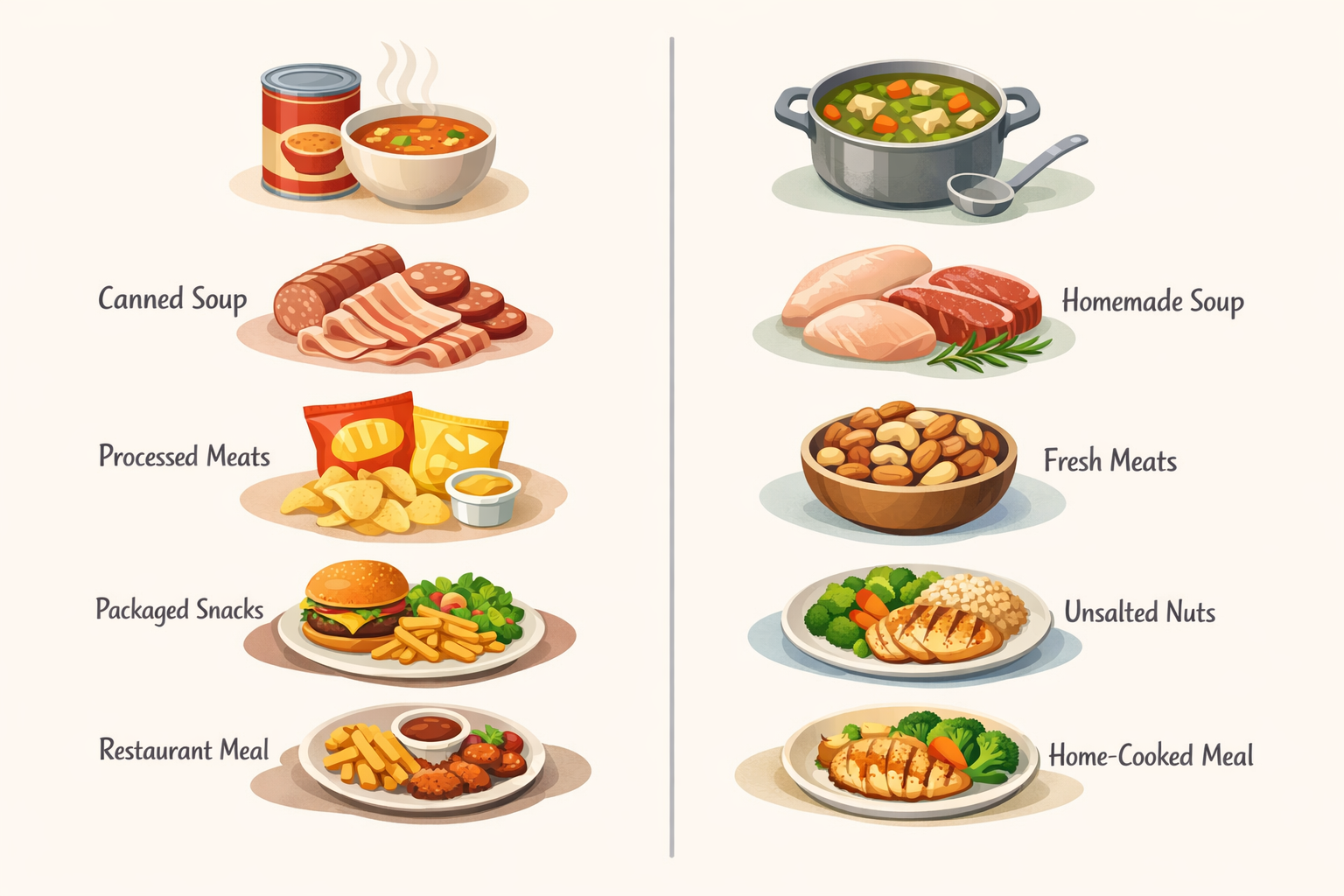
Many processed foods contain surprising amounts of sodium, even ones that don't taste particularly salty. Check labels for sodium content, aiming for products with less than 200mg per serving when possible.
Better alternatives: Choose fresh or frozen vegetables without added sauces, cook grains from scratch, and make homemade versions of packaged favorites.
Restaurant meals often contain a full day's worth of sodium—or more. The combination of salt, unhealthy fats, and large portions makes dining out challenging for blood pressure management.
Better alternatives: Cook at home more often, ask for sauces on the side when dining out, and look for restaurants that prepare items fresh rather than from pre-packaged sources.
Bacon, sausage, hot dogs, deli meats, and ham are typically very high in sodium. Just two slices of deli turkey can contain 500mg of sodium or more.
Better alternatives: Roast your own chicken or turkey for sandwiches, try unsalted nut butter, or use leftover cooked fish in salads.
While moderate alcohol consumption may not significantly affect blood pressure, heavy drinking can raise it substantially. If you drink, limit it to one drink per day for women.
Research suggests high sugar intake may contribute to elevated blood pressure, independent of weight gain. Sugary beverages are particularly problematic.
Better alternatives: Choose water, unsweetened tea, or sparkling water with a splash of fruit juice.
The American Heart Association recommends no more than 2,300mg of sodium per day, with an ideal limit of 1,500mg for those with high blood pressure. To put this in perspective, one teaspoon of salt contains about 2,300mg of sodium.
Reducing sodium doesn't mean sacrificing flavor. Experiment with these alternatives:

Here's what a day of nourishing, blood pressure-supportive eating might look like:
Breakfast (approximately 200mg sodium)
Lunch (approximately 400mg sodium)
Afternoon Snack (approximately 50mg sodium)
Dinner (approximately 450mg sodium)
Evening Treat (approximately 5mg sodium)
This sample day provides approximately 1,100mg of sodium—well within recommended limits—while delivering plenty of potassium, magnesium, and fiber.
While nutrition is foundational, other lifestyle factors play important roles in blood pressure management.
Regular exercise helps strengthen your heart, allowing it to pump with less effort. Even gentle movement counts—walking, swimming, or cycling for 30 minutes most days can make a meaningful difference. Start where you are and build gradually.
Chronic stress keeps your body in a state of heightened alert, which can contribute to elevated blood pressure. Consider incorporating relaxation practices such as deep breathing, meditation, gentle yoga, or simply spending time in nature.
Poor sleep is linked to higher blood pressure. Aim for 7-9 hours of quality sleep per night. Create a calming bedtime routine, keep your bedroom cool and dark, and limit screen time before bed.
If you're carrying extra weight, even modest weight loss (5-10% of your body weight) can significantly improve blood pressure. Focus on nourishing your body well rather than restrictive dieting.
While this article provides general guidance, working with a healthcare provider and registered dietitian is invaluable for personalized blood pressure management. A dietitian can help you create a realistic eating plan that fits your lifestyle, preferences, and any other health conditions you may have.
If you're taking blood pressure medication, dietary changes may affect how your body responds, so regular communication with your doctor is essential.
For those seeking personalized support, Nutrista connects people with qualified registered dietitians who can create customized meal plans tailored to your specific needs. Unlike generic calorie-tracking apps that only offer AI-generated advice, Nutrista provides access to real, vetted nutrition professionals who understand the complexities of blood pressure management and can guide you with evidence-based recommendations.
Lowering blood pressure through diet is a journey, not a quick fix. You don't need to be perfect—every small, positive choice adds up over time. Maybe you start by adding a serving of vegetables to lunch, or swapping your afternoon snack for unsalted nuts. Perhaps you experiment with a new herb or spice instead of reaching for the salt shaker.
The key takeaways from this guide:
Always consult your healthcare provider before making significant dietary changes, especially if you're taking blood pressure medications. Your doctor and dietitian are your partners in this journey, and with the right support, you can take meaningful steps toward healthier blood pressure and overall wellbeing.

Is your kitchen a graveyard of forgotten PDFs and sticky notes? 😱 Discover why your healthy habits die by Jan 10th and how Nutrista AI fixes your recipe chaos forever! 🔥🥗

Discover how dietitians can make it easy for clients to book consultations directly from their social media profiles. Learn about Nutrista's embeddable booking system.

Stop being a statistic! 😱 94% of people ghost their dietitians by Jan 28th because of 'The Ghosting Crisis.' Discover why your tracking app is lying and how Nutrista AI changes the game. 🚀
Professional nutritionists ready to help you