high blood pressure

Foods That Lower Blood Pressure Naturally: A Complete Diet Guide

Nutrista Team
Share
Foods That Lower Blood Pressure Naturally: A Complete Diet Guide

Foods That Lower Blood Pressure Naturally: A Complete Diet Guide

Living with high blood pressure, or even the worry of prehypertension, can feel like carrying a quiet weight. You might be checking labels, worrying about every pinch of salt, and wondering if you will ever feel in control. It is overwhelming, and you are not alone in feeling that way. The good news is that the food you eat is one of the most powerful tools you have to support your heart health. Small, consistent changes to your diet can create a meaningful difference, not through restriction, but through nourishment.

This guide will walk you through the science, the practical strategies, and the specific foods that help lower blood pressure naturally. Think of it as a gentle roadmap, not a strict rulebook, to help you feel empowered and informed.

The Science Behind How Diet Affects Blood Pressure

Your blood pressure is a delicate balance, influenced significantly by the minerals and compounds in your food. Understanding this connection is the first step toward making confident choices.

Real Dietitians, Real Results

Download on the App StoreGet it on Google Play

Sodium: The Fluid Balancer Sodium acts like a sponge in your bloodstream, drawing in and holding onto water. When you consume too much, the extra fluid increases the volume of blood your heart needs to pump, raising the pressure against your artery walls. Most of the sodium in our diets doesn't come from a salt shaker at the table, but from processed and restaurant foods.

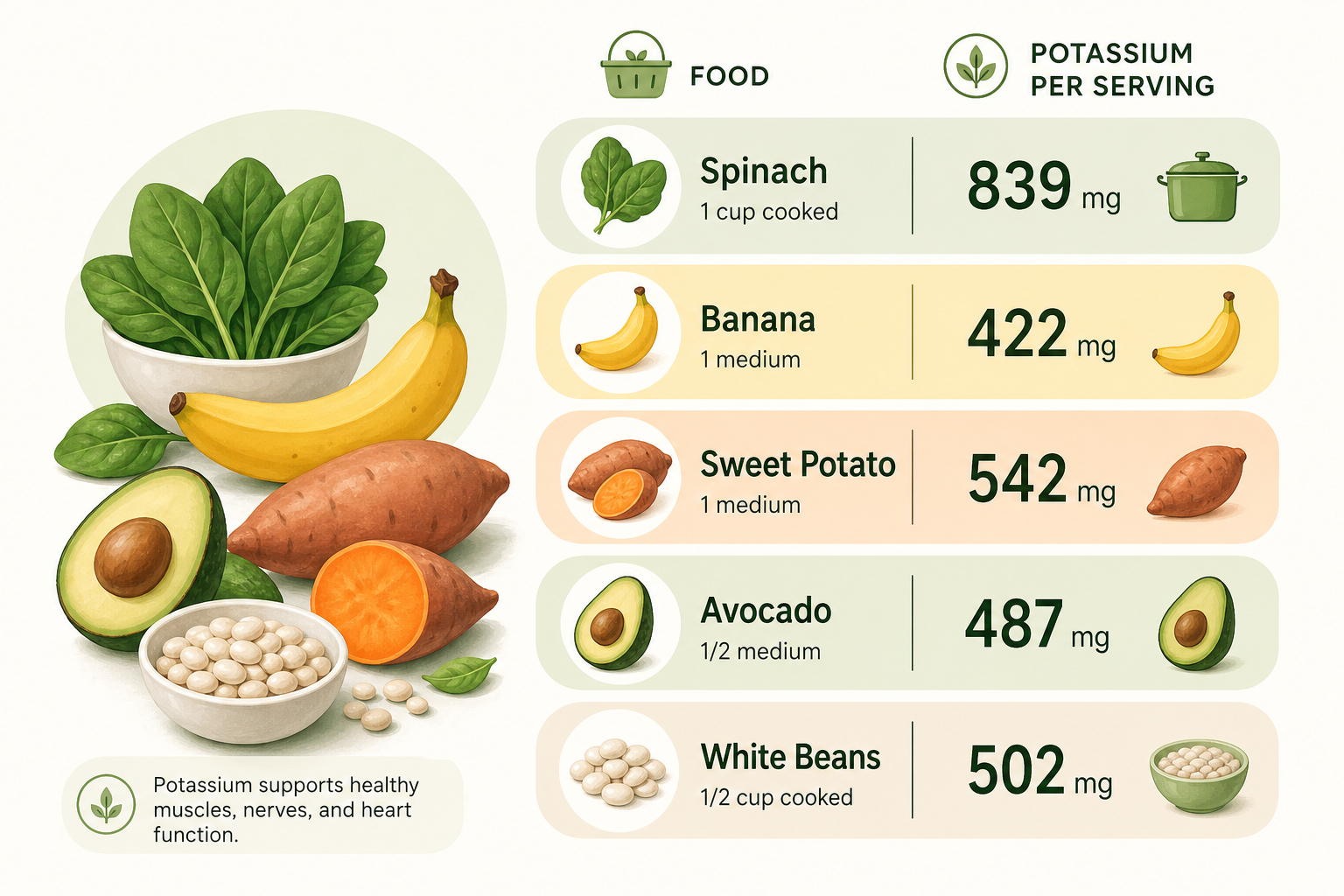
Potassium: The Counter-Balancer Potassium is sodium's gentle counterpart. It helps your body excrete sodium through urine and relaxes the tension in your blood vessel walls. A diet high in potassium is a cornerstone of blood pressure management. Many whole, unprocessed foods are naturally rich in this essential mineral.

Magnesium and Calcium: The Support Team These two minerals are vital for the smooth, regulated contraction and relaxation of blood vessels. Magnesium helps blood vessels dilate, while calcium supports the tightening and releasing process. When your diet provides enough of both, your vascular system can function with more ease and less rigidity.

Real Dietitians, Real Results

Download on the App StoreGet it on Google Play

What Is the DASH Diet? A Simple Guide for Beginners

You may have heard your doctor mention the DASH diet. DASH stands for Dietary Approaches to Stop Hypertension, and it is one of the most researched and recommended eating patterns for heart health. It is not a fad diet but a flexible, sustainable way of eating.

The DASH diet for beginners can be simplified into a few core principles:

  • Emphasize vegetables, fruits, and whole grains.
  • Include fat-free or low-fat dairy products, fish, poultry, beans, nuts, and vegetable oils.
  • Limit foods high in saturated fat, such as fatty meats and full-fat dairy.
  • Dramatically reduce sugar-sweetened beverages and sweets.

It is a nutrient-rich pattern designed to deliver high amounts of potassium, magnesium, and calcium while being lower in sodium and unhealthy fats.

Specific Foods That Help Lower Blood Pressure

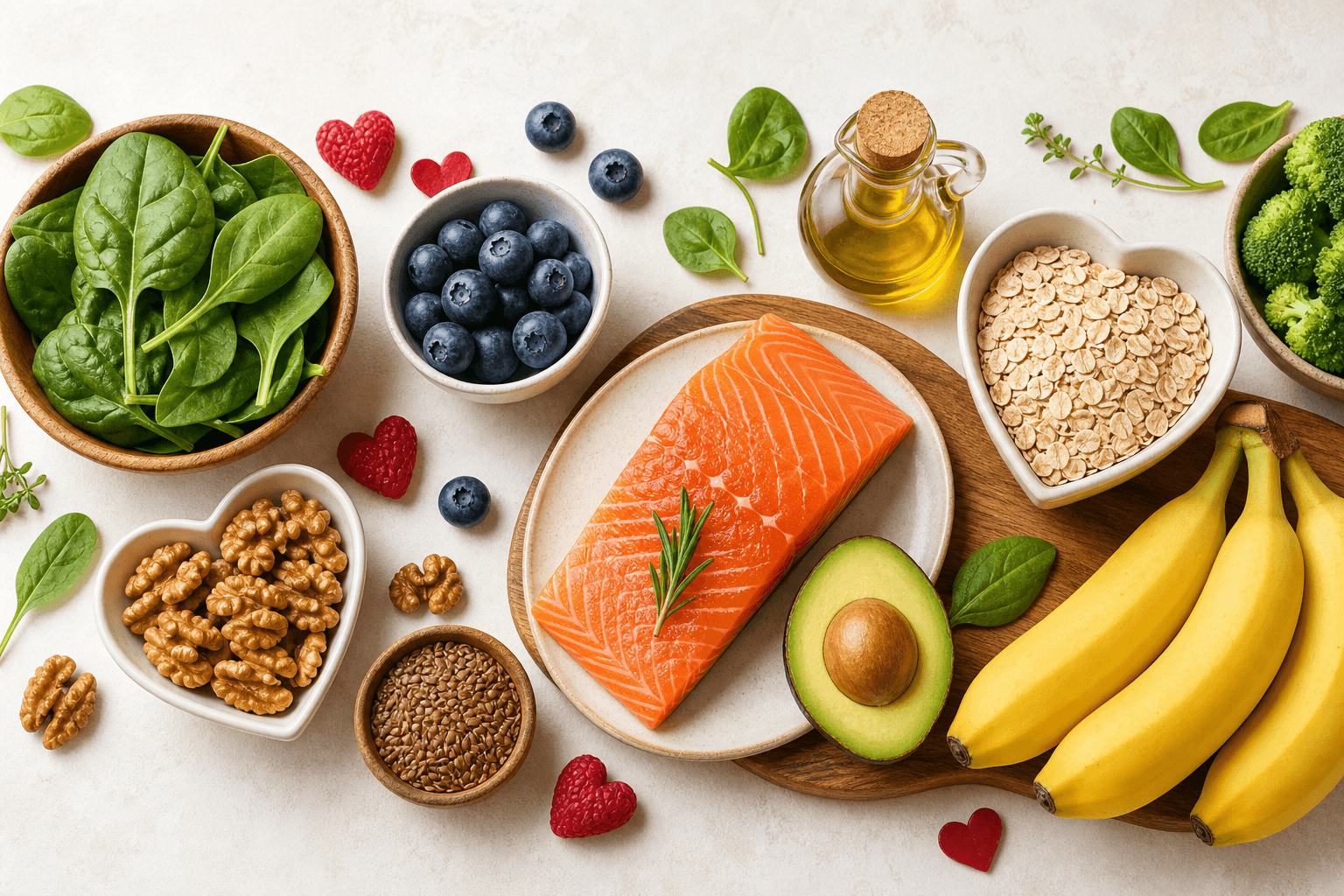
Incorporating these specific foods into your daily and weekly routine is a delicious way to support your heart health. When people search for 'what foods lower blood pressure', these are the evidence-backed stars.

Real Dietitians, Real Results

Download on the App StoreGet it on Google Play

Leafy Greens: The Potassium Powerhouses

Spinach, kale, and Swiss chard are packed with potassium, which helps your kidneys flush out more sodium. A simple salad, a handful of spinach in your morning smoothie, or sauteed chard as a dinner side can make a real impact.

Berries: Nature's Sweet Antioxidants

Blueberries and strawberries are particularly rich in flavonoid antioxidants called anthocyanins. Studies have linked regular berry consumption to a reduced risk of hypertension. Enjoy them fresh or frozen in oatmeal, yogurt, or on their own.

Fatty Fish: The Omega-3 Source

Salmon, mackerel, and sardines are excellent sources of omega-3 fatty acids, which help reduce inflammation and lower levels of blood-vessel-constricting compounds. Aim for two servings of fatty fish per week.

Oats and Whole Grains

A warm bowl of oatmeal is more than comfort food. Oats contain a type of fiber called beta-glucan, which has been shown to lower both systolic and diastolic blood pressure. Swap refined white bread and pasta for quinoa, brown rice, and whole-wheat versions.

Nuts and Seeds

Unsalted pistachios, walnuts, and flaxseeds provide magnesium, potassium, and healthy fats. A small handful of nuts or a sprinkle of seeds on your salad is an easy, crunchy habit to build.

Low-Fat Dairy

Yogurt and milk are key sources of calcium and protein. The DASH diet recommends two to three servings per day. The calcium in dairy plays a direct role in helping blood vessels tighten and relax properly.

Bananas

This portable fruit is famously high in potassium, making it a perfect on-the-go snack that directly helps counter sodium's effects.

Beets

Beets and beet juice are high in dietary nitrates, which the body converts to nitric oxide. This molecule helps blood vessels relax and dilate, potentially lowering blood pressure within hours of consumption.

Garlic

Garlic stimulates the production of nitric oxide and has been used for centuries as a natural remedy. Both raw and cooked garlic can support vascular health, and it adds immense flavor without needing salt.

Olive Oil

A pillar of the Mediterranean diet, extra virgin olive oil is rich in polyphenols, which are antioxidants that fight inflammation and help protect the lining of your blood vessels.

Dark Chocolate

Good news for chocolate lovers: dark chocolate with a high cocoa content (70-85%) contains flavonoids that can help dilate blood vessels. Enjoy a small square as a mindful treat, not the whole bar.
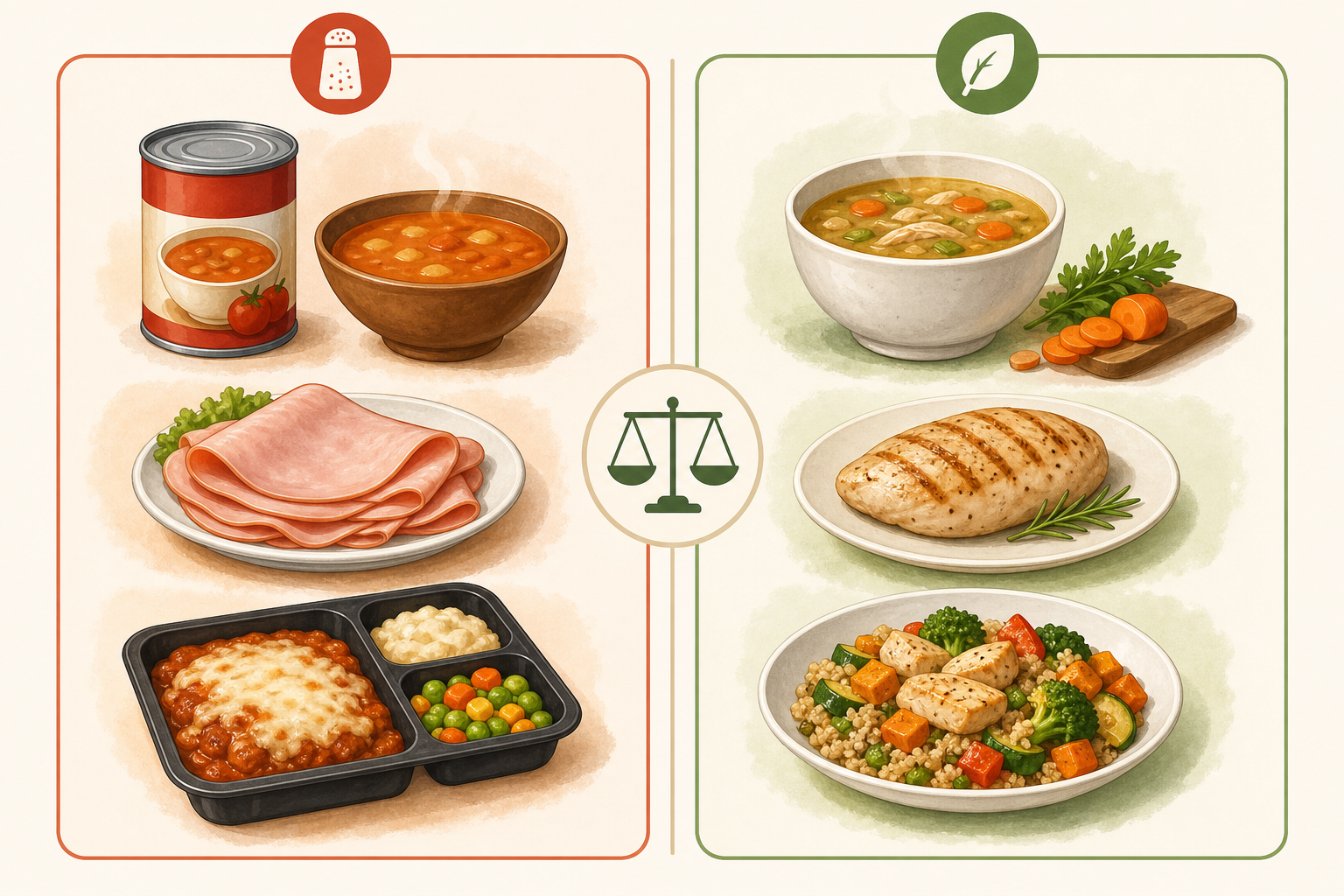
A simple infographic comparing high-sodium processed foods like canned soup and deli meats with lower-sodium alternatives like homemade soup and fresh poultry

High Blood Pressure Foods to Avoid

Knowing what to limit is just as important as knowing what to add. The goal is not perfection, but a gradual shift toward whole foods.

  • High-Sodium Processed Foods: Frozen dinners, instant noodles, and heavily processed snacks are often salt bombs.
  • Restaurant Meals: Even dishes that don't taste salty can be loaded with sodium. Request sauces and dressings on the side.
  • Canned Soups and Vegetables: Look for "low-sodium" or "no-salt-added" versions, or rinse regular canned beans and vegetables to reduce sodium by up to 40%.
  • Deli Meats and Cured Meats: Bacon, ham, salami, and turkey slices are preserved with large amounts of salt.
  • Excessive Alcohol: Drinking more than one drink a day for women can raise blood pressure and reduce the effectiveness of medications.

Practical Meal Ideas and a Sample Day of Eating

Planning your meals can take the guesswork out of a busy week. Here is what a balanced, blood-pressure-friendly day might look like.

Real Dietitians, Real Results

Download on the App StoreGet it on Google Play

Breakfast: Rolled oats made with low-fat milk, topped with a handful of blueberries and a tablespoon of ground flaxseeds.

Lunch: A large spinach salad with grilled salmon, sliced avocado, cherry tomatoes, and a simple olive oil and lemon dressing.

Snack: A small banana and a handful of unsalted almonds.

Real Dietitians, Real Results

Download on the App StoreGet it on Google Play

Dinner: Herb-roasted chicken breast with a side of quinoa and roasted beets, seasoned with garlic and rosemary.

Treat: One square of 70% dark chocolate with a cup of herbal tea.

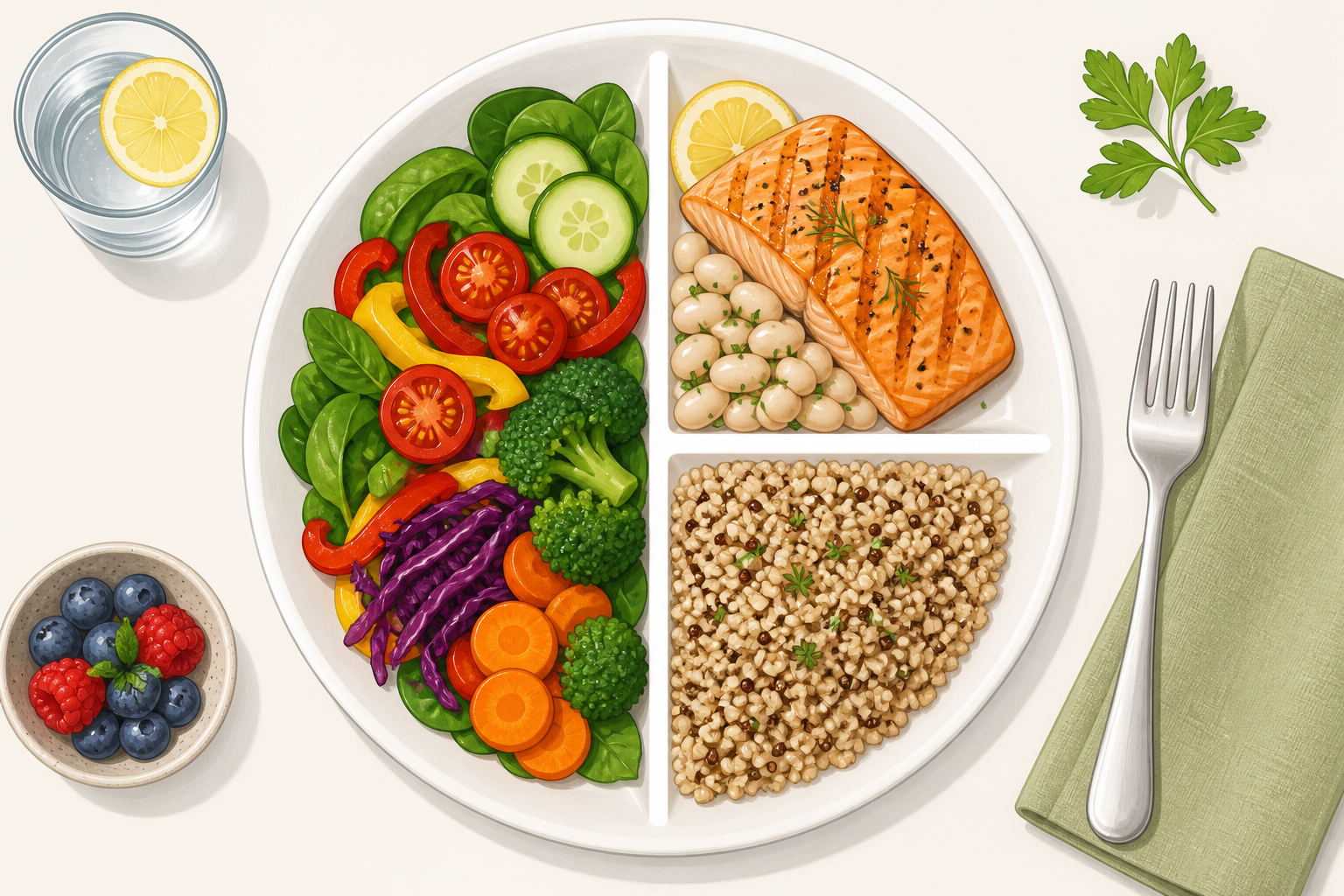
An illustrated balanced plate showing half filled with colorful vegetables, one quarter with lean protein like salmon, and one quarter with whole grains like brown rice

Real Dietitians, Real Results

Download on the App StoreGet it on Google Play

Sodium Reduction Strategies That Feel Manageable

Reducing sodium does not mean giving up flavor. It is about retraining your palate and building new habits, one step at a time.

  • Cook more at home. This is the single most powerful change, giving you complete control over the salt in your food.
  • Use herbs and spices generously. Garlic powder, onion powder, smoked paprika, cumin, fresh basil, and lemon zest add incredible depth without a grain of salt.
  • Read every label. The % Daily Value for sodium is your quick guide. 5% or less is low; 20% or more is high.
  • Choose "low-sodium" or "no-salt-added" versions of broths, canned tomatoes, and beans.
  • Rethink your condiments. Soy sauce, ketchup, and salad dressings are often hidden sodium sources. Explore flavored vinegars and infused olive oils.

Lifestyle Factors That Complement Dietary Changes

Food is a powerful foundation, but it works best as part of a holistic approach. Your blood pressure responds to how you live, not just what you eat.

  • Move in ways you enjoy. Moderate activity, like a 30-minute brisk walk most days, can be as effective as some medications in lowering pressure. It is about consistency, not intensity.
  • Prioritize stress management. Chronic stress keeps your body in a state of high alert. Deep breathing, meditation, gentle yoga, or simply listening to music can activate your parasympathetic nervous system and help your vessels relax.
  • Protect your sleep. Sleep is when your blood pressure naturally dips and your body repairs itself. Aim for 7-9 hours of quality, restorative sleep. Inadequate sleep is a risk factor for hypertension.

A gentle chart showing potassium-rich foods like spinach, bananas, sweet potatoes, avocados, and white beans with their potassium content per serving

Real Dietitians, Real Results

Download on the App StoreGet it on Google Play

When to Consult a Healthcare Provider or Registered Dietitian

While this guide provides general evidence-based information, your health journey is uniquely yours. Always consult with your healthcare provider before making significant changes to your diet or lifestyle, especially if you are taking blood pressure medication. A sudden shift in sodium or potassium intake can sometimes interact with medications.

This is where working directly with a registered dietitian can be truly transformative. A dietitian does not just give you a list of foods to eat and avoid. They listen to your story, your preferences, your cooking habits, and your challenges. They help you create a personalized, sustainable plan that fits your real life, not an idealized one.

Unlike generic calorie-tracking apps that offer only automated, one-size-fits-all advice, Nutrista is the first platform that connects you with a large community of international, registered, vetted dietitians who are supported by AI. This means you get the warmth, empathy, and personalized expertise of a real human expert, empowered by the most modern technologies to help you succeed. Nutrista empowers real, local, registered dietitians with artificial intelligence so they can spend less time on paperwork and more time focusing on you, crafting a plan that turns these principles into a delicious, joyful reality.

Real Dietitians, Real Results

Download on the App StoreGet it on Google Play

Please remember to consult with a qualified professional for guidance tailored specifically to your health needs. You deserve support that sees you as a whole person, and a registered dietitian can provide exactly that.

Real Dietitians, Real Results

Download on the App StoreGet it on Google Play
#high blood pressure#heart healthy diet#DASH diet

Others Viewed