




The Dietitian Dating Disaster: Why 97% of People Pick the Wrong Expert 😱
Stop dating the wrong dietitians! 💔 You're wasting thousands on 'Instagram experts' who ghost you. Discover why 97% fail and how Nutrista AI is the secret weapon you need. 🚀

If you have been told your blood pressure is elevated, you are not alone. High blood pressure, or hypertension, affects millions of people and often develops quietly over years without obvious symptoms. Receiving this news can feel overwhelming, especially when you are already juggling work, family, and countless other responsibilities.
The encouraging truth is that what you eat has a profound impact on your blood pressure. In fact, diet is one of the most powerful tools available for managing hypertension naturally. You do not need to overhaul your entire life overnight. Small, consistent changes to your meals and snacks can lead to meaningful improvements in your numbers and how you feel every day.
When your doctor reads your blood pressure, you hear two numbers. The top number (systolic) measures pressure when your heart beats, and the bottom number (diastolic) measures pressure when your heart rests between beats. A normal reading is typically below 120/80 mmHg. Consistently higher numbers indicate your heart is working harder than it should.
Over time, this extra strain damages blood vessel walls and forces your heart to pump with greater effort. This increases your risk of heart disease, stroke, and kidney problems. The foods you eat directly influence this process by affecting blood vessel flexibility, blood volume, and inflammation throughout your body.
Your daily food choices can either support healthy blood pressure or contribute to the problem. The good news is that you have significant control over this.
Research has identified several key nutrients that help regulate blood pressure. Understanding why these nutrients matter can help you make informed choices at the grocery store.
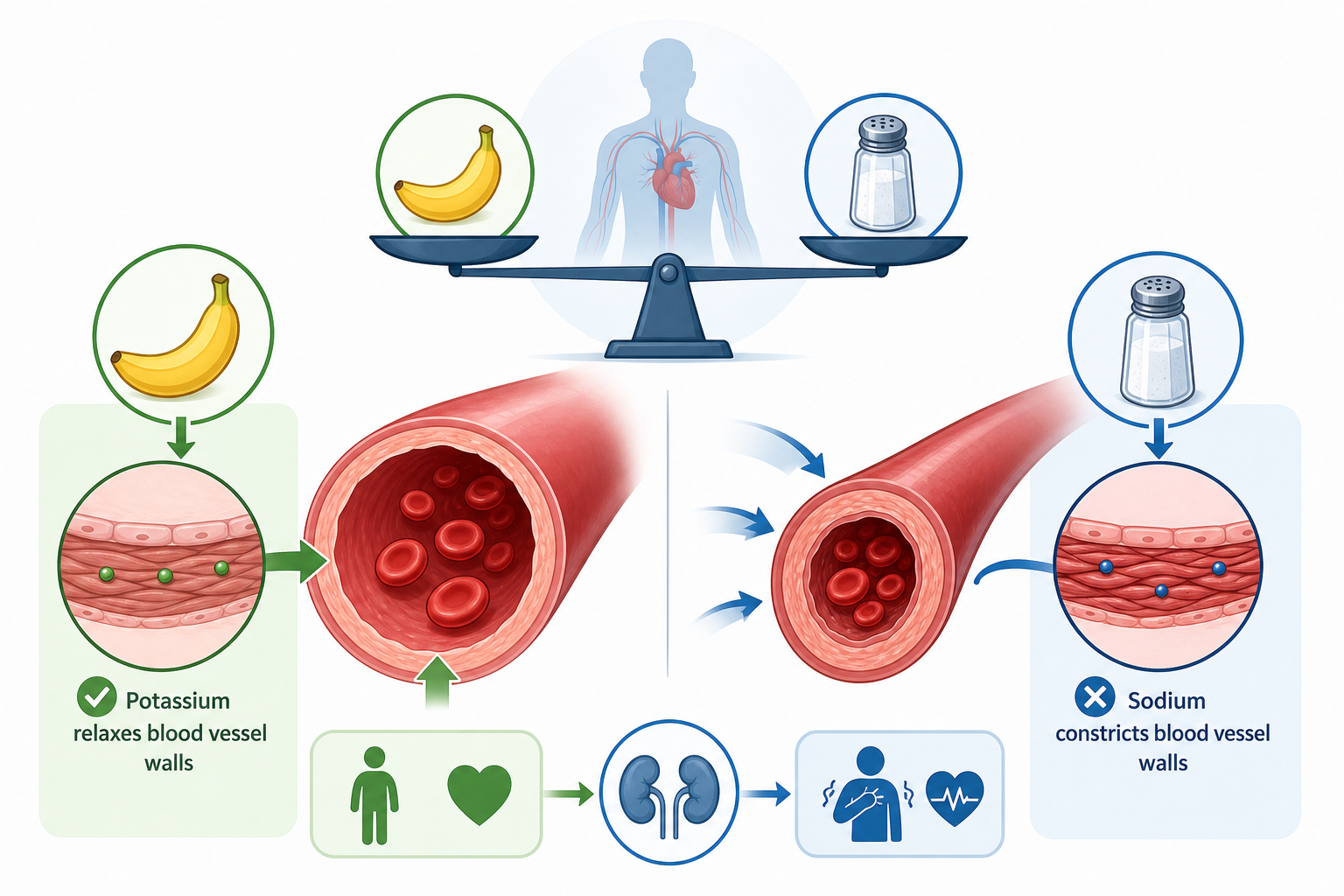
Potassium helps your body balance sodium levels. When you consume enough potassium, your kidneys excrete more sodium through urine, which helps lower blood pressure. Most adults need 4,700 mg daily, but many fall short.
Magnesium helps relax blood vessel walls, allowing blood to flow more freely. This mineral also supports hundreds of other bodily functions. A deficiency can contribute to blood vessel constriction.
Fiber supports overall heart health by helping manage cholesterol levels and promoting healthy weight maintenance. Soluble fiber, in particular, has been linked to improved blood pressure readings.
Omega-3 fatty acids reduce inflammation throughout the body, including in blood vessels. They also help decrease the production of compounds that constrict blood vessels.
Antioxidants protect blood vessel walls from oxidative damage. Compounds like flavonoids and anthocyanins improve the function of cells lining your blood vessels.

Incorporating specific foods into your diet can make a noticeable difference. Here are the most research-backed options and why they work.
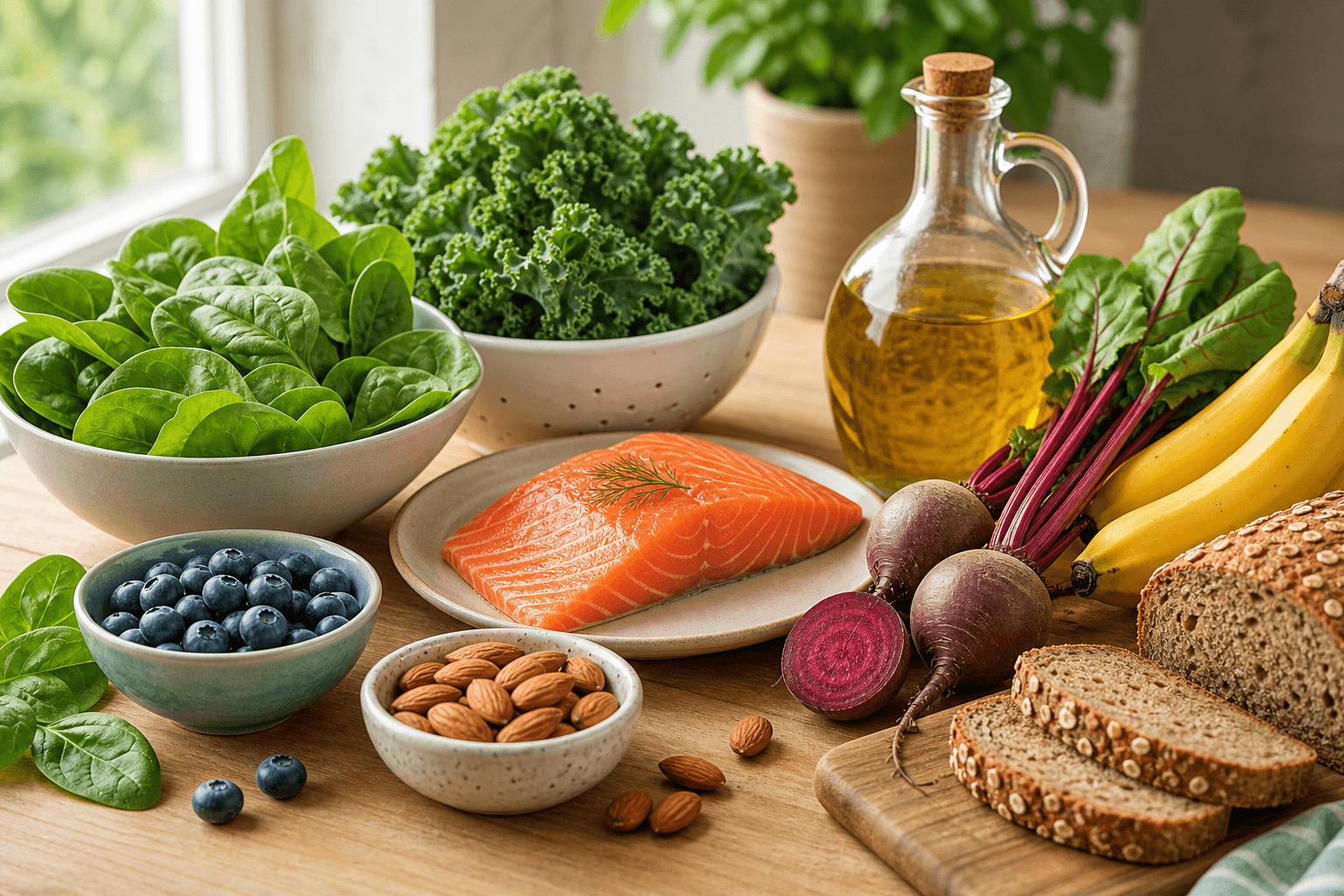
Spinach, kale, collard greens, and Swiss chard are nutritional powerhouses for blood pressure management. They are rich in potassium and contain natural nitrates that your body converts to nitric oxide, a compound that relaxes blood vessels.
Aim for at least one serving of leafy greens daily. Add spinach to smoothies, sauté kale as a side dish, or build salads with mixed greens as your base.
Blueberries and strawberries contain anthocyanins, the compounds responsible for their vibrant colors. These antioxidants have been shown to reduce inflammation and improve blood vessel function.
Fresh or frozen berries work equally well. Add them to oatmeal, yogurt, or enjoy them as a naturally sweet snack.
Oatmeal provides soluble fiber and magnesium, making it an ideal breakfast choice. Whole grains like quinoa, brown rice, and barley offer similar benefits.
Starting your day with oatmeal is a simple habit that supports healthy blood pressure. Choose plain oats and add your own fruit and nuts rather than pre-sweetened packets.
Salmon, mackerel, sardines, and trout deliver substantial omega-3 fatty acids. The American Heart Association recommends eating fatty fish at least twice weekly for cardiovascular benefits.
If you do not eat fish, consider discussing omega-3 supplementation with your healthcare provider.
Calcium plays a role in blood pressure regulation. Low-fat milk, yogurt, and fortified plant-based alternatives provide calcium along with other beneficial nutrients.
Choose unsweetened yogurt and add your own fruit for a versatile, blood pressure-friendly snack or breakfast.
Almonds, walnuts, flaxseeds, and chia seeds offer magnesium, healthy fats, and fiber. A small handful makes a satisfying snack that supports heart health.
Keep portion sizes to about one ounce daily, as nuts are calorie-dense.
Lentils, black beans, chickpeas, and other legumes provide fiber, potassium, and plant-based protein. They are affordable, versatile, and excellent for blood pressure management.
Add beans to soups, salads, or prepare them as a main dish with vegetables and whole grains.
These aromatic vegetables contain sulfur compounds that support blood vessel health. Some research suggests garlic may help lower blood pressure modestly over time.
Use fresh garlic and onions generously in cooking to add flavor without added sodium.
Extra virgin olive oil contains monounsaturated fats and polyphenols that protect blood vessels. It is a staple of the Mediterranean diet, which has strong evidence for heart health benefits.
Use olive oil for cooking and salad dressings instead of butter or highly processed oils.
Bananas are famously rich in potassium. Citrus fruits provide potassium along with vitamin C, an antioxidant that supports blood vessel health.
Keep a bowl of fresh fruit visible as a reminder to choose these natural, blood pressure-friendly options.
Knowing what to eat is only half the equation. Understanding what to limit matters just as much.
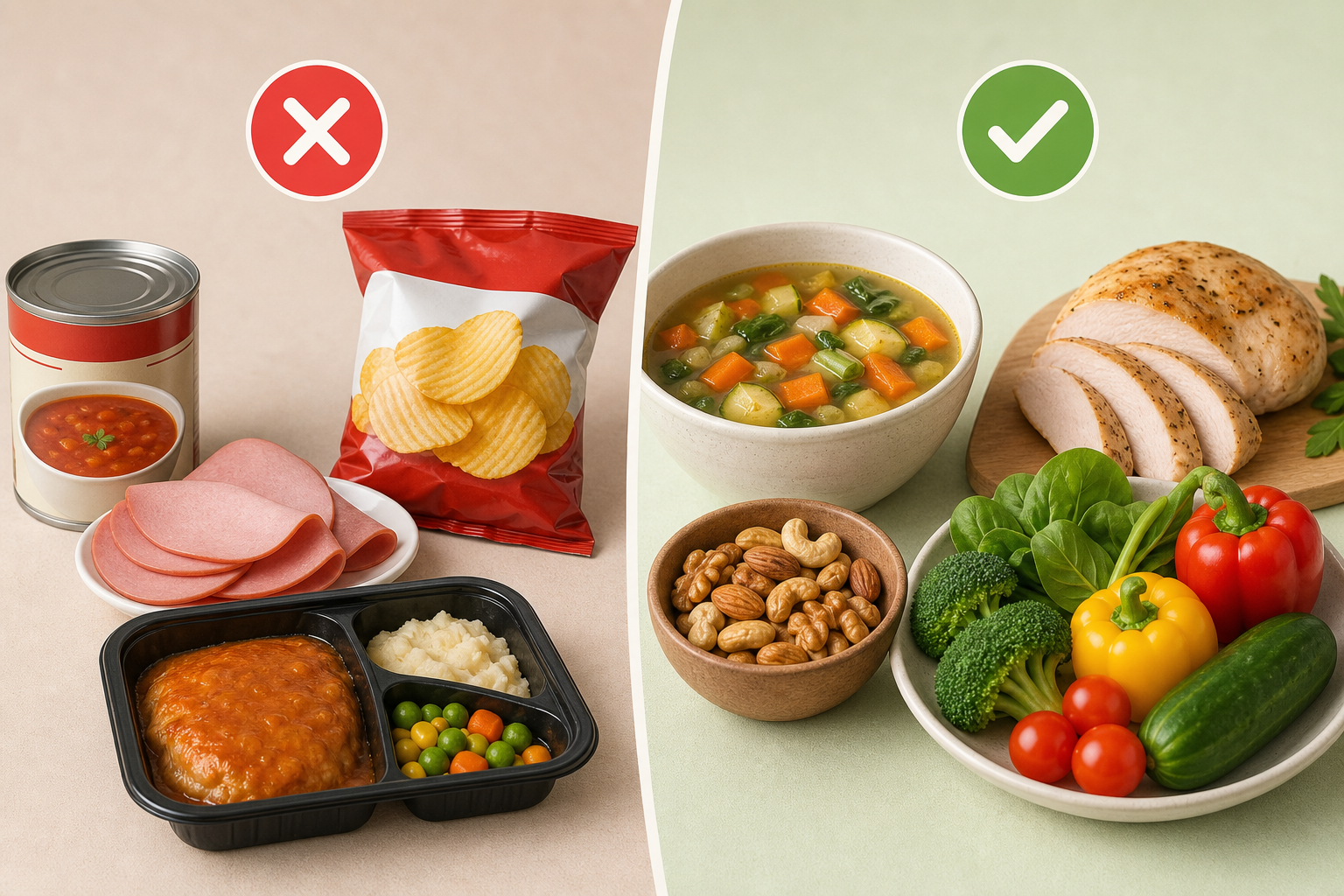
The majority of sodium in most diets comes from processed foods rather than the salt shaker. Canned soups, frozen meals, snack crackers, and packaged mixes often contain shocking amounts of hidden sodium.
Read labels carefully. A product with more than 20% of your daily sodium limit per serving is considered high in sodium.
Bacon, sausage, hot dogs, deli meats, and salami are typically very high in sodium and often contain preservatives that may contribute to inflammation.
Choose fresh, unprocessed meats or plant-based proteins most of the time.
Restaurant meals frequently contain two or three times the sodium you would use at home. Even seemingly healthy options can be loaded with hidden salt.
When eating out, ask for sauces on the side, request that your dish be prepared with less salt, and take half your meal home for another day.
While moderate alcohol consumption may have some cardiovascular benefits, excessive drinking raises blood pressure significantly. If you drink, limit yourself to one drink per day if you are a woman or two if you are a man.
Sugar does not directly raise blood pressure, but it contributes to weight gain and inflammation, both of which can worsen hypertension. Limit sugary beverages, desserts, and processed snacks.
The American Heart Association recommends no more than 2,300 mg of sodium per day, with an ideal limit of 1,500 mg for most adults, especially those with high blood pressure.
Many people are surprised to learn where sodium hides in their diet:
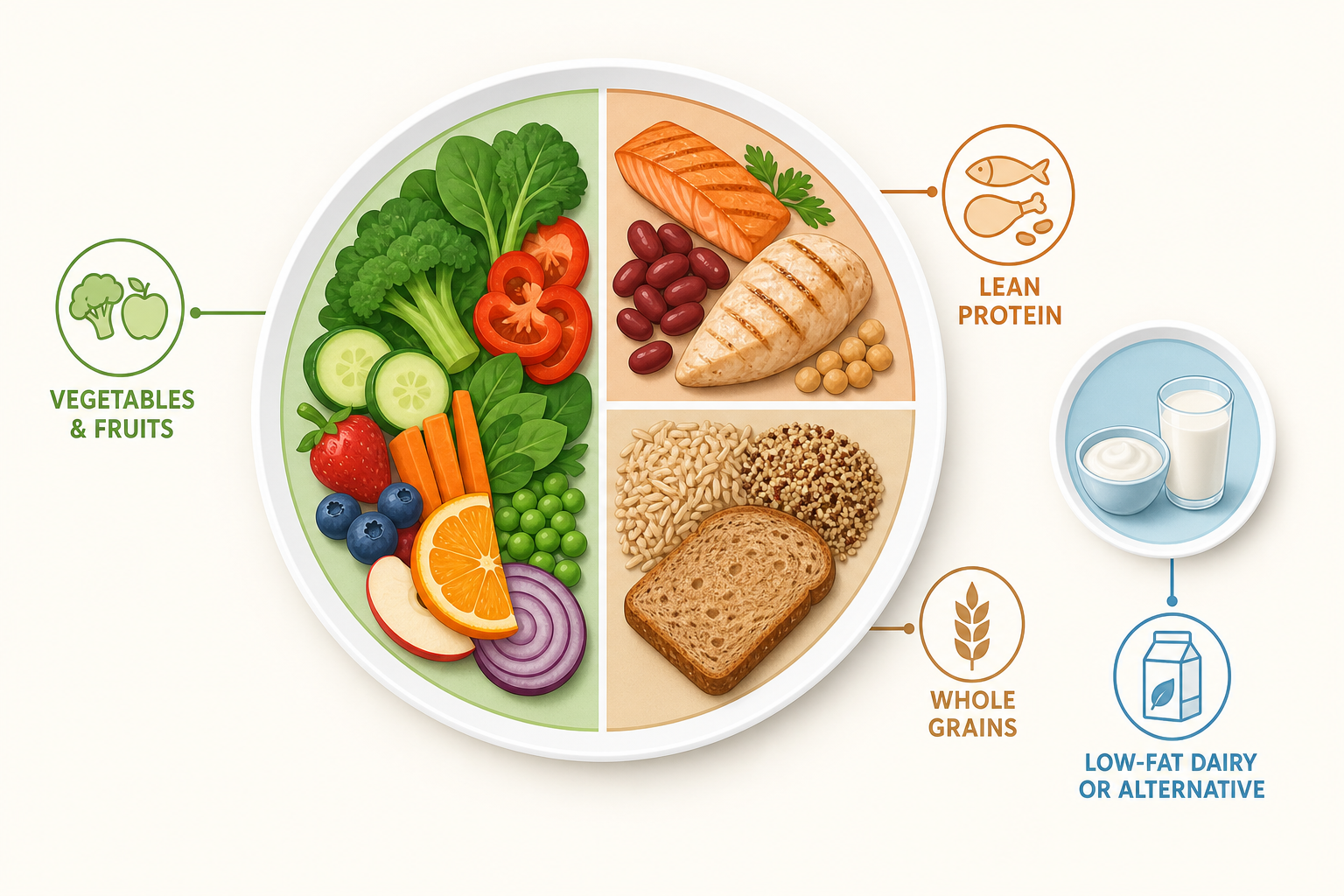
Putting this all together, here is what a day of eating might look like.
Breakfast: Bowl of oatmeal made with low-fat milk or fortified almond milk, topped with fresh blueberries, a tablespoon of ground flaxseed, and a sprinkle of cinnamon.
Lunch: Spinach salad with grilled salmon, cherry tomatoes, cucumber, and a quarter avocado, dressed with olive oil and lemon juice. A side of fresh fruit.
Dinner: Brown rice bowl with black beans, roasted sweet potato, sautéed kale with garlic, and a drizzle of olive oil.
Snacks: A small handful of unsalted almonds, a banana, or low-fat yogurt with strawberries.

While nutrition is powerful, other lifestyle habits also support healthy blood pressure.
Regular physical activity strengthens your heart, allowing it to pump with less effort. Aim for at least 150 minutes of moderate activity per week, such as brisk walking.
Stress management matters because chronic stress keeps your body in a state of alert that can elevate blood pressure. Deep breathing, meditation, gentle yoga, or simply taking time for activities you enjoy can help.
Adequate sleep allows your body to regulate stress hormones and repair itself. Most adults need seven to nine hours of quality sleep nightly.
Maintaining a healthy weight reduces the workload on your heart. Even modest weight loss can improve blood pressure readings.
This article provides general guidance, but your body and health history are unique. Work with your healthcare provider to monitor your blood pressure and determine the best approach for your situation.
Consider consulting a registered dietitian who can create a personalized eating plan that fits your lifestyle, preferences, and health goals. A dietitian can help you navigate challenges like dining out, managing multiple health conditions, or adapting family meals.
You do not have to figure this out alone. Professional support can make the journey easier and more effective.
Managing high blood pressure through diet is not about perfection or deprivation. It is about making consistent, sustainable choices that support your heart health over time. Every serving of vegetables, every home-cooked meal, and every small step toward reducing sodium matters.
Start where you are. Choose one or two changes to implement this week, and build from there. Your future self will thank you for the investment you make in your health today.
If you would like personalized guidance from a qualified professional, Nutrista connects you with registered dietitians who specialize in heart health and can create a plan tailored to your needs. Unlike generic calorie-tracking apps that only offer AI-generated advice, Nutrista empowers real, local, registered dietitians with artificial intelligence so they can provide you with the most modern, personalized support available.
This article is for informational purposes only and does not replace medical advice. Always consult your healthcare provider before making significant changes to your diet or lifestyle.

Stop dating the wrong dietitians! 💔 You're wasting thousands on 'Instagram experts' who ghost you. Discover why 97% fail and how Nutrista AI is the secret weapon you need. 🚀

Stop wasting your Sundays! 😱 Discover why your meal prep keeps failing and how Nutrista AI is fixing the broken $700 billion grocery industry for good. 🥗🔥

91% of supplement sales vanish into thin air because of manual friction. Stop losing money and learn how Nutrista AI is revolutionizing the $10B nutrition industry forever. 😱🔥
Professional nutritionists ready to help you