



fatty liver diet

Fatty Liver Diet: What to Eat and Avoid for NAFLD

Nutrista Team
Share
Fatty Liver Diet: What to Eat and Avoid for NAFLD

Fatty Liver Diet: What to Eat and Avoid for NAFLD

Learning that you have fatty liver disease can feel overwhelming, especially when you are already managing other health concerns. You might be wondering what this diagnosis means for your daily life and whether there is anything you can do about it. The good news is that non-alcoholic fatty liver disease (NAFLD) is often reversible in its early stages, and the food choices you make each day can play a powerful role in healing your liver.

What is NAFLD and Why Diet Matters

Non-alcoholic fatty liver disease occurs when excess fat builds up in liver cells, not due to heavy alcohol consumption, but often as a result of metabolic factors. This condition is increasingly common, affecting approximately 25-30% of adults worldwide, with higher rates among those managing type 2 diabetes, high cholesterol, or obesity.

Your liver is remarkably resilient. It performs over 500 vital functions, from filtering toxins to producing proteins and storing energy. When fat accumulates in liver cells, it can trigger inflammation and, over time, lead to more serious liver damage. The encouraging news is that the liver can regenerate and repair itself when given the right support.

Real Dietitians, Real Results

Download on the App StoreGet it on Google Play

Diet is considered a cornerstone of NAFLD treatment. Unlike some conditions that require medication as the primary intervention, fatty liver responds exceptionally well to nutritional changes. Research consistently shows that losing just 5-10% of your body weight through diet and lifestyle modifications can significantly reduce liver fat and inflammation.

Understanding what to eat for fatty liver can empower you to take control of your health. Rather than feeling restricted, think of this as an opportunity to nourish your body with foods that support your liver's natural healing processes.

Foods That Help Fatty Liver: Your Liver-Supporting Pantry

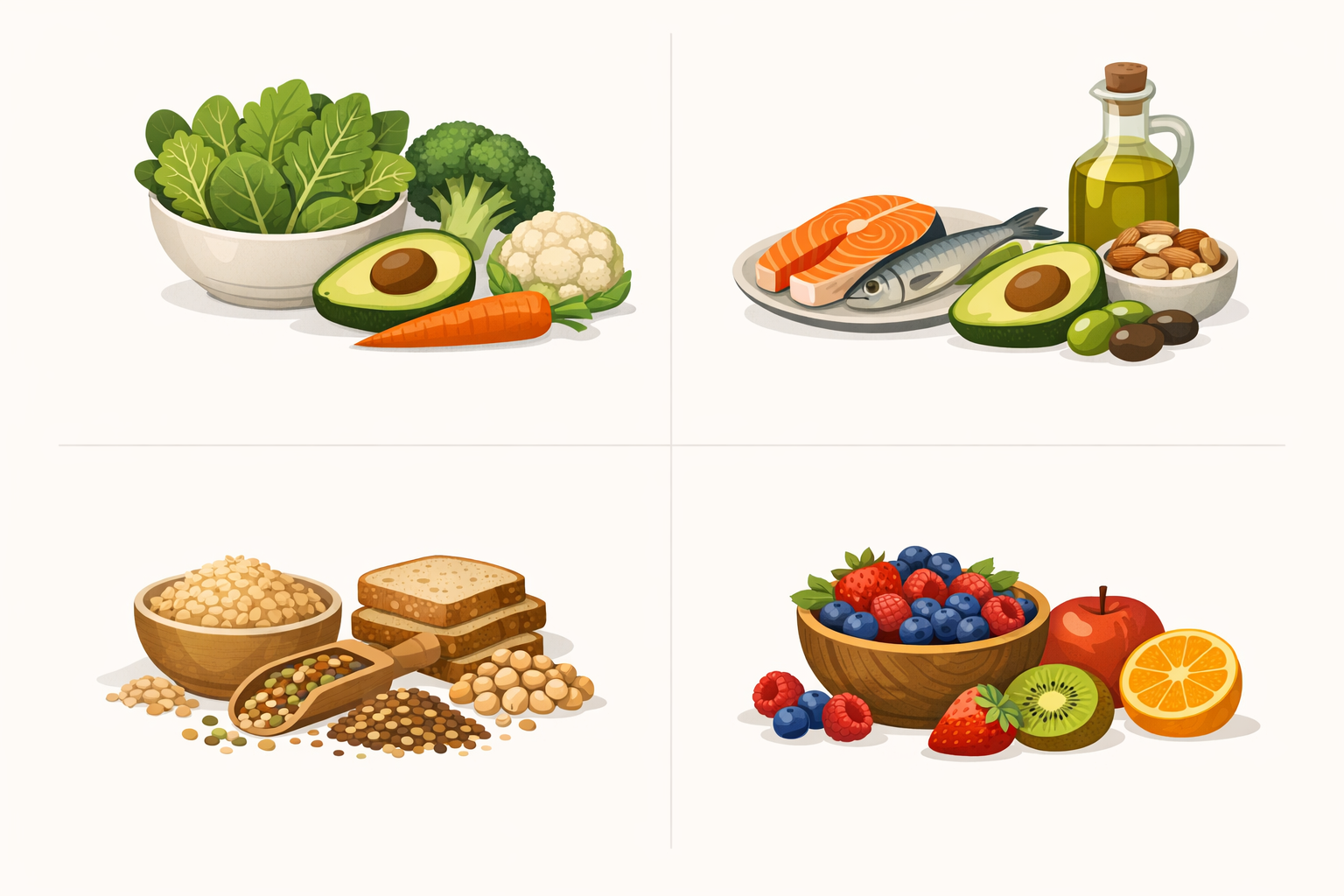
A simple infographic-style illustration showing foods that support liver health grouped by category: leafy greens and vegetables, fatty fish and healthy fats, whole grains and legumes, berries and fruits. Clean, minimal design with soft colors. No text.

Real Dietitians, Real Results

Download on the App StoreGet it on Google Play

When building a NAFLD diet plan, focus on incorporating whole, nutrient-dense foods that reduce inflammation, improve insulin sensitivity, and support liver function. Here are the key categories to emphasize:

Leafy Greens and Vegetables

Leafy greens like spinach, kale, and arugula contain chlorophyll and compounds that help neutralize heavy metals and toxins, lightening your liver's workload. Cruciferous vegetables such as broccoli, Brussels sprouts, and cauliflower contain sulforaphane, a compound that supports liver detoxification pathways.

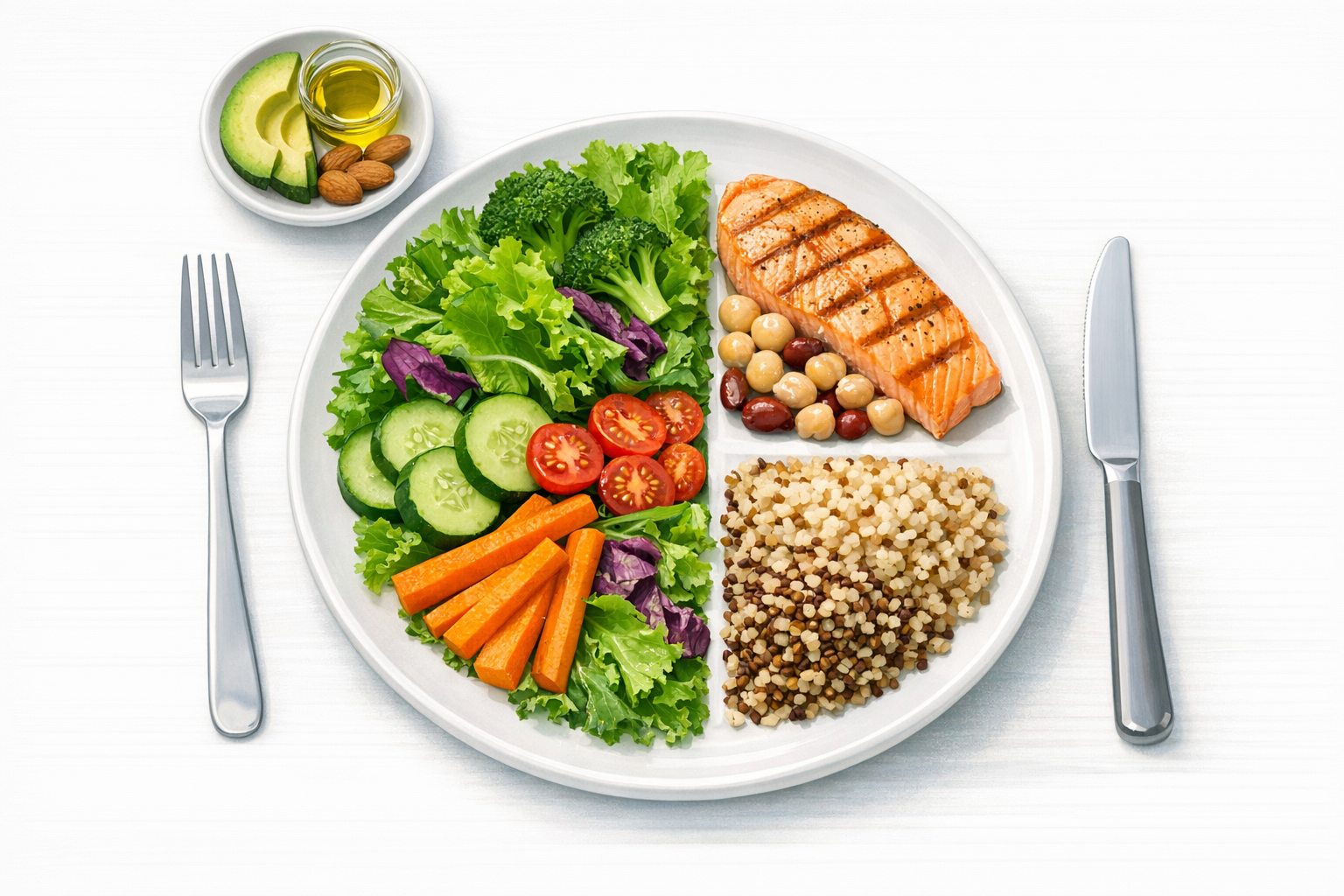
Aim to fill half your plate with non-starchy vegetables at each meal. These foods are low in calories but high in fiber, which helps stabilize blood sugar and promotes gradual, sustainable weight loss.

Real Dietitians, Real Results

Download on the App StoreGet it on Google Play

Fatty Fish and Omega-3 Rich Foods

Salmon, sardines, mackerel, and anchovies are rich in omega-3 fatty acids, which research shows can reduce liver fat and decrease inflammation. Omega-3s help improve insulin sensitivity and support healthy cholesterol levels, addressing multiple aspects of metabolic syndrome often seen alongside NAFLD.

If you do not eat fish, plant-based omega-3 sources include walnuts, chia seeds, flaxseeds, and hemp seeds. Aim for at least two servings of fatty fish per week, or incorporate a tablespoon of ground flaxseed or chia seeds into your daily routine.

Healthy Fats: Olive Oil and Nuts

Extra virgin olive oil contains oleic acid and polyphenol antioxidants that reduce inflammation and improve insulin sensitivity. Studies have shown that Mediterranean-style diets rich in olive oil can significantly reduce liver fat.

Real Dietitians, Real Results

Download on the App StoreGet it on Google Play

Walnuts, almonds, and pistachios provide healthy fats, fiber, and vitamin E, an antioxidant that protects liver cells from oxidative damage. A small handful of nuts daily (about 1 ounce) makes an excellent snack or addition to meals.

Berries and Antioxidant-Rich Fruits

Blueberries, strawberries, raspberries, and blackberries contain anthocyanins and other polyphenols that reduce inflammation and protect liver cells. Unlike fruit juices, whole berries provide fiber that slows sugar absorption.

Other liver-friendly fruits include grapes, which contain resveratrol, and grapefruit, which contains naringenin, both compounds that support liver health. Enjoy 1-2 servings of fruit daily, focusing on whole fruits rather than juices.

Real Dietitians, Real Results

Download on the App StoreGet it on Google Play

Whole Grains and Legumes

Oats, quinoa, brown rice, and barley provide complex carbohydrates and fiber that stabilize blood sugar and support healthy gut bacteria. The fiber in whole grains binds to cholesterol and helps remove it from the body, supporting both liver and cardiovascular health.

Legumes such as lentils, chickpeas, and black beans are excellent plant-based protein sources that also provide fiber and resistant starch, feeding beneficial gut bacteria and improving metabolic health.

Green Tea and Coffee

Green tea contains catechins, particularly EGCG, which studies show can reduce liver fat and inflammation. Coffee, surprisingly, has also been associated with lower rates of liver disease progression, likely due to its antioxidant content.

Real Dietitians, Real Results

Download on the App StoreGet it on Google Play

Enjoy 2-3 cups of green tea daily, or a morning cup of coffee without excessive sugar or cream.

Foods to Limit or Avoid with Fatty Liver

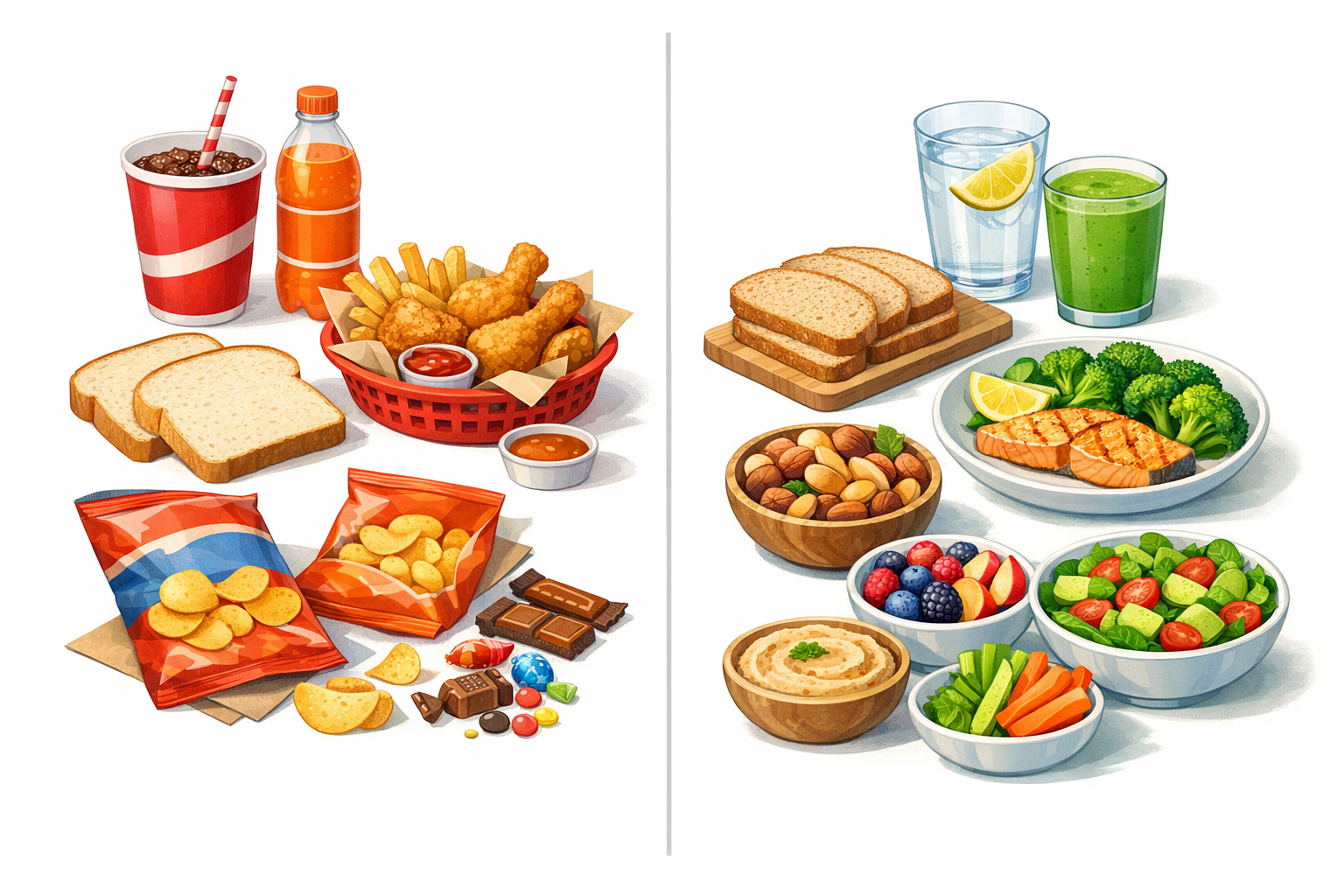
A visual comparison showing foods to limit for fatty liver health on one side (sugary drinks, white bread, fried foods, processed snacks) and healthier alternatives on the other side. Educational, non-judgmental tone in the imagery. Clean illustration style. No text.

Understanding what to avoid is just as important as knowing what to eat. Certain foods place extra stress on your liver and can accelerate fat accumulation.

Real Dietitians, Real Results

Download on the App StoreGet it on Google Play

Sugar-Sweetened Beverages and Added Sugars

Sugary drinks are particularly problematic for fatty liver. The fructose in added sugars is metabolized almost exclusively by the liver, where it can be converted directly into fat. Unlike glucose, which cells throughout the body can use, excess fructose overwhelms the liver's capacity and promotes fat storage.

Soft drinks, fruit juices, sweetened iced teas, and energy drinks should be minimized or avoided. Instead, choose water, unsweetened tea, or sparkling water with a splash of lemon or lime.

Refined Carbohydrates

White bread, white rice, pastries, and pasta cause rapid blood sugar spikes that promote insulin resistance, a key driver of liver fat accumulation. When insulin resistance develops, your liver continues producing fat even when it already has excess stored.

Real Dietitians, Real Results

Download on the App StoreGet it on Google Play

Replace refined grains with whole grain alternatives. Instead of white rice, try brown rice or cauliflower rice. Swap white bread for whole grain or sourdough options.

Fried Foods and Trans Fats

French fries, fried chicken, and other deep-fried foods are high in unhealthy fats and calories, contributing to weight gain and liver stress. Many fried foods also contain trans fats, which increase inflammation and worsen insulin resistance.

Choose baking, grilling, steaming, or sauteing with olive oil instead of deep-frying. When dining out, look for grilled, baked, or roasted options.

Real Dietitians, Real Results

Download on the App StoreGet it on Google Play

Processed Meats

Hot dogs, bacon, sausages, and deli meats are high in sodium, saturated fats, and preservatives like nitrates. Studies have linked processed meat consumption to increased NAFLD risk and progression.

Opt for lean, unprocessed proteins like chicken breast, fish, eggs, or plant-based proteins like beans and lentils.

Alcohol

While NAFLD is not caused by alcohol, drinking can worsen existing liver damage. Your liver prioritizes metabolizing alcohol over other functions, which means fat metabolism slows down when alcohol is present. If you have fatty liver, it is best to limit or avoid alcohol entirely, at least until your liver health improves.

Real Dietitians, Real Results

Download on the App StoreGet it on Google Play

The Mediterranean Diet for Fatty Liver

The Mediterranean diet is widely considered the gold standard for NAFLD nutrition. This eating pattern naturally incorporates all the liver-supporting foods discussed above while limiting processed foods, added sugars, and unhealthy fats.

Research consistently shows that the Mediterranean diet can reduce liver fat by 30-40% in people with NAFLD, even without significant weight loss. This suggests that the quality of food matters as much as calories.

Key Principles of Mediterranean Eating:

  • Prioritize plant foods: Make vegetables, fruits, whole grains, legumes, nuts, and seeds the foundation of your meals
  • Use olive oil as your primary fat: Replace butter and margarine with extra virgin olive oil
  • Eat fish regularly: Aim for at least two servings per week
  • Limit red meat: Choose poultry, fish, or plant proteins most days
  • Minimize processed foods: Cook from scratch when possible
  • Enjoy meals mindfully: Take time to savor your food and eat with others

This approach works because it reduces inflammation, improves insulin sensitivity, and provides the nutrients your liver needs to function optimally.

Real Dietitians, Real Results

Download on the App StoreGet it on Google Play

Practical Meal Ideas for a Liver-Healthy Diet

A simple meal plate diagram showing a balanced liver-healthy meal: half the plate filled with non-starchy vegetables, one quarter with lean protein like fish or legumes, one quarter with whole grains, with a small amount of healthy fats indicated. Clean, educational illustration. No text.

Putting nutrition advice into practice can feel challenging, especially when you are managing a busy life. Here are simple, liver-friendly meal ideas you can prepare without stress.

Breakfast Ideas

  1. Overnight Oats with Berries: Combine 1/2 cup rolled oats with 1 cup unsweetened almond milk, 1 tablespoon ground flaxseed, and a handful of blueberries. Let sit overnight and enjoy cold or warmed.

  2. Veggie Scramble with Whole Grain Toast: Saute spinach, tomatoes, and mushrooms in olive oil. Add 2 beaten eggs and cook until set. Serve with one slice of whole grain toast.

  3. Greek Yogurt Parfait: Layer 1 cup plain Greek yogurt with 1/4 cup berries, 1 tablespoon chopped walnuts, and a sprinkle of cinnamon. Add a drizzle of honey if desired.

Lunch Ideas

  1. Mediterranean Quinoa Bowl: Combine 1/2 cup cooked quinoa with chickpeas, cucumber, cherry tomatoes, olives, and feta cheese. Drizzle with olive oil and lemon juice.

  2. Salmon and Vegetable Salad: Top a bed of mixed greens with 3-4 ounces of grilled salmon, avocado slices, and a variety of colorful vegetables. Dress with olive oil and balsamic vinegar.

  3. Lentil Soup with Whole Grain Bread: Prepare a simple lentil soup with carrots, celery, onions, and spinach. Serve with one slice of whole grain bread.

Dinner Ideas

  1. Baked Salmon with Roasted Vegetables: Season a salmon fillet with herbs and lemon. Roast alongside broccoli, bell peppers, and zucchini at 400°F for 20 minutes. Serve with a small portion of brown rice.

  2. Chicken and Vegetable Stir-Fry: Saute chicken breast strips with broccoli, snap peas, carrots, and ginger in olive oil. Serve over cauliflower rice or a small portion of brown rice.

  3. Stuffed Bell Peppers: Fill halved bell peppers with a mixture of lean ground turkey, quinoa, diced tomatoes, and herbs. Bake at 375°F for 30-35 minutes.

Healthy Snack Options for Liver Health

Smart snacking can help stabilize blood sugar and prevent overeating at meals. Here are 5-6 liver-friendly snack options:

Real Dietitians, Real Results

Download on the App StoreGet it on Google Play
  • A small handful of almonds or walnuts (about 12-15 nuts) provides healthy fats and vitamin E
  • Carrot and cucumber sticks with hummus offers fiber and plant-based protein
  • Apple slices with 1 tablespoon almond butter combines fiber with healthy fats
  • A hard-boiled egg with cherry tomatoes provides protein and antioxidants
  • Greek yogurt with berries offers protein and antioxidants in one simple snack
  • Edamame (steamed soybeans) provides plant-based protein and fiber

Lifestyle Factors Beyond Diet

While nutrition is crucial, other lifestyle factors also influence liver health:

Physical activity helps improve insulin sensitivity and promotes fat burning. Aim for at least 150 minutes of moderate-intensity activity per week, such as brisk walking, swimming, or cycling. Even 10-minute walks after meals can help stabilize blood sugar.

Weight management plays a significant role in NAFLD. Losing 5-10% of your body weight can substantially reduce liver fat. Focus on gradual, sustainable changes rather than crash diets, which can actually worsen fatty liver by promoting rapid fat release.

Real Dietitians, Real Results

Download on the App StoreGet it on Google Play

Quality sleep supports metabolic health. Poor sleep disrupts hormones that regulate appetite and blood sugar, potentially worsening insulin resistance. Aim for 7-9 hours of quality sleep each night.

Stress management matters too. Chronic stress raises cortisol levels, which can increase blood sugar and promote fat storage around the liver. Consider incorporating relaxation practices like deep breathing, gentle yoga, or meditation.

When to Consult a Healthcare Provider

If you have been diagnosed with NAFLD, working with a registered dietitian can make a significant difference in your outcomes. A dietitian can help you create a personalized NAFLD diet plan that accounts for your food preferences, lifestyle, and any other health conditions you may be managing.

Real Dietitians, Real Results

Download on the App StoreGet it on Google Play

Consider seeking professional guidance if:

  • You are unsure how to translate nutrition recommendations into practical meals
  • You have multiple health conditions that require careful dietary balancing
  • You struggle with sustainable weight management
  • Your liver enzymes remain elevated despite lifestyle changes

Personalized guidance from a qualified dietitian is invaluable for learning how to reverse fatty liver naturally while still enjoying food and maintaining a balanced life.

Taking the Next Step

Managing fatty liver disease through diet is not about deprivation or complicated rules. It is about nourishing your body with foods that support healing and making sustainable changes that fit your life. Start with small steps: add more vegetables to your meals, swap refined grains for whole grains, and include fatty fish in your weekly routine.

Every positive choice you make supports your liver's ability to heal. Progress, not perfection, is the goal.

Real Dietitians, Real Results

Download on the App StoreGet it on Google Play

If you are looking for personalized support, consider working with a registered dietitian who can create a plan tailored to your specific needs. Nutrista connects people with qualified dietitians who can provide individualized guidance for managing NAFLD and related conditions. Unlike generic calorie-tracking apps that offer only automated recommendations, Nutrista empowers real, vetted dietitians with advanced technology so they can give you the most current, evidence-based support. You deserve guidance from a real person who understands your unique situation.

Remember to consult with your healthcare provider before making significant dietary changes, especially if you are managing other health conditions or taking medications. Your liver has an remarkable capacity for healing, and with the right support, you can take meaningful steps toward better health.

Real Dietitians, Real Results

Download on the App StoreGet it on Google Play
#fatty liver diet#NAFLD nutrition#liver healthy foods

Others Viewed