

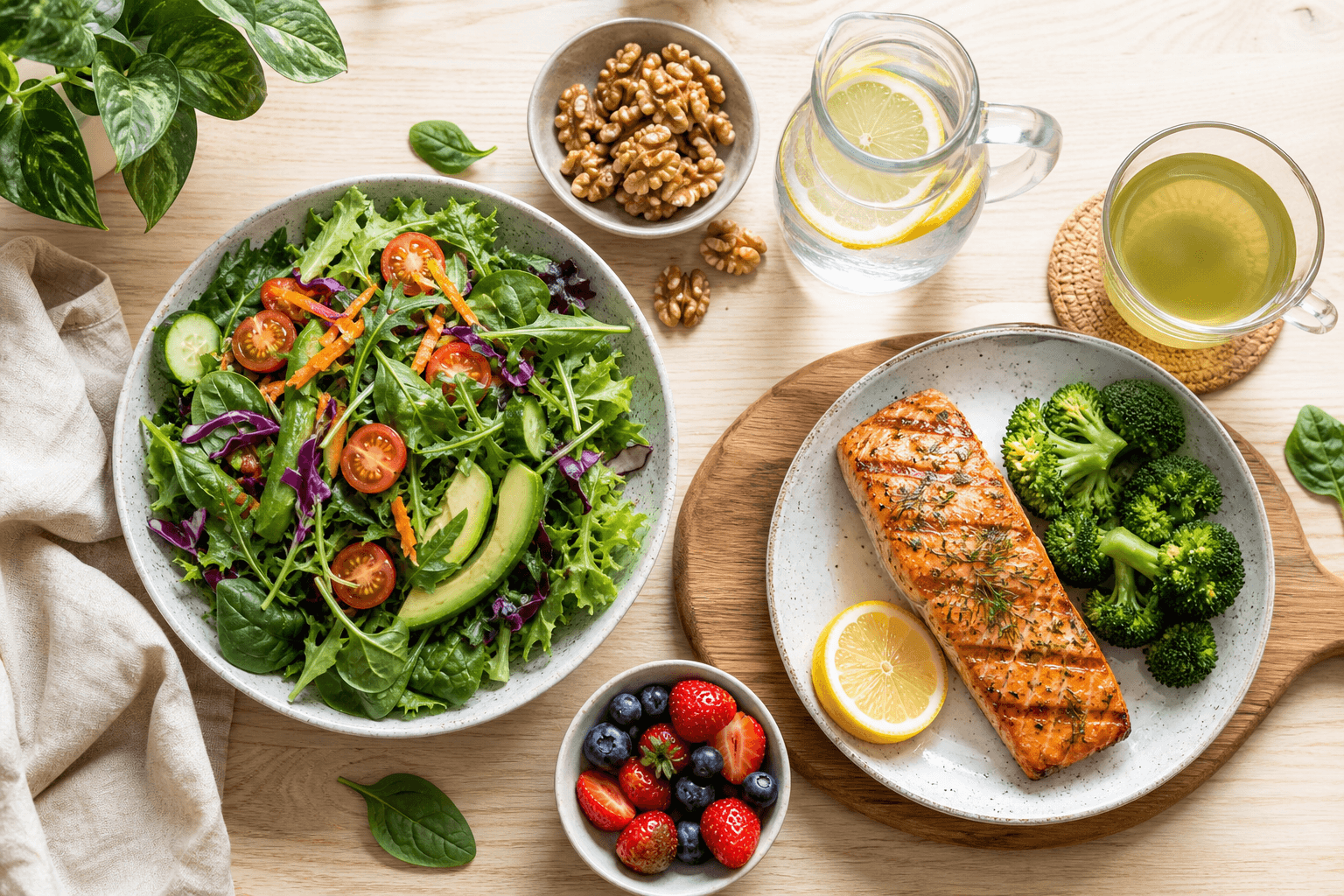


fatty liver diet

Fatty Liver Diet: What to Eat and Avoid for Better Liver Health

Nutrista Team
Share
Fatty Liver Diet: What to Eat and Avoid for Better Liver Health

What Is Fatty Liver Disease? A Gentle Introduction

Receiving a diagnosis of fatty liver disease can feel overwhelming. Perhaps your doctor mentioned it after routine blood work, or maybe you are navigating related health concerns like type 2 diabetes or weight management. Whatever brought you here, please know that you are not alone, and there is meaningful action you can take.

Fatty liver disease occurs when excess fat builds up in liver cells. The medical community has recently updated the terminology, and you may see it referred to as metabolic dysfunction-associated steatotic liver disease (MASLD), formerly called non-alcoholic fatty liver disease (NAFLD). This name change reflects a better understanding of how metabolic health connects to liver function.

There are two main categories to understand:

Real Dietitians, Real Results

Download on the App StoreGet it on Google Play
  • Simple fatty liver (steatosis): Fat accumulates in the liver, but there is little to no inflammation or cell damage. This is the most common form and often does not progress to serious disease.
  • NASH (non-alcoholic steatohepatitis): This more serious form involves inflammation and liver cell damage, which can lead to scarring (fibrosis) and potentially cirrhosis.

The good news is that early-stage fatty liver is often reversible through lifestyle changes, particularly nutrition. Your liver has a remarkable ability to heal and regenerate when given the right support.

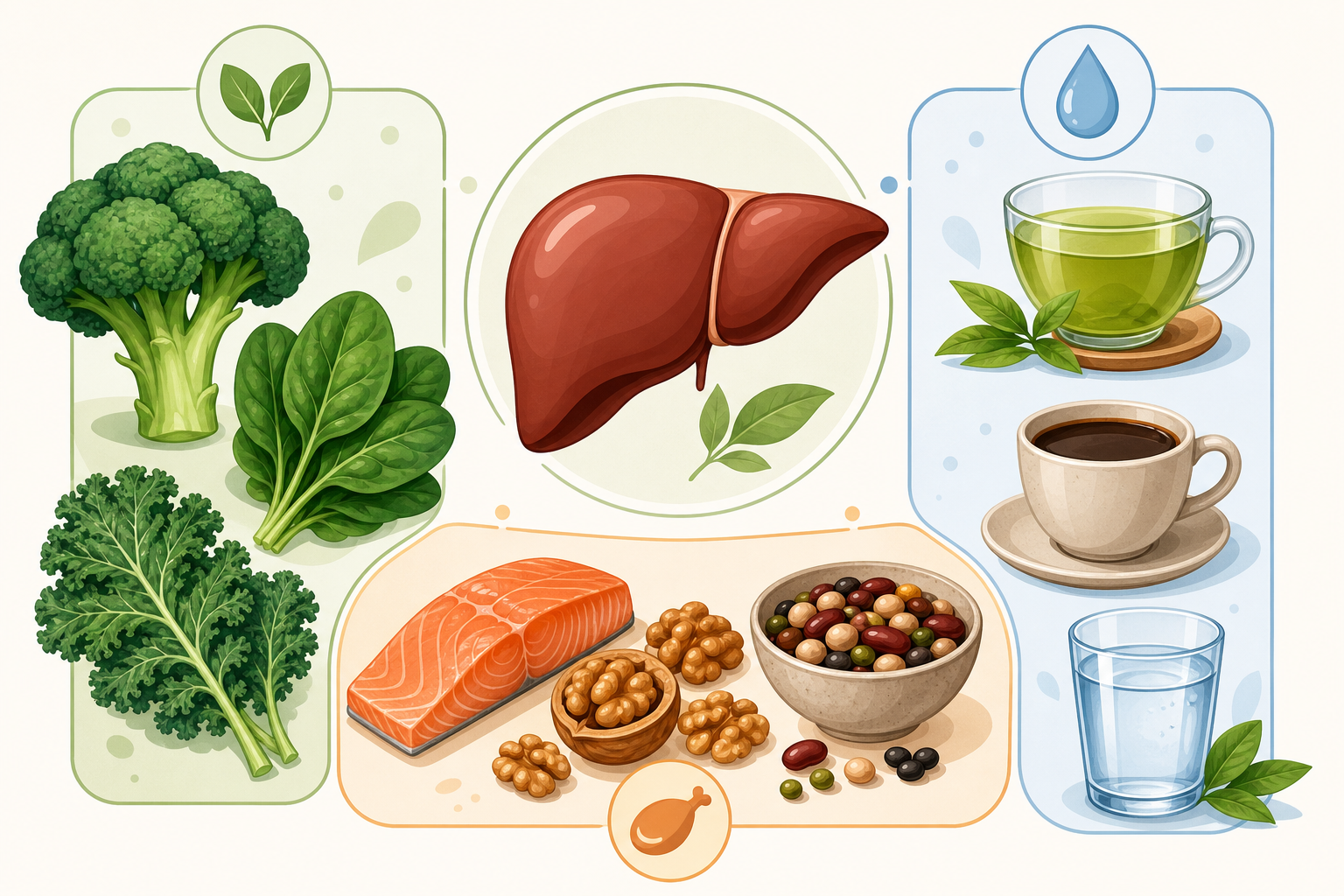
A simple infographic-style illustration showing liver-friendly foods arranged in categories: vegetables, proteins, and beverages. Clean, modern design with soft colors.

What Causes Fatty Liver Disease?

Understanding why fatty liver develops can help you make informed choices without feeling blamed. This condition is not about personal failings; it is about how our bodies respond to complex metabolic processes.

Real Dietitians, Real Results

Download on the App StoreGet it on Google Play

Several factors contribute to fatty liver development:

  • Insulin resistance: When cells do not respond properly to insulin, the liver may increase fat production and storage.
  • Metabolic syndrome: This cluster of conditions, including high blood pressure, high blood sugar, and abnormal cholesterol levels, significantly raises risk.
  • Genetics: Some people are more predisposed to storing fat in the liver, regardless of body weight.
  • Rapid weight loss or poor nutrition: Paradoxically, very low-calorie diets or rapid weight loss can trigger fat accumulation in the liver.
  • Certain medications: Some drugs may contribute to fatty liver as a side effect.

Women approaching or past menopause may face increased risk due to hormonal changes that affect how fat is distributed and metabolized. This is a normal biological shift, not something within your control.

How Diet Affects Liver Health: The Science Made Simple

Your liver is your body's nutritional headquarters. Everything you eat and drink passes through this remarkable organ, which processes nutrients, filters toxins, and regulates blood sugar. When the liver becomes overwhelmed, fat can accumulate.

Real Dietitians, Real Results

Download on the App StoreGet it on Google Play

Here is what happens: When you consume more calories than your body needs, particularly from refined carbohydrates and added sugars, your liver converts the excess into fat. Normally, this fat is exported to other tissues. But when the system becomes overloaded, fat begins to accumulate within liver cells themselves.

Research consistently shows that dietary changes can reduce liver fat by 30-50% in many people within just a few months. The liver responds remarkably well to improved nutrition because it is constantly renewing itself.

Best Foods for Fatty Liver: What to Eat for Liver Health

Many people ask, "What foods help fatty liver?" The answer focuses on whole, nutrient-dense foods that support metabolic health and reduce inflammation.

Real Dietitians, Real Results

Download on the App StoreGet it on Google Play

Leafy Greens and Cruciferous Vegetables

Spinach, kale, arugula, broccoli, Brussels sprouts, and cauliflower contain compounds that support liver detoxification pathways. Cruciferous vegetables are particularly valuable because they contain sulforaphane, a compound that may help reduce liver fat accumulation.

Fatty Fish Rich in Omega-3s

Salmon, sardines, mackerel, and trout provide omega-3 fatty acids that reduce inflammation and may help decrease liver fat. Aim for two to three servings per week. If you do not eat fish, consider discussing an omega-3 supplement with your healthcare provider.

Nuts and Seeds

Walnuts deserve special mention here. Research suggests that walnuts may be particularly beneficial for liver health due to their omega-3 content and antioxidant properties. Other excellent choices include almonds, chia seeds, and flaxseeds.

Real Dietitians, Real Results

Download on the App StoreGet it on Google Play

Olive Oil and Healthy Fats

Extra virgin olive oil contains oleic acid and polyphenols that support liver health. Use it as your primary cooking oil and for salad dressings. Avocados provide similar benefits.

Whole Grains

Oats, quinoa, brown rice, and whole wheat bread have a lower glycemic impact than refined grains, helping to stabilize blood sugar and reduce the burden on your liver.

Coffee and Green Tea

Here is some welcome news: Coffee appears to protect the liver in multiple studies. People who drink coffee regularly show lower rates of liver fibrosis. Green tea offers similar benefits through compounds called catechins.

Real Dietitians, Real Results

Download on the App StoreGet it on Google Play

Antioxidant-Rich Foods

Berries, citrus fruits, tomatoes, and colorful vegetables provide antioxidants that help protect liver cells from damage. Blueberries and cranberries contain anthocyanins that may be especially protective.

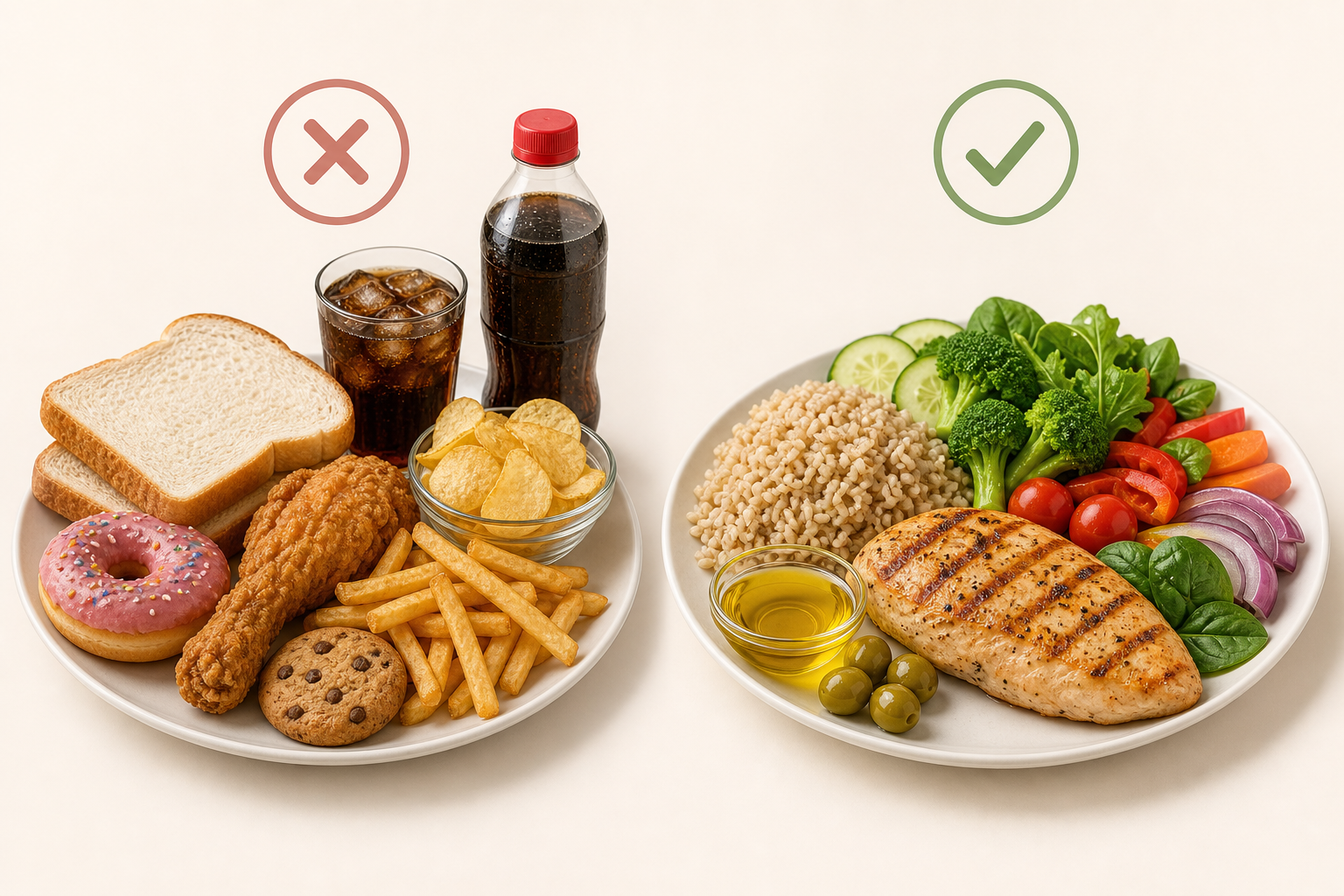
A comparison image showing two plates side by side: one plate with processed foods marked with a subtle X, and another plate with whole foods marked with a subtle checkmark.

Foods to Avoid with Fatty Liver Disease

Knowing what to limit is just as important as knowing what to eat. Many people wonder, "Can you reverse fatty liver with diet?" While individual results vary, avoiding certain foods gives your liver the best chance to heal.

Real Dietitians, Real Results

Download on the App StoreGet it on Google Play

Added Sugars and Fructose

This is perhaps the most important category to address. Your liver metabolizes fructose differently from other sugars. When consumed in excess, particularly from sugary beverages and processed foods, fructose can rapidly increase liver fat production.

Watch for hidden sugars in:

  • Soft drinks and fruit juices
  • Flavored yogurts
  • Breakfast cereals
  • Condiments and sauces
  • "Low-fat" processed foods, which often contain added sugar

Refined Carbohydrates

White bread, white rice, pasta, and pastries cause rapid blood sugar spikes that stress the liver. Choose whole grain alternatives whenever possible.

Fried Foods and Trans Fats

Deep-fried foods and products containing partially hydrogenated oils increase inflammation and oxidative stress. Trans fats are particularly harmful to liver health, though they have been largely eliminated from the food supply in many countries.

Real Dietitians, Real Results

Download on the App StoreGet it on Google Play

Alcohol

Even moderate alcohol consumption can worsen fatty liver disease. Your liver prioritizes metabolizing alcohol over other functions, which can accelerate fat accumulation. Many healthcare providers recommend complete abstinence if you have been diagnosed with fatty liver disease, at least until liver health improves.

Processed Meats

Bacon, sausages, hot dogs, and deli meats often contain high levels of saturated fat, sodium, and preservatives that may stress liver function.

Excessive Saturated Fat

While some saturated fat is fine in moderation, excessive intake from fatty red meats, full-fat dairy products, and tropical oils may contribute to liver inflammation. Focus on lean protein sources and plant-based fats instead.

Real Dietitians, Real Results

Download on the App StoreGet it on Google Play

Practical Meal Ideas for Liver Health

Putting nutrition advice into practice can feel challenging, especially when managing other health conditions. Here are simple, liver-friendly meal ideas that require minimal preparation:

Breakfast Options

  • Overnight oats made with rolled oats, ground flaxseed, blueberries, and a sprinkle of walnuts
  • Greek yogurt topped with strawberries and a small handful of almonds
  • Veggie scramble with two eggs, spinach, tomatoes, and a slice of whole grain toast

Lunch Options

  • Mediterranean salad with mixed greens, grilled salmon, cucumber, tomatoes, olives, and olive oil dressing
  • Lentil soup with a side salad and whole grain bread
  • Turkey and avocado wrap using a whole wheat tortilla with plenty of vegetables

Dinner Options

  • Baked salmon with roasted broccoli and quinoa
  • Grilled chicken with sauteed spinach and sweet potato
  • Vegetable stir-fry with tofu, mixed vegetables, and brown rice

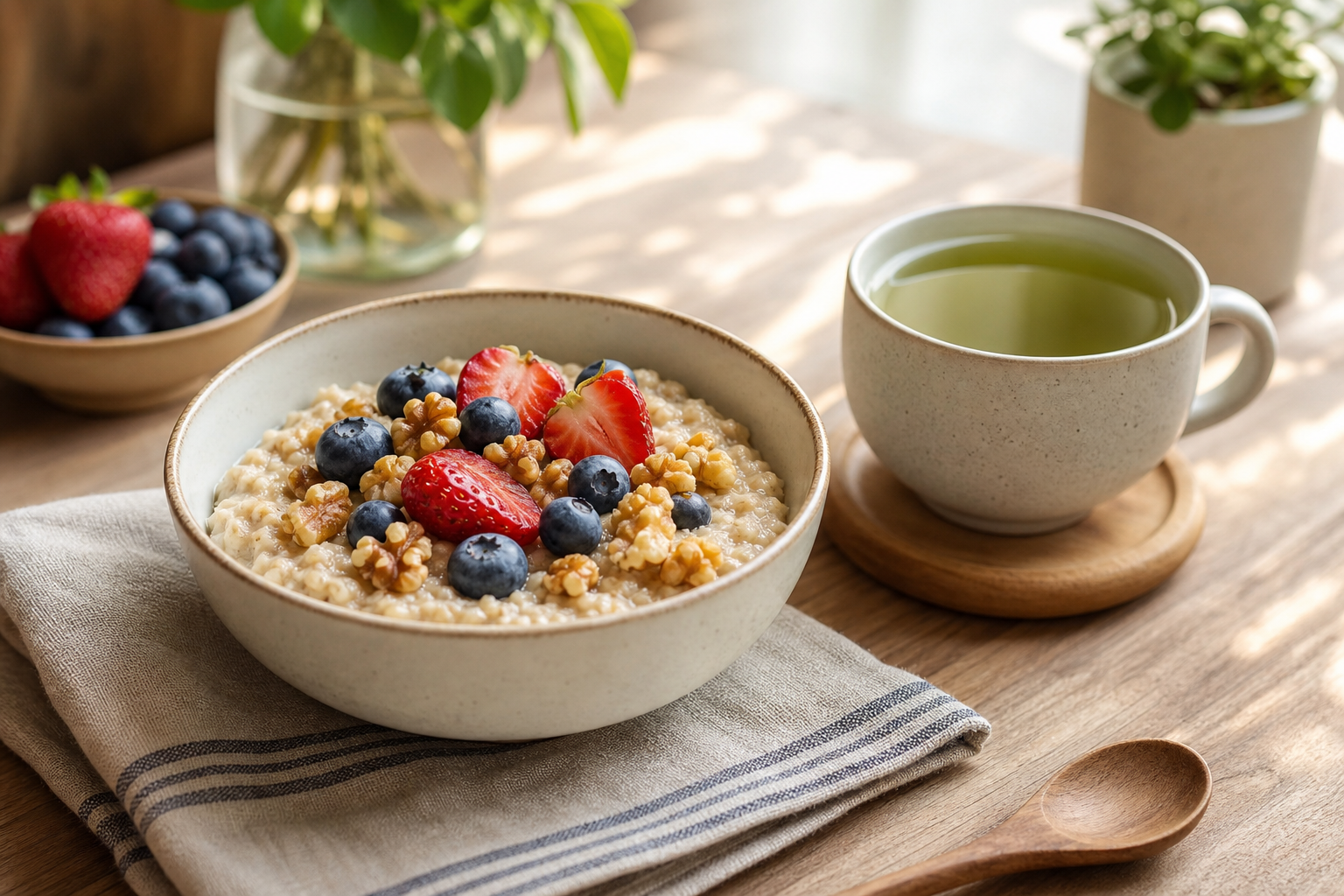
A warm, inviting photograph of a simple liver-friendly breakfast: a bowl of oatmeal topped with fresh berries and walnuts, with a cup of green tea beside it on a cozy morning table setting.

Lifestyle Factors Beyond Diet

While nutrition is foundational, other lifestyle factors significantly impact liver health:

Real Dietitians, Real Results

Download on the App StoreGet it on Google Play

Physical Activity

Exercise helps reduce liver fat even without weight loss. Aim for at least 150 minutes of moderate activity per week, such as brisk walking, swimming, or cycling. Resistance training twice weekly provides additional benefits for insulin sensitivity.

Weight Management

If you are carrying extra weight, losing just 5-10% of your body weight can significantly reduce liver fat. However, avoid crash diets or rapid weight loss, which can actually worsen fatty liver. A gradual, sustainable approach of 1-2 pounds per week is safer and more effective long-term.

Sleep and Stress Management

Poor sleep and chronic stress affect hormones that regulate metabolism and fat storage. Prioritizing 7-9 hours of quality sleep and finding stress-reduction techniques that work for you supports overall metabolic health.

Real Dietitians, Real Results

Download on the App StoreGet it on Google Play

When to Work with a Healthcare Provider

While this article provides general guidance, fatty liver disease requires personalized medical care. Consider working with a healthcare provider or registered dietitian if:

  • You have been diagnosed with NASH or elevated liver enzymes
  • You are managing other conditions like diabetes, high blood pressure, or high cholesterol
  • You take medications that may affect your liver
  • You are unsure how to safely lose weight
  • You have tried dietary changes without improvement

A registered dietitian can create a personalized meal plan that addresses your specific needs, preferences, and health goals. They can also help you navigate the challenges of sustainable lifestyle change.

Taking the Next Step

Receiving a fatty liver diagnosis may feel discouraging, but it is also an opportunity. Your body is giving you a signal that it needs support, and nutrition is one of the most powerful tools you have. Small, consistent changes add up to meaningful improvements over time.

Real Dietitians, Real Results

Download on the App StoreGet it on Google Play

Start by choosing one or two changes to focus on rather than overhauling everything at once. Perhaps begin by swapping sugary drinks for water or green tea, or add a serving of vegetables to each meal. These modest steps, maintained consistently, can lead to significant improvements in liver health.

If you would like personalized support, consider working with a qualified dietitian who can tailor recommendations to your unique situation. Nutrista connects you with real, registered dietitians who provide evidence-based guidance rather than generic advice. Unlike calorie-tracking apps that rely solely on algorithms, Nutrista empowers human nutrition experts with AI tools, giving you the best of both worlds: personalized professional support enhanced by modern technology.

Your liver has an extraordinary capacity for healing. With the right nutrition and support, you can take meaningful steps toward better liver health and overall wellbeing.

Real Dietitians, Real Results

Download on the App StoreGet it on Google Play

This article provides general educational information and is not a substitute for personalized medical advice. Please consult your healthcare provider before making significant dietary changes, especially if you have existing health conditions or take medications.

Real Dietitians, Real Results

Download on the App StoreGet it on Google Play
#fatty liver diet#liver health#NAFLD nutrition

Others Viewed