




cholesterol

Cholesterol-Lowering Diet: Foods to Eat and Avoid for Heart Health

Nutrista Team
Share
Cholesterol-Lowering Diet: Foods to Eat and Avoid for Heart Health

Cholesterol-Lowering Diet: Foods to Eat and Avoid for Heart Health

If you've recently been told your cholesterol is too high, you're not alone. Millions of people hear those words every year, and the news can feel overwhelming. You might wonder what it means for your heart, your future, and most importantly, what you can actually do about it.

The good news is that what you eat has a powerful effect on your cholesterol levels. Dietary changes are one of the most effective first steps you can take to protect your heart health. Let's walk through the science together and explore practical ways to nourish your body while lowering your cholesterol.

Understanding Cholesterol: LDL vs HDL

Cholesterol often gets a bad reputation, but your body actually needs some of it to function properly. Cholesterol helps build cells, produce hormones, and create vitamin D. The problem arises when certain types of cholesterol build up in your arteries.

Real Dietitians, Real Results

Download on the App StoreGet it on Google Play

LDL (low-density lipoprotein) is what doctors call "bad" cholesterol. It tends to stick to the walls of your arteries, forming plaque that can narrow blood vessels and increase your risk of heart disease and stroke.

HDL (high-density lipoprotein) is the "good" cholesterol. Think of it as a cleanup crew that picks up excess cholesterol from your bloodstream and carries it back to your liver, where it can be processed and removed from your body.

When managing high cholesterol, the goal is to lower your LDL while maintaining or increasing your HDL. The ratio between these two matters more than total cholesterol alone. This is where your daily food choices make a significant difference.

Real Dietitians, Real Results

Download on the App StoreGet it on Google Play

Foods That Help Lower Cholesterol Naturally

Research consistently shows that certain foods can actively reduce LDL cholesterol. Adding these to your regular eating pattern gives your heart the nutritional support it needs.

Soluble Fiber: Your Heart's Best Friend

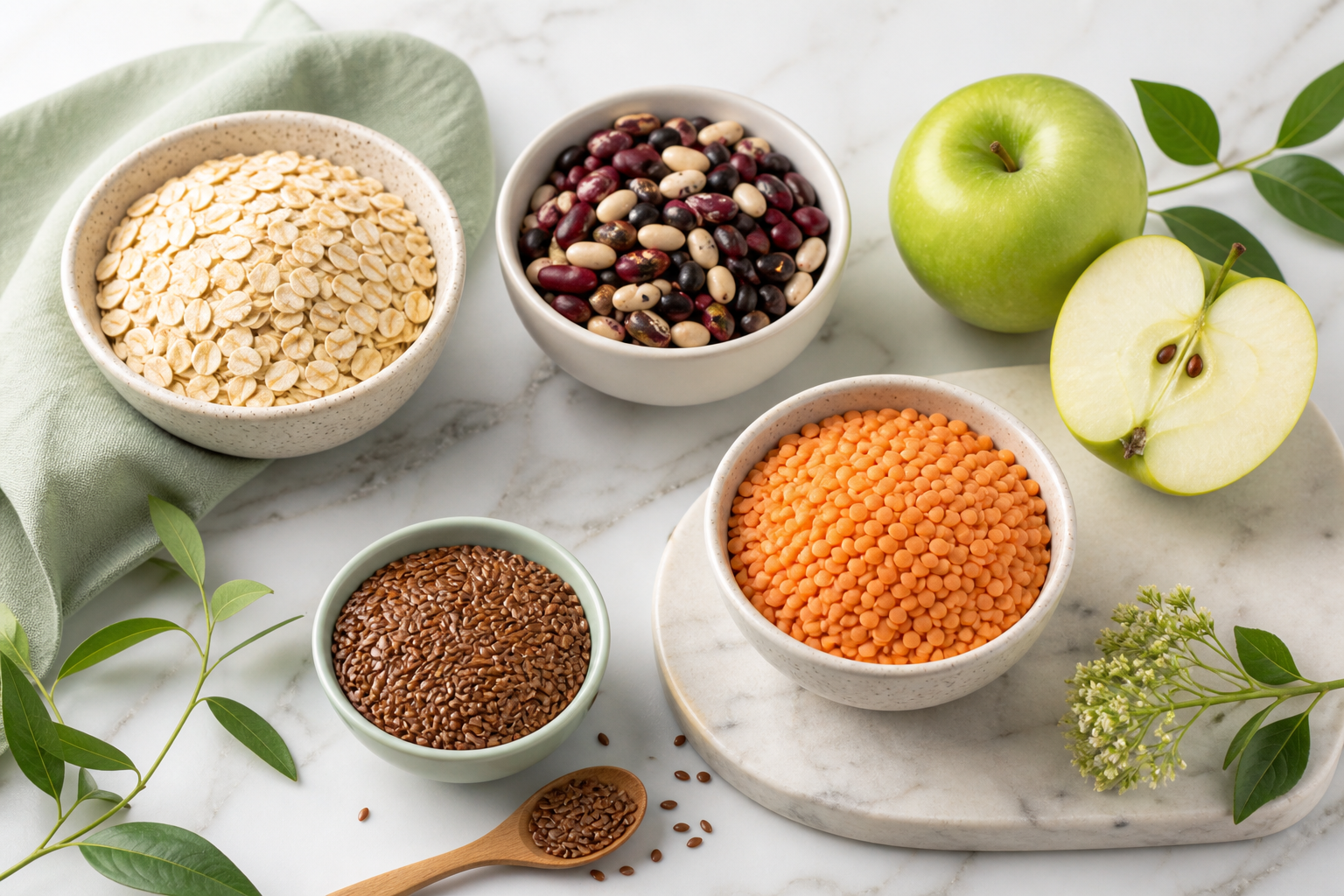
Soluble fiber works by binding to cholesterol in your digestive system and helping remove it from your body before it enters your bloodstream. Getting just 5-10 grams of soluble fiber daily can lower LDL cholesterol by 5-11%.

A collection of soluble fiber-rich foods including oats, beans, apples, lentils, and flaxseeds arranged on a light marble background with subtle green accents

Real Dietitians, Real Results

Download on the App StoreGet it on Google Play

Excellent sources of soluble fiber include:

  • Oats and oat bran - Start your day with a bowl of steel-cut or rolled oats
  • Beans and lentils - Black beans, kidney beans, chickpeas, and all varieties of lentils
  • Apples, citrus fruits, and berries - Whole fruits with their fiber-rich skins
  • Flaxseeds and chia seeds - Add ground flaxseed to smoothies, yogurt, or oatmeal
  • Barley and psyllium husk - Ancient grains with impressive fiber content

Heart-Healthy Fats and Omega-3s

Not all fats are created equal. The right kinds of fats can actually improve your cholesterol profile and protect your heart.

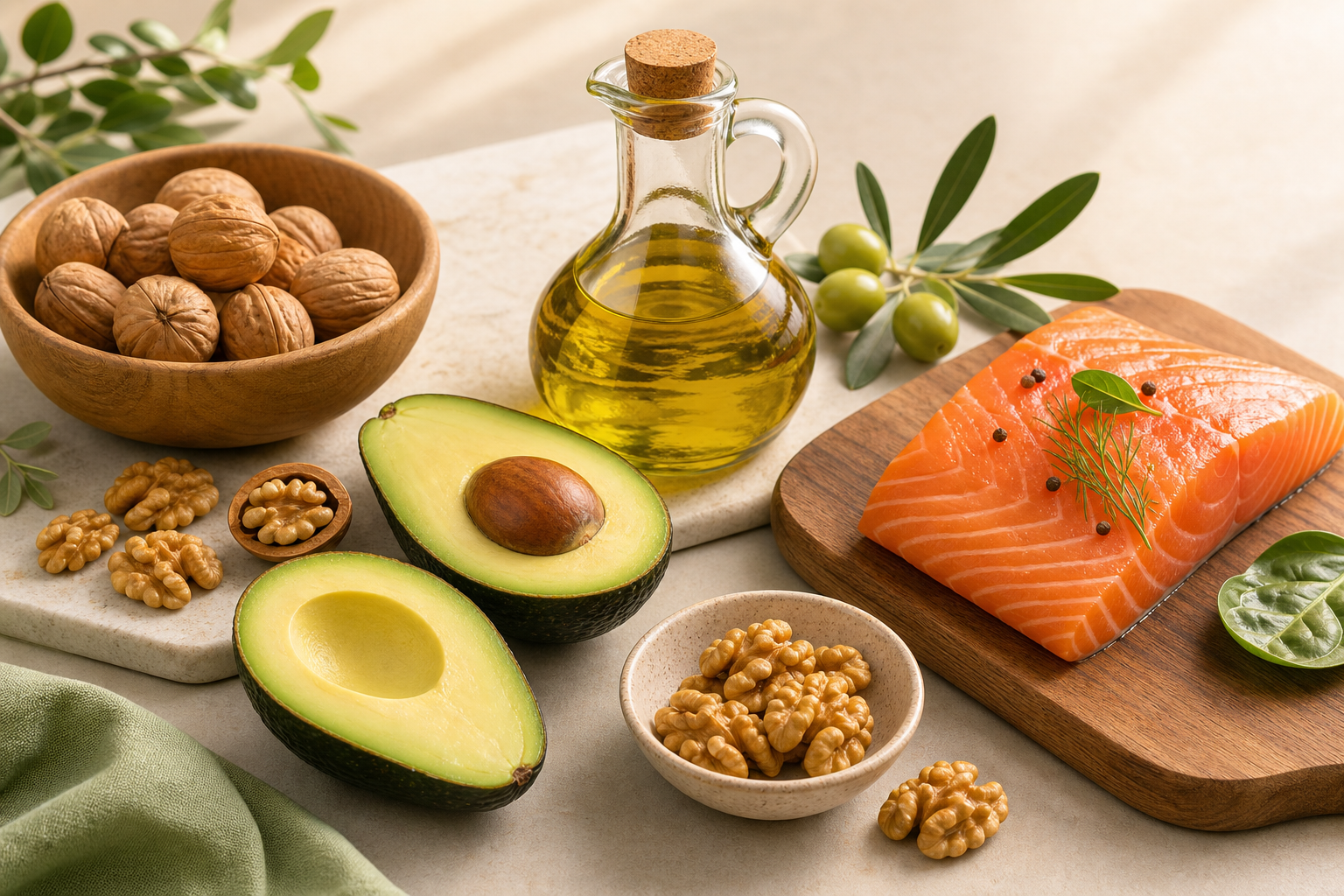
Fatty fish like salmon, mackerel, sardines, and tuna are rich in omega-3 fatty acids. These healthy fats don't directly lower LDL, but they can help raise HDL cholesterol and reduce inflammation throughout your body. Aim for at least two servings of fatty fish per week.

Real Dietitians, Real Results

Download on the App StoreGet it on Google Play

Heart-healthy fats including olive oil, fresh avocado, salmon fillet, and walnuts arranged in an educational comparison layout

Nuts, especially walnuts and almonds, have been extensively studied for their heart benefits. They contain unsaturated fats, fiber, and plant sterols that work together to lower LDL. A small handful (about 1.5 ounces) five times a week can reduce cholesterol by up to 5%.

Extra virgin olive oil is a cornerstone of the Mediterranean diet, one of the most researched eating patterns for heart health. Its antioxidants and monounsaturated fats help protect your blood vessels from damage.

Real Dietitians, Real Results

Download on the App StoreGet it on Google Play

Avocados provide a unique combination of fiber and monounsaturated fats. Studies show that eating an avocado daily can lower LDL cholesterol while maintaining or even increasing HDL.

Plant Sterols and Stanols

Plant sterols and stanols are naturally occurring compounds that block your body from absorbing cholesterol. You'll find them in small amounts in vegetable oils, nuts, and legumes, but many foods are now fortified with them.

Foods fortified with plant sterols can lower LDL by 6-15%. Look for fortified orange juice, yogurt drinks, and margarine spreads, though whole food sources should always be your foundation.

Real Dietitians, Real Results

Download on the App StoreGet it on Google Play

Foods to Avoid with High Cholesterol

Knowing what to add to your plate is only half the equation. Equally important is understanding which foods can raise your LDL cholesterol and should be limited.

Saturated Fats: The Primary Culprit

Saturated fat is the biggest dietary contributor to high LDL cholesterol. The American Heart Association recommends limiting saturated fat to less than 6% of your daily calories. For most people, that means roughly 13 grams per day.

Foods high in saturated fat include:

Real Dietitians, Real Results

Download on the App StoreGet it on Google Play
  • Red meat - Beef, pork, lamb, and processed meats like bacon and sausage
  • Full-fat dairy - Whole milk, butter, heavy cream, and full-fat cheese
  • Tropical oils - Coconut oil and palm oil, often found in processed foods
  • Poultry skin - Especially when fried

Trans Fats: The Double Danger

Trans fats are particularly harmful because they raise LDL cholesterol while simultaneously lowering HDL. Many food manufacturers have removed trans fats from their products, but some still contain small amounts.

Check nutrition labels for "partially hydrogenated" oils in the ingredients list. These hidden trans fats may appear in:

  • Fried foods at restaurants
  • Commercially baked goods like cookies, crackers, and pastries
  • Microwave popcorn
  • Stick margarine

Dietary Cholesterol: A Moderation Story

For years, dietary cholesterol was considered the enemy. We now know that saturated and trans fats have a much bigger impact on blood cholesterol than the cholesterol in food itself. However, moderation still matters.

Real Dietitians, Real Results

Download on the App StoreGet it on Google Play

Practical Meal Ideas for a Cholesterol-Lowering Diet

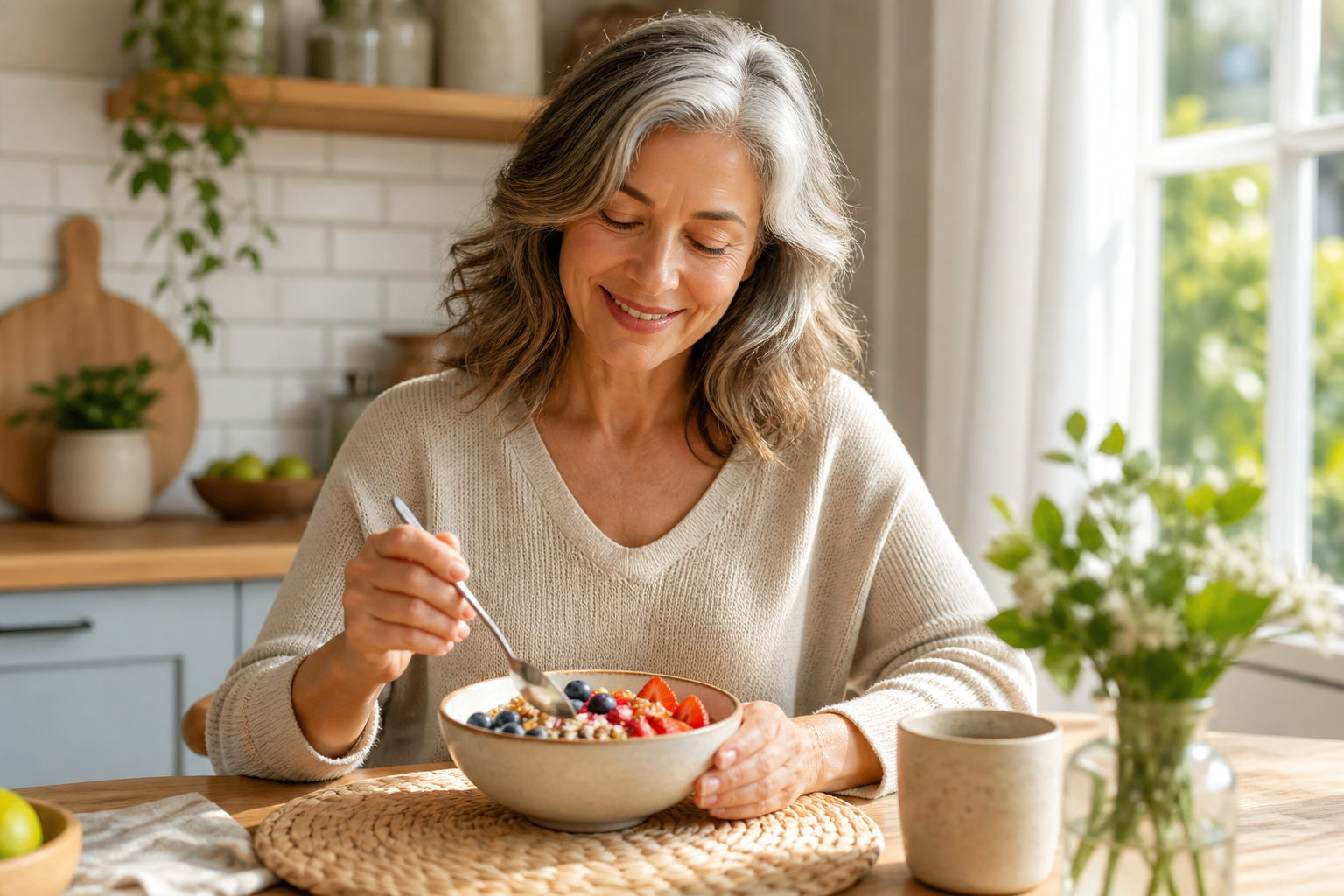
A woman in her 50s enjoying a healthy breakfast bowl at her sunlit kitchen table, peaceful morning atmosphere

Changing your eating habits works best when you have a plan. Here's what a satisfying day of heart-healthy eating might look like:

Sample Day of Eating

Breakfast:

  • Bowl of steel-cut oats topped with ground flaxseed, walnuts, and fresh berries
  • Optional: a small glass of plant sterol-fortified orange juice

Lunch:

  • Mediterranean-style salad with mixed greens, chickpeas, cherry tomatoes, cucumber, and olive oil vinaigrette
  • Grilled salmon or a handful of almonds on the side

Afternoon Snack:

  • Apple slices with almond butter
  • Or a small handful of walnuts

Dinner:

  • Baked or grilled salmon with lemon and herbs
  • Roasted vegetables (broccoli, Brussels sprouts, carrots) drizzled with olive oil
  • Quinoa or barley pilaf

Evening Snack (optional):

  • Greek yogurt with ground flaxseed
  • Or sliced avocado on whole-grain toast

Simple Swaps That Make a Difference

Small changes add up over time. Consider these easy substitutions:

Real Dietitians, Real Results

Download on the App StoreGet it on Google Play
  • Butter on toast becomes mashed avocado or nut butter
  • Sour cream becomes Greek yogurt
  • Beef tacos become black bean tacos with avocado
  • Fried chicken becomes baked or grilled chicken
  • Cream-based soup becomes broth-based vegetable soup

Lifestyle Changes Beyond Diet

While nutrition is powerful, it works best alongside other heart-healthy habits.

Regular physical activity can raise your HDL cholesterol while helping you maintain a healthy weight. Aim for at least 150 minutes of moderate exercise per week, such as brisk walking, swimming, or cycling.

Managing your weight matters because carrying excess weight, especially around your midsection, tends to raise LDL and lower HDL. Even losing just 5-10% of your body weight can improve your cholesterol profile.

Real Dietitians, Real Results

Download on the App StoreGet it on Google Play

Quitting smoking is one of the most impactful changes you can make. Smoking damages your blood vessels and significantly lowers your HDL cholesterol.

Stress management also plays a role. Chronic stress can affect your heart health over time. Consider incorporating relaxation practices like deep breathing, meditation, or gentle yoga into your routine.

Common Questions About Cholesterol and Diet

Can I Eat Eggs with High Cholesterol?

This is one of the most common questions, and the answer has evolved as research has advanced. For most people, eating eggs in moderation is perfectly fine.

Real Dietitians, Real Results

Download on the App StoreGet it on Google Play

Studies show that for healthy adults, eating up to 1-2 eggs per day does not significantly raise heart disease risk. The saturated fat in what you eat with eggs (bacon, sausage, buttered toast) often causes more harm than the eggs themselves.

However, if you have diabetes or very high cholesterol, you may want to discuss egg consumption with your healthcare provider. Many people with high cholesterol choose to eat egg whites, which contain no cholesterol, while limiting yolks.

How Long Does It Take to Lower Cholesterol Through Diet?

This varies from person to person, but most people see meaningful changes within 4-6 weeks of consistent dietary changes. Your liver produces about 75% of your body's cholesterol, and it takes time for dietary shifts to influence this production.

Real Dietitians, Real Results

Download on the App StoreGet it on Google Play

For some people, changes appear even sooner. Others may need 3-6 months to see their full results. Factors like your starting cholesterol level, genetics, and how strictly you follow dietary changes all play a role.

When to Work with a Registered Dietitian

Making lasting dietary changes is easier with professional support. A registered dietitian can help you create a personalized eating plan that fits your lifestyle, food preferences, and health goals.

Working with a dietitian is especially valuable if you have multiple health conditions like diabetes and high cholesterol together, or if dietary changes alone aren't producing the results you expected.

Real Dietitians, Real Results

Download on the App StoreGet it on Google Play

Everyone's body responds differently to dietary changes. Some people are "hyper-responders" whose cholesterol drops quickly with diet changes, while others need more comprehensive approaches. A qualified nutrition professional can help you understand your unique response and adjust accordingly.

Finding Support for Your Heart Health Journey

You don't have to navigate cholesterol management alone. While general guidelines are helpful, personalized advice from a qualified professional can make all the difference.

Consider reaching out to a registered dietitian who can assess your complete health picture, including any medications you take, other conditions you manage, and your personal food preferences. They can help you build sustainable habits that last a lifetime rather than a temporary restrictive diet.

Real Dietitians, Real Results

Download on the App StoreGet it on Google Play

Nutrista connects you with real, registered dietitians who provide personalized guidance tailored to your specific needs. Unlike generic calorie-tracking apps that offer only AI-generated advice, Nutrista empowers qualified nutrition professionals with modern technology so you get the best of both worlds: expert human guidance supported by helpful digital tools.

Before making significant changes to your diet, talk with your healthcare provider, especially if you're taking cholesterol-lowering medications. They can help you understand how dietary changes might work alongside your treatment plan.

Your heart health matters, and every positive choice you make is an investment in your future wellbeing. Start where you are, make gradual changes that feel sustainable, and celebrate the progress along the way.

Real Dietitians, Real Results

Download on the App StoreGet it on Google Play
#cholesterol#heart health#diet

Others Viewed