




The Batch Cooking Burnout: Why 94% of Meal Preppers Fail by Jan 22nd 😱
Stop wasting your Sundays! 😱 Discover why your meal prep keeps failing and how Nutrista AI is fixing the broken $700 billion grocery industry for good. 🥗🔥

If you have recently been diagnosed with type 2 diabetes, you have likely heard about carbohydrate counting. Perhaps your doctor mentioned it, or you read about it online. But what does it actually mean, and why does it matter so much for your blood sugar?
Carb counting is exactly what it sounds like: keeping track of the carbohydrates you eat and drink throughout the day. It is not about eliminating carbs entirely or following a restrictive diet. Instead, it is about understanding how different foods affect your blood sugar so you can make informed choices.
Carbohydrates have the biggest impact on your blood sugar levels compared to proteins and fats. When you eat carbs, your body breaks them down into glucose, which enters your bloodstream. For someone without diabetes, the body produces insulin to help move that glucose into cells for energy. With type 2 diabetes, this process does not work as efficiently, which is why monitoring carb intake becomes so important.
Learning how to count carbs for diabetes gives you more control. It helps you predict how your blood sugar might respond after a meal, making it easier to keep your levels within a healthy range.
Not all carbohydrates affect your blood sugar the same way. Understanding the differences can help you make choices that support stable blood sugar levels.
Simple carbohydrates are made of one or two sugar molecules. Your body digests them quickly, which can cause blood sugar to rise rapidly. These include:
Complex carbohydrates take longer to digest because they contain longer chains of sugar molecules along with fiber. This means they cause a slower, more gradual rise in blood sugar. Sources include:
Fiber is a type of carbohydrate that your body cannot fully digest. It does not raise blood sugar the way other carbs do, which is why some people subtract fiber grams from total carbs when counting.
High-fiber foods include vegetables, fruits with skin, whole grains, beans, nuts, and seeds. Aim for 25 to 35 grams of fiber daily to support digestive health and blood sugar management.
You may see sugar alcohols listed on nutrition labels for products marketed as "sugar-free" or "keto-friendly." These sweeteners, such as erythritol, xylitol, and sorbitol, have less impact on blood sugar than regular sugar. However, they can cause digestive discomfort for some people when consumed in large amounts.
One of the most common questions people ask is: how many carbs should I eat? The honest answer is that it varies from person to person. Your ideal carb intake depends on factors like your age, weight, activity level, medications, and blood sugar goals.
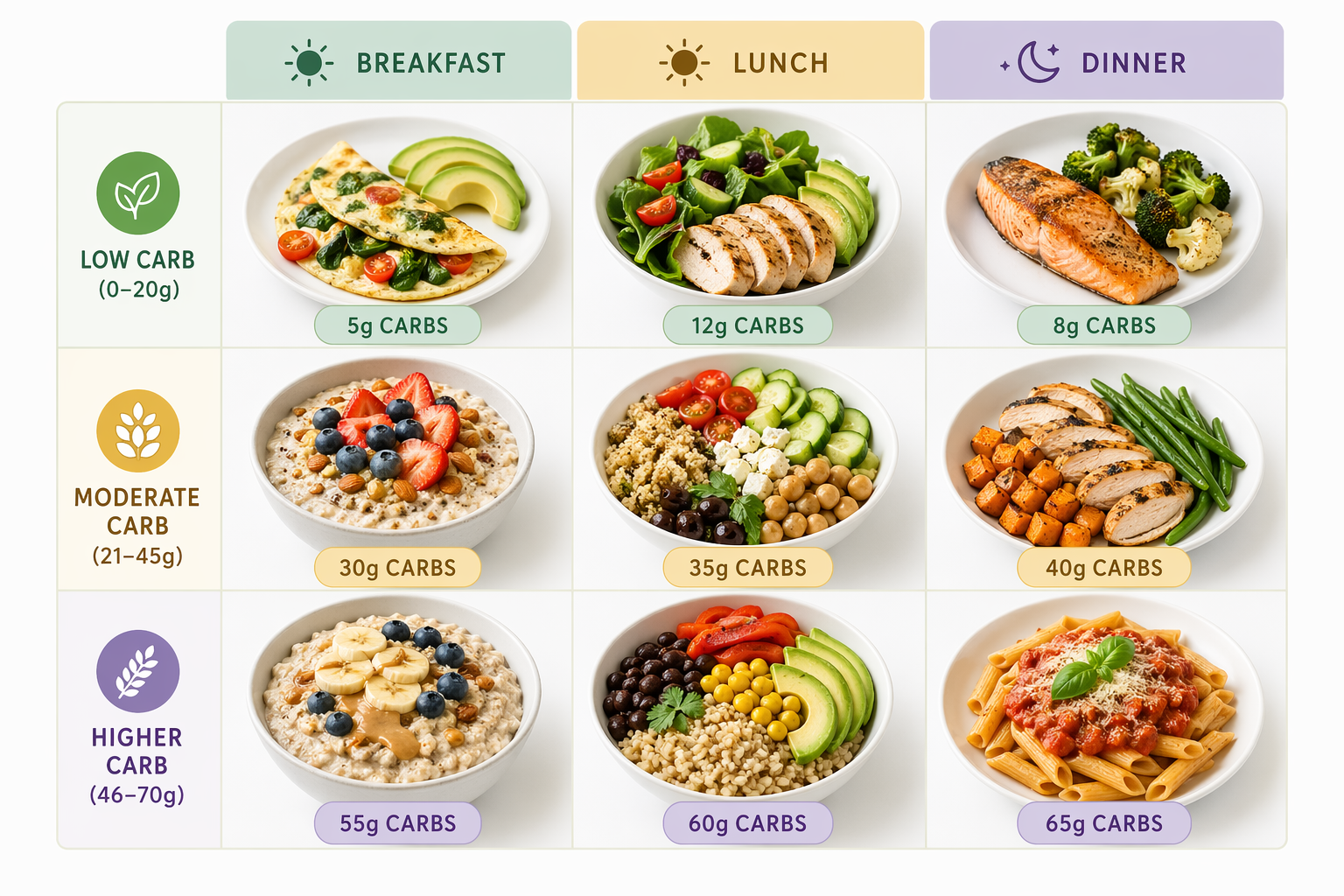
However, there are general guidelines that can help you get started. Many healthcare providers recommend 45 to 60 grams of carbohydrates per meal for women with type 2 diabetes, and 60 to 75 grams per meal for men. Some people may need more or less depending on their individual circumstances.
For snacks, a typical recommendation is 15 to 30 grams of carbohydrates. Spacing your carbs throughout the day, rather than eating large amounts at one time, can help prevent blood sugar spikes.
Working with a registered dietitian can help you determine the right carb target for your body and lifestyle. They can also help you adjust your intake based on your blood sugar monitoring results.
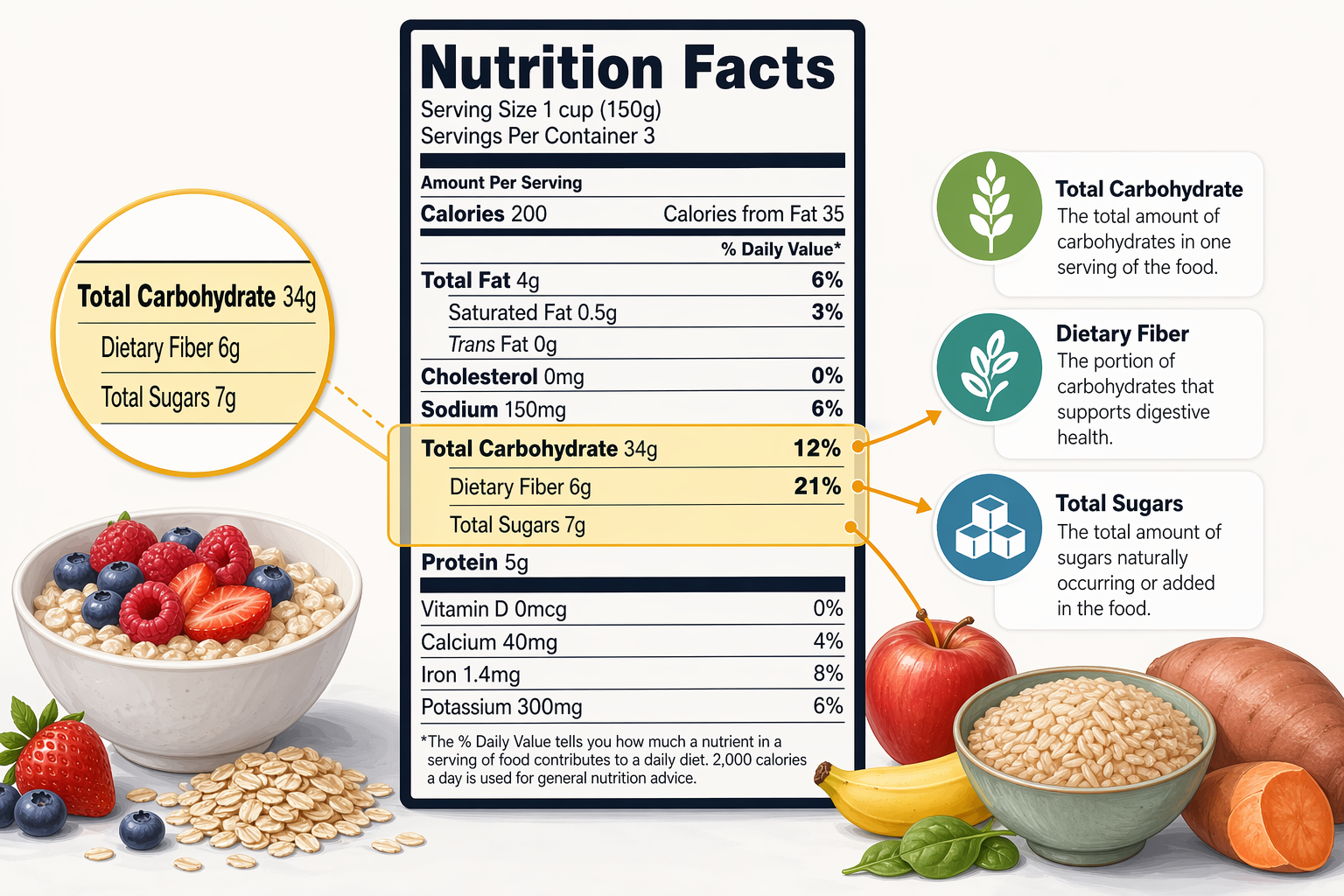
Reading nutrition labels is an essential skill for carb counting. At first, it might seem overwhelming, but with practice, it becomes second nature.

Here is what to look for:
Serving size: This is critical. All the nutrition information on the label applies to this specific amount. If you eat double the serving size, you are consuming double the carbs.
Total carbohydrates: This number includes all types of carbs in the food: sugars, fiber, and starches. For basic carb counting, this is the number to track.
Dietary fiber: Remember that fiber does not raise blood sugar significantly. Some people choose to subtract fiber from total carbs to get "net carbs," but talk to your healthcare team about whether this approach is right for you.
Total sugars and added sugars: While these do not require separate counting (they are included in total carbs), they can help you identify foods that might spike blood sugar quickly.
There are two main approaches to carb counting: the gram method and the exchange method.
This approach involves tracking the exact grams of carbohydrates you eat. You read nutrition labels, use measuring cups or a food scale, and keep a running total throughout the day.
For example, if your breakfast contains:
Your breakfast total would be 22 grams of carbs.
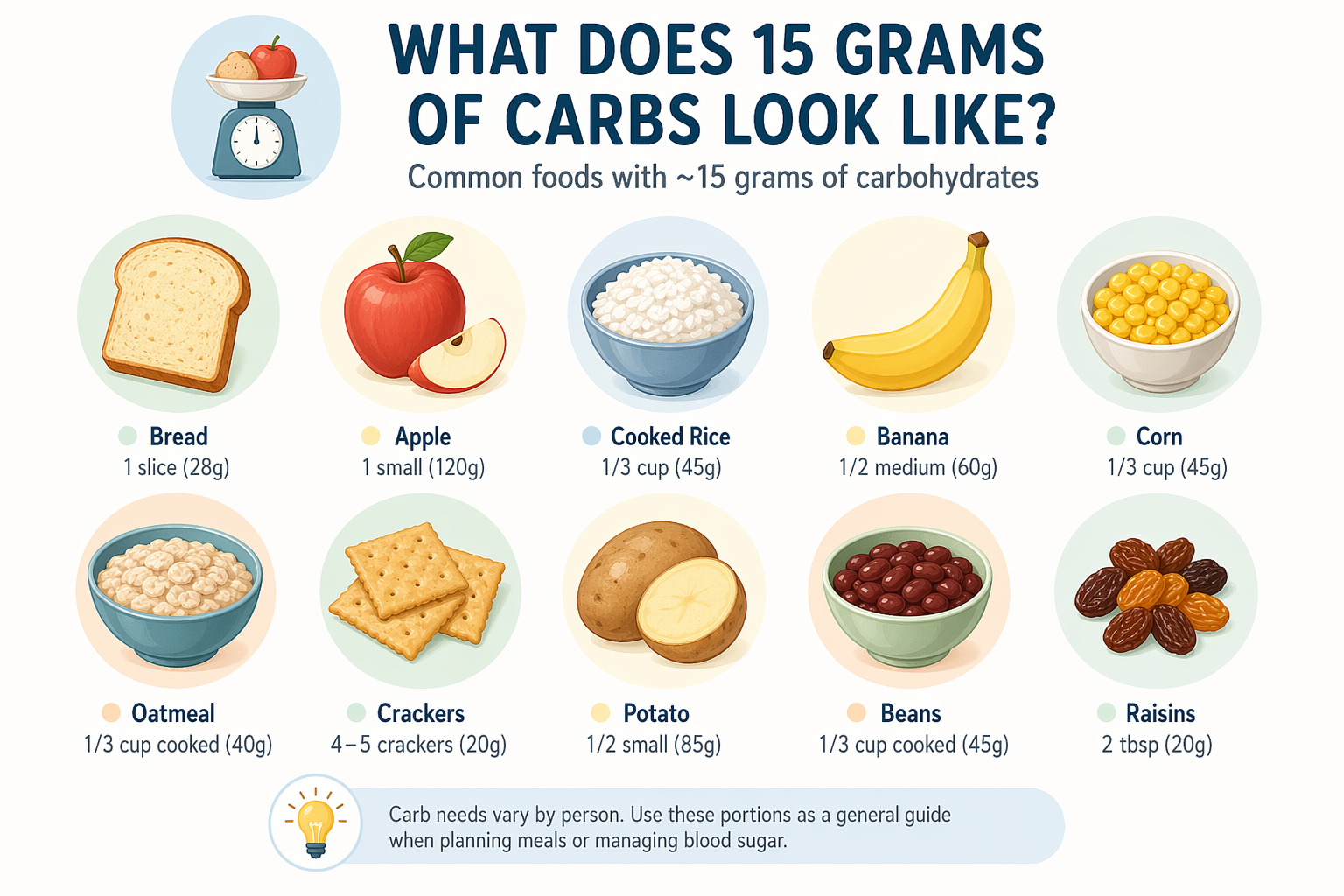
Also called "carb choices," this system groups foods into portions that contain about 15 grams of carbohydrates each. One carb choice equals 15 grams.
Using this method, you might aim for 3 to 4 carb choices (45 to 60 grams) per meal. This can be simpler than counting exact grams, especially when eating foods without nutrition labels.
Understanding what 15 grams of carbohydrates looks like can make carb counting much easier. Here are some examples of one carb choice (approximately 15 grams):

Starches (15 grams each):
Fruits (15 grams each):
Dairy (12-15 grams each):
Other sources:
Not everything you eat needs to be counted. Many nutritious foods contain very few carbohydrates and have minimal effect on blood sugar.
Non-starchy vegetables are excellent choices. They are low in carbs, high in fiber, and packed with vitamins and minerals. Examples include:
Most non-starchy vegetables contain only 5 grams of carbs per cup when cooked, or 2 cups raw. Many people do not count these toward their daily carb total.
Protein foods like chicken, fish, beef, eggs, and tofu contain little to no carbohydrates. Healthy fats such as olive oil, avocado, nuts, and seeds are also very low in carbs.
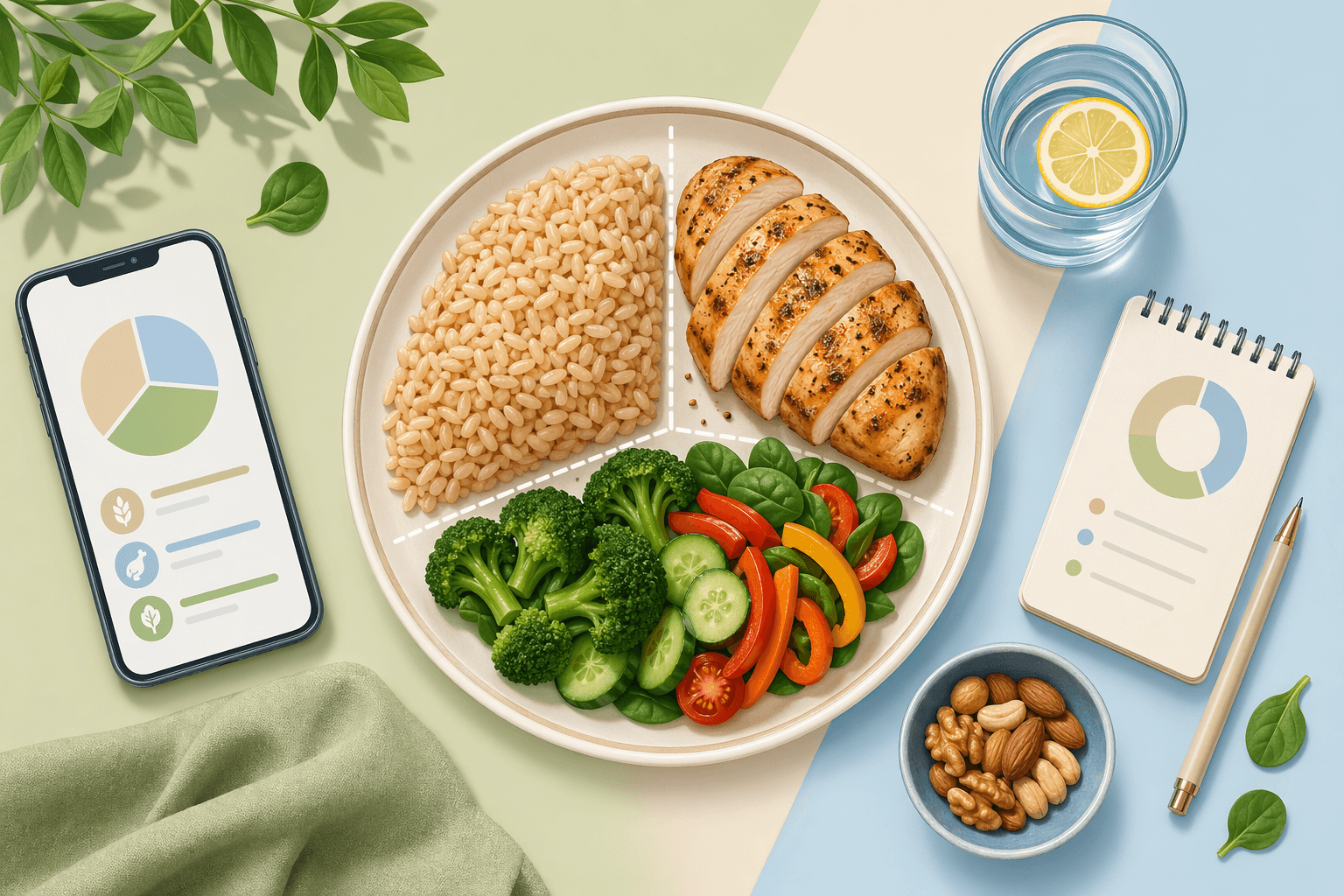
Building your meals around these foods, with measured portions of starchy carbs, can help you feel satisfied while managing blood sugar.
Dining out presents challenges because you cannot see nutrition labels or measure portions precisely. However, you can still make informed choices.
Plan ahead. Many restaurants post nutrition information online. Check before you go so you can decide what to order.
Estimate portions using your hand:
Choose grilled, baked, or steamed dishes rather than fried or breaded options. Ask for sauces and dressings on the side.
Be cautious with restaurant portions. They are often much larger than standard serving sizes. Consider taking half your meal home.
Limit foods that spike blood sugar like bread baskets, sweetened drinks, and desserts. Opt for sparkling water with lemon instead of soda, and choose fresh fruit if you want something sweet.
Starting something new always comes with a learning curve. Here are some common pitfalls and how to avoid them:
Mistake 1: Not measuring portions. Eyeballing portions often leads to underestimating carbs. Use measuring cups, spoons, or a food scale, especially when you are starting out.
Mistake 2: Forgetting drinks. Beverages can contain significant carbs. That morning latte, afternoon sweet tea, or evening glass of wine all count.
Mistake 3: Ignoring condiments. Barbecue sauce, ketchup, sweet chili sauce, and some salad dressings can add 5 to 15 grams of carbs per serving.
Mistake 4: Counting only sugar, not total carbs. Some people think they only need to track sugar. However, all carbohydrates affect blood sugar, not just sugars.
Mistake 5: Giving up too soon. Carb counting takes practice. Give yourself grace as you learn, and remember that progress matters more than perfection.
Carb counting is one tool in your diabetes management toolkit. It works best when combined with other healthy habits.
Blood sugar monitoring helps you see how your body responds to different foods. Testing your blood sugar before and 2 hours after meals can reveal which foods affect you most.
Physical activity helps lower blood sugar by making your cells more sensitive to insulin. Even a 10 to 15 minute walk after meals can help reduce blood sugar spikes.
Medication timing matters. If you take diabetes medications, ask your healthcare provider about the best timing in relation to your meals.
Stress management and sleep also influence blood sugar. Chronic stress and poor sleep can make blood sugar harder to control.

While this guide provides a foundation, personalized guidance from a registered dietitian can make a significant difference. A dietitian can help you:
Managing type 2 diabetes is not just about counting carbs. It is about finding a sustainable approach to eating that supports your health while still allowing you to enjoy food and life.
Carb counting is a skill, and like any skill, it improves with practice. Start by tracking your current intake to understand your baseline. Then, make gradual adjustments based on your blood sugar results and how you feel.
Remember that you do not have to figure this out alone. Nutrista connects you with real, registered dietitians who can provide personalized guidance tailored to your specific needs. Unlike generic calorie-tracking apps that only offer automated suggestions, Nutrista empowers qualified dietitians with modern technology so they can give you the most up-to-date, evidence-based support.
Your journey with type 2 diabetes is unique, and having a knowledgeable partner can make all the difference. Consider reaching out to a registered dietitian through Nutrista to create a personalized plan that works for your life.
Always consult with your healthcare provider before making significant changes to your diet or diabetes management routine. This article provides general information and is not a substitute for professional medical advice.

Stop wasting your Sundays! 😱 Discover why your meal prep keeps failing and how Nutrista AI is fixing the broken $700 billion grocery industry for good. 🥗🔥

Think your New Year's resolution is safe? Think again. 99% of people fail by Jan 15th because their apps are lying to them. Discover the 2026 secret to actually keeping the weight off! 😱🔥

Stop dating the wrong dietitians! 💔 You're wasting thousands on 'Instagram experts' who ghost you. Discover why 97% fail and how Nutrista AI is the secret weapon you need. 🚀
Professional nutritionists ready to help you