anti-inflammatory foods

Anti-Inflammatory Diet: Foods to Eat and Avoid for Reducing Chronic Inflammation

Nutrista Team
Share
Anti-Inflammatory Diet: Foods to Eat and Avoid for Reducing Chronic Inflammation

Anti-Inflammatory Diet: Foods to Eat and Avoid for Reducing Chronic Inflammation

If you're living with chronic joint pain, persistent fatigue, or an autoimmune condition, you've probably wondered if what you eat affects how you feel. The short answer is yes, and the science is clearer than ever. Chronic inflammation is at the root of many long-term health conditions, and the foods you choose every day can either help calm that internal fire or keep it burning.

The good news? You do not have to overhaul your entire diet overnight. Small, consistent changes can make a meaningful difference in how you feel. Let's explore what chronic inflammation actually is, which foods help reduce it, and how to build an anti-inflammatory way of eating that fits into your real life.

What Is Chronic Inflammation and Why Does It Matter?

Inflammation is a natural part of your body's immune response. When you get a cut or fight off an infection, acute inflammation helps your body heal. This is a good thing. The problem arises when inflammation becomes chronic, lingering at low levels for months or years.

Real Dietitians, Real Results

Download on the App StoreGet it on Google Play

Chronic inflammation is like a slow-burning fire inside your body. Unlike the swelling and redness you see with an injury, this type of inflammation is often invisible. You might not feel it directly, but over time, it can contribute to a wide range of health problems.

Research has linked chronic inflammation to conditions including:

  • Arthritis and joint pain where inflammatory chemicals attack healthy joint tissue
  • Heart disease where inflammation damages blood vessels and promotes plaque buildup
  • Type 2 diabetes where inflammation interferes with insulin function
  • Autoimmune diseases like rheumatoid arthritis, lupus, and Hashimoto's thyroiditis
  • Digestive disorders including inflammatory bowel disease
  • Obesity which both causes and is worsened by inflammation

Understanding this connection gives you power. While you cannot control every factor that influences inflammation, your diet is one area where you have significant influence.

Real Dietitians, Real Results

Download on the App StoreGet it on Google Play

Science-Backed Anti-Inflammatory Foods to Add to Your Plate

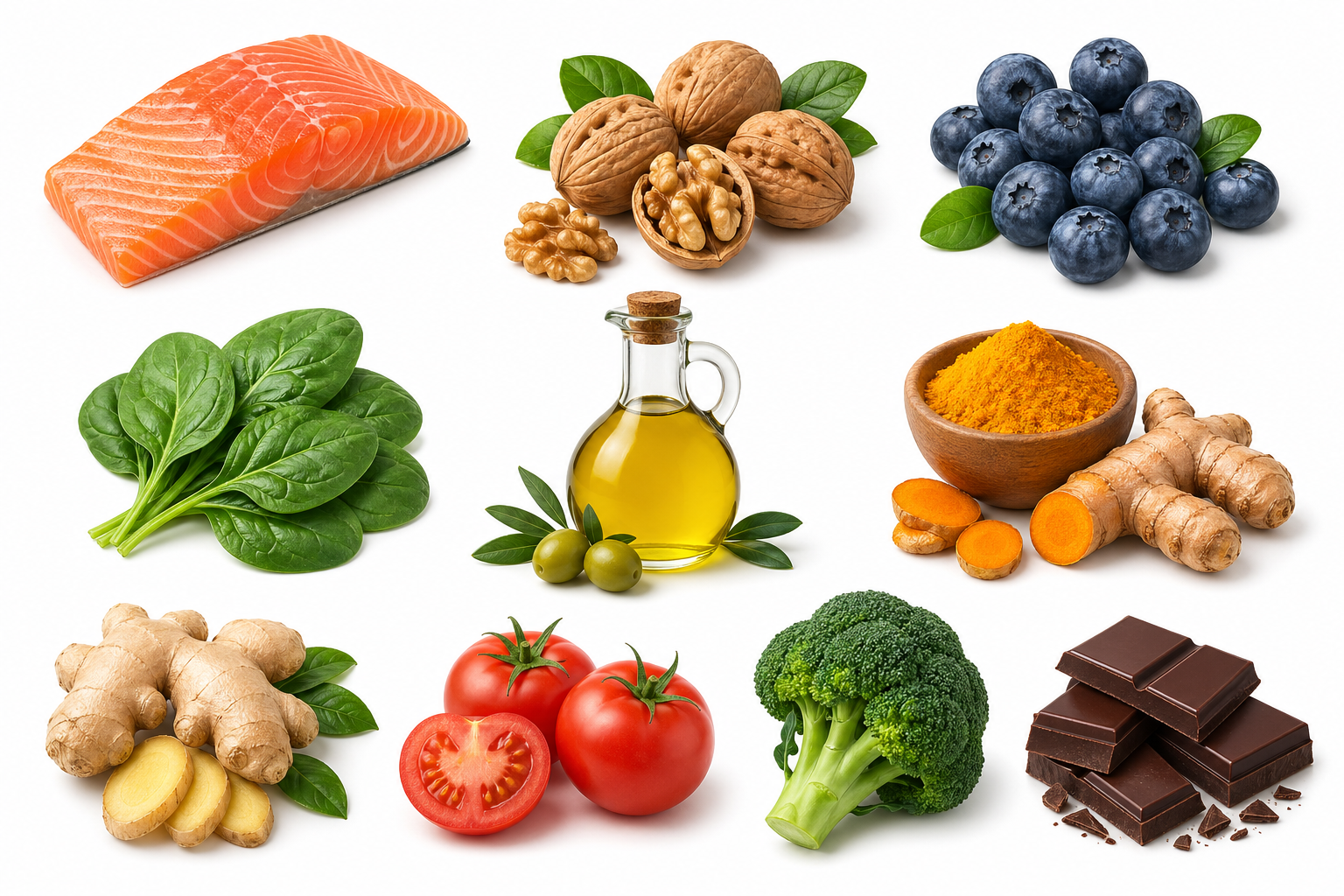
Top 10 anti-inflammatory foods arranged in a clean grid layout including salmon, walnuts, blueberries, spinach, olive oil, turmeric, ginger, tomatoes, broccoli, and dark chocolate

Research consistently shows that certain foods contain compounds that help reduce inflammatory markers in the body. Here are the most powerful anti-inflammatory foods and why they work.

Fatty Fish: Your Omega-3 Powerhouse

Fatty fish like salmon, mackerel, sardines, and trout are rich in omega-3 fatty acids, specifically EPA and DHA. These healthy fats help reduce the production of inflammatory proteins called cytokines.

Real Dietitians, Real Results

Download on the App StoreGet it on Google Play

Studies show that people who eat fatty fish regularly have lower levels of inflammatory markers like C-reactive protein. Aim for two to three servings per week. If you do not eat fish, talk to a healthcare provider about whether an omega-3 supplement might be appropriate for you.

Colorful Fruits and Vegetables

Brightly colored produce is packed with antioxidants and polyphenols, compounds that help neutralize free radicals and reduce oxidative stress, a key driver of inflammation.

Berries deserve special attention. Blueberries, strawberries, blackberries, and cherries contain anthocyanins, the pigments that give them their deep colors. These compounds have demonstrated significant anti-inflammatory effects in research studies.

Real Dietitians, Real Results

Download on the App StoreGet it on Google Play

Leafy greens like spinach, kale, and collard greens are excellent sources of vitamins A, C, and K, along with minerals and fiber. Some research suggests that vitamin K may help regulate inflammatory responses in the body.

Other anti-inflammatory vegetables include:

  • Broccoli and cruciferous vegetables, which contain sulforaphane, a compound that may help block inflammatory pathways
  • Tomatoes, rich in lycopene, especially when cooked with a little olive oil
  • Bell peppers, packed with vitamin C and antioxidants

Nuts, Seeds, and Healthy Fats

Walnuts stand out among nuts for their omega-3 content, but almonds, pistachios, and other nuts also provide anti-inflammatory benefits. They contain healthy monounsaturated fats, fiber, and antioxidants.

Flaxseeds and chia seeds offer plant-based omega-3s in the form of alpha-linolenic acid. Ground flaxseed is easier for your body to absorb than whole seeds.

Real Dietitians, Real Results

Download on the App StoreGet it on Google Play

Extra virgin olive oil is a staple of the Mediterranean diet, one of the most researched anti-inflammatory eating patterns. It contains oleocanthal, a compound that works similarly to some anti-inflammatory medications, though in much smaller amounts.

Anti-Inflammatory Spices and Herbs

Adding flavor to your food can also add anti-inflammatory benefits. Two spices have particularly strong research support:

Turmeric contains curcumin, a compound that has been extensively studied for its anti-inflammatory properties. Curcumin works by blocking inflammatory pathways at the cellular level. Pair turmeric with black pepper, which contains piperine and can increase curcumin absorption by up to 2000 percent.

Real Dietitians, Real Results

Download on the App StoreGet it on Google Play

Ginger contains gingerol and other compounds that have demonstrated anti-inflammatory and antioxidant effects. Both fresh and dried ginger offer benefits.

Other beneficial herbs and spices include cinnamon, cloves, and rosemary.

Other Anti-Inflammatory Foods

  • Dark chocolate (at least 70% cocoa) contains flavonoids with antioxidant properties
  • Green tea provides catechins, particularly EGCG, with documented anti-inflammatory effects
  • Whole grains like oats, quinoa, and brown rice contain fiber that supports healthy gut bacteria, which play a role in regulating inflammation
  • Legumes including beans, lentils, and chickpeas offer fiber, protein, and antioxidants

Foods That Promote Inflammation: What to Limit

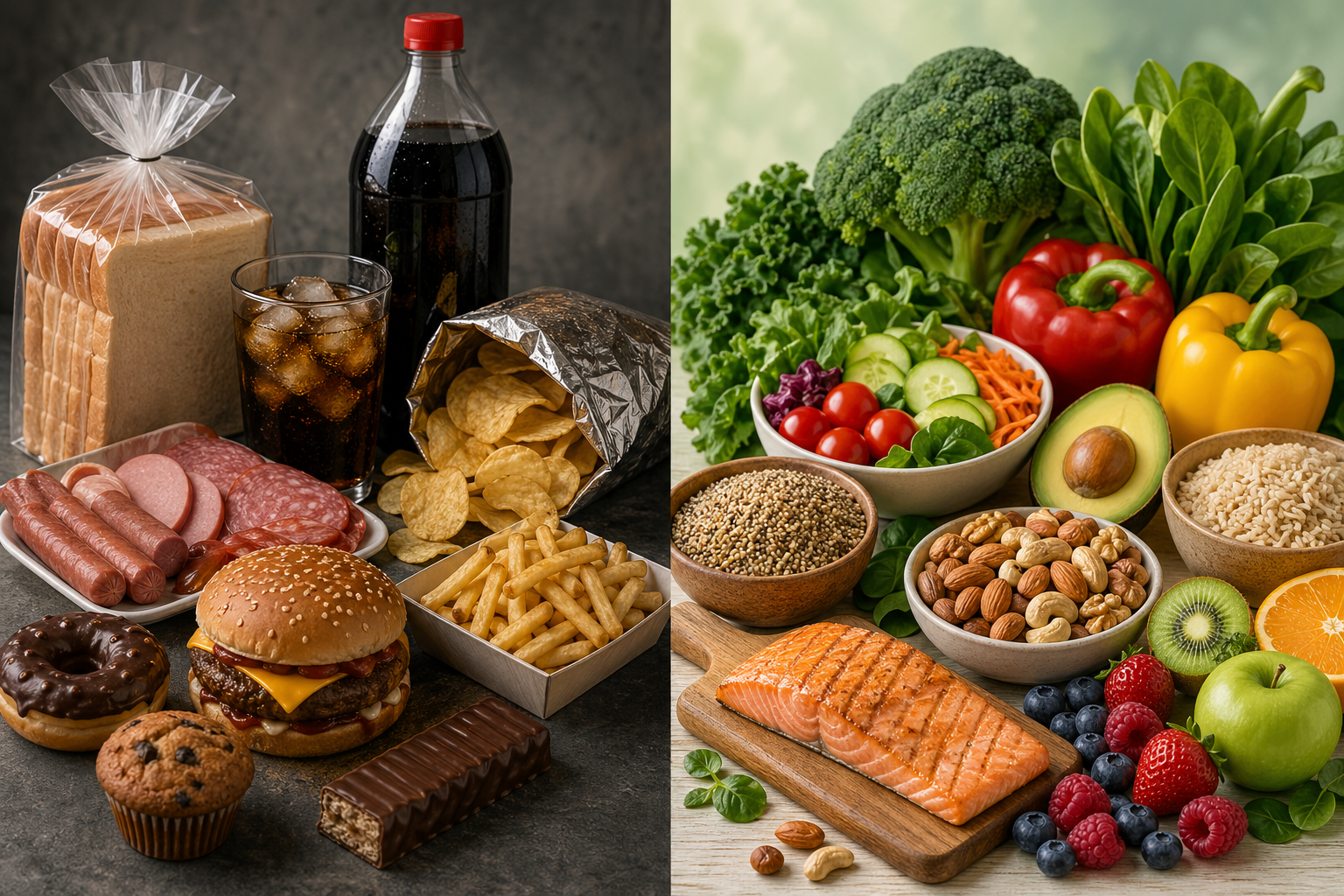
Split comparison showing inflammatory processed foods on the left versus anti-inflammatory whole foods on the right in contrasting visual styles

Real Dietitians, Real Results

Download on the App StoreGet it on Google Play

Just as some foods help fight inflammation, others can fuel it. This is not about never eating these foods again. It is about awareness and making informed choices most of the time.

Refined Carbohydrates and Added Sugars

Refined carbohydrates like white bread, white rice, and pastries cause rapid spikes in blood sugar. These spikes trigger inflammatory responses in the body. Research has linked diets high in refined carbohydrates to increased inflammatory markers.

Added sugars have similar effects. Beyond the obvious sources like soda and candy, added sugars hide in many processed foods including pasta sauces, salad dressings, and even bread. The average American consumes about 17 teaspoons of added sugar daily, far exceeding the recommended limits of 6 teaspoons for women and 9 for men.

Real Dietitians, Real Results

Download on the App StoreGet it on Google Play

Processed Meats

Bacon, hot dogs, sausages, deli meats, and other processed meats contain preservatives and compounds formed during processing that promote inflammation. Research has consistently linked processed meat consumption to increased risk of heart disease, certain cancers, and inflammatory conditions.

Trans Fats and Certain Vegetable Oils

Trans fats are among the most inflammatory substances in our food supply. Though largely phased out in many countries, they may still appear in some processed foods. Look for "partially hydrogenated oils" on ingredient labels.

Some research also suggests that excessive consumption of omega-6-rich vegetable oils (like corn oil, soybean oil, and sunflower oil) relative to omega-3s may promote inflammation. The goal is not to eliminate these entirely, but to balance your intake with anti-inflammatory omega-3 sources.

Real Dietitians, Real Results

Download on the App StoreGet it on Google Play

Excessive Alcohol

While moderate alcohol consumption may have some anti-inflammatory effects, excessive alcohol intake clearly promotes inflammation. It can damage the gut lining, allowing inflammatory substances to enter the bloodstream, and it places stress on the liver.

A Sample Day of Anti-Inflammatory Eating

Putting this into practice does not have to be complicated. Here is a realistic day of anti-inflammatory meals for someone with a busy schedule.

Breakfast: Greek Yogurt Parfait

  • Plain Greek yogurt topped with blueberries and a sprinkle of walnuts
  • A drizzle of honey if desired
  • Cup of green tea

Lunch: Mediterranean-Style Salad

  • Mixed greens with cherry tomatoes, cucumber, and chickpeas
  • Grilled salmon or canned salmon for convenience
  • Olive oil and lemon juice dressing
  • Slice of whole grain bread

Afternoon Snack: Apple with Almond Butter

  • Sliced apple with 1-2 tablespoons of natural almond butter

Dinner: Turmeric-Ginger Chicken with Roasted Vegetables

  • Chicken breast seasoned with turmeric, ginger, garlic, and black pepper
  • Roasted broccoli and sweet potato with olive oil
  • Brown rice or quinoa

Evening: Optional Treat

  • Small piece of dark chocolate (70% cocoa or higher)

This sample day incorporates multiple anti-inflammatory foods while remaining practical and satisfying.

Real Dietitians, Real Results

Download on the App StoreGet it on Google Play

Common Questions About Anti-Inflammatory Eating

Do Nightshade Vegetables Cause Inflammation?

Nightshades, including tomatoes, peppers, eggplant, and potatoes, have been rumored to worsen arthritis and inflammation. However, scientific evidence does not support a blanket recommendation to avoid nightshades. In fact, tomatoes and peppers contain beneficial antioxidants.

Some people with specific conditions like rheumatoid arthritis may notice that nightshades affect their symptoms. If you suspect nightshades bother you, try eliminating them for a few weeks and then reintroducing one at a time while tracking your symptoms. A registered dietitian can help guide this process.

Are Coffee and Tea Anti-Inflammatory?

Coffee and tea both contain polyphenols with anti-inflammatory properties. Green tea has the strongest research support, but coffee also provides antioxidants. The key is moderation and avoiding excessive added sugar or cream. Two to three cups of coffee or tea daily is generally considered safe for most people.

How Long Does It Take to See Improvements?

This varies from person to person. Some people notice improvements in how they feel within two to four weeks of consistent dietary changes. Others may need two to three months to see measurable changes in inflammatory markers.


Real Dietitians, Real Results

Download on the App StoreGet it on Google Play

Factors that influence how quickly you notice changes include your starting point, how significantly you change your diet, other lifestyle factors like stress and sleep, and the specific health condition you are managing. Consistency matters more than perfection.

Reading Labels: Spotting Hidden Inflammatory Ingredients

Food labels can be confusing, but knowing what to look for helps you make informed choices. Here are key things to check:

Look for added sugars under many names:

  • High fructose corn syrup
  • Dextrose, maltose, sucrose
  • Cane juice, evaporated cane juice
  • Brown rice syrup, agave nectar

Check ingredient lists for:

  • Partially hydrogenated oils (trans fats)
  • Artificial colors and preservatives
  • Ingredients you cannot pronounce or do not recognize as food

Choose products with:

  • Short ingredient lists with recognizable foods
  • Whole grains listed as the first ingredient
  • No added sugars or minimal added sugars

Focus on the overall pattern rather than stressing about every single ingredient. A mostly whole-foods diet with minimal processed foods will naturally reduce your exposure to inflammatory ingredients.

Real Dietitians, Real Results

Download on the App StoreGet it on Google Play

Getting Personalized Support for Anti-Inflammatory Eating

Making dietary changes can feel overwhelming, especially when you are already managing a chronic health condition. You might wonder if you are doing it right, or feel frustrated when the changes you try do not seem to help.

This is where working with a registered dietitian can make a significant difference. A dietitian can help you:

  • Create a personalized meal plan that fits your preferences, budget, and schedule
  • Identify your specific inflammatory triggers through careful tracking and elimination if needed
  • Navigate challenges like eating out, travel, and family meals
  • Adjust your approach based on your progress and health changes
  • Coordinate with your healthcare team to ensure your nutrition plan supports your overall treatment

Nutrista connects you with registered dietitians who specialize in anti-inflammatory nutrition. Unlike generic calorie-tracking apps that only offer AI-generated advice, Nutrista provides access to real, credentialed professionals who understand the complexities of chronic inflammation. These dietitians use AI-supported tools to create personalized recommendations while bringing the human expertise, empathy, and accountability that technology alone cannot provide.

Real Dietitians, Real Results

Download on the App StoreGet it on Google Play

Moving Forward: Progress Over Perfection

Changing how you eat is not about following rigid rules or achieving perfection. It is about making choices that support your body and help you feel better over time.

Start where you are. If your current diet includes few anti-inflammatory foods, begin by adding one serving of fatty fish per week or swapping your afternoon snack for berries and nuts. If you already eat a fairly healthy diet, consider adding anti-inflammatory spices or being more intentional about limiting processed foods.

Every small step counts. The foods you choose today are not just calories. They are information for your body, telling your cells how to function and your immune system how to respond.

Real Dietitians, Real Results

Download on the App StoreGet it on Google Play

Before making significant dietary changes, especially if you have existing health conditions or take medications, talk with your healthcare provider or a registered dietitian. They can help ensure your nutrition plan is safe and appropriate for your specific situation.

If you are ready for personalized guidance, Nutrista can connect you with experienced registered dietitians who understand inflammatory conditions and can create a plan tailored to your unique needs. Real expertise and real support can make all the difference in turning nutrition knowledge into lasting change.

Real Dietitians, Real Results

Download on the App StoreGet it on Google Play
#anti-inflammatory foods#chronic inflammation#inflammation diet

Others Viewed