




anti-inflammatory foods

Anti-Inflammatory Diet: Foods That Fight Chronic Inflammation Naturally

Nutrista Team
Share
Anti-Inflammatory Diet: Foods That Fight Chronic Inflammation Naturally

Anti-Inflammatory Diet: Foods That Fight Chronic Inflammation Naturally

If you are living with joint pain that will not go away, ongoing fatigue, or a chronic condition like arthritis or diabetes, you may have heard about inflammation as a contributing factor. Understanding how the foods you eat affect inflammation in your body can be a powerful step toward feeling better. This article will guide you through the science of chronic inflammation and provide practical, achievable ways to use nutrition as part of your wellness plan.

What Is Chronic Inflammation and Why Does It Matter?

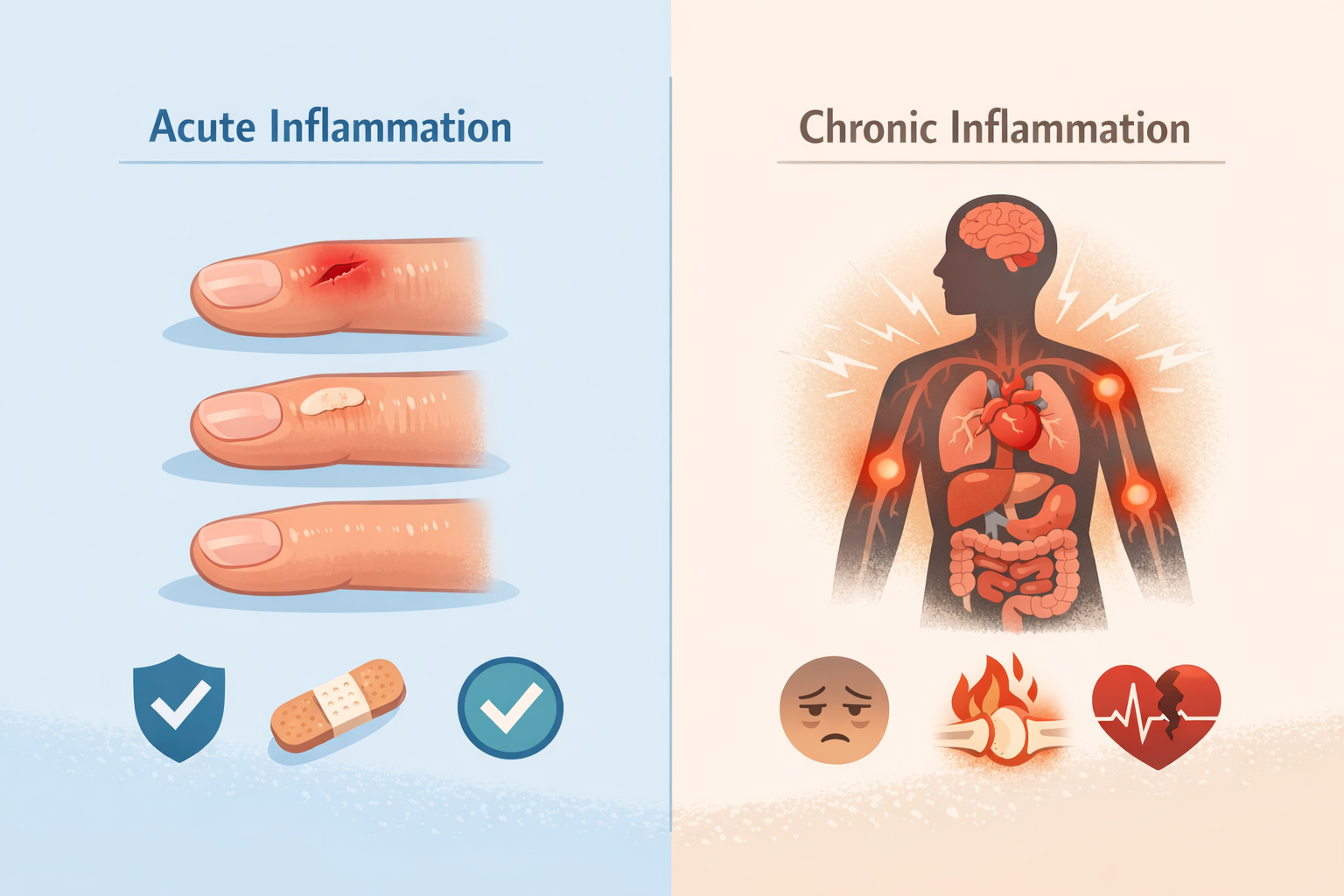
Inflammation is your body's natural defense mechanism. When you get a cut or fight off an infection, your immune system sends white blood cells and other substances to the area to protect you and begin healing. This is called acute inflammation, and it is a healthy, necessary response.

However, sometimes inflammation does not switch off. When your immune system stays in a constant state of alert, it can start damaging healthy tissues instead of protecting them. This ongoing, low-grade inflammation is called chronic inflammation, and it can silently contribute to many health problems over time.

Real Dietitians, Real Results

Download on the App StoreGet it on Google Play

Infographic showing the difference between acute inflammation, which is a helpful short-term healing response, and chronic inflammation, which is harmful and long-term

Researchers have linked chronic inflammation to a wide range of conditions, including:

  • Arthritis -- joint pain, swelling, and stiffness
  • Heart disease -- damage to blood vessels and plaque buildup
  • Type 2 diabetes -- insulin resistance and blood sugar issues
  • Autoimmune disorders -- conditions where the immune system attacks healthy tissue
  • Digestive problems -- including inflammatory bowel disease
  • Obesity -- excess fat tissue can actually produce inflammatory chemicals

The good news is that lifestyle factors, especially diet, can influence inflammation levels in your body. While food is not a cure-all, making thoughtful choices about what you eat may help reduce inflammation and support your overall health.

Real Dietitians, Real Results

Download on the App StoreGet it on Google Play

How Diet Affects Inflammation in the Body

The connection between diet and inflammation comes down to how different foods influence your immune system and cellular processes. Certain foods contain compounds that can either trigger inflammatory responses or help calm them.

Foods high in antioxidants, omega-3 fatty acids, and polyphenols tend to have anti-inflammatory effects. These compounds help neutralize harmful molecules called free radicals and reduce the production of inflammatory chemicals in the body.

On the other hand, foods high in refined sugars, unhealthy fats, and artificial additives may promote inflammation. These foods can spike blood sugar, disrupt gut bacteria, and trigger the release of inflammatory substances.

Real Dietitians, Real Results

Download on the App StoreGet it on Google Play

Top Anti-Inflammatory Foods to Add to Your Diet

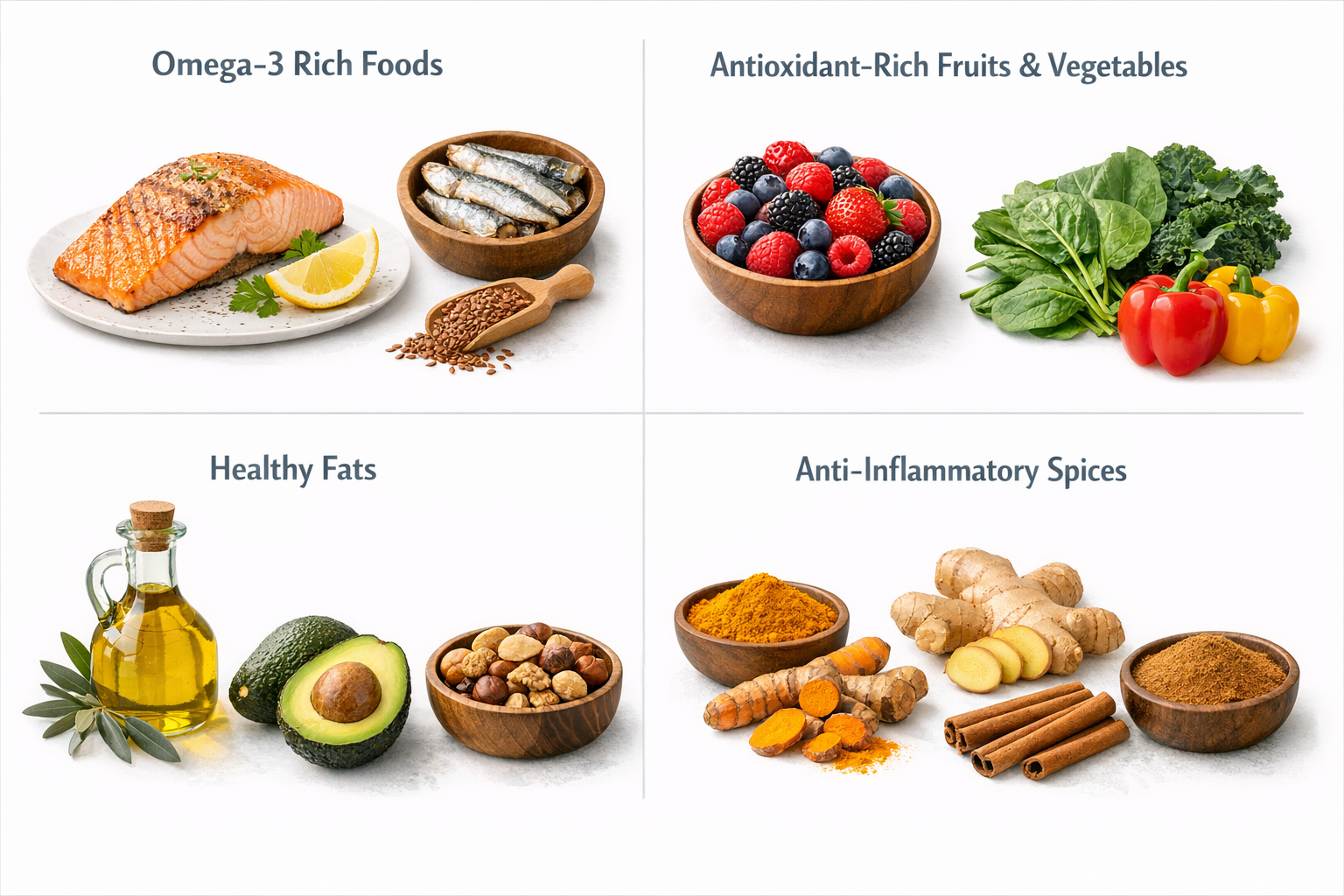
Research consistently shows that certain foods have powerful anti-inflammatory properties. Here are the key categories to focus on.

Visual food guide showing anti-inflammatory foods organized by category including omega-3 rich fish, colorful fruits and vegetables, healthy fats, and anti-inflammatory spices

Fatty Fish Rich in Omega-3s

Fatty fish are among the most potent anti-inflammatory foods available. Omega-3 fatty acids, particularly EPA and DHA found in fish, have been shown to reduce the production of inflammatory chemicals in the body.

Real Dietitians, Real Results

Download on the App StoreGet it on Google Play

Best choices include:

  • Salmon (wild-caught has slightly more omega-3s)
  • Sardines
  • Mackerel
  • Herring
  • Anchovies
  • Trout

Aim for at least two servings of fatty fish per week. If you do not eat fish, talk to your healthcare provider about whether an omega-3 supplement might be appropriate for you.

Colorful Berries and Antioxidant-Rich Fruits

Berries are packed with anthocyanins, the compounds that give them their vibrant colors. These antioxidants help protect your cells from damage and reduce inflammatory markers in the body.

Real Dietitians, Real Results

Download on the App StoreGet it on Google Play

Excellent options include:

  • Blueberries
  • Strawberries
  • Raspberries
  • Blackberries
  • Cherries
  • Pomegranates

Fresh or frozen berries both work well. Add them to oatmeal, yogurt, or smoothies for a simple anti-inflammatory boost.

Leafy Greens and Cruciferous Vegetables

Vegetables like spinach, kale, and broccoli are rich in vitamins, minerals, and phytochemicals that fight inflammation. Cruciferous vegetables also contain sulforaphane, a compound that may help block inflammatory pathways.

Real Dietitians, Real Results

Download on the App StoreGet it on Google Play

Load up on:

  • Spinach
  • Kale
  • Swiss chard
  • Broccoli
  • Brussels sprouts
  • Cabbage
  • Bok choy

Nuts, Seeds, and Healthy Fats

Nuts and seeds provide healthy monounsaturated fats and plant-based omega-3s. Regular nut consumption has been linked to lower levels of inflammatory markers and reduced risk of heart disease.

Good choices include:

Real Dietitians, Real Results

Download on the App StoreGet it on Google Play
  • Walnuts (highest in plant omega-3s)
  • Almonds
  • Chia seeds
  • Flaxseeds (ground for better absorption)
  • Hemp seeds

Extra virgin olive oil deserves special mention. It contains oleocanthal, a compound that works similarly to some anti-inflammatory medications. Use it as your primary cooking oil and salad dressing base.

Anti-Inflammatory Spices and Herbs

Certain spices have been used for centuries in traditional medicine and are now backed by modern research for their anti-inflammatory properties.

Turmeric contains curcumin, a powerful anti-inflammatory compound. Pair turmeric with black pepper to significantly improve absorption.

Real Dietitians, Real Results

Download on the App StoreGet it on Google Play

Ginger contains gingerol, which has been shown to reduce inflammation and may help with joint pain.

Other beneficial spices include:

  • Cinnamon
  • Cloves
  • Rosemary
  • Oregano
  • Garlic

Foods That May Promote Inflammation

Knowing what to avoid is just as important as knowing what to eat. The following foods have been linked to increased inflammatory markers in research studies.

Real Dietitians, Real Results

Download on the App StoreGet it on Google Play

Highly Processed Foods

Processed foods often contain unhealthy fats, added sugars, artificial ingredients, and excessive sodium. These can all contribute to inflammation.

Limit:

  • Packaged snacks and chips
  • Processed meats (hot dogs, bacon, deli meats)
  • Fast food
  • Frozen meals with long ingredient lists

Refined Carbohydrates

Refined carbs cause rapid blood sugar spikes, which can trigger inflammatory responses. They also lack the fiber and nutrients of whole grains.

Real Dietitians, Real Results

Download on the App StoreGet it on Google Play

Reduce:

  • White bread
  • White pasta
  • White rice
  • Crackers and pretzels
  • Pastries and baked goods

Sugary Beverages and Added Sugars

Sugar-sweetened beverages are particularly problematic. Liquid sugar causes rapid blood sugar spikes and provides no satiety, making it easy to overconsume.

Avoid or minimize:

Real Dietitians, Real Results

Download on the App StoreGet it on Google Play
  • Sodas
  • Sweetened iced teas
  • Energy drinks
  • Fruit drinks with added sugar
  • Excessive fruit juice

Excessive Red Meat and Processed Meat

While lean red meat can be part of a balanced diet in moderation, high intake has been associated with increased inflammation. Processed meats like bacon, sausage, and hot dogs contain compounds that can trigger inflammatory responses.

If you eat red meat, choose lean cuts and limit processed varieties. Consider replacing some red meat with fish, poultry, or plant-based proteins.

Sample Day of Anti-Inflammatory Eating

Here is what a day of anti-inflammatory eating might look like. This is meant as inspiration, not a rigid meal plan.

Real Dietitians, Real Results

Download on the App StoreGet it on Google Play

Breakfast

Steel-cut oatmeal topped with blueberries, walnuts, and a sprinkle of cinnamon. The oats provide fiber, berries add antioxidants, walnuts contribute omega-3s, and cinnamon helps regulate blood sugar.

Lunch

Grilled salmon salad with mixed greens, cherry tomatoes, cucumber, avocado, and olive oil vinaigrette. This combines omega-3s from salmon with the anti-inflammatory benefits of leafy greens and olive oil.

Afternoon Snack

Greek yogurt with a drizzle of honey and sliced almonds, or carrot sticks with hummus.

Real Dietitians, Real Results

Download on the App StoreGet it on Google Play

Dinner

Roasted chicken with turmeric and ginger, served with quinoa and roasted Brussels sprouts with garlic.

Evening

A cup of ginger tea or chamomile tea instead of sugary beverages.

Practical Tips for Getting Started

Making dietary changes can feel overwhelming, especially when you are already managing a health condition. Here are strategies to make anti-inflammatory eating more achievable.

Real Dietitians, Real Results

Download on the App StoreGet it on Google Play

Start small. Pick one or two changes to focus on rather than overhauling your entire diet at once. Perhaps begin by adding berries to your breakfast or switching to olive oil.

Plan ahead. Keep anti-inflammatory staples on hand so healthy choices are convenient. Stock your pantry with olive oil, nuts, canned salmon, and frozen berries.

Cook more at home. Restaurant meals are often high in inflammatory ingredients. Simple home-cooked meals give you control over what goes into your food.

Real Dietitians, Real Results

Download on the App StoreGet it on Google Play

Read labels. Look for products with short ingredient lists and recognizable foods. Avoid items where sugar appears near the top of the ingredient list.

Stay hydrated with water. Replace sugary drinks with water, unsweetened tea, or sparkling water with a splash of fruit juice.

Common Questions About Anti-Inflammatory Diets

What Foods Reduce Inflammation in the Body?

The most research-backed anti-inflammatory foods include fatty fish, berries, leafy greens, nuts, olive oil, and spices like turmeric and ginger. Focus on adding these foods to your diet rather than thinking only about what to eliminate.

Real Dietitians, Real Results

Download on the App StoreGet it on Google Play

Is an Anti-Inflammatory Diet Good for Arthritis?

Research suggests that an anti-inflammatory eating pattern may help reduce joint pain and stiffness in some people with arthritis. Many healthcare providers recommend this approach as part of a comprehensive arthritis management plan.

How Long Does It Take to See Results?

Everyone responds differently. Some people notice improvements in how they feel within a few weeks, while for others it may take longer. Consistency matters more than perfection. A Mediterranean-style anti-inflammatory diet is a long-term approach, not a quick fix.

Can I Still Eat My Favorite Foods?

An anti-inflammatory diet does not have to be all-or-nothing. The goal is to emphasize anti-inflammatory foods most of the time while allowing flexibility. Occasional treats are unlikely to cause significant harm when your overall pattern is healthy.

Real Dietitians, Real Results

Download on the App StoreGet it on Google Play

When to Seek Professional Guidance

While general dietary guidance is helpful, personalized advice from a registered dietitian can make a significant difference, especially if you have multiple health conditions or take medications.

Consider working with a dietitian if:

  • You take blood thinners (vitamin K in leafy greens can interact with these medications)
  • You have kidney disease and need to limit certain nutrients
  • You have food allergies or intolerances
  • You are unsure how to balance your specific health needs
  • You need help creating sustainable meal plans

Always consult your healthcare provider before making significant dietary changes, particularly if you have a medical condition or take prescription medications. Your doctor can help you understand how dietary changes might interact with your treatment plan.

Real Dietitians, Real Results

Download on the App StoreGet it on Google Play

Moving Forward with Anti-Inflammatory Eating

Reducing chronic inflammation through diet is not about following strict rules or feeling deprived. It is about nourishing your body with foods that support healing and wellness. Small, consistent changes add up over time.

If you would like personalized guidance, Nutrista connects you with registered dietitians who understand the science of nutrition and inflammation. These qualified professionals can help you create an eating plan tailored to your specific health needs, preferences, and lifestyle.

Unlike generic calorie-tracking apps that only offer automated advice, Nutrista provides access to real registered dietitians who are supported by AI technology. This means you get the best of both worlds: evidence-based guidance from a qualified human expert, enhanced by modern tools that make nutrition support more accessible.

Real Dietitians, Real Results

Download on the App StoreGet it on Google Play

Your health journey is unique, and you deserve support that is just as individual. Consider reaching out to a registered dietitian through Nutrista to take the next step in managing inflammation through nutrition.

This article provides general educational information and is not intended as medical advice. Please consult with a qualified healthcare professional before making significant changes to your diet, especially if you have a medical condition or take medications.

Real Dietitians, Real Results

Download on the App StoreGet it on Google Play
#anti-inflammatory foods#chronic inflammation#arthritis diet

Others Viewed