A Day of Anti-Inflammatory Meals
Here is what a gentle, healing day of eating might look like. This is a template, not a rigid prescription.
- Breakfast: Start your day with a bowl of warm oatmeal made with water or unsweetened almond milk, swirled with a teaspoon of turmeric and a pinch of black pepper, topped with a handful of walnuts and fresh blueberries.
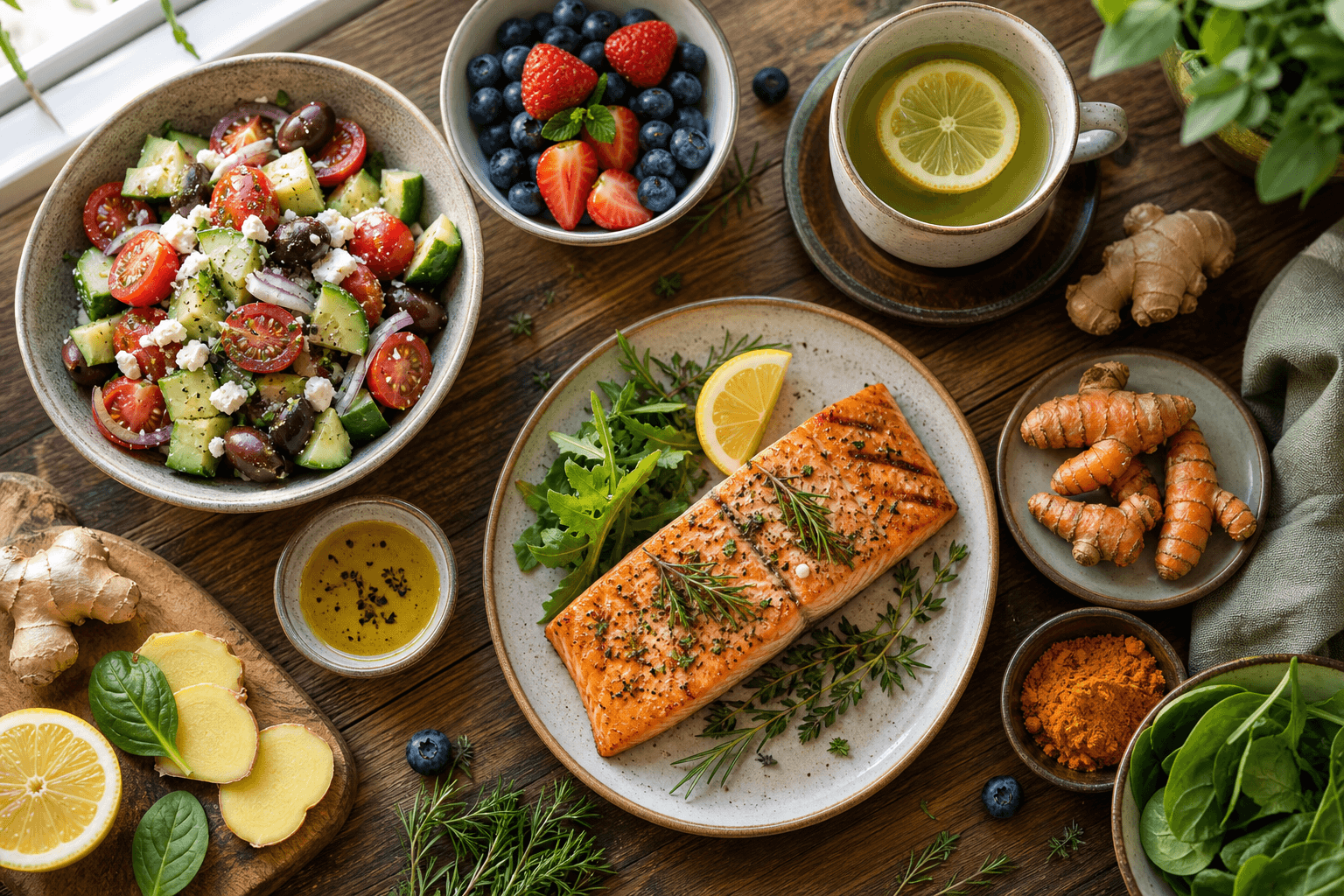
- Lunch: Enjoy a large salad with a base of dark leafy greens, topped with chickpeas, diced cucumber, cherry tomatoes, and a generous drizzle of a lemon-olive oil dressing. A side of grilled salmon or a quinoa cake would make it heartier.
- Dinner: Try baked mackerel or roasted chicken thighs seasoned with garlic and rosemary, served alongside roasted broccoli and sweet potato wedges that have been tossed in olive oil and paprika.
Simple Swaps for Everyday Meals
Small, consistent changes lead to profound results.
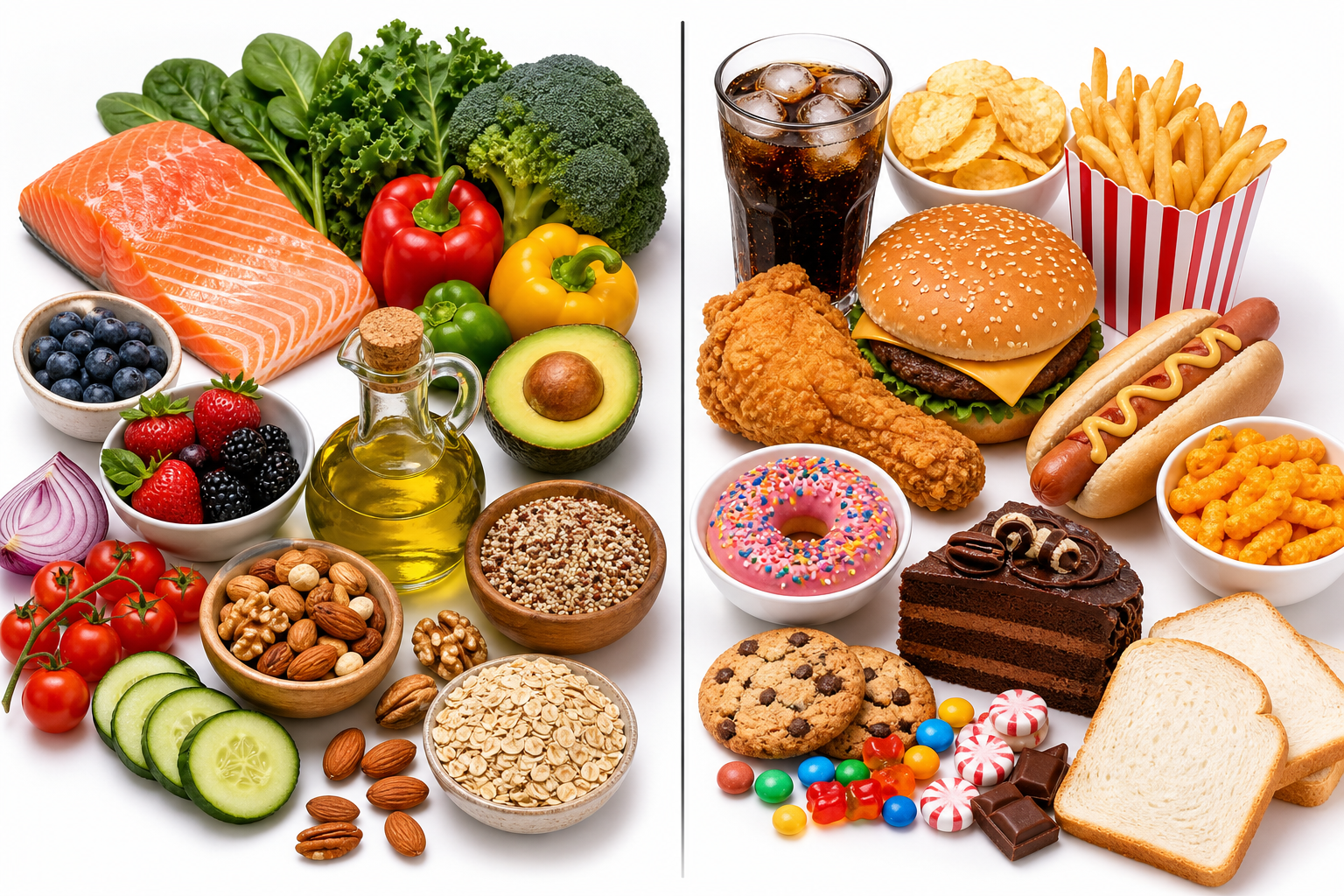
- Instead of a bag of chips, reach for a handful of almonds and an apple.
- Replace your afternoon sugary latte with a cup of green tea or a golden milk latte made with turmeric, ginger, and a touch of honey.
- Swap butter on your toast for mashed avocado with a sprinkle of chili flakes.
- Use extra virgin olive oil and vinegar as your default salad dressing instead of creamy, bottled options.
Eating with the Seasons
In June, take advantage of the season’s anti-inflammatory bounty. Summer produce is bursting with flavor and antioxidants. Fill your basket with fresh berries, cherries, peaches, zucchini, bell peppers, and juicy heirloom tomatoes. A simple salad of sliced tomatoes, fresh basil, and a drizzle of olive oil is a perfect seasonal side dish.
Beyond Diet: Lifestyle Factors
Food is a cornerstone, but it works in concert with other pillars of health. You cannot out-diet a chronically stressful or sleep-deprived life.
- Prioritize Restorative Sleep: Aim for 7-9 hours of quality sleep. This is when your body, including your immune system, repairs itself.
- Find Your Stress Management Practice: Chronic stress triggers the release of cortisol, a hormone that can drive inflammation. Even five minutes of deep breathing, a gentle walk, or listening to calming music can make a difference.
- Move Your Body Joyfully: Regular physical activity has a direct anti-inflammatory effect. Think less about punishing workouts and more about consistent, enjoyable movement like walking, swimming, yoga, or cycling.
Getting Started Without Feeling Overwhelmed
A common question is, “How long before I notice a difference?” The answer is deeply personal. Some people notice improved energy and less bloating within a week, while changes in joint pain or inflammatory markers may take several weeks or months of consistency. The key is patience and self-compassion.
Another common worry is, “Do I need to eliminate all inflammatory foods completely?” Absolutely not. An anti-inflammatory diet is a pattern, not a prison sentence. Striving for an 80/20 balance—where 80% of your choices are nourishing and anti-inflammatory, and 20% leave room for life’s inevitable treats and conveniences—is a far more sustainable and joyful approach. Progress, not perfection, is the goal.
Practical first steps:
- Start with one meal a day. Make your breakfast anti-inflammatory for a week.
- Focus on adding, not subtracting. Instead of thinking about cutting out sugar, focus on adding two different colored vegetables to your dinner plate.
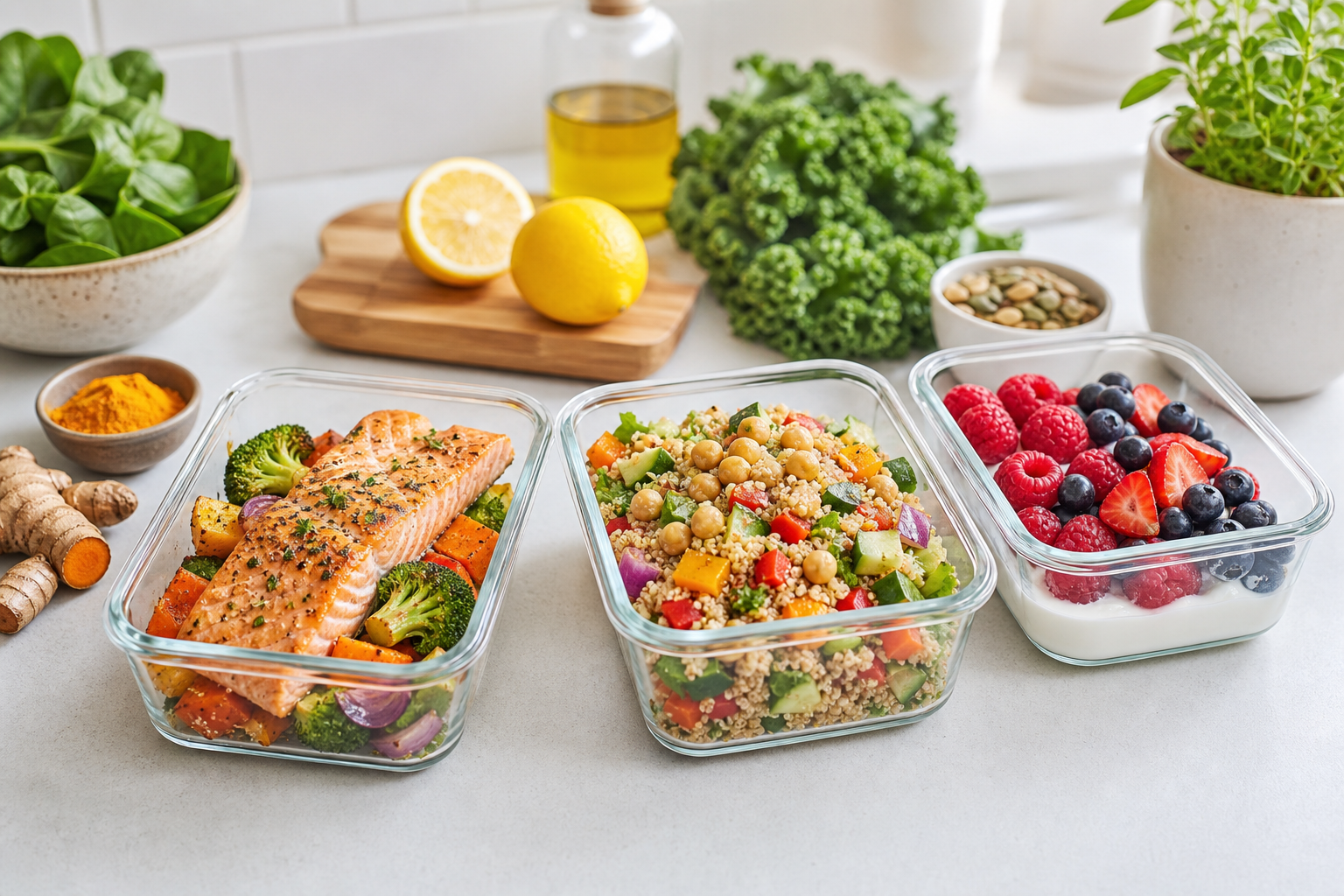
- Batch-prep one or two staples. Cook a large batch of quinoa or wash and chop your vegetables on a Sunday so they’re ready to go during a busy week.
When to Seek Professional Guidance
While general principles are a wonderful starting point, your body has a unique story. This is especially true if you are managing multiple health conditions, taking medications, or navigating digestive sensitivities that make some high-fiber foods challenging. A registered dietitian can help you translate these guidelines into a personalized plan that honors your health needs, food preferences, and lifestyle.